


Smart locks are getting a lot of attention in 2026, with major tech companies introducing new innovations for the home. Ring recently announced its first smart lock, featuring a hand-powered dial that provides emergency power when the battery dies, with availability expected in early 2027. Meanwhile, today, October 13, Apple officially unveiled its new Apple Home Collection, including a smart deadbolt developed with LG that uses proximity-based unlocking through a compatible iPhone or Apple Watch. The new collection is expected to become available starting in December 2026.
These innovations are exciting additions for homeowners. But do they make sense for a 300-unit apartment building?
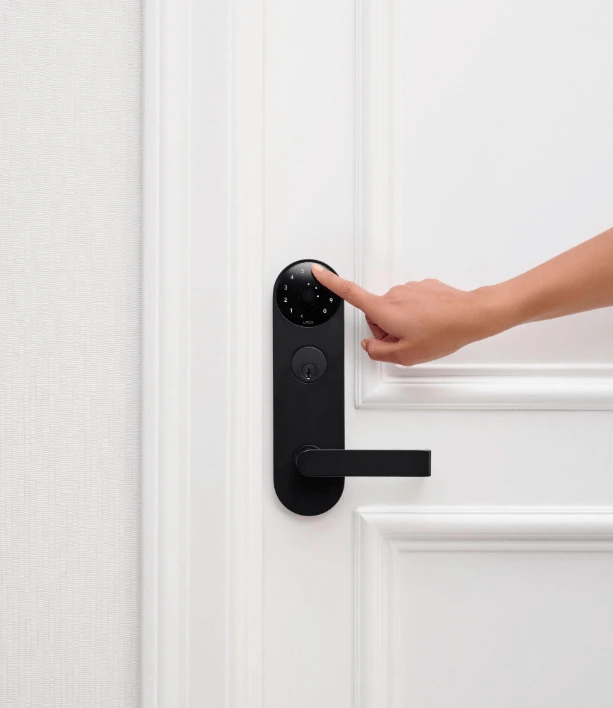
Smart locks for apartments have a much bigger job than those designed for single-family homes. Multifamily operators need to manage resident credentials across hundreds of doors, coordinate staff and vendor access, maintain reliable audit trails, and keep permissions aligned with lease data from their property management system (PMS).
These operational demands introduce a different set of requirements for security, scalability, compliance, and cost, making the choice of smart lock system a much bigger decision for multifamily owners and operators..
What's the Difference Between Smart Locks for Apartments and Single-Family Homes?
Smart locks for single-family homes are designed around homeowner convenience, making it easy to unlock doors, share guest codes, and manage access through a consumer app. Smart locks for apartments have a much bigger job, supporting hundreds of residents, multiple entrances, shared amenities, and staff or vendors who need different levels of access.
For example, a maintenance technician may need temporary access to one apartment, while a resident needs ongoing access to their unit, building entrance, and amenities. Multifamily access control software allows property teams to manage these permissions centrally, rather than updating individual locks. It can also connect to lease data from the property management system (PMS) to streamline move-ins and move-outs, while maintaining relevant access records for security and accountability.
Both can offer mobile unlocking, PIN codes, and guest access. The biggest differences emerge when those features need to work across an entire building.
These differences directly impact security, operating costs, and how efficiently properties can be managed.
Where Consumer Smart Locks Fall Short for Apartment Buildings
1. Managing Access Across Hundreds of Units
At a single-family home, managing access might mean giving a neighbor a temporary code or letting a contractor in for the afternoon.
At a multifamily property, access management is considerably more complex. Residents are constantly moving in and out. Maintenance technicians need entry to specific units, vendors require temporary permissions, leasing teams coordinate tours, and residents expect access to amenities, parking, and building entrances. Many consumer smart locks have limited PIN code capacity, while DOOR's multifamily access solutions support significantly more unique credentials, accommodating residents, staff, and vendors as properties and portfolios scale.
Managing each smart lock individually creates unnecessary administrative work and increases the risk of missed access changes.
Enterprise multifamily smart locks also allow property teams to manage access across the building through centralized software. Rather than maintaining hundreds of independent devices, operators can assign, modify, and revoke credentials using consistent policies.
When integrated with a PMS, access management becomes even more efficient. For example, DOOR OS can use resident and lease information from systems like Yardi, RealPage, Entrata, and AppFolio to support automatic credential provisioning and revocation as residents move in, move out, or transfer units.
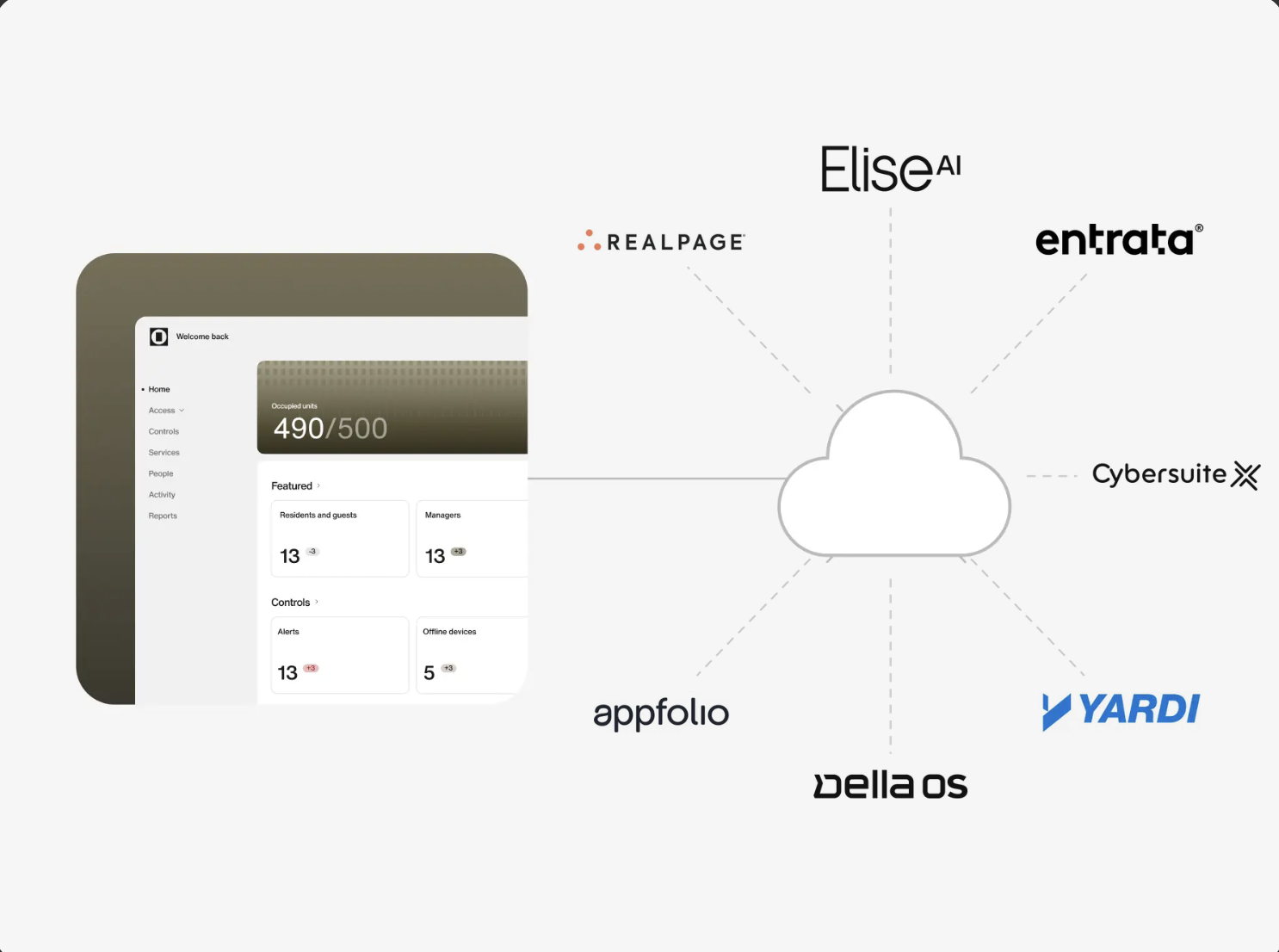
The result is fewer manual handoffs, less duplicate data entry, and more consistent operations across the property.
Learn how PMS integration powers smart access.
2. Security, Audit Trails, and Accountability
Many consumer smart locks offer encryption, activity history, and temporary guest codes. These features are valuable, but multifamily properties require an additional level of oversight.
Property teams need to know who has permission to access specific spaces, when those permissions are valid, and what happened when someone used them.
With DOOR, access history records who unlocked a door, when the event occurred, and which credential was used, including the DOOR App, Doorcode, or keycard. History also captures failed unlock attempts, such as incorrect Doorcodes or unauthorized credentials.
Why does this matter for operators?
.webp)
Consider a property preparing an apartment for a new resident. Cleaning crews, painters, and maintenance technicians may all need access at different times throughout the turnover process.
Rather than relying on manual check-ins, property teams can review access history to see which staff or vendor credentials were used, when each unlock occurred, and who granted those permissions. This provides a reliable record of access activity, helps teams coordinate vendors, and reduces time spent tracking down updates.
Resident privacy is equally important. DOOR allows property managers to view staff and guest access activity at unit doors, but not residents' own private unit-entry histories. Residents can review their own access activity alongside guest and staff entries.
This balance gives operators greater visibility and accountability across the property while respecting residents' privacy.
3. Building Code Compliance and Reliability
A smart lock that works perfectly on a single-family home's front door may not meet the requirements of a multifamily building.
Apartment properties must account for applicable fire and building codes, accessibility requirements, and different types of door hardware. Depending on the opening, these considerations can include fire-rated assemblies, single-motion egress, and appropriate accessible entry methods.
Reliability also extends beyond battery life. Multifamily smart locks should support continued access during network interruptions, with clear procedures for synchronizing credentials and access records when connectivity returns. Some offline-capable locks can validate existing credentials locally, but new permissions and revocations may require a device sync.
For an operator managing hundreds of doors, these details affect resident safety, maintenance demands, and operational risk.
That's why multifamily smart locks must be evaluated for the specific building and door configuration rather than assuming any consumer smart lock will be suitable.
Read more about multifamily access control compliance requirements.
4. Lower Upfront Costs Don't Always Mean Lower Operating Costs
Consumer smart locks can be attractive because of their price and straightforward installation. However, the cost of managing one lock is very different from managing hundreds, especially when access control, intercoms, and Smart Home devices operate through separate systems.
For multifamily operators, total cost of ownership extends beyond hardware and installation to include software subscriptions, maintenance, credential administration, staff time, and the ongoing cost of managing multiple vendors and platforms.
Consider a property processing 30 move-outs in one month. Without integrated systems, staff may need to update unit access permissions in one platform, revoke building and amenity access in another, and separately manage smart thermostats and other devices in vacant units. Each additional system introduces more administrative work, training, and potential for errors.
An integrated multifamily platform can streamline these workflows by connecting access control, Smart Home technology, and property management data. This reduces duplicate work, limits recurring rekeying costs, and helps operators manage more units without adding unnecessary complexity.
Across an entire portfolio, consolidating technology and automating routine tasks can lower operating expenses, improve staff productivity, and contribute to stronger net operating income (NOI).
What Makes a Smart Lock Right for Multifamily?
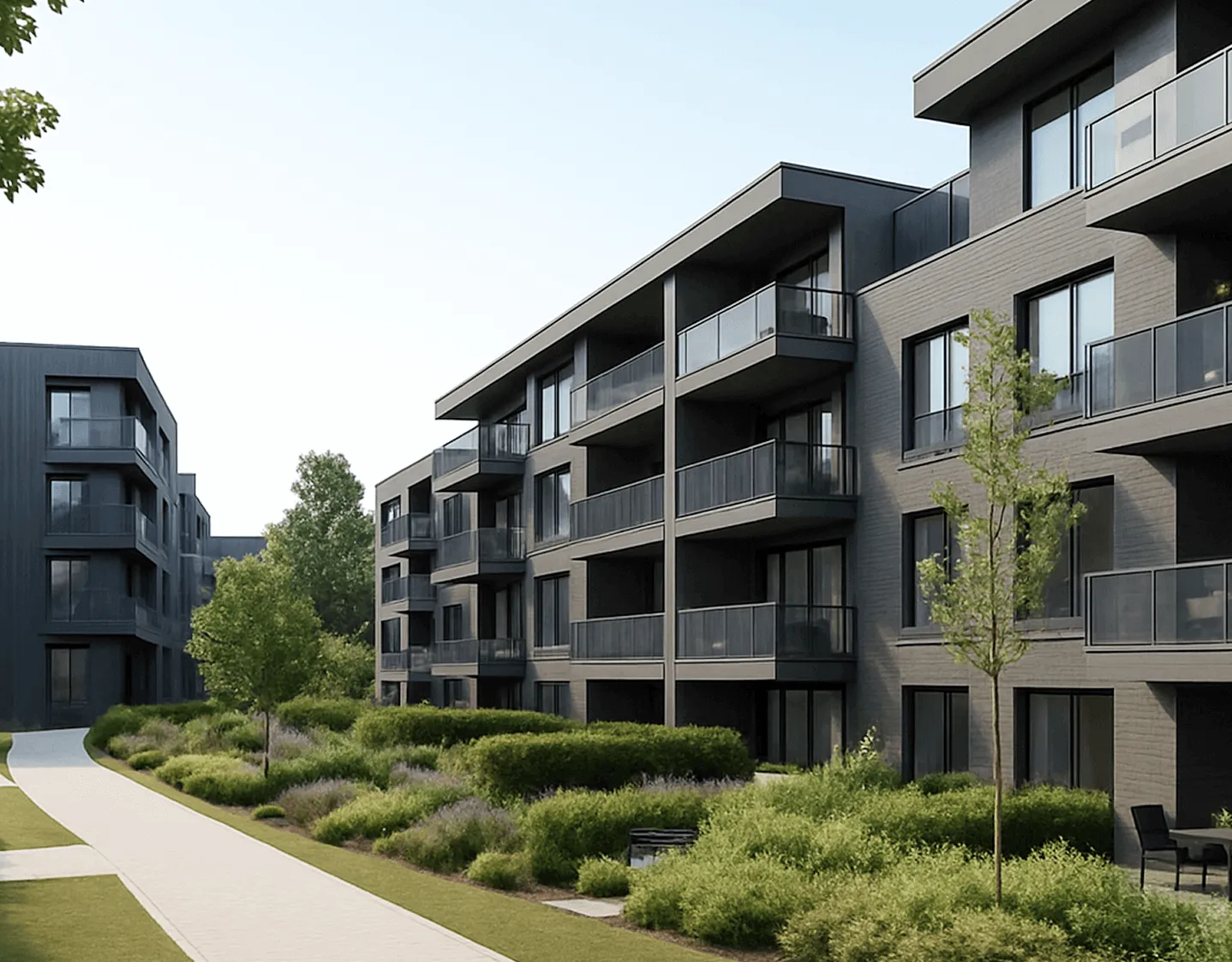
The best smart locks for apartment buildings combine resident convenience with the operational controls property teams need.
That includes centralized credential management, reliable access records, appropriate compliance features, and integrations across the tech stack.
It also means considering access across the entire property, including apartment doors, building entrances, elevators, and shared amenities.
For owners and operators, a well-designed multifamily smart lock system should make properties easier to manage, support consistent security policies, and deliver measurable operational value.
How DOOR Connects Smart Locks to Smarter Building Operations
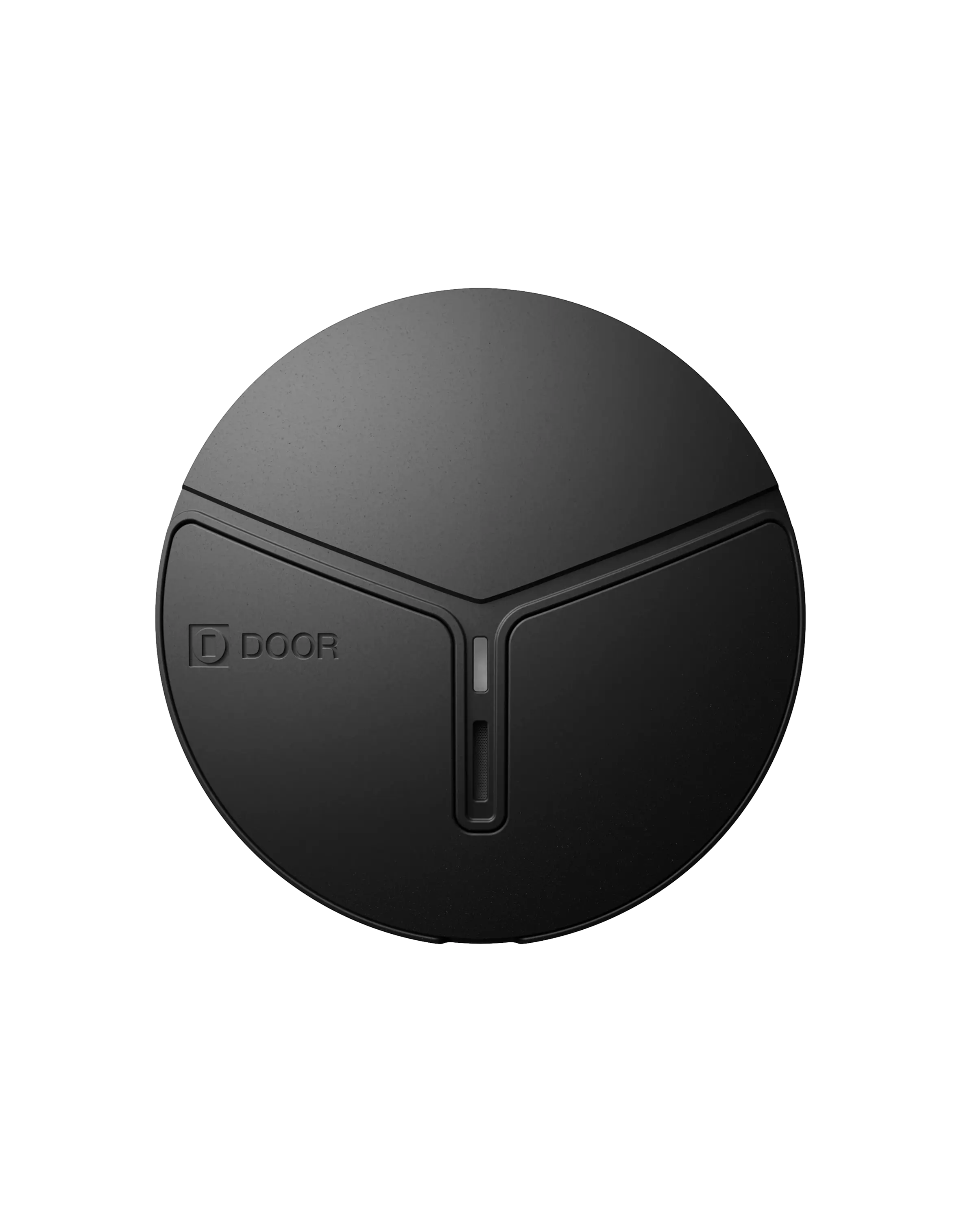
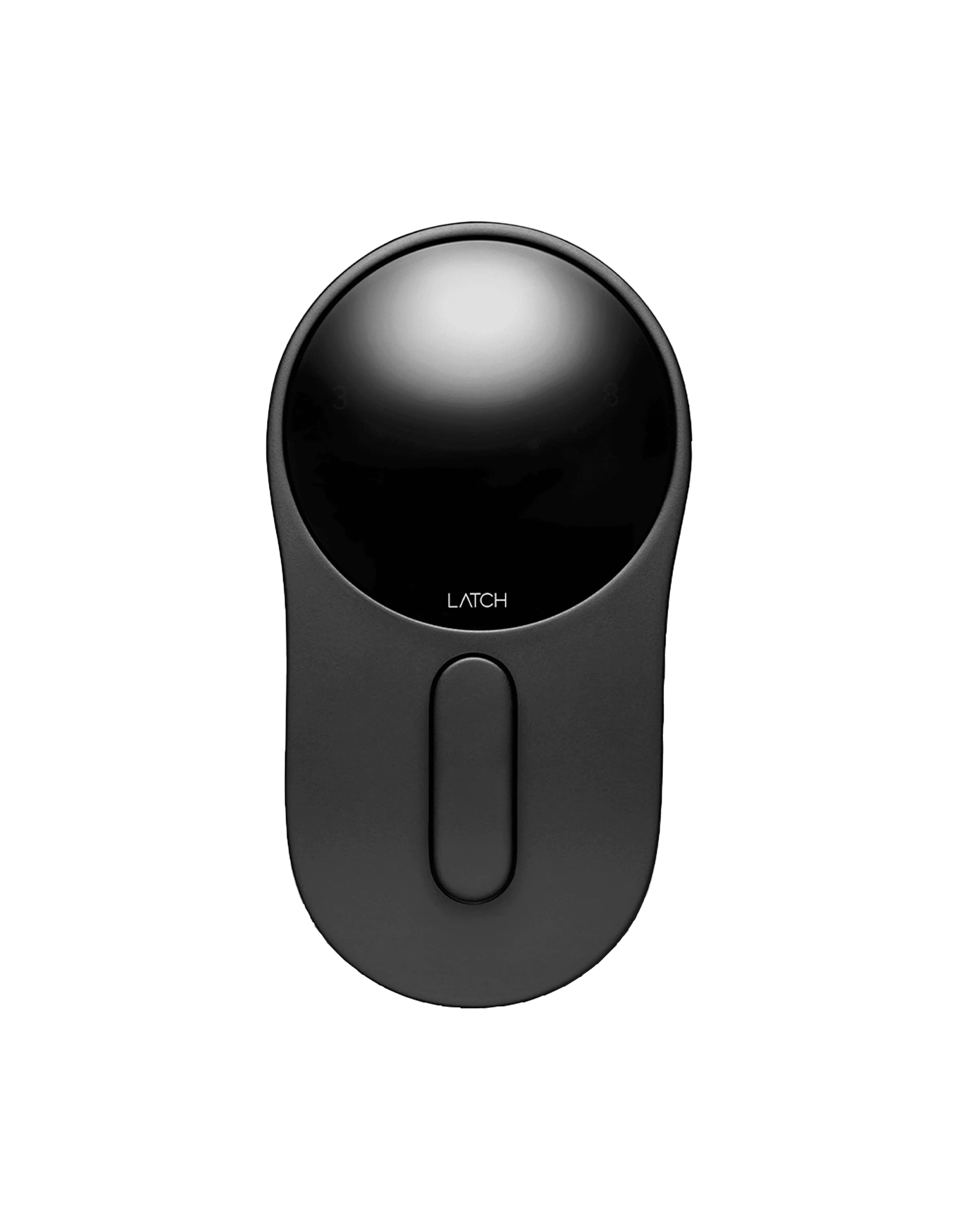
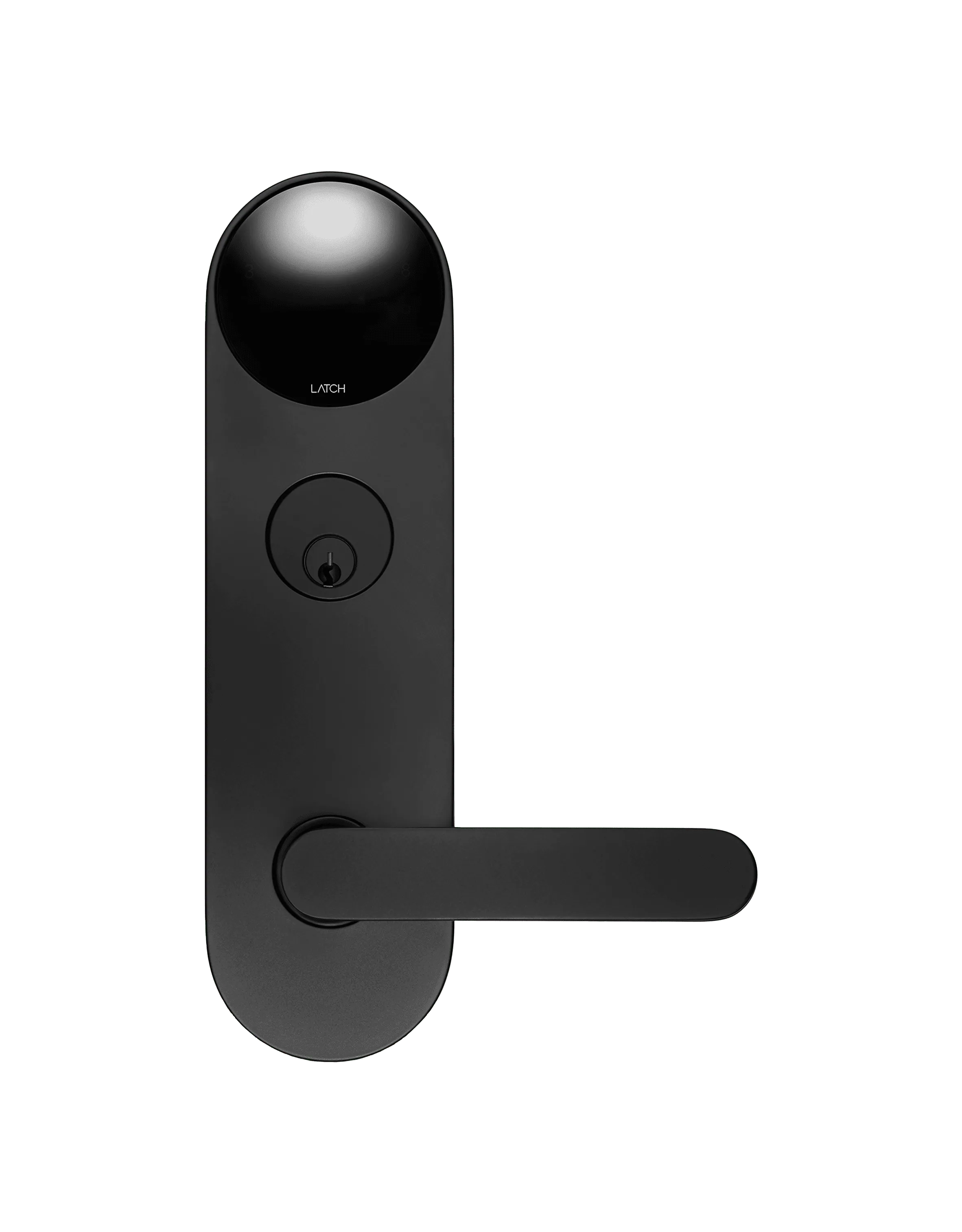
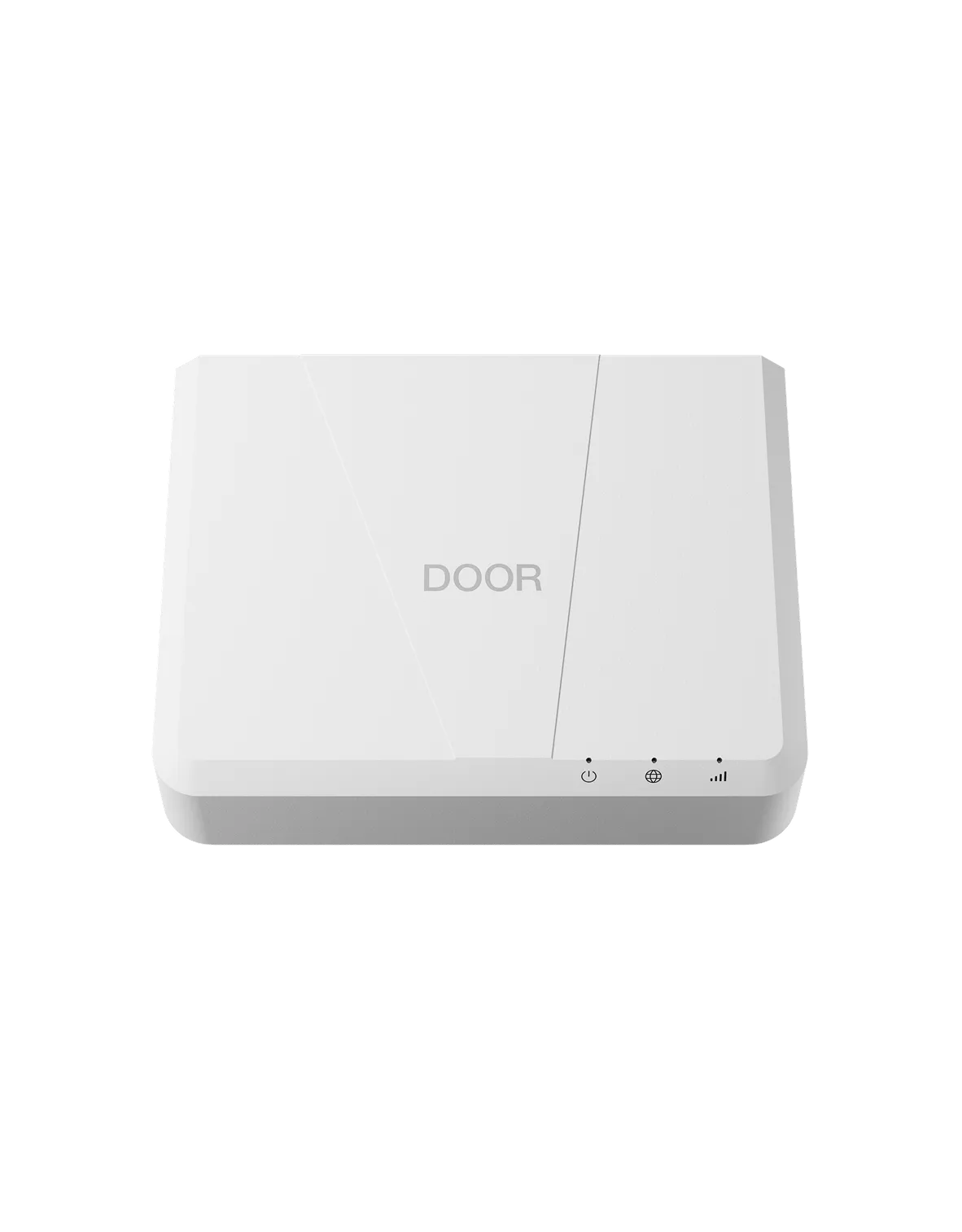
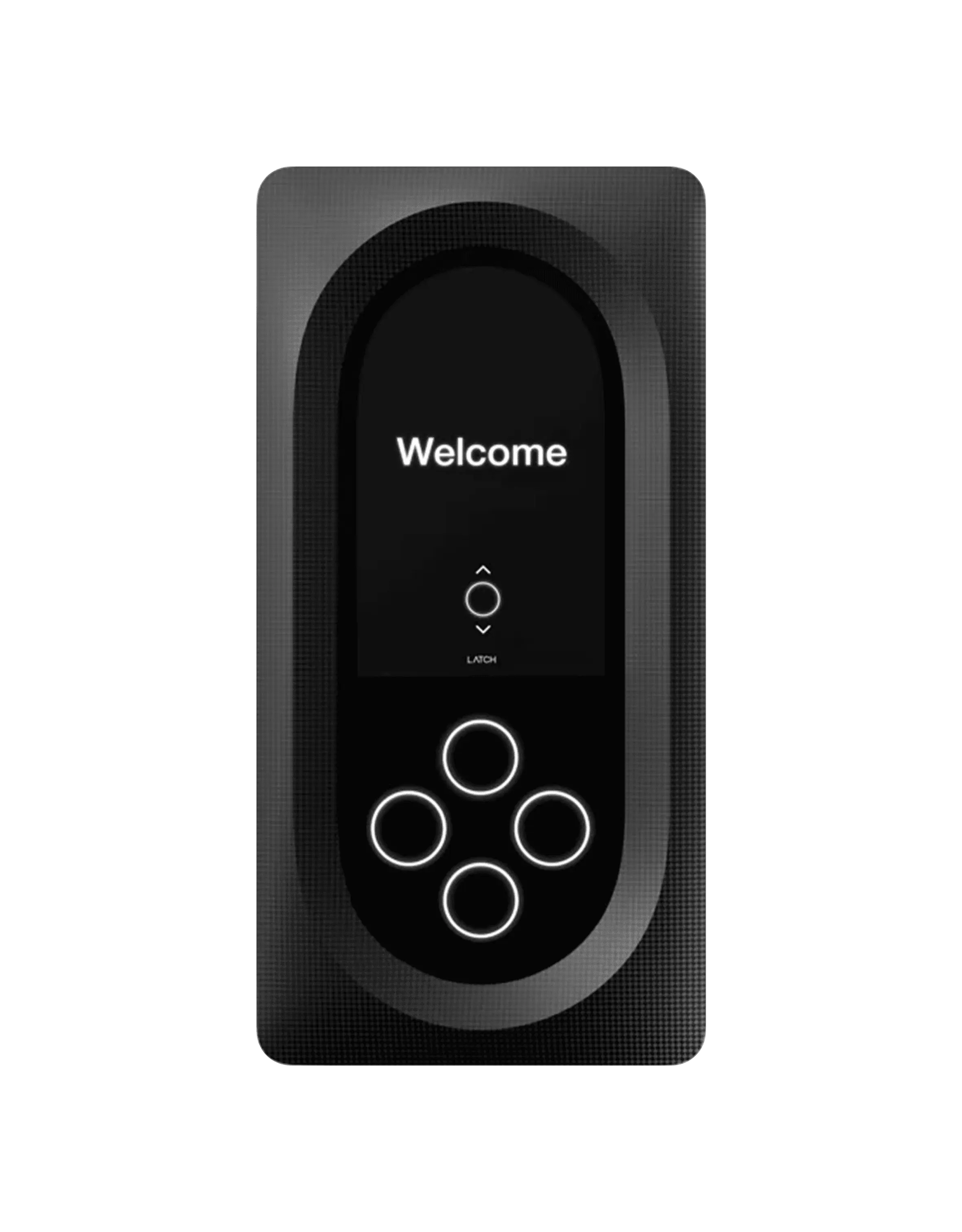
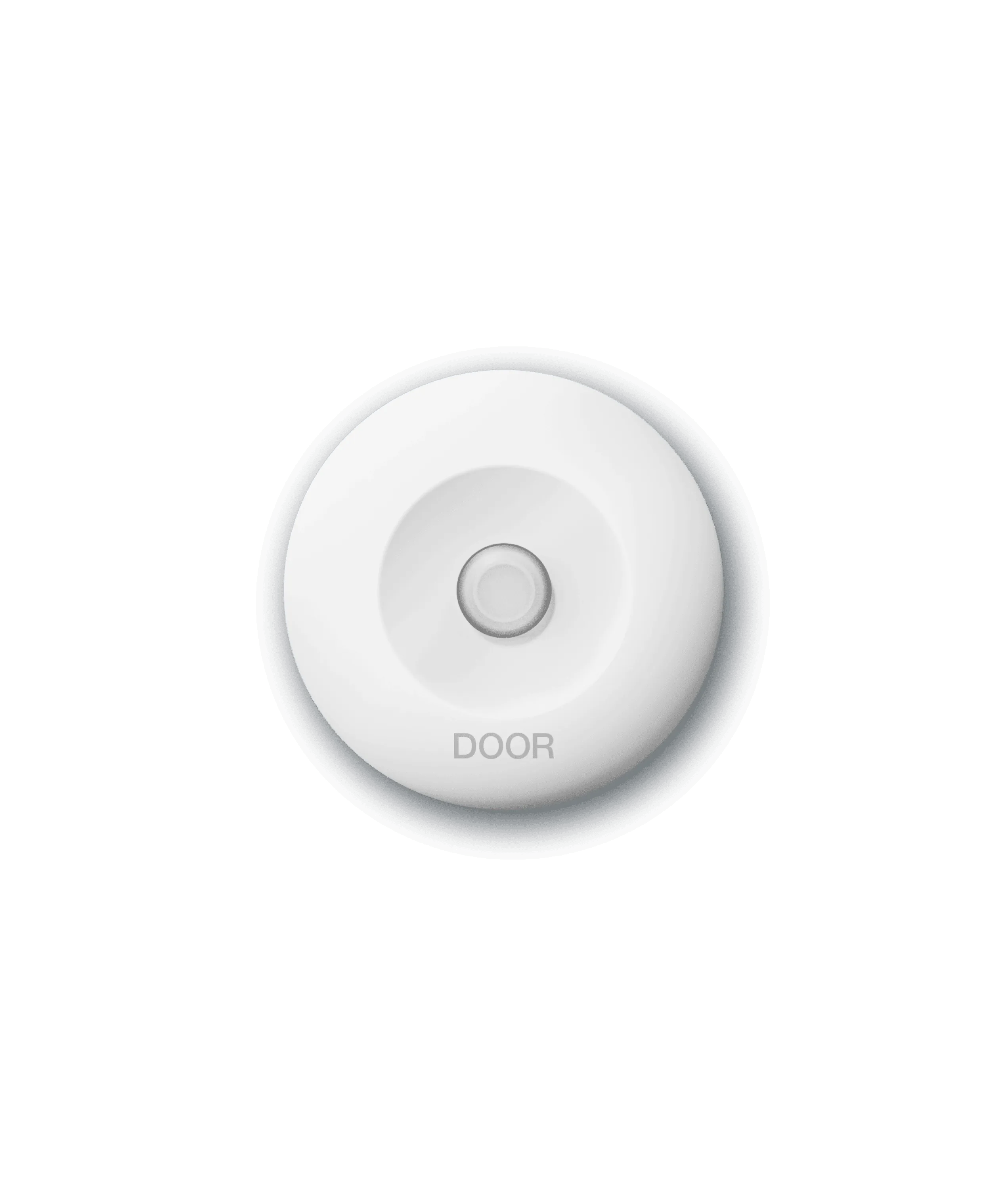
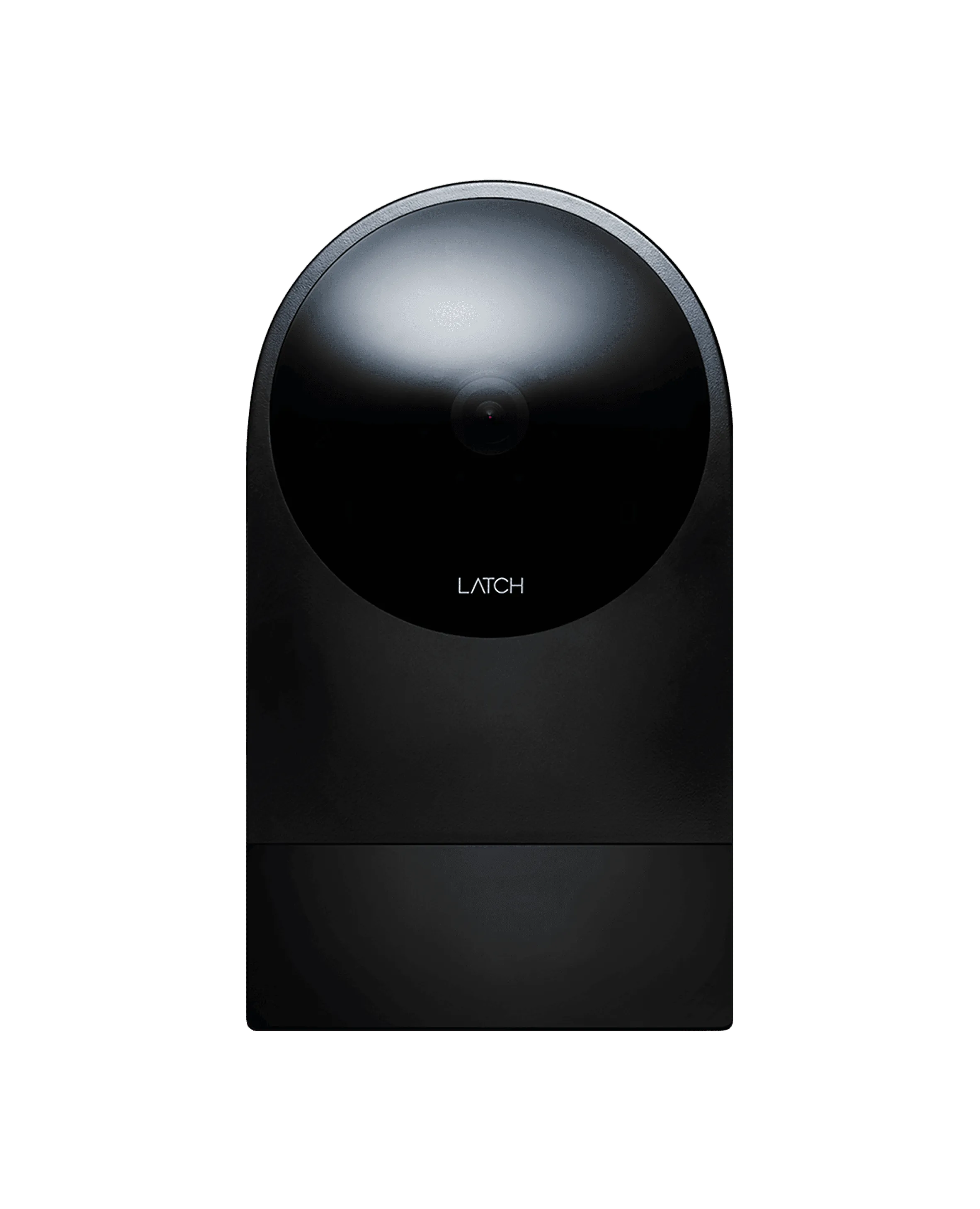
DOOR's multifamily smart locks, including the C2, M3, and Interconnect, are designed for different residential door configurations and building requirements.
Through DOOR OS, property teams can manage access, assign staff and vendor permissions, review activity history, and connect access workflows with leading property management systems.
But access is only one piece of the building's operational infrastructure.
DOOR brings smart locks together with Smart Home technology, connected sensors, and property data through one platform. Smart thermostats can help reduce energy waste in vacant units, while leak sensors can alert teams to potential problems before they become costly repairs.
Connecting these systems creates a foundation for Building Intelligence, helping operators reduce repetitive work, gain better visibility across their properties, and make more informed decisions that protect long-term asset value.
Frequently Asked Questions
Can you use a regular smart lock in an apartment building?
Some consumer smart locks can work on individual apartment doors, but they aren't necessarily designed for property-wide access management. Multifamily operators should evaluate security reporting, centralized administration, hardware compatibility, and applicable building requirements before selecting a system.
Are multifamily smart locks more secure than consumer smart locks?
Security depends on the individual product and its configuration. Enterprise multifamily smart lock systems typically offer additional administrative controls, including role-based permissions, access audit trails, and centralized credential management across multiple doors.
Do smart locks for apartments have audit trails?
Many multifamily smart lock systems maintain access histories showing when credentials were used and by whom, where identifiable. DOOR records credential types and failed unlock attempts while protecting residents' private unit-entry histories from routine property-manager visibility.
What are the best smart locks for apartment buildings?
The best smart locks for apartments support reliable entry, centralized access management, appropriate building code requirements, and integration with property operations. Explore our guide to the best smart locks for multi-tenant buildings for additional considerations.
Make Every Access Decision Work Harder
For multifamily operators, the right access infrastructure can reduce turnover work, simplify vendor coordination, improve accountability, and keep resident credentials aligned with lease information across the portfolio.
These efficiencies become even more valuable when access connects to broader building operations, helping teams manage more units without a proportional increase in administrative overhead.
DOOR brings those capabilities together in one platform, turning smart access into an operational advantage that supports stronger NOI and long-term asset performance.
Explore DOOR's smart locks for multifamily properties.
.webp)



.webp)
.webp)
.webp)

