


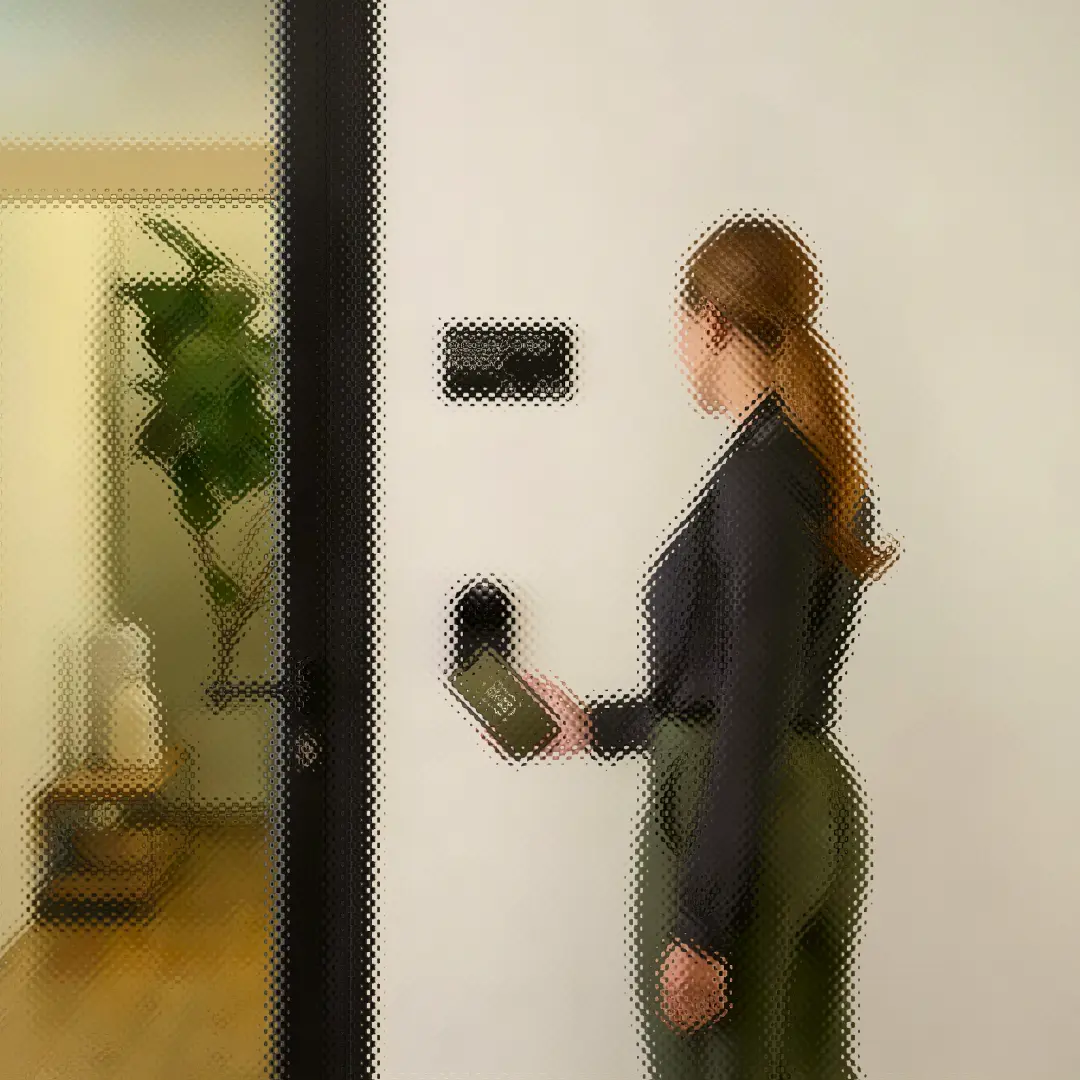
Access control has become foundational to how multifamily properties operate. It governs how residents, staff, vendors, and guests move through a building, and increasingly, it sits at the center of both security and day to day operations.
But access control is not just an operational decision. It is a compliance requirement that spans physical infrastructure, digital systems, and life safety standards.
This guide focuses specifically on access control compliance in multifamily buildings, including the physical and digital systems that manage entry, identity, and permissions. It covers key regulatory considerations such as accessibility requirements, fire safety standards, and egress rules, along with best practices for modern deployments.
It does not attempt to serve as a comprehensive legal guide. Topics like fair housing law, lease compliance, and broader regulatory frameworks are outside the scope. Instead, this article focuses on how access control systems themselves must function to meet compliance requirements in real world building environments.
The Risks of Access Control Non-Compliance in Multifamily Buildings
Access control compliance is not just a regulatory checkbox. When systems fall short, the consequences can impact safety, operations, and long term asset performance.
In multifamily environments, where access systems are used constantly by residents, staff, and vendors, even small gaps in compliance can scale quickly across an entire property or portfolio.
When access control systems fail to meet required standards, properties may face:
- Regulatory and legal exposure
Non-compliant systems can trigger fines, failed inspections, or required system replacements, often on tight timelines and at significant cost. - Life safety risks during emergencies
Improperly designed locks or access workflows can interfere with egress, delaying exit during fires or other emergencies and putting residents at risk. - Increased financial and insurance pressure
Compliance gaps can lead to higher insurance premiums, denied claims, or unplanned capital expenditures. - Operational disruption and inefficiency
Systems that do not meet compliance requirements often require manual workarounds, slowing teams down and increasing the likelihood of errors. - Erosion of resident trust and property reputation
Access issues tied to safety or reliability directly impact how residents perceive the building and its management.
These risks reinforce a broader reality. Access control is not just a security decision. It is a foundational part of how a building operates, and compliance ensures it performs reliably under all conditions.
What Is Access Control Compliance?
Access control compliance refers to the standards and requirements that govern how access systems are designed, implemented, and operated within a building. It spans both physical infrastructure and digital identity systems, and both must work together to meet modern requirements.
For the purposes of this blog, we will be reviewing access control compliance as it applies specifically to multifamily buildings, with a focus on how physical access systems, smart locks, and digital credentialing must function to meet regulatory, safety, and accessibility requirements.
On the physical side, compliance includes doors, locks, entry hardware, and exit mechanisms. These components must meet building codes, fire safety standards, and accessibility requirements. On the digital side, compliance includes how access is granted, tracked, and revoked, including credential management, audit trails, and system security.
At its core, access control compliance ensures that the right individuals can access the right spaces at the right time, while maintaining safety, traceability, and reliability.
Modern systems extend this further by creating verifiable records of access events, supporting both operational oversight and compliance documentation. As these systems evolve, access control is increasingly tied to identity and real time building data, forming the foundation for what is often referred to as building intelligence, a connected approach where access, devices, and operational workflows work together to improve visibility, automate processes, and help properties run more efficiently at scale.
To explore this concept further, read our guide on Beyond Smart Buildings: The Era of Building Intelligence.
Why Access Control Compliance Matters in Multifamily
Multifamily properties operate at a level of complexity where access control must work consistently across a wide range of conditions. A single building may include hundreds of doors, multiple entry points, shared amenities, and a constant flow of residents, staff, and vendors. Across a portfolio, that complexity multiplies, making consistency and standardization critical.
In this environment, compliance is not just a requirement, it is what ensures systems perform reliably in everyday use and under edge conditions. Doors must open the same way every time, across every unit and common space, without introducing friction for residents or risk for operators.
This is especially important when considering life safety and accessibility requirements. Standards like ADA compliance and single motion egress are designed to ensure that buildings function properly for all residents, including during emergencies. When access systems are aligned with these requirements, they support safe, predictable outcomes. When they are not, even small inconsistencies can create operational and regulatory challenges.
Compliance also enables properties to maintain consistency across teams, buildings, and markets. As portfolios grow, operators need systems that can be deployed and managed in a standardized way, with clear expectations for how access is granted, used, and controlled.
For multifamily operators, access control compliance is ultimately about ensuring that buildings function as intended at scale, supporting safety, usability, and operational consistency without adding complexity.
Core Access Control Compliance Frameworks (Digital Layer)
.webp)
While physical infrastructure is essential, access control compliance also includes a digital layer that governs how identities and permissions are managed.
Modern systems rely on role based access control, assigning permissions based on user roles within the property. Following the principle of least privilege, individuals are only granted access to the areas necessary for their role. This reduces risk and limits exposure across the property.
Audit trails create a record of every access event, supporting compliance reporting and investigations. Additional measures like multi factor authentication and encryption protocols help protect against unauthorized access and data breaches.
These controls are important, but they represent only one part of compliance. Without the right physical infrastructure and life safety alignment, digital systems alone cannot ensure full compliance.
ADA Compliance for Multifamily Access Control Systems
The Americans with Disabilities Act establishes requirements to ensure buildings are accessible to all individuals. Access control systems must align with these standards, particularly at entry points and in common areas.
Compliance includes both hardware and usability. Doors and locks must be operable with one hand and should not require tight grasping, pinching, or twisting. The force required to open doors must also remain within acceptable limits.
Accessibility also extends beyond physical hardware. Systems must be usable by all residents, which means access methods cannot rely on a single form of technology.
Requirements for Smart Locks and Access Points
As smart locks become more common in multifamily buildings, compliance requirements are becoming more specific. Accessibility is not just about how a door is opened physically. It also applies to how access is granted.
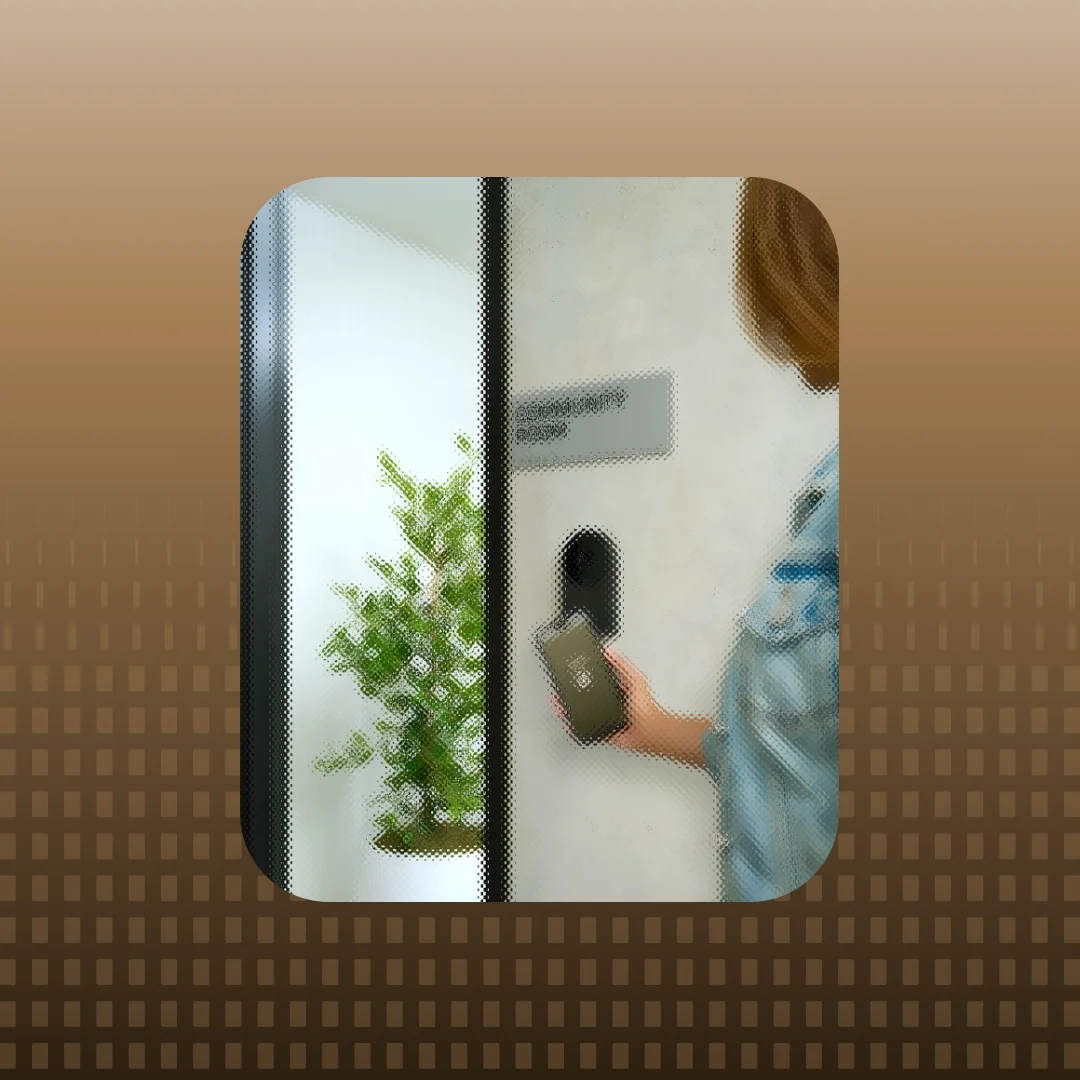
In some jurisdictions, laws explicitly require that residents are not forced to rely solely on mobile applications to access their homes. For example, in Oregon, legislation was passed to prevent landlords from requiring tenants to use a smartphone app as the only method of entry. Residents must be provided with an alternative access method that does not depend on a personal device.
This has important implications for system design. A compliant access control system should support multiple credential types, including:
- Mobile access for convenience
- Key cards or fobs for accessible, non-device-based entry
- PIN codes or other alternative methods
Providing multiple access options ensures that residents can enter their homes regardless of device availability, technical limitations, or personal circumstances. It also reduces risk for operators by preventing reliance on a single access method.
Systems that rely exclusively on app based access may create compliance issues in certain markets and should be evaluated carefully.
Single Motion Egress: A Critical Life Safety Requirement
Single motion egress means that a person can exit a space by performing one simple action, such as turning a lever or pushing a handle, without needing keys, codes, or multiple steps. This requirement is designed to ensure that occupants can leave quickly and safely during an emergency.
Single motion egress is a requirement in widely adopted building and fire safety codes, including the International Building Code and NFPA Life Safety Code, for most residential occupancies.
In multifamily buildings, this applies directly to unit entry doors and other points of exit. Access control systems must be designed so that they do not interfere with this requirement.
Locks or systems that require multiple actions, depend on connectivity, or introduce friction into the exit process can create serious safety risks and may violate code requirements.
Fire-Rated Smart Locks and Compliance
In multifamily buildings, many doors are part of fire rated assemblies designed to contain fire and smoke for a specified period of time. Any hardware installed on these doors, including smart locks, must be certified to meet those same standards.
For smart locks, this typically means compliance with UL 10B and UL 10C fire testing standards. A 90 minute fire rating indicates that the lock has been tested and approved to perform on a fire rated door assembly for up to 90 minutes without compromising its integrity.
This is critical because improperly rated or installed locks can invalidate the fire rating of the entire door assembly, creating both safety risks and compliance violations.
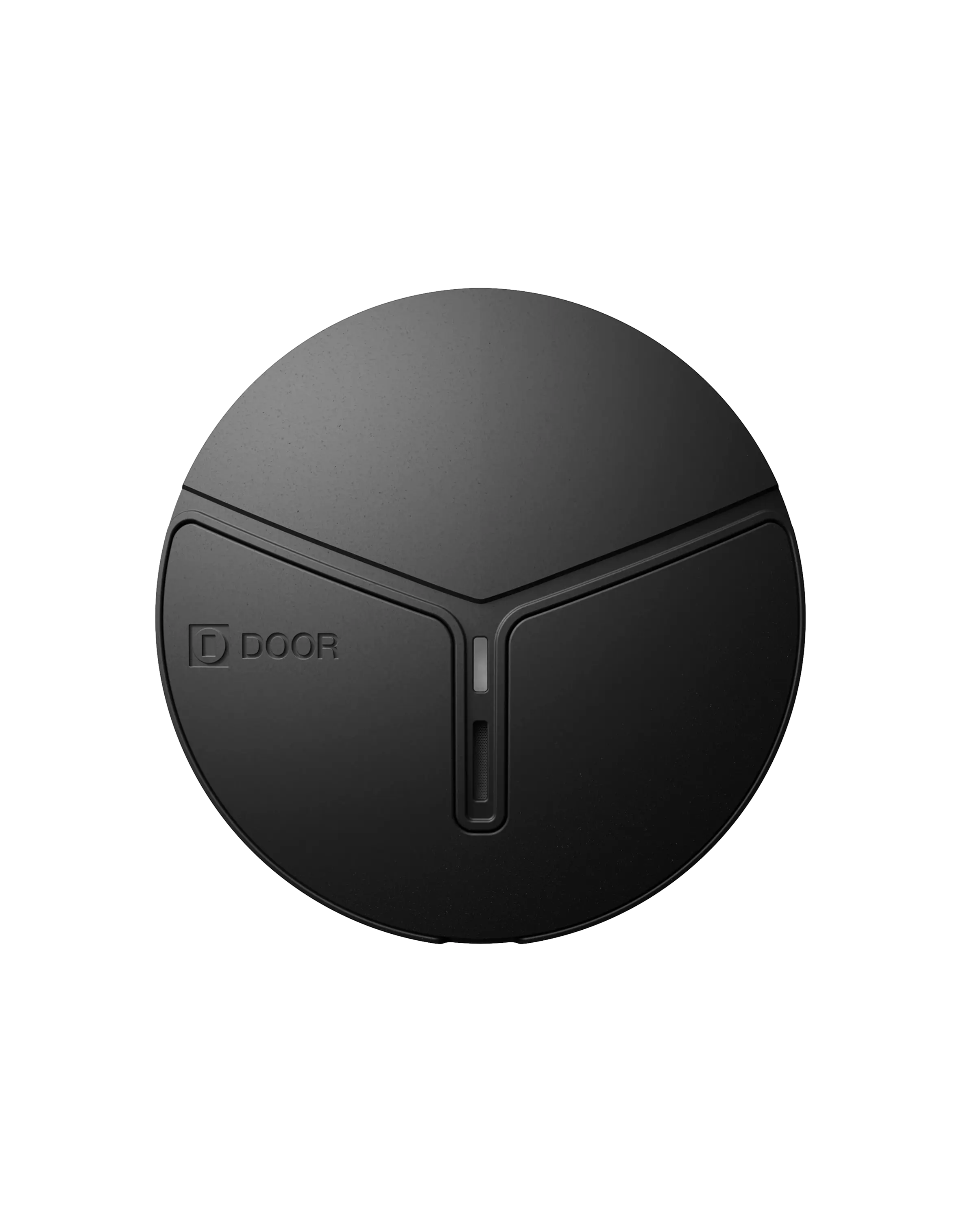
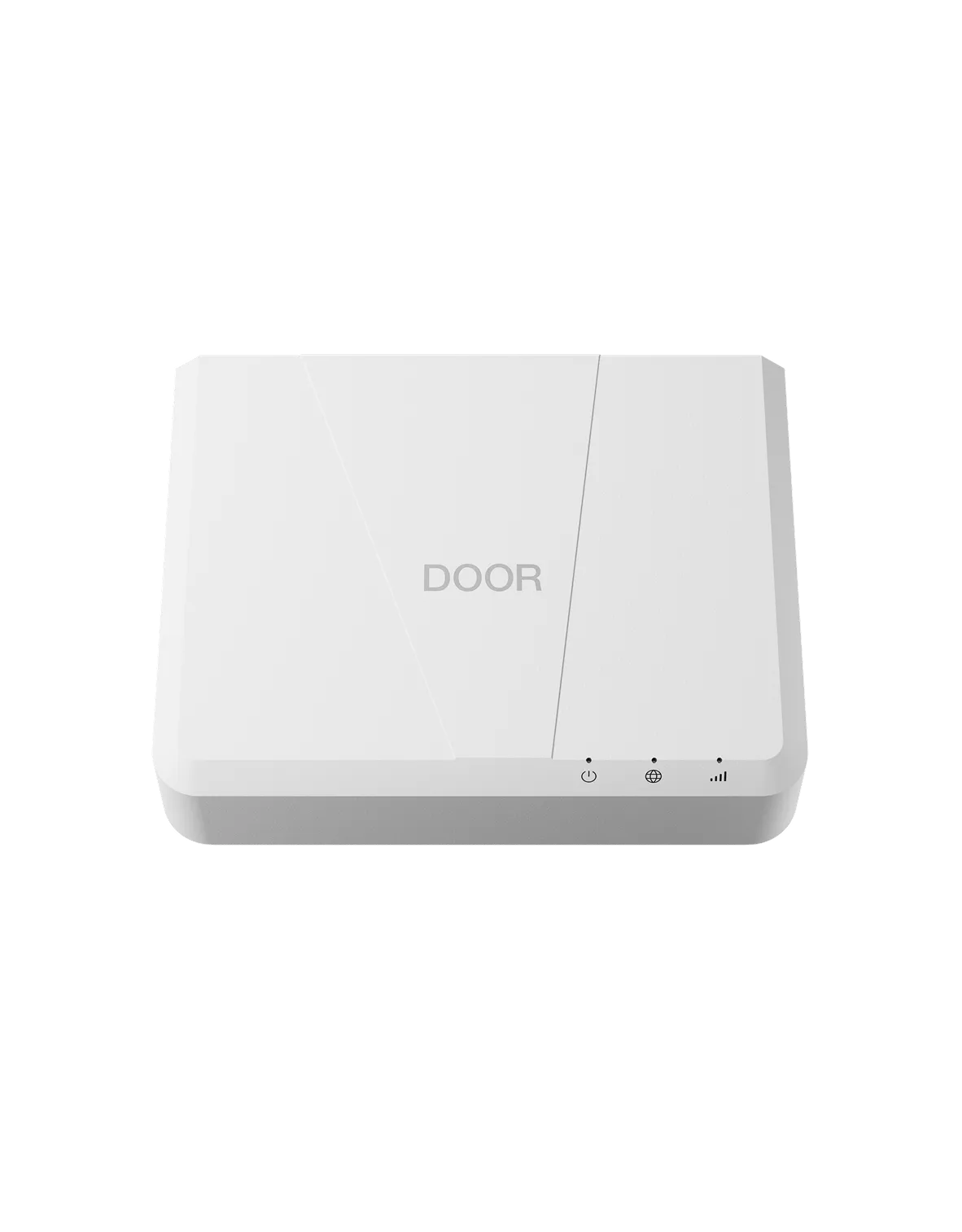
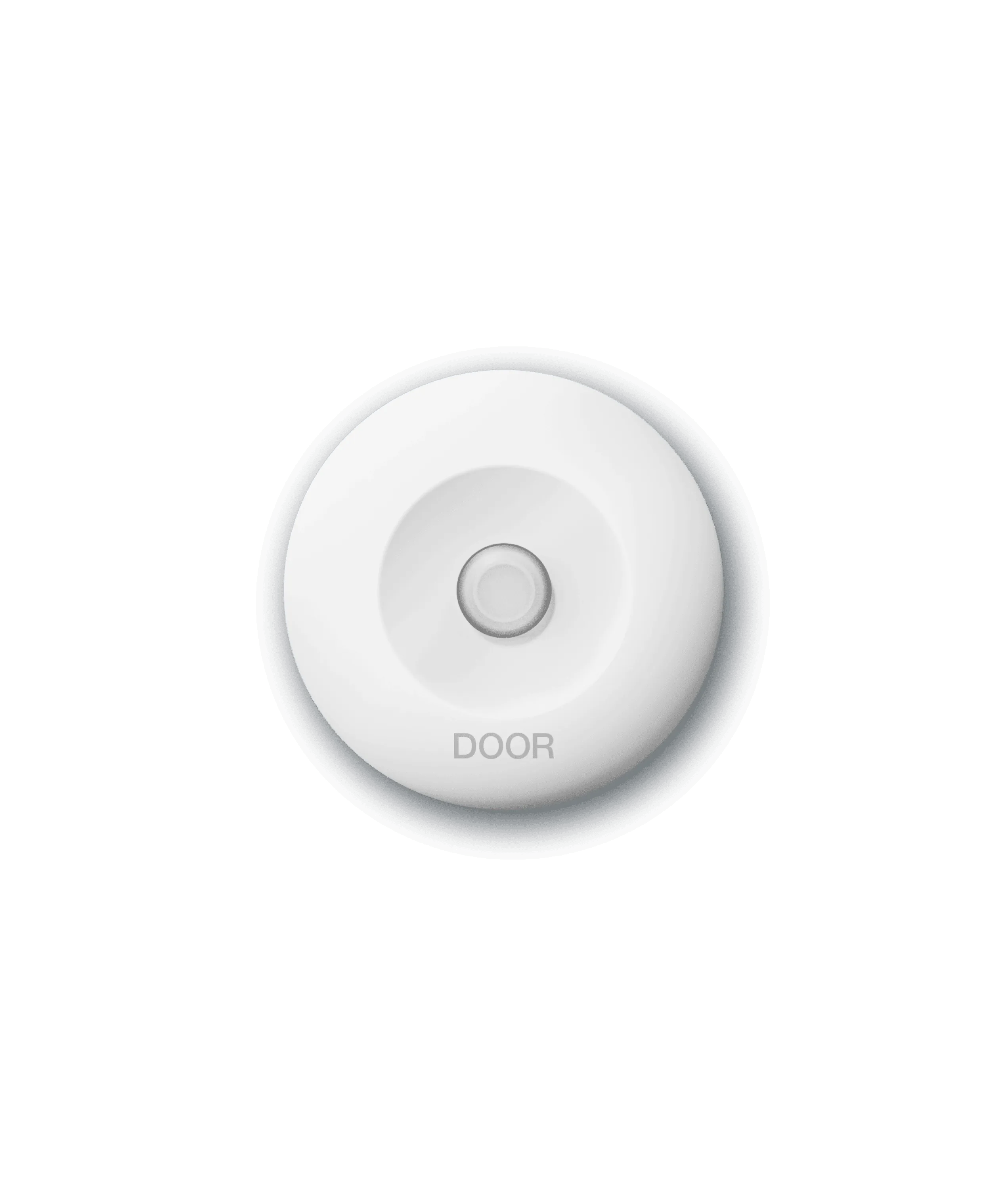
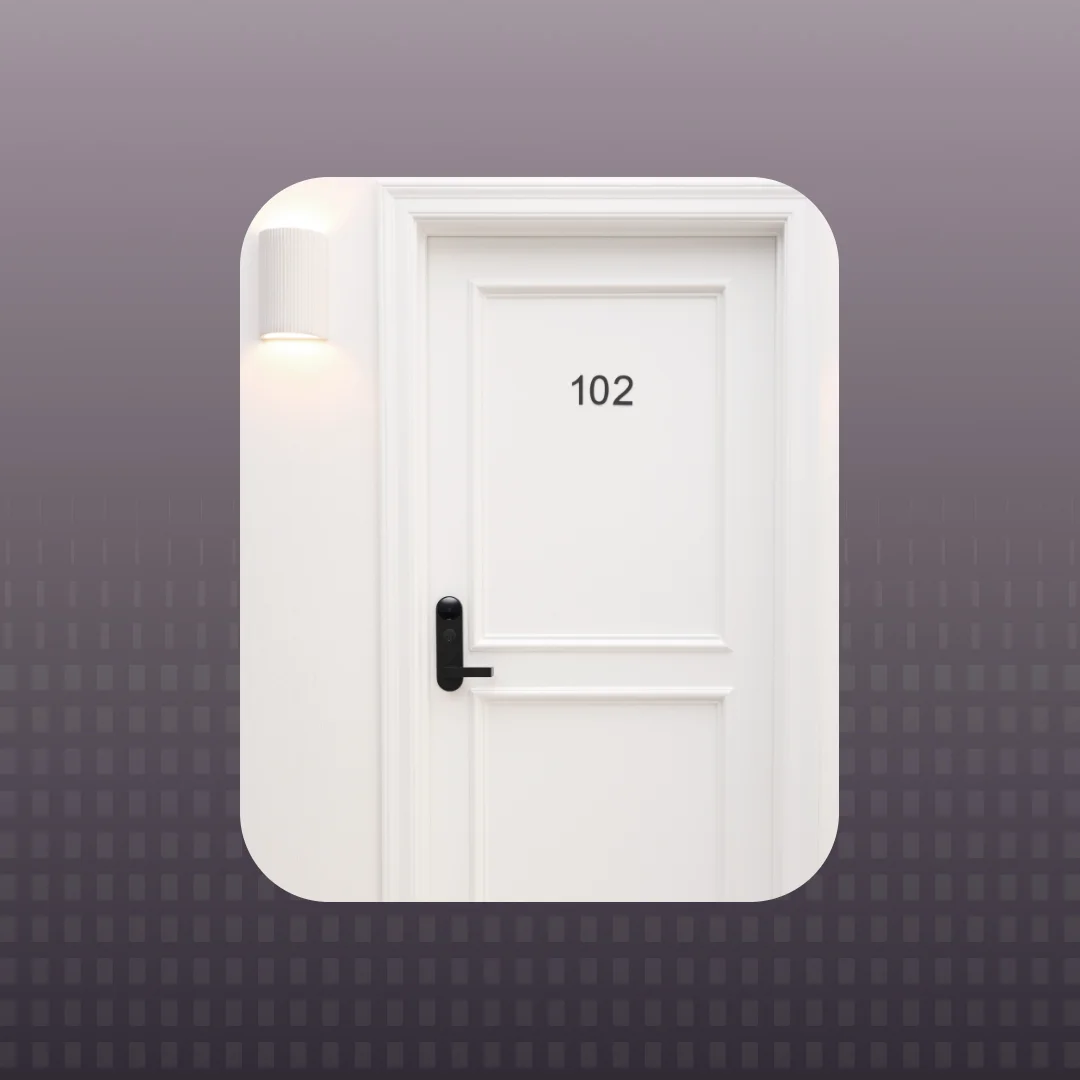
All DOOR smart locks are certified with a 90 minute fire rating under UL 10B and UL 10C standards. This ensures they can be deployed on fire rated doors while maintaining compliance with building and fire codes.
Best Practices for Access Control Compliance in 2026
Meeting access control compliance requirements requires a holistic approach that connects hardware, software, and operations.
Properties should prioritize centralized access management, allowing teams to control permissions, monitor activity, and enforce policies across the entire building or portfolio. Credential lifecycle management ensures access is aligned with real world events like move ins, move outs, and vendor visits.
Hardware selection should account for accessibility, fire safety, and egress requirements from the start, rather than treating compliance as an afterthought. At the same time, systems should provide clear audit trails and support flexible credentialing.
When these elements are aligned, access control becomes a scalable operational foundation rather than a source of risk or inefficiency.
Why DOOR
Access control compliance is not achieved through software alone. It depends on how hardware, doors, and real world workflows function together every day.
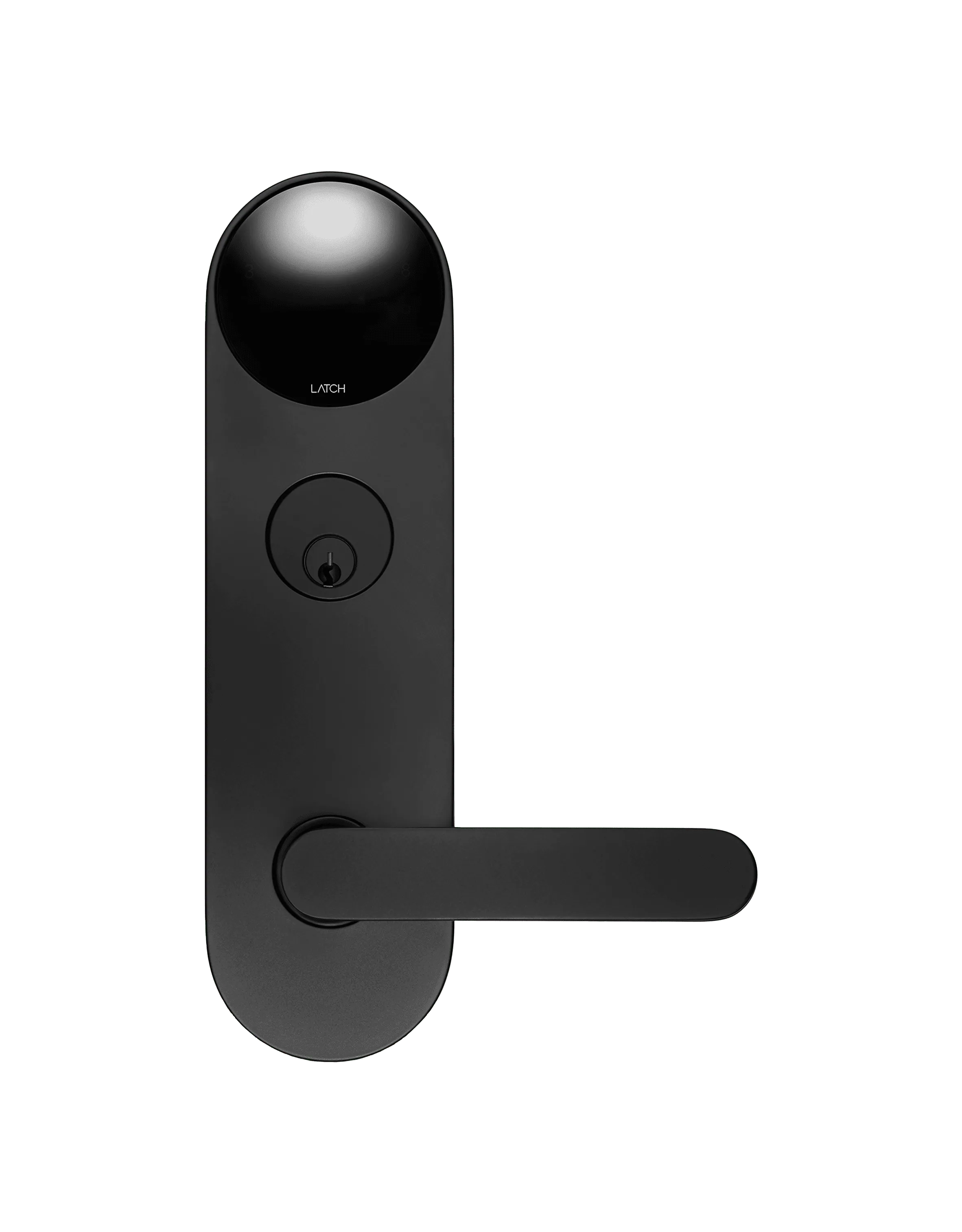
DOOR smart locks are designed to meet critical life safety standards, including support for single motion egress, enabling residents to exit quickly and safely in emergency scenarios. All DOOR smart locks are also certified with a 90 minute fire rating under UL 10B and UL 10C standards, supporting use on fire rated doors without compromising compliance.
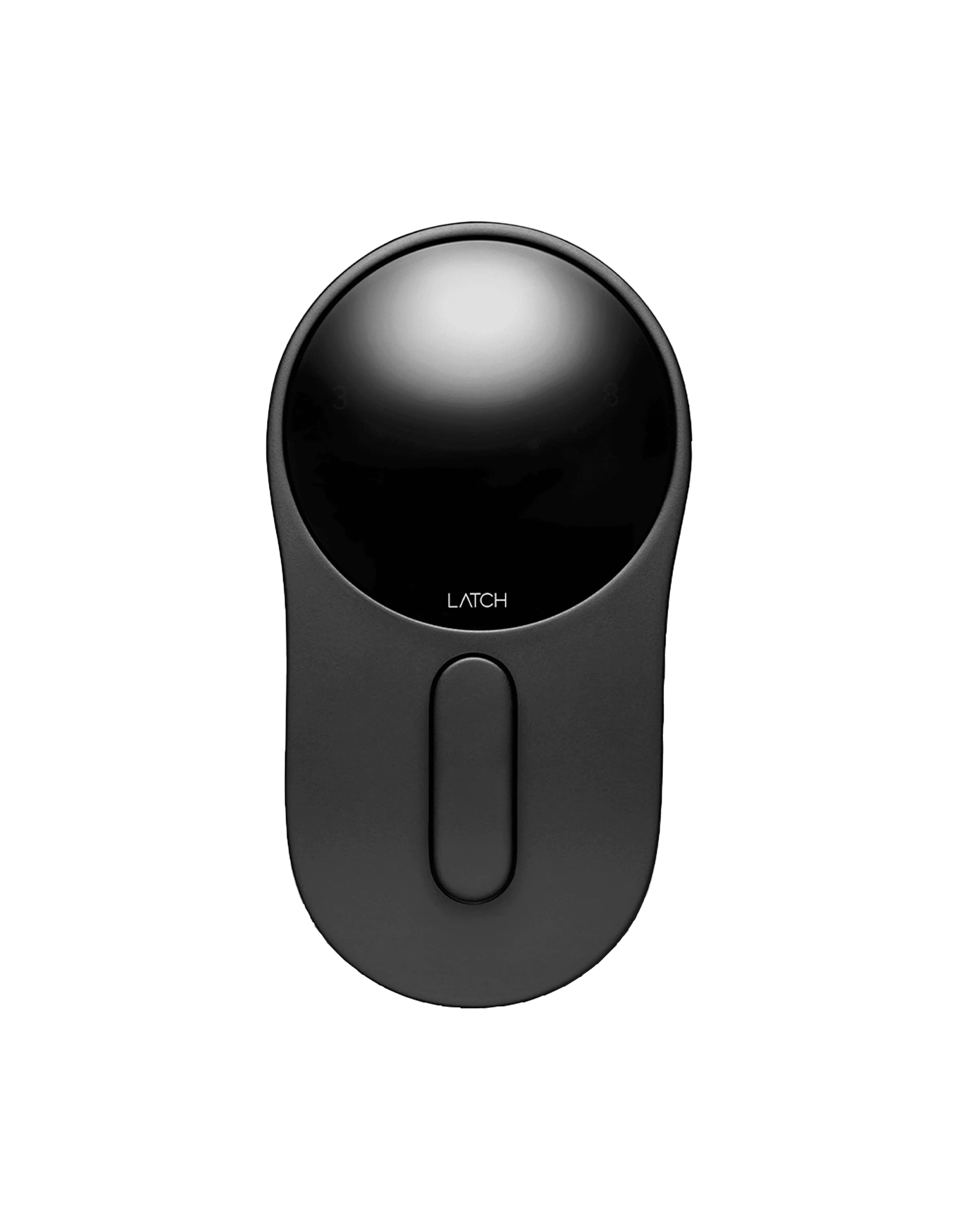
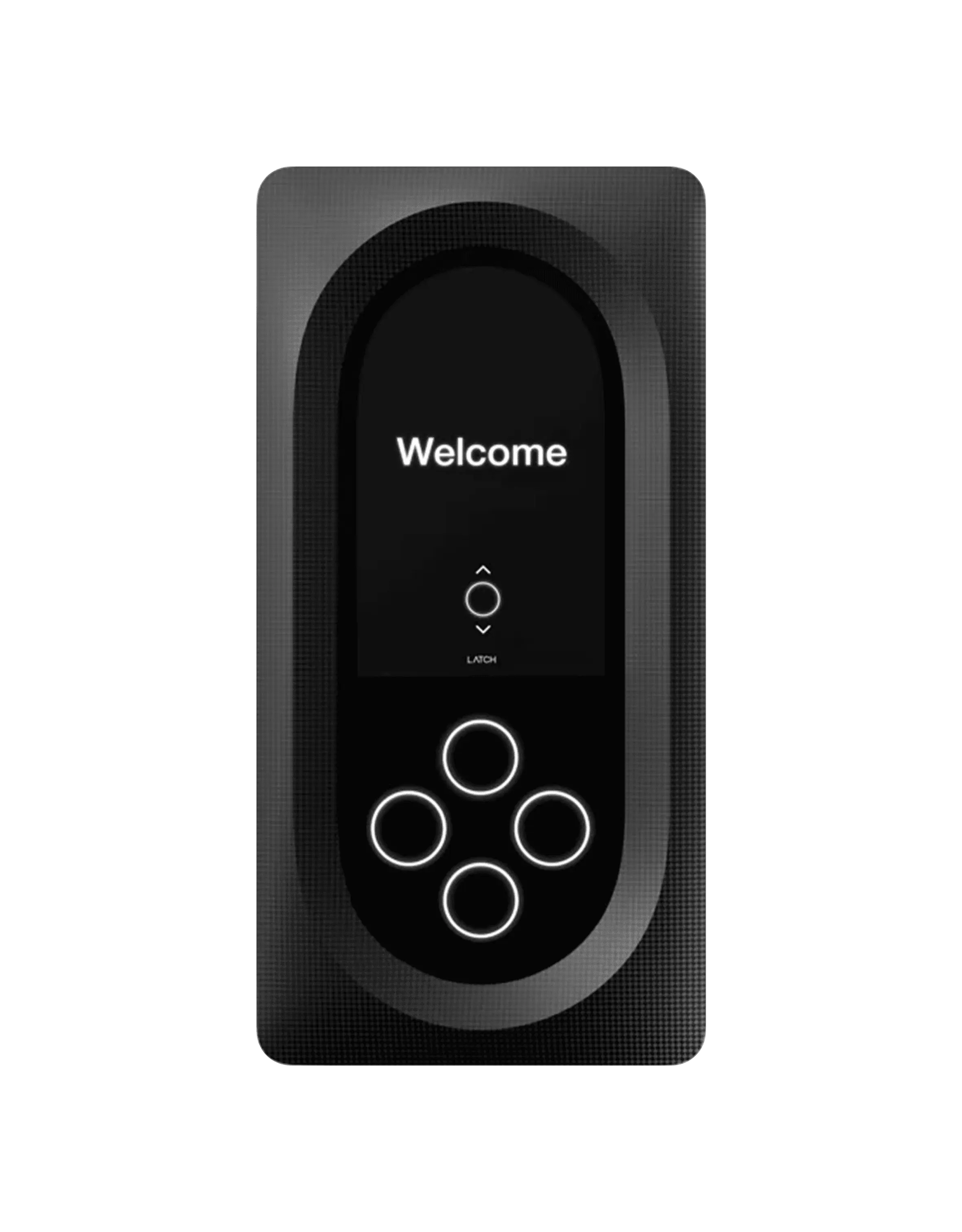
Accessibility is built into the system design. DOOR supports multiple credential types, including mobile access, key cards, and PIN codes, helping properties meet accessibility requirements and accommodate a wide range of resident needs and local regulations.
By combining compliant hardware with a unified platform for identity, access, and automation, DOOR helps operators create environments that are secure, accessible, auditable, and built to scale.
Frequently Asked Questions About Access Control Compliance
What is access control compliance?
Access control compliance refers to the standards that govern how access to a building is managed. It includes both physical systems such as locks and doors and digital systems such as credentials, permissions, and access logs.
Why is access control compliance important in multifamily buildings?
It ensures systems function safely during emergencies, meet accessibility requirements, and provide clear auditability. Without compliance, properties risk safety issues, operational disruption, and regulatory penalties.
What are compliance requirements for access control systems?
- Accessibility requirements
- Fire rated hardware compliance
- Single motion egress standards
- Role based access control and audit logs
What is single motion egress?
Single motion egress means a door can be opened with one simple action without keys or multiple steps. It is required for life safety and emergency exit compliance.
Do smart locks need to meet accessibility requirements?
Yes. Smart locks must be usable by all residents and should support multiple credential types such as key cards or PIN codes to ensure accessibility.
Are all smart locks compliant with fire rated doors?
No. Only locks that are specifically tested and certified under standards such as UL 10B and UL 10C should be used on fire rated doors.
Regulatory and Standards References
Access control compliance is shaped by accessibility requirements and building and fire safety codes. For additional detail:
- ADA Accessibility Guidelines (ADA.gov)
https://www.ada.gov/law-and-regs/design-standards/ - NFPA 101 Life Safety Code Overview
https://www.nfpa.org/codes-and-standards/all-codes-and-standards/list-of-codes-and-standards/detail?code=101 - International Building Code Overview
https://www.iccsafe.org/products-and-services/i-codes/2018-i-codes/ibc/
.webp)



.webp)
.webp)
.webp)

