Brivo is an established cloud-based access control provider offering security, video surveillance, and smart building technology for commercial and residential properties. But for multifamily owners and operators, choosing an access control system should involve more than comparing security features and subscription costs.
The quick verdict: Brivo pricing is quote-based, with subscription costs varying by edition, hardware, credentials, and additional services. Its security-focused platform is a strong option for properties prioritizing access control and surveillance. However, DOOR is the better fit for multifamily operators seeking a more complete building operations platform, combining purpose-built access hardware, Smart Home technology, automated workflows, and Building Intelligence in one connected ecosystem.
Here's what owners and operators should consider before choosing between the two.
How Much Does Brivo Cost?
Brivo does not publish standard subscription prices for its Security Suite. Instead, buyers work with authorized resellers to obtain quotes based on their building requirements, selected software edition, access hardware, and optional capabilities.
Brivo offers four Security Suite editions:
Edition
Primary focus
Standard
Core cloud access control and video integration
Professional
Additional integrations, administrative tools, and reporting
Enterprise
Advanced security management for larger, multi-site organizations
Multifamily
Residential access management with PMS integrations and mobile credentials
The Multifamily Edition includes the Standard Edition's core functionality, up to 30 administrators, 500 Brivo Mobile Passes, and property management system integrations.
However, software subscriptions are only one component of Brivo access control pricing.
What Affects Brivo Access Control Costs?
Total project costs can include:
Software subscriptions: Monthly or annual fees based on the selected edition and features.
Access control hardware: Controllers, readers, compatible electronic locks, and related equipment.
Brivo Mobile Pass: Mobile credentials, with quantities included in certain editions and additional requirements to confirm in the quote.
Installation: Labor, cabling, configuration, and any necessary infrastructure upgrades.
Additional capabilities: Video surveillance, advanced reporting, monitoring, and other available feature packs.
For multifamily operators, the most important consideration is how those expenses scale across residential units, common areas, and additional properties.
A system that looks competitive on a per-door basis may require other technology investments to support smart apartments, leasing workflows, and building operations.
That's why evaluating total cost of ownership (TCO) is more useful than looking at the subscription price alone.
What Features Does Brivo Offer Multifamily Properties?
Brivo has spent decades developing cloud-based access control technology and offers a broad set of capabilities through its Security Suite and integrated products.
Cloud-Based Access Control
Brivo allows property teams to manage credentials, access permissions, schedules, and activity logs remotely. It supports mobile credentials, keycards, and other access methods across compatible hardware.
For properties managing multiple buildings, centralized administration can reduce manual credential management and improve visibility across access points.
Brivo Smart Home and Residential Access
Brivo Smart Home extends the company's access offering into individual apartments through supported smart locks and connected devices.
Brivo has also expanded its multifamily capabilities through integrations with dormakaba locks and Resideo Wi-Fi thermostats, bringing additional lock monitoring, guest management, and temperature controls into its platform.
Video Surveillance and Intercoms
Brivo's security offering includes video capabilities through Eagle Eye Networks, alongside visitor management and video intercom functionality.
Its Swiftlane-powered intercom integration allows residents to receive visitor calls and grant entry through Brivo Mobile Pass.
Property Management System Integrations
Brivo supports integrations with property management systems including Yardi, RealPage, Entrata, and Rent Manager. These connections help streamline resident provisioning and access management.
Where Brivo performs well: Brivo is particularly compelling for properties with sophisticated physical security requirements, commercial and residential spaces, or an existing investment in compatible access infrastructure.
The question for multifamily owners isn't whether Brivo offers these capabilities. It's whether a security-first platform is the best foundation for the property's broader operational needs.
Brivo vs. DOOR: Which Is Better for Multifamily?
Brivo and DOOR both provide cloud-based access control, mobile credentials, and technology that supports modern residential properties.
The biggest difference is how their platforms are designed.
Brivo approaches multifamily primarily through security and access management. DOOR approaches it through the entire operation of a residential building, with access as one part of a broader Building Intelligence platform.
That distinction affects the hardware operators install, the workflows property teams manage, and the long-term value they can capture from their technology investments.
Feature
Brivo
DOOR
Primary focus
Cloud access control and physical security, including multifamily
Building Intelligence and connected multifamily operations
Hardware approach
Controllers, readers, and compatible third-party hardware
First-party smart locks, access readers, and intercom hardware
Residential access
Brivo Smart Home and compatible wireless locks
Residential smart locks connected through DOOR OS
Building access
Cloud-managed access, visitor management, and intercom integrations
R2, DOOR Intercom, Link, and connected access management
Smart Home
Supported thermostats, locks, and connected devices
Thermostats, sensors, lighting, and automation through DOOR OS
Building-condition monitoring
Security, video, device status, and supported environmental monitoring
Smart Home monitoring and Scout building-condition insights
Capabilities depend on hardware, software edition, integrations, and deployment configuration.
1. Built Around Multifamily Operations, Not Just Physical Security
Brivo's roots are in enterprise access control. Its platform is designed to manage who can enter a space, when they can enter, and how access activity is monitored.
Those capabilities are important in multifamily buildings, but property teams have additional responsibilities.
They need to coordinate move-ins and move-outs, manage vendor access, prepare vacant units, support leasing teams, and respond to maintenance issues, often across hundreds or thousands of apartments.
DOOR is built around these residential workflows.
Through DOOR OS, operators manage access across apartment units, entrances, elevators, and amenities while connecting that information to broader building systems.
For example, when resident and lease information changes in a connected PMS, DOOR can use that data to help provision or revoke access without requiring property staff to repeat the same work in another system.
Brivo also supports PMS-driven access workflows. DOOR's advantage is the larger residential operating environment around that access, including connected Smart Home devices, unit status, and building-condition information.
For teams managing leaner operations across growing portfolios, this creates opportunities to reduce repetitive work and standardize processes.
2. First-Party Hardware Designed to Work Together
Another important distinction is the relationship between hardware and software.
Brivo supports a broad network of compatible hardware providers and technology partners. This flexibility can be valuable for properties looking to preserve existing investments.
DOOR takes a more vertically integrated approach to its core access system.
DOOR designs and develops its own residential smart locks, readers, intercom hardware, firmware, and management software. That means the key components of its access platform are designed to work together, rather than relying exclusively on separate technology providers and integrations.
Its building access lineup includes:
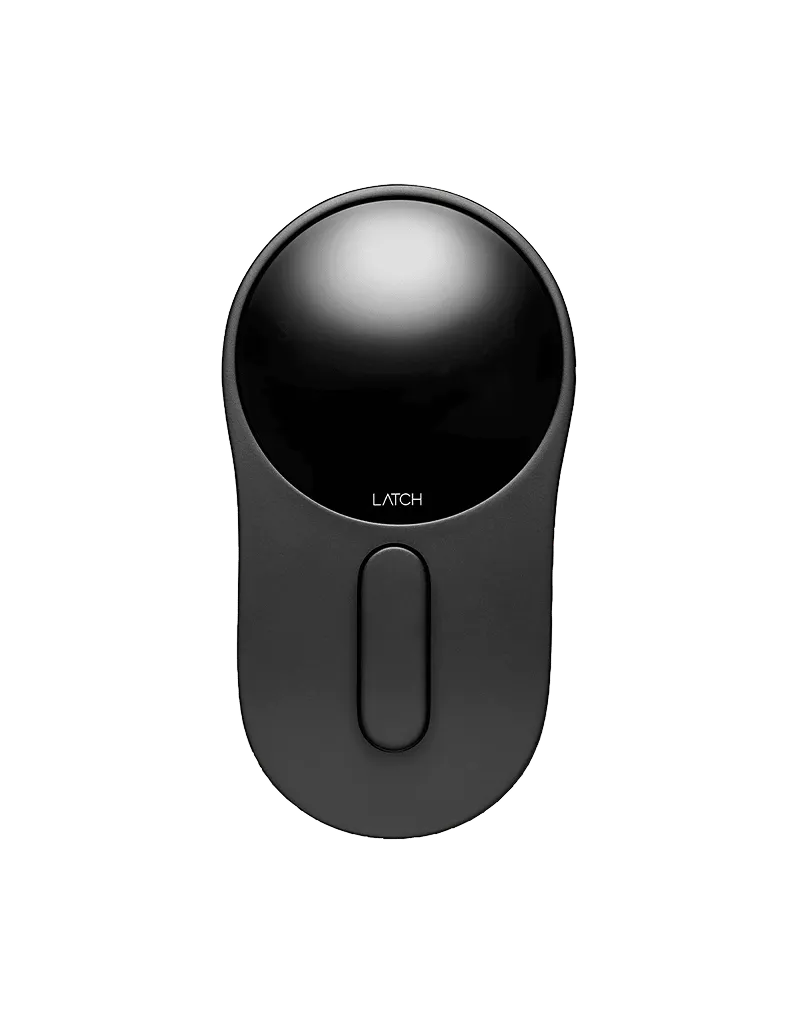
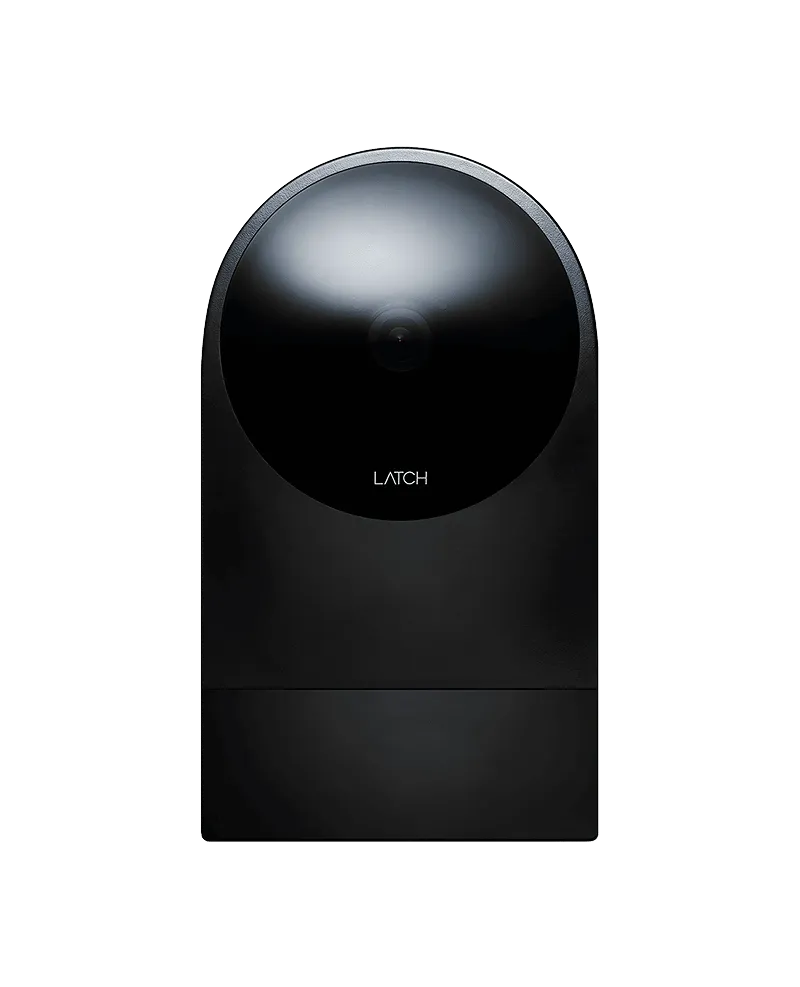
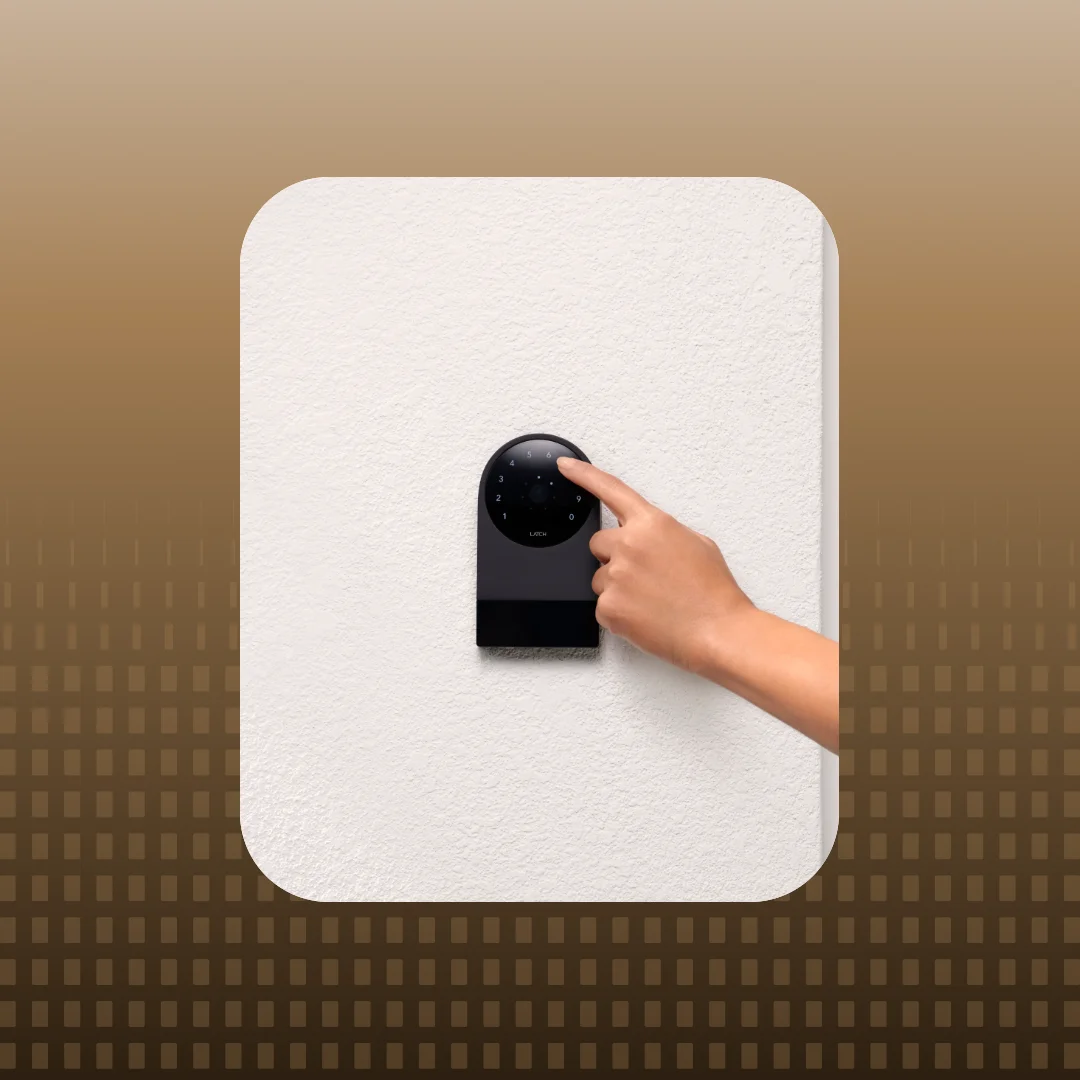
DOOR R2: A smart reader for entrances, amenities, elevators, and shared spaces. For compatible installations, R2 can operate without a separate centralized access controller, simplifying hardware requirements.
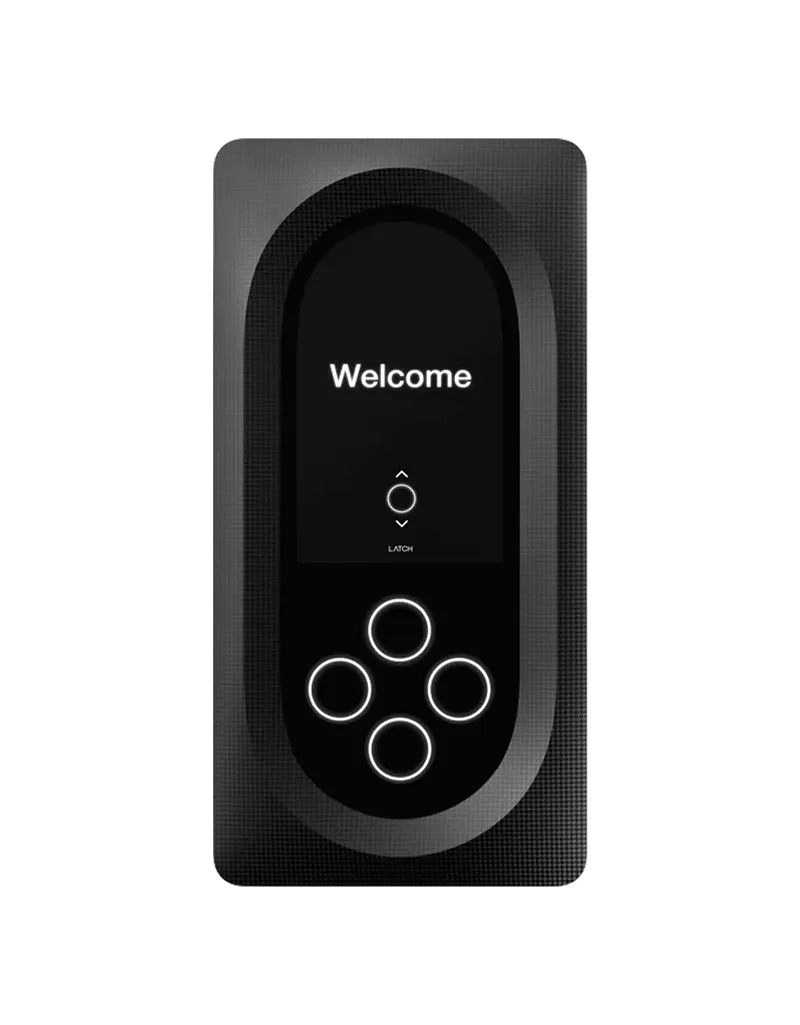
DOOR Intercom: A video and audio entry system that works with DOOR's access ecosystem and allows residents to manage visitor entry through the DOOR App.
DOOR Link: A QR-based virtual intercom for secondary entrances and service areas that does not require power or wiring.
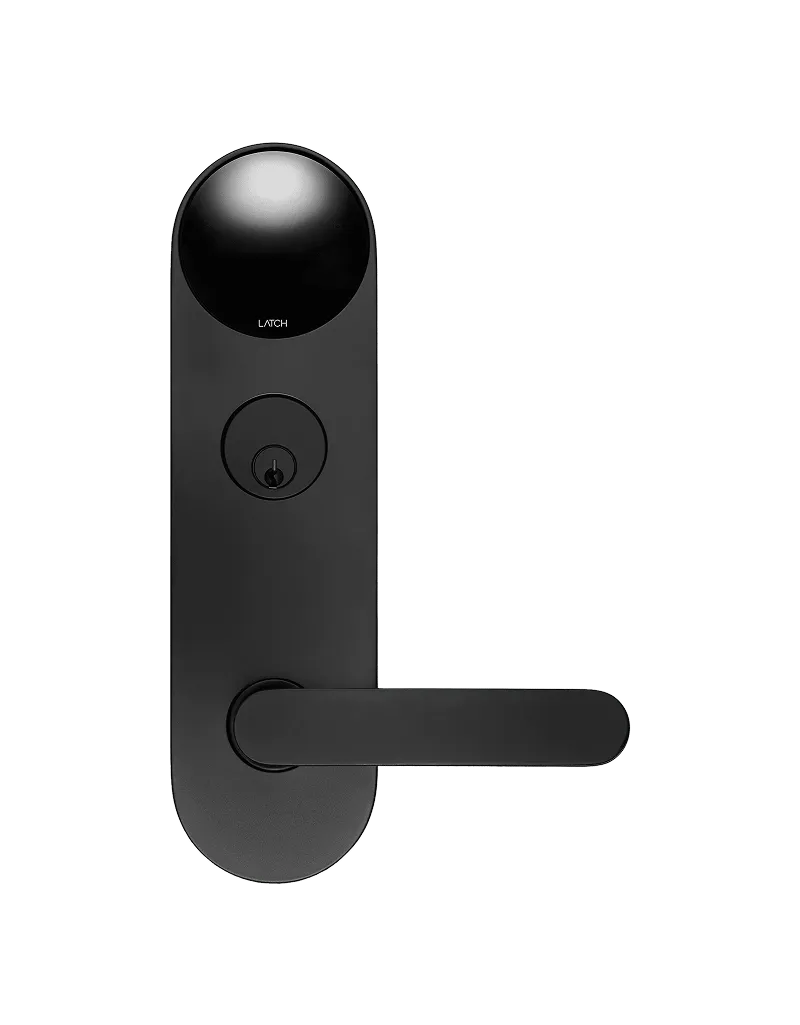
DOOR also offers residential smart locks designed for multifamily unit doors, including retrofit and new-construction applications.
For owners and operators, this hardware strategy has practical implications. Fewer separately managed components can simplify installation planning, firmware management, and troubleshooting.
It can also make it easier to establish a clear point of accountability when issues arise.
Brivo's extensive hardware compatibility remains a strength, particularly for mixed-use properties or retrofits that must preserve existing systems. But for multifamily operators looking to standardize their core access infrastructure, DOOR offers a more cohesive first-party approach.
3. Connected Workflows That Reduce Manual Coordination
Property teams don't need another dashboard simply to manage. They need technology that takes work off their plates.
Consider a self-guided tour.
A prospect schedules a showing, but the access system still needs to know which unit the prospect can enter and when. Without an integration, staff may need to create a temporary credential manually and ensure it expires afterward.
DOOR addresses this through OpenDOOR, its API and SDK platform that enables third-party software to grant, schedule, revoke, and use access on supported DOOR hardware.
For example, DOOR's integration with EliseAI allows timed access codes to be issued to prospects for self-guided tours through text messages or a touring web app. Similar functionality supports scheduled maintenance work orders.
Instead of requiring a leasing or maintenance employee to coordinate every credential, the workflow can happen within software the team already uses.
Brivo also offers open APIs, PMS integrations, and access automation. The difference DOOR emphasizes is how access can become part of a broader multifamily operating workflow, supported by its own connected hardware and property-aware software.
For operators, fewer manual handoffs can mean less administrative work, faster service coordination, and more capacity for existing teams.
4. Building Intelligence Extends Beyond Access Control
Access control is essential, but it represents only one part of managing a building efficiently.
Owners also need visibility into potential water damage, energy waste, equipment conditions, and other issues that can affect operating expenses and asset value.
DOOR's Building Intelligence approach connects access with Smart Home technology and building-condition monitoring to give property teams more actionable information.
Through DOOR OS, supported thermostats, leak sensors, and other connected devices can help teams monitor property conditions and automate certain tasks.
For example, connected thermostats can support energy-saving settings in vacant apartments, reducing unnecessary HVAC usage between residents.
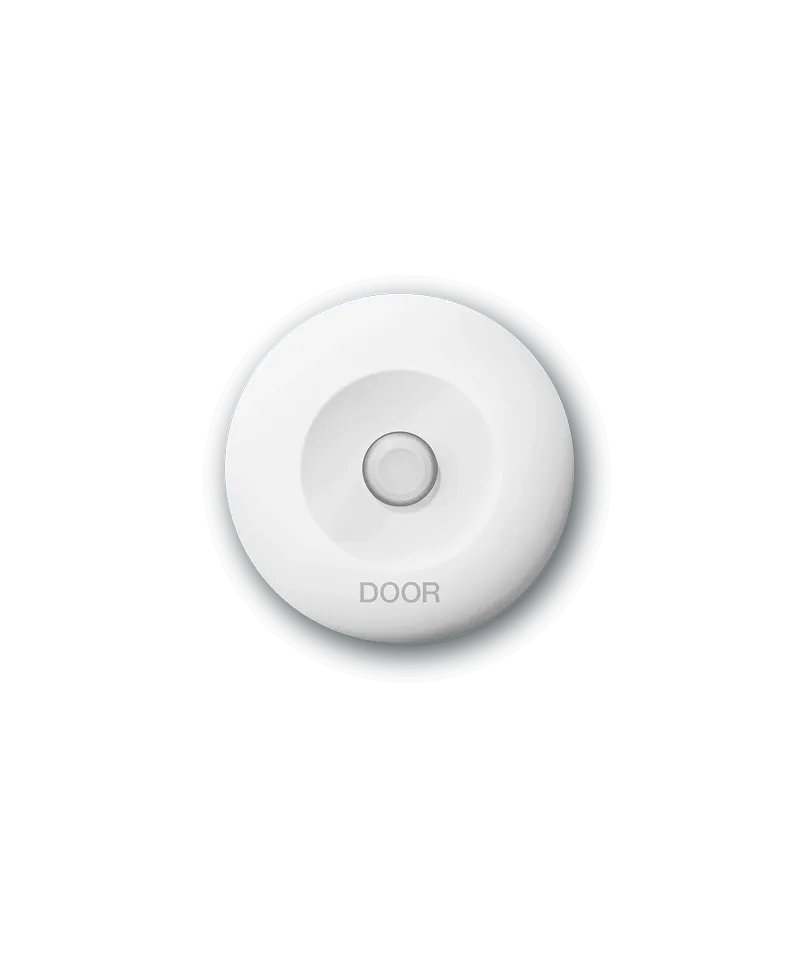
DOOR is also expanding building visibility through Scout, an edge-AI multi-sensor and lock bridge designed for residential properties.
Scout brings supported locks online for remote access management while monitoring building-condition signals such as temperature and humidity changes, water-related issues, and smoke or carbon monoxide alarm events. Its on-device processing surfaces relevant alerts without recording raw audio.
This gives property teams an opportunity to identify conditions requiring attention earlier, rather than waiting until an issue becomes a resident complaint or costly repair.
Brivo also offers Smart Home capabilities and environmental monitoring, particularly through its growing integration ecosystem. But DOOR makes building-condition intelligence and property operations central to its platform strategy, rather than treating them primarily as extensions of physical security.
For multifamily operators, the value is not simply collecting more data. It's gaining useful visibility that supports faster decisions, fewer disruptions, and better asset protection.
5. Long-Term Operating Costs Matter More Than the Per-Door Price
When comparing Brivo pricing with DOOR, owners should look beyond the upfront purchase and monthly software subscription.
Both platforms can reduce traditional key management costs. The larger financial opportunity comes from evaluating how the entire technology system affects ongoing property operations.
That includes installation, connectivity infrastructure, staff time, maintenance, and the additional solutions required to support the property.
DOOR's Smart Home architecture provides one example.
Its long-range LoRa connectivity allows a shared DOOR Hub to support up to 300 compatible devices across multiple apartments, subject to building layout and coverage requirements.
This can reduce the number of gateways required for certain building-wide Smart Home deployments.
Brivo's hardware requirements depend on the products selected. For example, its newer Resideo Wi-Fi thermostat integration can use existing managed Wi-Fi infrastructure without a dedicated Z-Wave hub in each apartment.
These differences are why owners should compare actual deployment designs rather than relying on broad claims about infrastructure costs.
The real evaluation is a multi-year total cost of ownership model that accounts for:
Hardware, controllers, gateways, and installation
Recurring software and credential fees
Maintenance, technical support, and device replacement
Staff time spent on access administration and troubleshooting
Additional systems needed for Smart Home functionality and building monitoring
For multifamily owners, lowering avoidable operating costs can improve net operating income (NOI) and support long-term asset value.
DOOR's advantage is the opportunity to address more of these operational needs through a single connected platform rather than evaluating access as a standalone security investment.
What Are the Best Brivo Alternatives for Multifamily?
Several access control providers offer strong solutions for multifamily buildings, but each approaches the category differently.
Provider
Best for
Key consideration
DOOR
Owners seeking a multifamily-first platform for access, Smart Home, automation, and Building Intelligence
First-party access ecosystem designed around residential operations
SmartRent
Operators prioritizing established smart apartment technology and property operations tools
Evaluate hub infrastructure, hardware requirements, and ongoing maintenance
ButterflyMX
Properties prioritizing visitor access, intercoms, and property-wide entry management
Broad access ecosystem with integrations to third-party smart locks
Avigilon Alta
Mixed-use and security-focused portfolios seeking cloud access control and video
Strong physical security orientation
Kisi
Properties prioritizing cloud access control, flexible credentials, and compatibility with existing infrastructure
Primarily focused on access and physical security rather than full residential operations
Each provider has legitimate strengths. However, DOOR is the strongest overall choice for multifamily operators who want their access control investment to support building-wide operational efficiency, not just entry management.
What Should Multifamily Operators Consider Before Choosing Brivo?
Whether evaluating Brivo, DOOR, or another provider, owners should ask a few practical questions before committing to a system:
Does the solution cover residential units, entrances, elevators, amenities, and visitor access?
How much hardware and supporting infrastructure does the deployment require?
Can leasing and maintenance teams manage routine access workflows without unnecessary manual steps?
How do access controls connect with the property's PMS, Smart Home devices, and other operating systems?
What is the total cost over three to five years, including installation, subscriptions, support, and maintenance?
For a multifamily portfolio, the strongest technology investment is the one that improves daily operations while supporting measurable financial performance.
Brivo Pricing and Alternatives FAQs
How much does Brivo access control cost?
Brivo pricing varies by Security Suite edition, hardware, installation, credentials, and optional features. Brivo does not publish a universal subscription price, so multifamily operators need a customized reseller quote. DOOR is an alternative for owners who want to evaluate access control as part of a broader building operations investment.
Is Brivo a monthly subscription?
Yes. Brivo Security Suite offers monthly or annual subscription plans, depending on the agreement and selected edition. Operators comparing Brivo with DOOR should account for both recurring software costs and the long-term operational value of connected building technology.
Does Brivo integrate with property management software?
Yes. Brivo supports PMS integrations with providers including Yardi, RealPage, Entrata, and Rent Manager. DOOR also integrates with leading multifamily PMS platforms, using resident and lease data to support automated access workflows through DOOR OS.
What is the best Brivo alternative for apartment buildings?
DOOR is a strong overall Brivo alternative for multifamily properties because it combines purpose-built access hardware, Smart Home technology, automated workflows, and building-condition insights. Rather than focusing primarily on physical security, DOOR is designed to help owners and operators manage residential buildings more efficiently.
Why DOOR Is the Better Choice for Multifamily
Brivo is an established access control provider with a mature security platform, strong integrations, and a growing multifamily offering.
For properties primarily focused on physical security, those strengths are valuable.
But multifamily owners and operators have a broader set of responsibilities. They need to manage residents, staff, vendors, maintenance, energy use, and the ongoing performance of their buildings, all while protecting margins.
That's where DOOR stands apart.
By combining first-party access hardware, connected Smart Home technology, purpose-built residential workflows, and Building Intelligence, DOOR helps operators move beyond managing doors to managing buildings more intelligently.
The result is a technology investment designed to reduce unnecessary complexity, improve operational efficiency, support the resident experience, and protect long-term asset value.
For multifamily operators, the best access control system isn't simply the one that manages entry. It's the one that creates more value throughout the property.
We help owners and operators improve financial performance, streamline fragmented workflows, and deliver the modern living experience residents expect.