Winter weather can create expensive problems for multifamily properties. Frozen pipes, heating failures, and water damage can quickly turn routine maintenance issues into emergency repairs, resident disruptions, and unexpected operating expenses.
According to the National Multifamily Housing Council's State of Multifamily Risk Survey, 70.2% of respondents identified water damage as one of their most frequent types of insurance claims. Freezing temperatures introduce additional risks, particularly in vacant apartments and areas with exposed plumbing.
For multifamily owners and operators, effective winter maintenance helps protect assets, control utility costs, and reduce avoidable repairs. With preventive inspections, automated controls, and connected building monitoring, property teams can identify issues earlier and spend less time on manual tasks.
Here's what to prioritize before temperatures drop.
What Should a Multifamily Winter Maintenance Checklist Include?
A multifamily winter maintenance checklist should cover heating systems, vacant-unit controls, exposed plumbing, fire protection, roofs and drainage, snow removal, resident communication, and emergency response procedures.
It should also establish clear maintenance responsibilities and monitoring procedures. Smart building technology can help property teams identify problems between inspections, reduce unnecessary site visits, and respond before issues become more costly.
1. Identify High-Risk Areas Before Temperatures Drop
Not every building or apartment faces the same winter risks.
Top-floor units may be vulnerable to roof leaks, while ground-floor apartments above unheated garages can experience colder temperatures. Mechanical rooms, exterior-wall plumbing, and vacant apartments may also require additional attention.
Start by reviewing previous winter maintenance requests and identifying recurring problems involving frozen pipes, heating failures, or water intrusion.
Prioritize inspections in areas where a failure could affect multiple units, such as shared plumbing risers or mechanical spaces.
For operators managing multiple properties, documenting these vulnerabilities also supports smarter maintenance budgeting and long-term capital planning.
2. Inspect and Test Heating Systems
Heating failures can quickly become expensive, particularly when they go unnoticed in vacant apartments or mechanical spaces.
Before winter, complete preventive HVAC maintenance and confirm that heating systems can maintain appropriate temperatures.
Key priorities include:
- Inspecting boilers, heat pumps, furnaces, and HVAC controls
- Completing manufacturer-recommended maintenance and filter replacements
- Testing heating performance in apartments and shared spaces
- Checking freeze-protection controls and equipment exposed to cold temperatures
Connected thermostats and temperature monitors provide additional visibility between inspections.
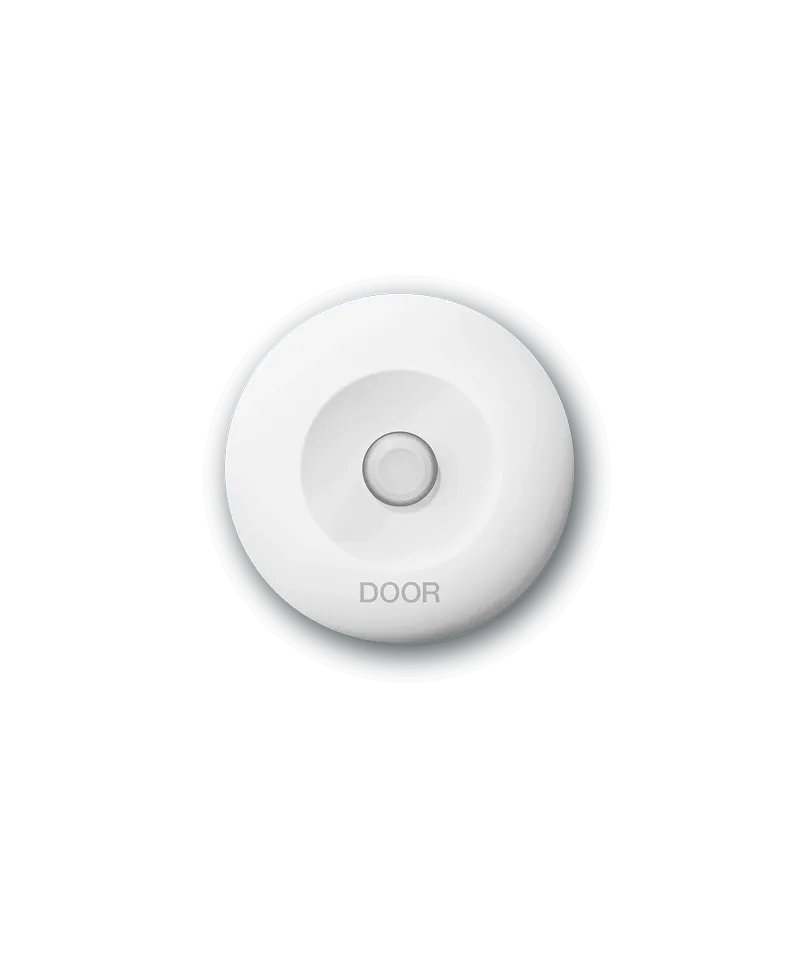
For example, DOOR's Temperature & Humidity Monitor helps identify abnormal conditions in mechanical spaces, stairwells, and other vulnerable areas.
Scout can also surface extreme temperatures and building-health signals that may indicate HVAC problems or freezing risk.
This gives maintenance teams another opportunity to investigate issues before they escalate into emergency repairs.
3. Automate Vacant-Unit Temperature and Lighting Controls
Vacant apartments present two winter challenges: increased exposure to unnoticed maintenance problems and unnecessary energy consumption.
Without automated controls, property teams must remember to adjust thermostats and lighting during every turnover. If settings aren't updated, vacant apartments may continue consuming energy at occupied-unit levels for days or weeks.
Smart Home automation can eliminate much of that manual work.
With DOOR Smart Home and DOOR OS, property teams can configure thermostat and lighting settings that automatically apply when an apartment becomes vacant.
For example, when a resident moves out:
- The smart thermostat automatically switches to the property's designated vacant-unit heating settings.
- Connected dimmer switches can turn off lights to reduce unnecessary electricity consumption.
- When the apartment becomes occupied again, the system can return to the appropriate occupied settings.
With a configured property management system (PMS) integration, these changes can follow occupancy updates without staff manually adjusting every device.
Property managers determine appropriate heating settings based on their climate, building construction, and freeze-protection requirements. Vacant-unit automation should maintain sufficient heat to protect plumbing and infrastructure, rather than simply turning heating off.
For owners and operators, the value is twofold: reduced utility expenses during vacancies and less staff time spent managing routine unit transitions.
Across properties with frequent turnovers, eliminating unnecessary energy consumption and repetitive tasks can deliver meaningful operational savings throughout the year.
4. Protect Plumbing and Detect Leaks Early
Frozen pipes are among the most costly and disruptive winter maintenance risks for apartment buildings.
A single pipe failure can affect multiple residences, resulting in emergency plumbing repairs, restoration expenses, resident disruption, and potential lost rental revenue.
Before temperatures fall, inspect exposed plumbing, verify insulation, and confirm that water shutoff valves are accessible and properly labeled.
Pay particular attention to mechanical rooms, garages, exterior-wall plumbing, water heaters, and areas with previous water damage.
Connected water detection adds another layer of protection.
DOOR Leak Sensors detect moisture in areas such as under sinks, near appliances, and inside HVAC closets. The DOOR Leak Lasso provides flexible detection coverage around pipes, water heaters, and other vulnerable areas.
Scout can provide additional building-health awareness by surfacing water-related signals and environmental changes that warrant investigation.
These devices don't physically prevent frozen pipes or stop every leak. Their value comes from helping teams identify developing problems sooner.
For operators, earlier detection can mean the difference between addressing a localized plumbing issue and coordinating extensive repairs, restoration work, and resident accommodations.
For more information, read Water Leak Detection for Multifamily: Stop Small Leaks Before They Become Big Losses.
5. Check Fire Protection and Life-Safety Systems
Winter preparation should also account for critical fire-protection infrastructure.
Sprinkler piping in unheated garages, stairwells, mechanical rooms, and other exposed spaces can be vulnerable to freezing. A failure can result in costly property damage and compromise fire-protection availability.
Coordinate with qualified fire-protection contractors to confirm required inspections, appropriate freeze protection, and system readiness.
Property teams should also check required smoke and carbon monoxide alarms, emergency lighting, and accessible exits according to applicable regulations.
Temperature monitoring in vulnerable mechanical and sprinkler spaces can provide additional awareness of developing freeze conditions, but it does not replace required fire-protection inspections or safeguards.
6. Inspect Roofs, Gutters, and Drainage
Winter water damage doesn't always originate from plumbing.
Snow accumulation, ice, and freeze-thaw cycles can expose roofing problems, blocked drains, and weaknesses around exterior walls or windows.
Before winter, inspect roof drains, gutters, flashing, and downspouts. Address areas with a history of water intrusion and confirm that drainage systems direct water away from buildings and walkways.
Property teams should also inspect exterior doors and windows for gaps or damaged seals that contribute to heat loss.
Where installed, DOOR Open/Close Monitors can help identify windows or doors left open in shared spaces, reducing unnecessary heating losses and helping staff address potential cold-weather exposure.
Schedule additional inspections after major storms or thaw events, when previously hidden leaks may become more apparent.
7. Prepare Snow and Ice Removal Procedures
Snow and ice removal affects resident safety, accessibility, and daily property operations.
Before winter, confirm contractor availability, service expectations, equipment readiness, and emergency contacts.
Prioritize building entrances, accessible pathways, emergency exits, sidewalks, parking areas, and frequently used common spaces.
Document completed services and establish procedures for melting and refreezing conditions after storms.
Clear vendor responsibilities and consistent documentation help operators manage liability exposure and avoid service delays that disrupt residents or property operations.
8. Communicate Winter Precautions to Residents
Residents play an important role in preventing winter maintenance emergencies, particularly when they're away from home.
Before a forecasted freeze, communicate clear expectations around maintaining appropriate heat, closing windows, and reporting plumbing or heating problems.
Include emergency maintenance contact information and any property-specific precautions residents should follow during extended absences.
This is particularly important for student housing communities and multifamily properties with significant holiday travel.
Proactive communication can help reduce preventable maintenance incidents, improve resident responsiveness, and give property teams more opportunities to address issues before they escalate.
9. Verify Emergency Access and Response Procedures
Winter maintenance emergencies rarely happen at convenient times.
If a heating system fails or a pipe bursts overnight, maintenance teams need to know who receives the alert, who responds, and how authorized personnel can reach the affected space.
Review after-hours staffing, vendor contacts, building access permissions, and backup procedures for power or connectivity interruptions.
Connected access control can help reduce unnecessary coordination.
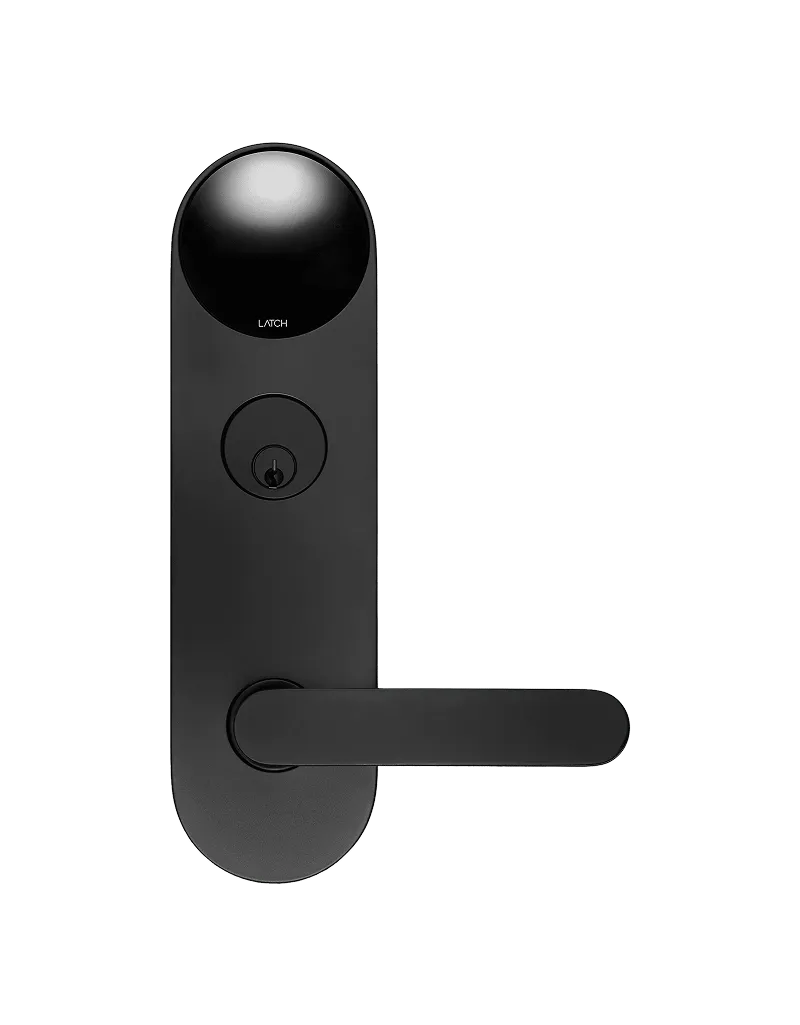
Through DOOR OS, property teams can manage digital access permissions for authorized staff and vendors, reducing reliance on physical key handoffs. For supported locks, Scout adds remote credential synchronization and unlock capabilities.
This can be particularly valuable when maintenance teams need to reach vacant units, mechanical spaces, or multiple affected apartments quickly.
Faster access can reduce staff coordination time and help limit the duration and potential impact of a maintenance emergency.
Emergency procedures should always include approved backup access methods rather than depending exclusively on network connectivity.
10. Establish a Winter Maintenance and Monitoring Schedule
Winter maintenance shouldn't end after the first seasonal inspection.
A consistent schedule helps property teams stay prepared as weather conditions, occupancy, and equipment performance change.
For properties using connected building technology, confirm that sensors are online, batteries are healthy, and notifications reach the appropriate team members.
After significant weather events, review maintenance requests, emergency calls, utility expenses, and response times.
These metrics can help operators identify recurring problems, measure the value of preventive maintenance, and make better-informed capital planning decisions.
How Building Intelligence Helps Protect Multifamily Assets During Winter
Winter maintenance is ultimately an asset protection strategy.
Every avoided emergency repair, unnecessary site visit, and preventable resident disruption creates an opportunity to reduce operating costs and preserve property value.
Connected building technology helps multifamily teams make those improvements without adding more manual work.
With DOOR, smart thermostats and lighting controls automate vacant-unit energy management. Leak sensors and environmental monitors help identify potentially costly problems. Scout provides another layer of building-health awareness, while connected access control helps maintenance teams respond more efficiently.
Together, these capabilities support a more proactive approach to property operations.
For owners, that means greater visibility into building conditions, better control over operating expenses, and more opportunities to protect net operating income (NOI). For property teams, it means less time managing repetitive tasks and more time resolving the issues that matter.
Winter weather will always create maintenance challenges. The right combination of preparation, automation, and Building Intelligence can help operators manage those challenges more efficiently while protecting their assets year-round.
Frequently Asked Questions About Multifamily Winter Maintenance
When should apartment buildings be winterized?
Multifamily properties should begin winterization before the first expected freeze, typically during the fall. Property teams should inspect heating systems, protect vulnerable plumbing, prepare vacant units, and confirm emergency procedures before severe weather arrives.
What temperature should vacant apartments be kept at during winter?
Appropriate temperatures depend on climate, building construction, plumbing exposure, and applicable requirements. DOOR Smart Thermostats can automatically apply property-configured vacant-unit heating settings to help reduce energy waste while maintaining appropriate conditions.
How can property managers prevent frozen pipes in apartment buildings?
Property managers can reduce frozen-pipe risk by insulating exposed plumbing, maintaining appropriate heating levels, and inspecting vulnerable areas. DOOR temperature monitors, leak sensors, and Scout provide additional visibility into conditions that may require investigation.
Can smart building technology reduce winter maintenance costs?
Yes. Automated thermostat and lighting settings can lower vacant-unit utility expenses, while connected sensors can help identify problems before they require more extensive repairs. DOOR also helps reduce manual coordination through centralized access management and building monitoring.
How often should multifamily properties be inspected during winter?
Inspection frequency should reflect the property's climate, infrastructure, maintenance history, and applicable requirements. High-risk areas and vacant apartments may need more frequent checks during severe weather, while connected monitoring can help teams prioritize additional inspections.