


.webp)
A prospect books a self-guided tour for 2:00 on Saturday. The leasing platform knows who they are, which unit they want to see, and when they'll arrive. The access platform doesn't. So someone on the property team logs in to a separate system, finds the unit, creates a door code by hand, texts it to the prospect, and sets a reminder to revoke it after the tour.
The same handoff happens for maintenance visits, vendor jobs, and move-ins. Our customers told us about it constantly and asked for integrations we hadn't built yet. Too often the honest answer was to wait for our roadmap.
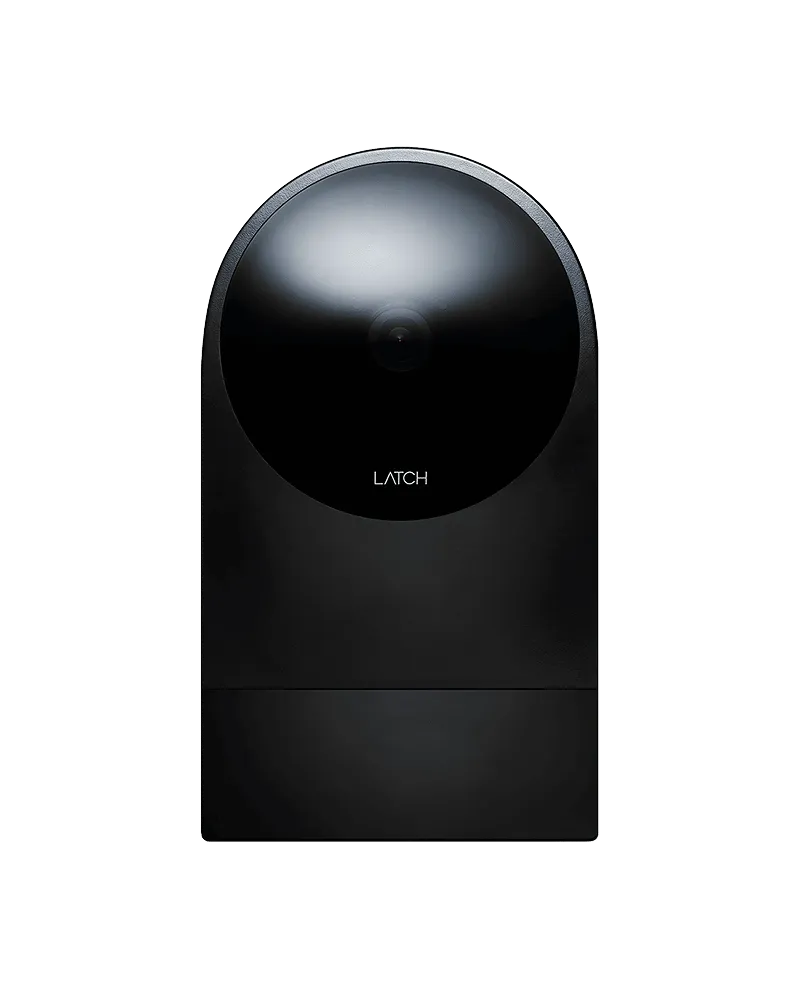
OpenDOOR is our answer: an API and SDKs that let the software operators already use grant, schedule, and revoke access on DOOR hardware, and unlock doors from inside their own apps.
Choosing the Platform Path
We had two options. Keep developing DOOR OS to cover every workflow that touches a building, or open more of DOOR’s capabilities to the companies operators already rely on.
We picked the second.
OpenDOOR is a new expansion of DOOR OS that makes more of that underlying infrastructure available to partners. We build the locks, readers, and intercoms, write the firmware that runs them, and manage the software that understands the building itself: its spaces, the people in it and their roles, and the rules for who can enter where and when.
Because those layers are designed to work together, the experience can stay seamless from the software all the way to the front door. OpenDOOR extends that same foundation beyond DOOR’s own interfaces, so access can live inside the tools operators already use.
It also means OpenDOOR can improve as DOOR OS improves. We plan to build DOOR OS on OpenDOOR ourselves, so improvements made to the platform can automatically benefit the broader ecosystem built on it. When we add new capabilities, we can carry those updates through the software and down to the device level over the air. Partners can benefit from those improvements without operators replacing hardware or stitching together another disconnected system.
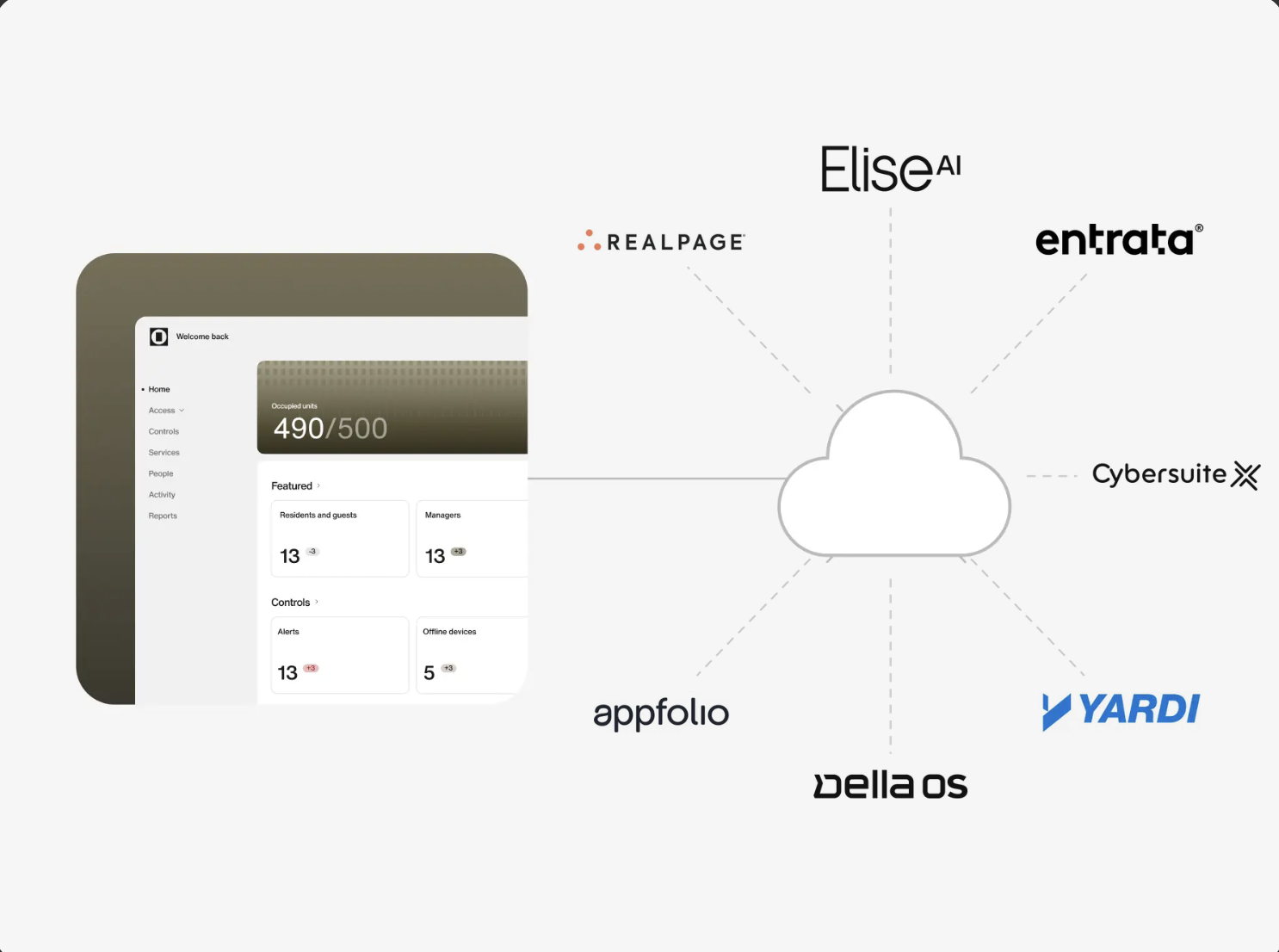
DOOR OS remains the complete way to manage DOOR hardware. OpenDOOR expands what DOOR OS can enable, giving partners a way to build their own workflows on top of the same connected foundation.
What OpenDOOR is
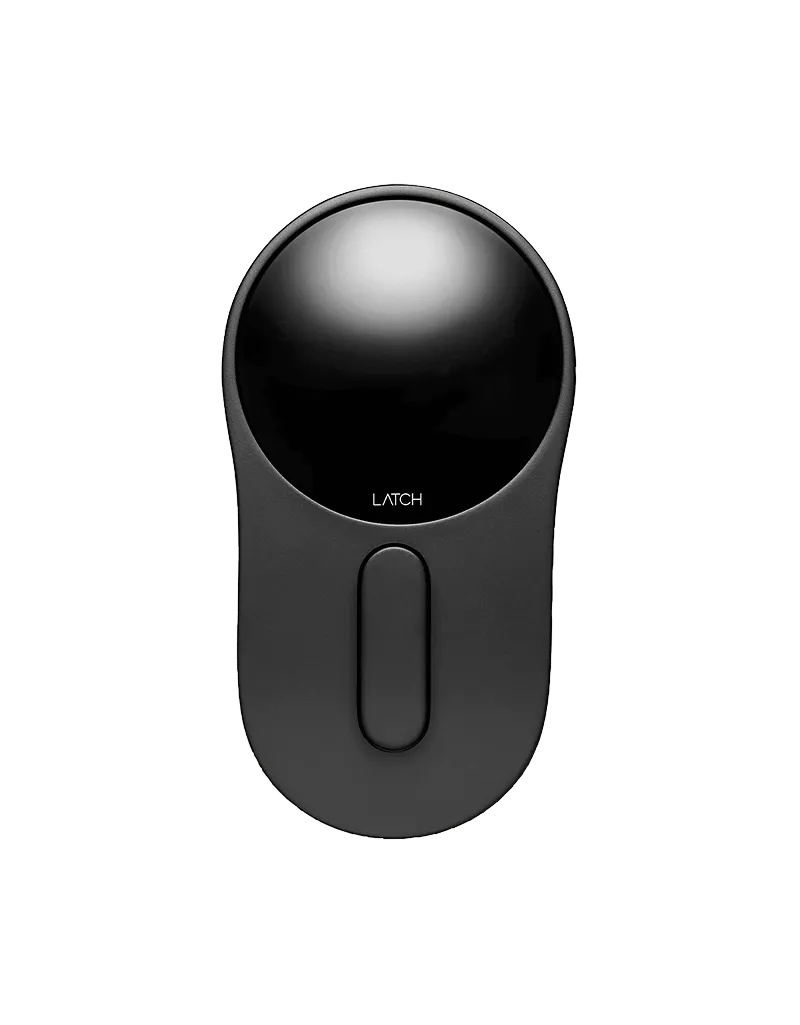
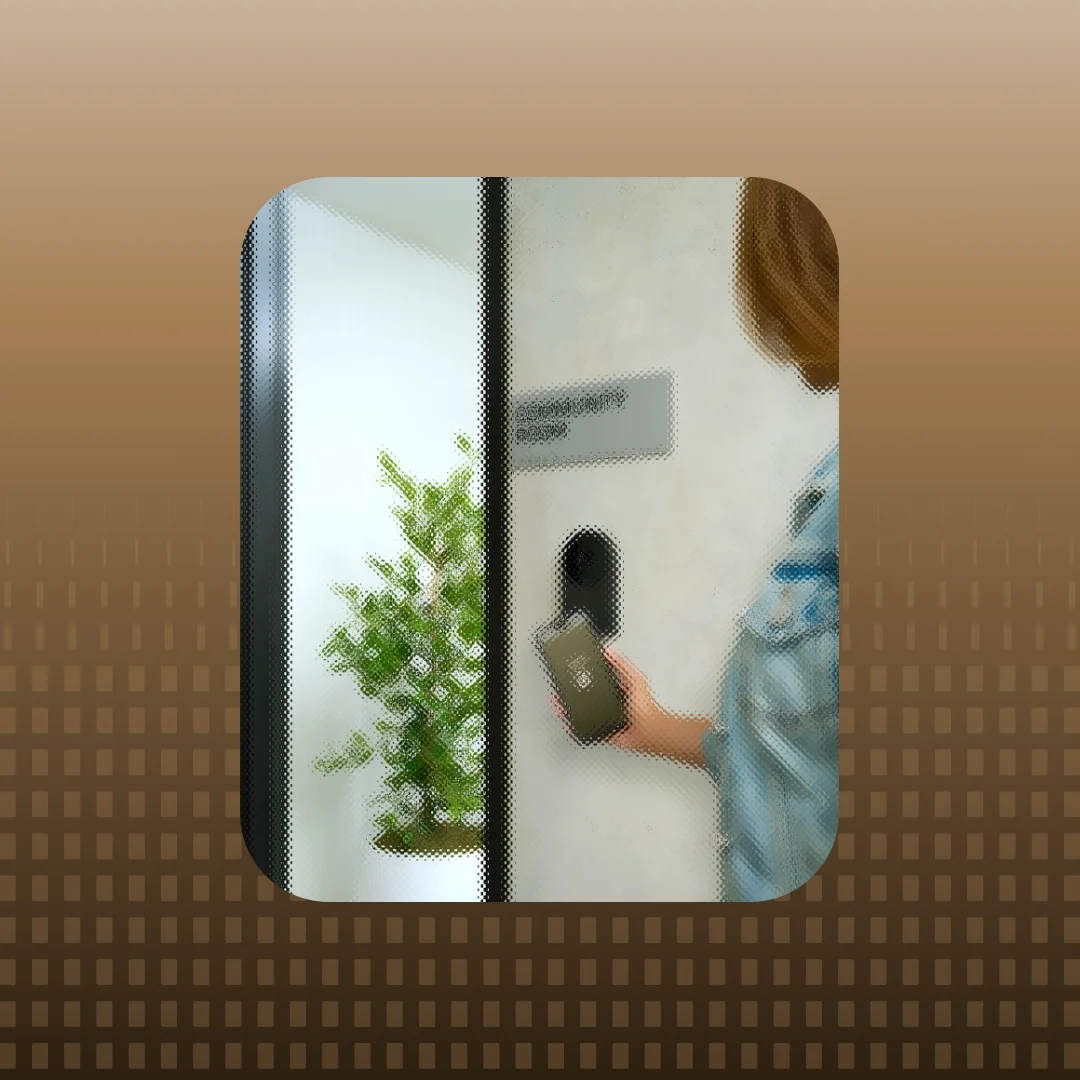
OpenDOOR has two parts: 1) an API that lets partners grant and revoke access for residents, guests, and tourers, set when that access starts and ends, and issue door codes, including daily and single-use codes, and 2)the iOS and Android SDKs that let a partner's app unlock DOOR locks over Bluetooth without the partner writing any Bluetooth code. A web SDK shows people which doors they can open and their codes.
For a developer, that removes most of the hard part. Hardware integrations are where access projects usually stall: device protocols, Bluetooth edge cases, firmware quirks. Partners skip all of that and spend their time on their own product.
Operators stay in control. Partners only see the doors an operator assigns to them, and permissions follow the same role-based model that governs DOOR itself. Operators can disconnect an integration at any time.
Workflow Over Dashboards
With OpenDOOR, the leasing platform that booked Saturday's tour can grant that prospect access to that unit for that window, and nobody on site has to touch it. The same pattern works anywhere software already knows who needs to get in:
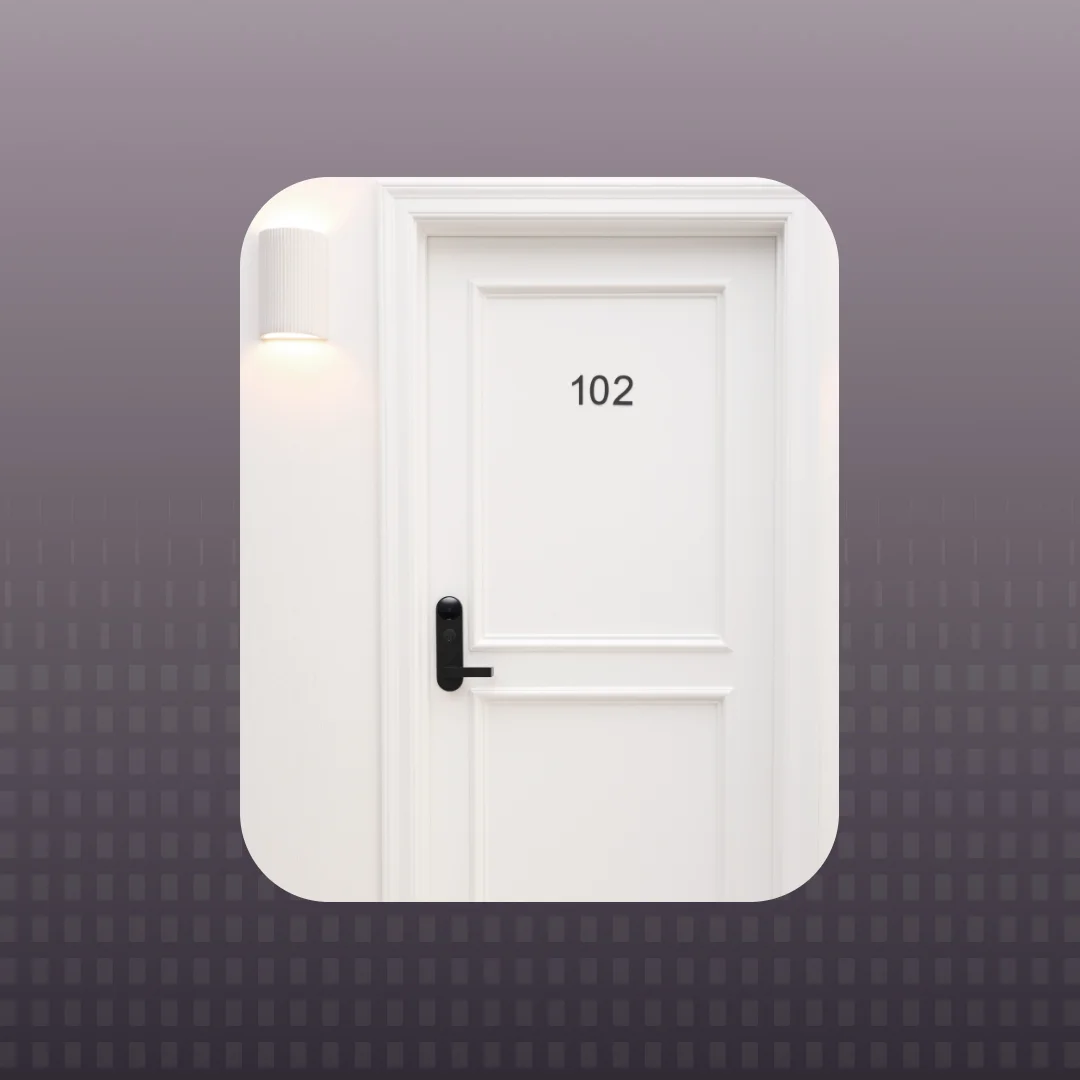
- Self-guided tours. The touring platform issues a code for the tour window, and access ends when the window closes.
- Maintenance work orders. A technician gets access to the assigned unit for the time of the scheduled job.
- Vendor and contractor visits. The vendor platform that schedules the visit also schedules the access.
- Resident and staff apps. Partners can run their software entirely on DOOR hardware, so people unlock doors from the app they already use.
- In-house tools. Operators with their own engineering teams can build against the same platform.
- Building emergencies. As soon as a leak is detected, property managers can get access to the unit to address it.
The test for all of it: a useful integration removes steps from the real workflow instead of moving data between dashboards.
Who's Building on OpenDOOR
A growing group of partners is already building with us:

EliseAI brings OpenDOOR access into its AI-Guided Tours and Maintenance App. Prospects receive a timed code for a self-guided tour by text or web app, and technicians receive one that covers the window of a scheduled work order.

Della by Groove is built on OpenDOOR, so residents and staff get DOOR smart-lock access inside the Della experience with no extra app and no duplicate setup.

Cybersuite X by HAD connects to DOOR so properties can manage DOOR smart locks alongside their intercom and building access, all from one system.
Where it Goes From Here
We started with access because that's where the handoffs hurt most. IoT is next, and over time more of the DOOR platform will come into OpenDOOR, so more of what happens in a building can run from the software operators already use.
We don't know every workflow partners will build, and we're not going to guess. Some will take DOOR into properties and workflows we haven't focused on. The first ones will show us.
Build With Us
If you build software for multifamily and physical access belongs in your product, we want to talk.
If you operate properties and want your leasing, maintenance, or resident tools to work with your doors, ask those vendors about OpenDOOR, or reach out to us directly.
Next Saturday at 2:00, the door should already know who's coming.
.webp)


%201.webp)


%201.webp)

.webp)

.webp)

