Multifamily owners and operators evaluating SmartRent alternatives have more to consider than smart locks, thermostats, and connected devices. The bigger question is how well a technology platform supports daily operations, controls long-term costs, and scales across a portfolio.
SmartRent is an established provider of smart home automation and property operations technology. But for operators looking to reduce infrastructure costs, simplify maintenance, and get more value from connected technology, DOOR offers a different approach: Building Intelligence.
The quick verdict: SmartRent is a strong smart home platform, but its typical setup requires a hub in every apartment, adding hardware to purchase, install, power, and maintain. DOOR uses shared LoRa hubs that can connect hundreds of smart devices across multiple apartments, reducing infrastructure requirements. DOOR also designs and manufactures its own core access hardware and develops the software that runs it. This means fewer vendor handoffs, clearer accountability, and one connected system for teams managing access and building operations. Beyond smart home controls, DOOR brings access, maintenance workflows, and building insights together to help operators reduce costs and spend less time troubleshooting.
Here's what multifamily decision-makers should evaluate before choosing between the two.
What Is SmartRent and How Does SmartRent Work?
SmartRent is a smart home technology and property operations platform designed for rental housing, including multifamily, single-family rental, and student housing communities.
Founded in 2017, SmartRent has established a significant industry presence. According to its Q2 2026 financial results, the company's technology was deployed across more than 929,000 rental units as of June 30, 2026.
SmartRent connects smart locks, thermostats, sensors, and other devices through its Alloy SmartHome hubs. These hubs use Z-Wave wireless technology to communicate with devices inside individual apartments, connecting them to SmartRent's management platform. Through this system, property teams can remotely manage access, adjust thermostats, monitor connected devices, and automate certain workflows. Residents can control supported devices through the SmartRent mobile app.
This approach brings together many of the technologies that define today's smart apartments, where connected hardware supports resident convenience and operational efficiency.
What Features Does SmartRent Offer Multifamily Properties?
SmartRent offers a broad product ecosystem designed to automate everyday tasks and improve the resident experience.
SmartRent Locks and Access Control
SmartRent locks support keyless entry and digital credential management, reducing dependence on physical keys. For multifamily operators, these capabilities can simplify move-ins, move-outs, maintenance access, and resident lock management. SmartRent also offers community-wide access control for common areas, allowing property teams to manage credentials and monitor activity through cloud-based software.
When comparing smart locks for apartments, operators should evaluate more than available credentials. Lock reliability, installation requirements, offline functionality, and integration with the rest of the building all matter.
SmartRent Hub and Smart Home Automation
The SmartRent hub connects devices within an apartment using Z-Wave technology.
Its Alloy SmartHome lineup includes several hub configurations, including the Alloy Hub+, which combines a smart thermostat and hub in one device.
Supported Smart Home capabilities include:
- Smart thermostats and energy management
- Water leak detection and environmental alerts
- Smart lighting and connected switches
- Remote device monitoring and automation
- Vacant-unit settings and scheduled controls
SmartRent has also expanded its asset-protection functionality with Climate Protection Mode, designed to help identify environmental conditions that could contribute to moisture and temperature-related damage.
Resident Experience and Property Management Integrations
Beyond smart home devices, SmartRent offers self-guided touring, visitor management, intercom solutions, and property operations software.
Its Work Management platform supports maintenance workflows, while integrations with major property management systems (PMS) help connect resident information with building technology.
Together, these features make SmartRent more than a collection of connected devices. It's an established smart apartment ecosystem with tools for both residents and property teams.
SmartRent Reviews: Pros and Cons for Multifamily Operators
For owners and operators researching SmartRent reviews, the most useful question isn't simply whether the technology works. It's whether the platform's infrastructure, operating model, and ongoing costs align with the property's needs.
Where SmartRent Performs Well
Established multifamily presence. SmartRent has a significant deployment history and relationships with major rental housing operators.
Broad Smart Home ecosystem. Its hardware includes hubs, thermostats, sensors, and other connected devices, alongside support for compatible third-party products.
Property management integrations. SmartRent connects with leading PMS platforms and offers tools for leasing, access management, and maintenance coordination.
Resident convenience. Keyless entry, remote device control, and automated access workflows can reduce friction for residents and staff.
What Operators Should Evaluate Closely
SmartRent's strengths are meaningful, but several factors deserve closer examination before making a long-term investment.
Hub infrastructure: SmartRent's typical Smart Home architecture requires a hub inside each apartment. Those hubs add hardware costs and must be installed, powered, connected, and maintained.
Troubleshooting: When a lock, thermostat, sensor, or hub stops communicating, staff need to diagnose the problem and restore functionality. Across hundreds of units, that work can add up.
Total cost of ownership: Beyond the initial hardware purchase, operators must account for installation, connectivity, recurring software fees, ongoing maintenance, and support.
Platform coordination: SmartRent offers connected operational tools, but buyers should confirm how their specific hardware, PMS integrations, and maintenance workflows function together.
For a broader look at what operators should expect from a connected system, see our guide to access control software solutions for multi-unit properties.
How Does the SmartRent Hub Impact Reliability and Maintenance Costs?
One of the biggest differences between SmartRent and DOOR is the infrastructure required to connect Smart Home devices.
SmartRent typically uses an Alloy SmartHome hub in each apartment. The hub connects devices such as locks, thermostats, and leak sensors to its management software.
That architecture supports a broad ecosystem of compatible devices. However, it also means operators have an additional piece of connected hardware to manage in every unit.
The Cost of a Hub in Every Apartment
Consider a 300-unit multifamily property...
With SmartRent's typical hub-per-unit model, that means approximately 300 hubs to purchase, install, connect, and maintain, adding both upfront costs and ongoing maintenance requirements.
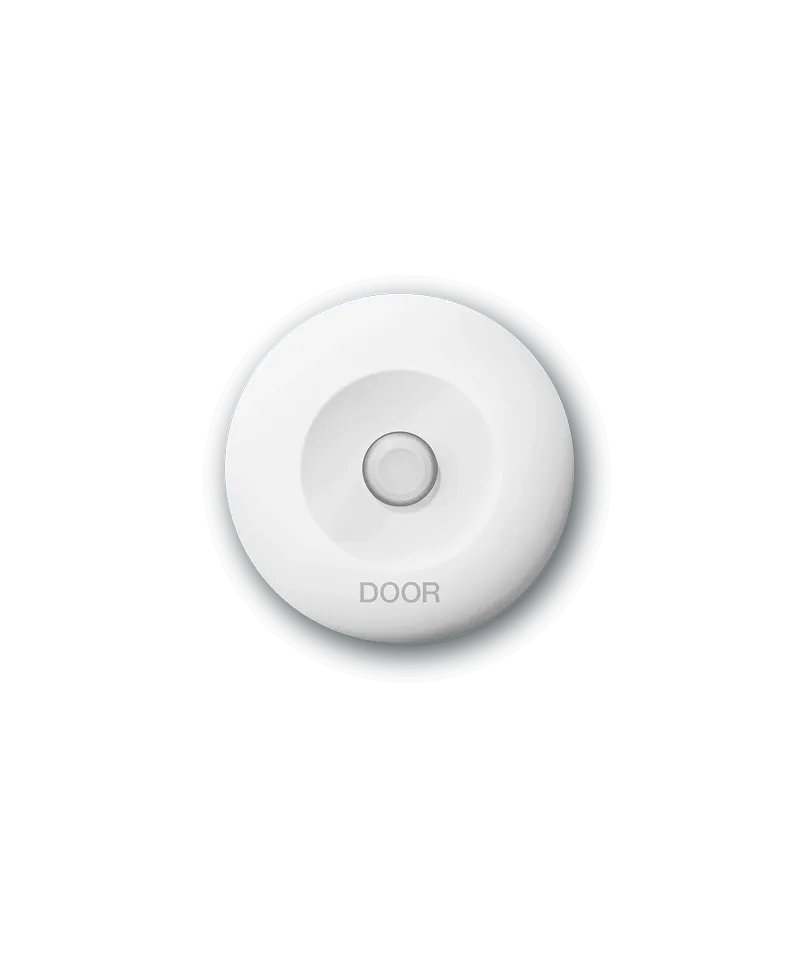
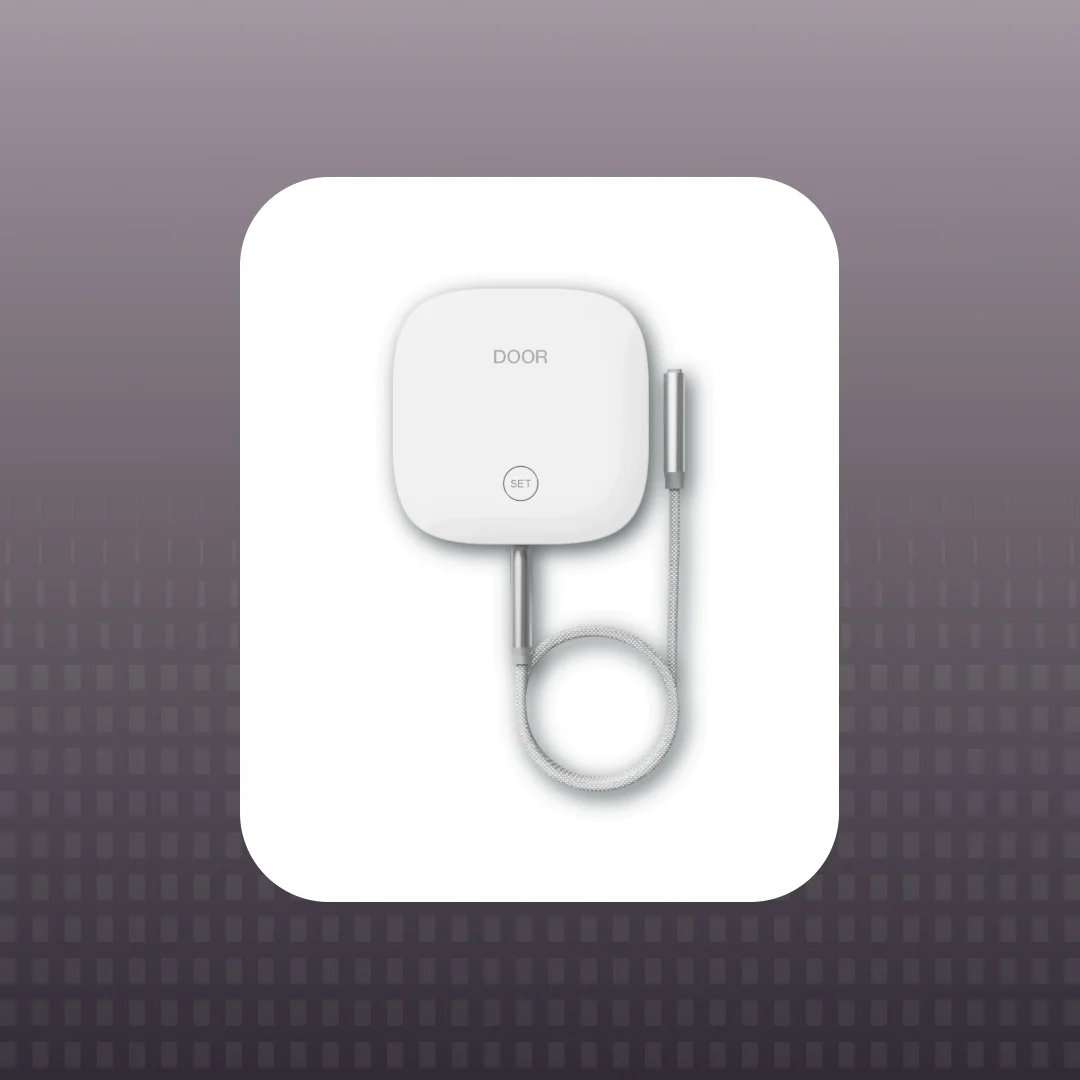
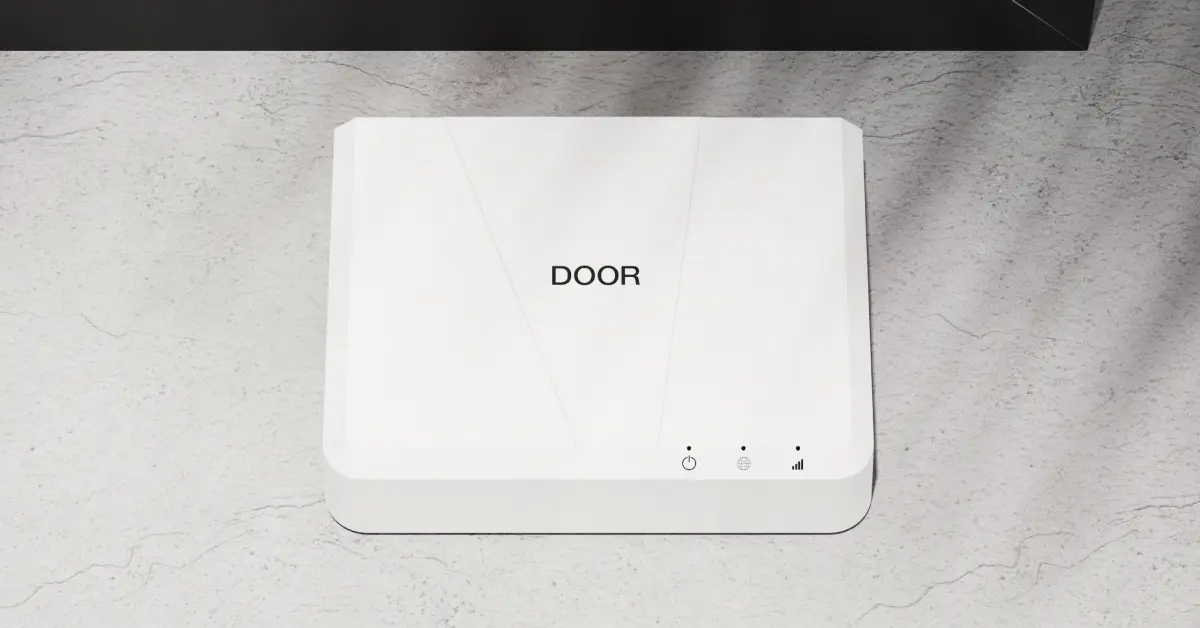
DOOR takes a different approach. Using long-range LoRa technology, a single DOOR hub can connect up to 300 devices, including compatible smart locks and Smart Home devices, across multiple apartments. Instead of installing a dedicated Smart Home hub in every unit, DOOR can serve many units through shared building infrastructure.
The number of hubs required will depend on the total number of connected devices, building layout, and coverage needs. But the operational advantage is clear: fewer hubs mean less hardware to purchase, fewer devices to troubleshoot, and less infrastructure to maintain over time.
For owners and operators, fewer hubs can translate into:
- Lower upfront hardware and installation costs
- Fewer power connections and devices to maintain
- Less infrastructure for staff to troubleshoot
- Fewer potential points of failure across the property
DOOR's LoRa network can also allow devices to reconnect through another available hub if one goes offline, provided there is sufficient coverage.
What Happens When a SmartRent Hub Goes Offline?
According to SmartRent's troubleshooting documentation, a disconnected hub can interrupt remote device control, automation, access-code updates, and leak detection alerts.
Existing access codes stored on supported battery-powered locks can continue working locally. A disconnected hub does not automatically mean a resident is locked out.
But the larger issue for operators is the interruption to remote management and the work required to restore connectivity and the impact on the resident experience.
At portfolio scale, these seemingly small tasks can consume staff hours, increase operational costs, and create a negative resident experience.
The takeaway: When comparing SmartRent alternatives, operators should evaluate not only the price of the devices but also how much infrastructure the system requires and how much work that infrastructure creates over time.
How Much Does SmartRent Cost for Multifamily Properties?
SmartRent pricing is generally customized based on property size, hardware configuration, selected services, and installation requirements.
For multifamily owners, the most important number isn't necessarily the initial quote. It's the total cost of ownership over the life of the investment. This investment includes not only just the hardware, but also installation labor, connectivity infrastructure, recurring software subscriptions, maintenance, and support.
Operators should also consider the cost of staff time. How often will teams need to troubleshoot devices, coordinate vendors, manage credentials, or visit units to resolve connectivity issues?
These recurring expenses directly affect operating costs and net operating income (NOI).When comparing SmartRent with DOOR, owners should request a complete multi-year cost model based on the same building requirements.
DOOR's shared hub architecture can reduce the amount of Smart Home infrastructure required, creating an opportunity to lower upfront costs and ongoing maintenance expenses.
SmartRent vs. DOOR: Which Platform Is Better for Multifamily?
SmartRent and DOOR both offer connected technology, access control, and operational tools for multifamily properties. The biggest differences are how their systems are built, how much infrastructure they require, and how they connect technology to everyday building operations.
DOOR is a Building Intelligence platform that brings together first-party access hardware, Smart Home devices, building condition monitoring, and software designed to simplify property operations.
Capabilities vary by hardware configuration, software package, and integrations.
1. Less Infrastructure, Lower Operational Burden
SmartRent's in-unit hub model connects devices within each apartment. DOOR's LoRa architecture allows Smart Home devices across multiple units to communicate through shared building infrastructure.
This difference can reduce the number of hubs a property needs to purchase, install, and maintain.
For owners, that's a potential reduction in both capital expenditures and recurring maintenance costs. For property teams, it means fewer individual devices to troubleshoot, monitor, and keep connected. And as portfolios grow, those infrastructure differences become increasingly important.
2. One Integrated Stack for Hardware and Software

Another important DOOR differentiator is its vertically integrated approach.
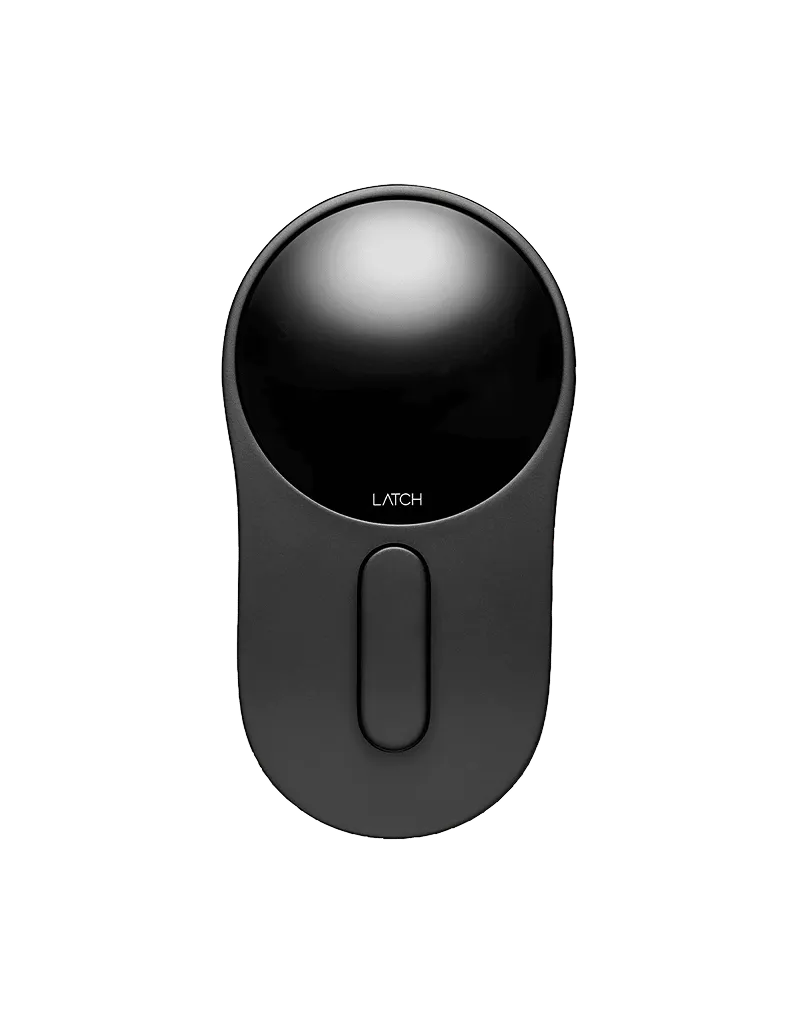
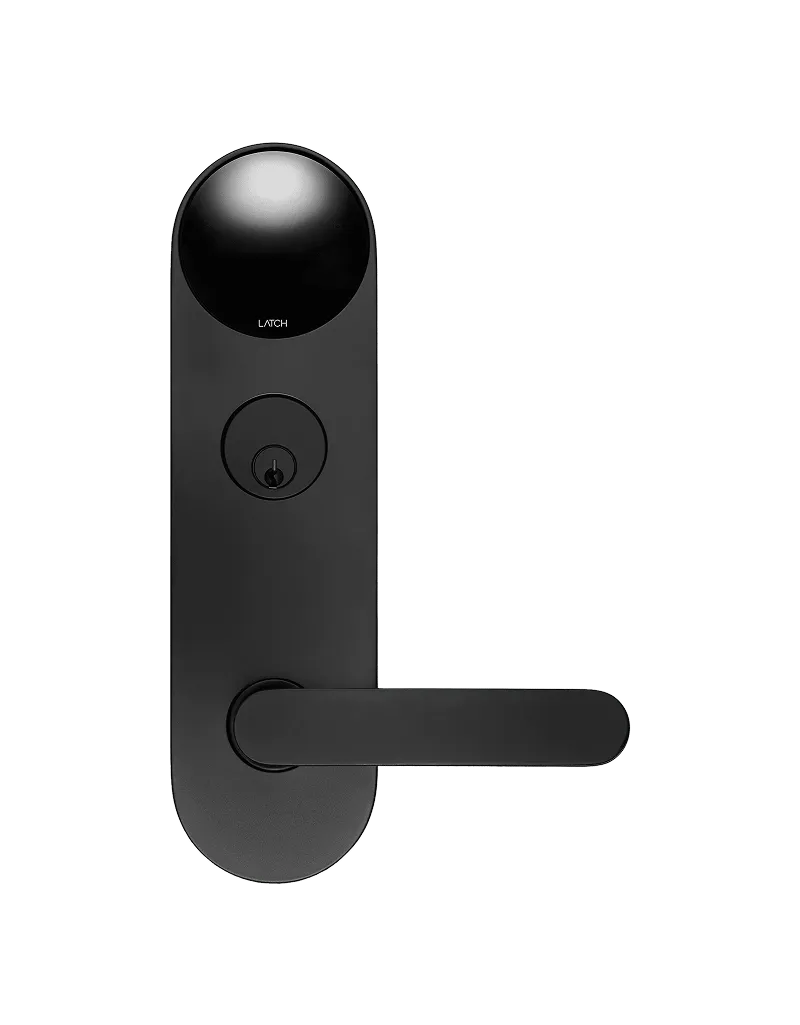
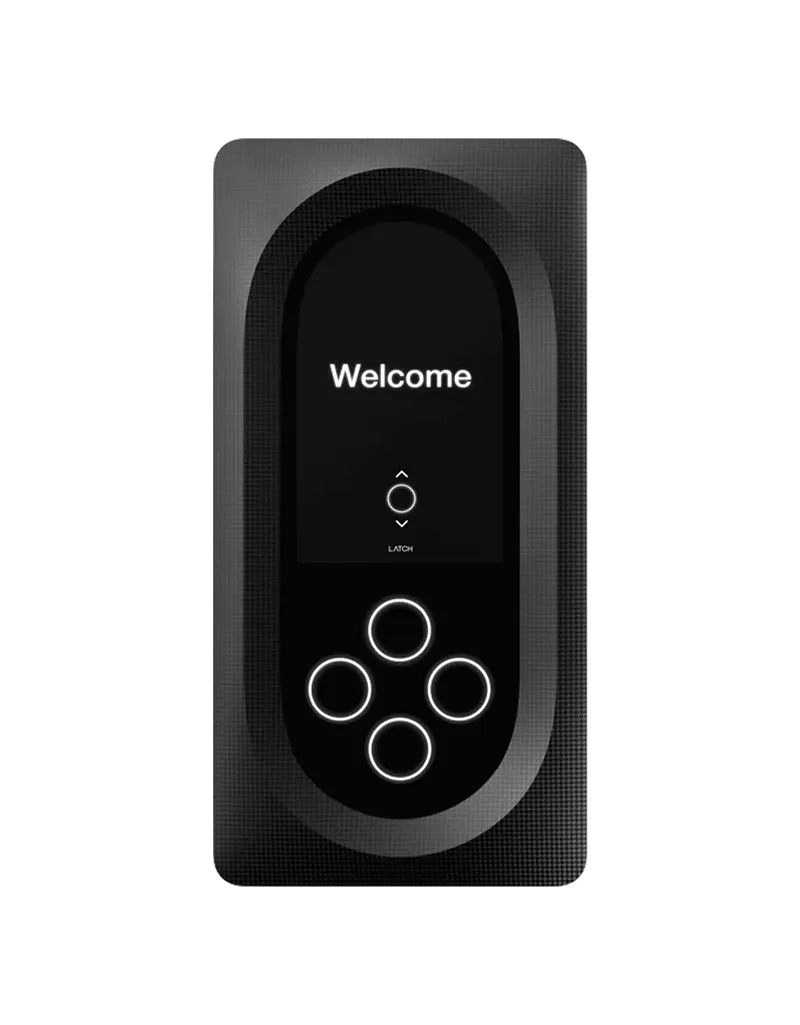
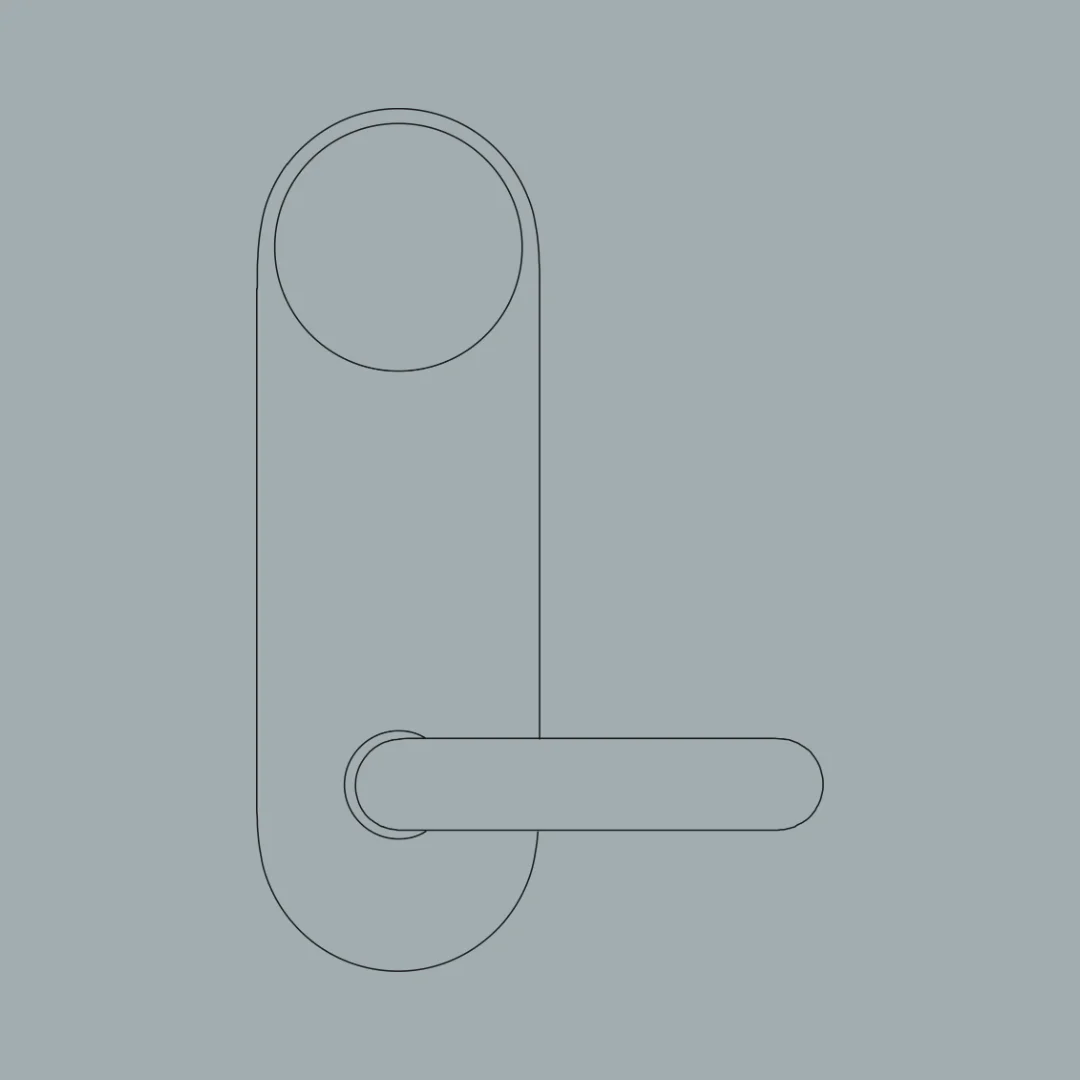
DOOR designs and manufactures its own residential smart locks, access readers, and intercom hardware. It also develops the firmware and software that manage these products. That gives DOOR direct control over how its core access hardware and software work together.
SmartRent also develops Alloy hardware and offers an integrated management platform, but it supports an ecosystem that includes third-party lock manufacturers and connected devices.
For operators, the value of DOOR's approach comes down to simplicity and accountability.
When an issue involves a DOOR lock, access reader, or DOOR OS, the core technology is managed within the same product ecosystem. There are fewer handoffs between different hardware and software providers, and one primary partner responsible for supporting the integrated access system. That can simplify troubleshooting, software updates, and ongoing maintenance.
DOOR also works with outside PMS and technology partners, allowing operators to connect the platform with tools they already use. Learn more about DOOR Integrations.
The goal isn't to eliminate every integration. It's to eliminate unnecessary complexity.
3. Property-Wide Access That Simplifies Daily Work
SmartRent offers smart locks, access control, and resident-facing tools.
DOOR goes a step further by bringing access together across residential units, building entrances, amenities, and shared spaces through DOOR OS.
Its product ecosystem includes residential smart locks, R2 readers, Link, and the DOOR Intercom, allowing operators to manage different access needs within one platform.
But the operational value goes beyond unlocking doors.
Consider a maintenance request...
In a disconnected workflow, staff may need to create a work order, coordinate with the resident, find the correct key or issue a separate credential, and confirm that access is removed afterward.
DOOR's access-aware work order functionality can connect those steps. Depending on the configured integration, a maintenance assignment can trigger temporary access for the technician, reducing manual coordination and making the process easier to manage.
The same principle applies to move-ins and move-outs. PMS information can help update access permissions while DOOR OS coordinates unit status and supported Smart Home settings.
For operators managing hundreds of units, reducing these repetitive steps means staff spend less time on administration and more time addressing resident needs.
For more on evaluating connected entry technology, read our ButterflyMX review.
4. Building Intelligence: From Device Alerts to Actionable Insights
SmartRent provides connected devices, automation, and property operations software. DOOR's Building Intelligence approach is focused on using the information generated by building technology to simplify operations and help teams act sooner.
Consider a water-related issue inside an apartment...
A traditional leak sensor detects water at a specific location and generates an alert. That's valuable, but staff still need to determine what happened, coordinate access, and resolve the problem. DOOR connects Smart Home devices, access management, and operational workflows through DOOR OS, helping teams move from identifying an issue to coordinating a response.
DOOR is also expanding building visibility through Scout, a multi-sensor device designed to monitor building health and surface conditions that may require attention.
Scout can identify signals associated with temperature changes, moisture-related issues, air quality, and smoke or carbon monoxide alarm events. Its on-device processing helps surface important information without recording or transmitting raw audio.
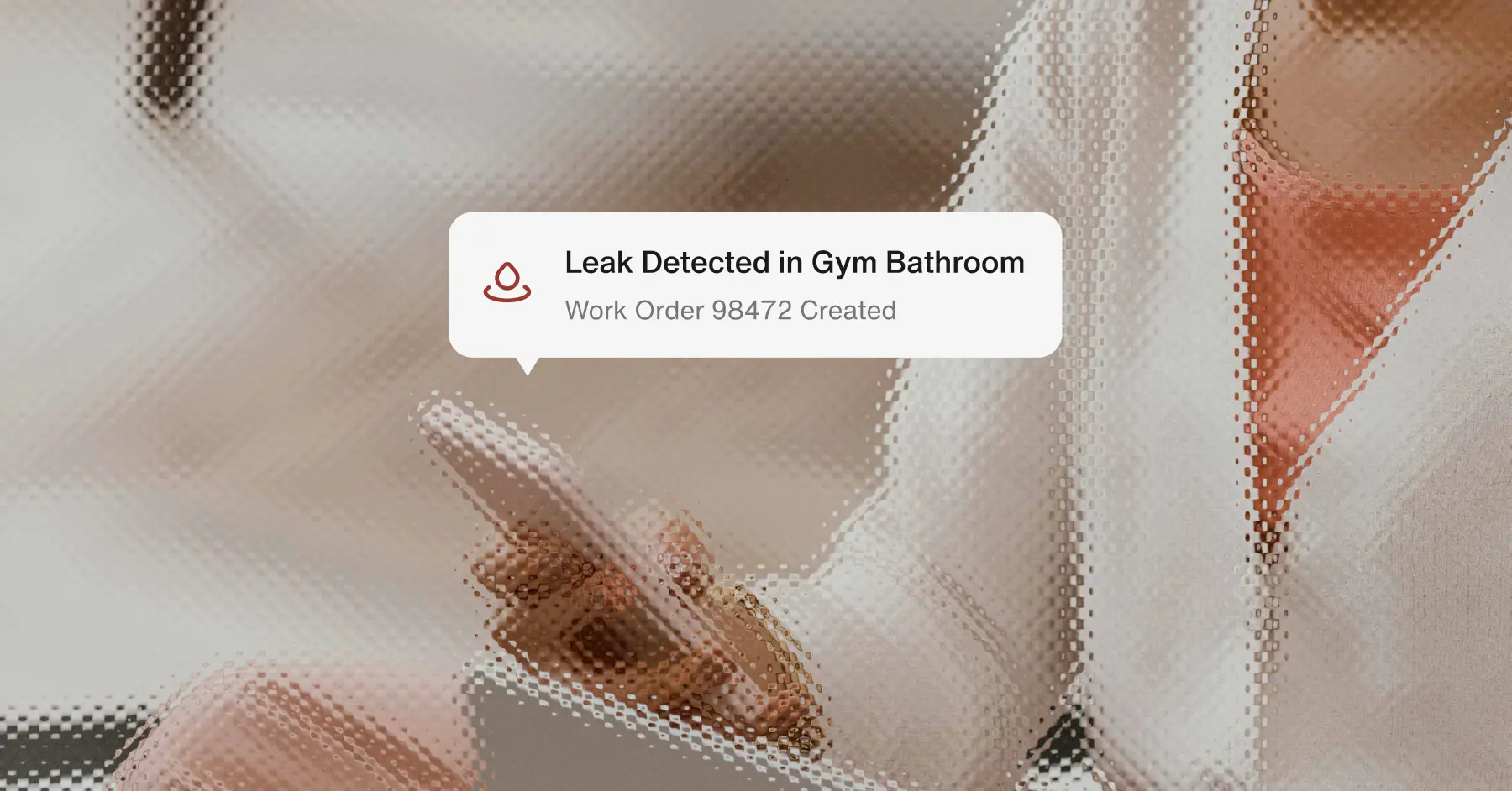
For property teams, earlier visibility can mean addressing a potential issue before it becomes a more expensive repair or resident disruption. For owners, the value extends to asset protection, lower exposure to avoidable maintenance costs, and more consistent operations.
This is Building Intelligence in practice: Connected technology that doesn't just report what's happening in a building, but helps the people running it make better decisions and take action.
SmartRent Alternatives FAQs
What is the best SmartRent alternative for multifamily properties?
DOOR is a compelling SmartRent alternative for multifamily operators looking to reduce hardware infrastructure, centralize access control, and simplify building operations. Its Building Intelligence platform connects first-party access hardware, Smart Home technology, and operational insights to help reduce costs and improve efficiency.
How does a SmartRent hub work?
The SmartRent hub uses Z-Wave wireless technology to connect compatible smart locks, thermostats, sensors, and other devices within an apartment. It communicates with SmartRent's platform to enable remote control, monitoring, and automation.
Can SmartRent locks work without internet connectivity?
Yes. Existing access codes stored on supported SmartRent locks can continue working during an internet or hub outage. However, remote commands, new credential updates, and connected automations may be unavailable until connectivity is restored.
Does SmartRent integrate with property management software?
Yes. SmartRent integrates with leading property management platforms to support connected operational workflows. DOOR also integrates with major PMS providers, including Yardi, RealPage, Entrata, and AppFolio, using resident and lease information to support access management through DOOR OS.
What is the difference between SmartRent and DOOR?
SmartRent offers a broad smart home and property operations ecosystem typically built around an in-unit hub architecture. DOOR uses shared building-wide Smart Home connectivity and a vertically integrated access platform, bringing together hardware, software, and Building Intelligence to help operators reduce infrastructure costs and streamline operations.
Why Consider DOOR as a SmartRent Alternative?
Choosing a multifamily technology platform is a long-term investment that affects far more than the resident experience.
It determines how much infrastructure a property needs, how staff manage daily tasks, how quickly teams respond to issues, and how efficiently operators can scale across their portfolios.
SmartRent brings meaningful strengths to smart home automation and connected property management. But for operators focused on reducing costs, simplifying maintenance, and gaining better visibility into their buildings, DOOR offers a compelling alternative.
With fewer Smart Home hubs, purpose-built access hardware, integrated software, and building health insights, DOOR brings more of what property teams need into one connected system.
That's the value of Building Intelligence: technology that makes buildings easier to operate, helps protect assets, and supports stronger financial performance.
Beautiful hardware. Smart automation. Effortless operations.
Explore DOOR's products and discover how Building Intelligence can support your portfolio.