Apartment access control has moved far beyond the front entrance.
Today, owners and operators may need to manage access across building entrances, individual units, elevators, garages, gates, amenities, package rooms, staff areas, maintenance workflows, self-guided tours, and more. At the same time, access increasingly connects with property management systems, smart home technology, visitor management, video, and other building operations.
That makes choosing the best apartment access control system less about finding a good lock or intercom and more about answering a bigger question:
How much of the property can one platform actually manage without creating a fragmented technology stack?
That distinction matters. Multifamily operators already deal with enough disconnected systems. Adding separate platforms for intercoms, smart locks, common-area access, resident apps, smart home devices, and property workflows can make the building harder, not easier, to operate.
For this comparison, we evaluated seven leading multifamily access control systems based on their ability to support property-wide access, unit-level access, credential flexibility, multifamily workflows, integrations, smart building capabilities, and scalability.
What Is an Apartment Access Control System?
An apartment access control system manages who can enter specific areas of a multifamily property, when they can enter, and how their access is granted or revoked.
Instead of relying entirely on mechanical keys, modern systems can use mobile credentials, key cards, fobs, PIN codes, digital wallets, or other electronic credentials.
For multifamily properties, access control can extend across:
- Main building entrances
- Individual apartment doors
- Elevators
- Parking garages and gates
- Gyms, pools, and amenity spaces
- Package and mailrooms
- Staff and maintenance areas
- Visitor and vendor access
The strongest platforms also connect access permissions with the resident lifecycle. A move-in can activate credentials, a move-out can revoke them, and maintenance teams or vendors can receive temporary access without property staff handing out physical keys.
That's why DOOR views multifamily access control as operational infrastructure, not simply security. Access increasingly touches leasing, maintenance, resident experience, risk, and portfolio operations.

How We Compared the Best Apartment Access Control Systems
Nearly every platform on this list can unlock a door. That's not enough to distinguish a modern multifamily access system.
We focused on seven questions:
- Property-wide coverage: Can it manage entrances, units, amenities, elevators, garages, and other access points?
- Unit-level access: Can operators bring individual apartment doors into the same access environment?
- Credential flexibility: Does it support options such as mobile access, fobs, cards, and PINs?
- Multifamily workflows: How well does it support residents, guests, maintenance, vendors, leasing, move-ins, and move-outs?
- PMS connectivity: Can property management data help automate access changes?
- Smart building capabilities: Does the system extend beyond doors into smart home devices, automation, building systems, or operational intelligence?
- Platform completeness: How much is provided through one integrated ecosystem versus assembled through separate vendors and integrations?
That last point becomes increasingly important as portfolios grow. Multiple technologies may appear unified to the resident while still requiring several vendors, hardware ecosystems, integrations, or back-end systems for the operator to maintain.
No single column tells the whole story. A platform may offer property-wide access but depend heavily on third-party hardware. Another may have excellent locks but require other systems for smart home, resident workflows, or broader building operations.
For owners and operators, the real question is how many layers have to come together and be managed to create the experience they want.
1. DOOR: Best Overall Apartment Access Control System

Best for: Multifamily owners and operators that want access control to become part of a broader, vertically integrated building platform.
DOOR approaches access differently from traditional access control providers.
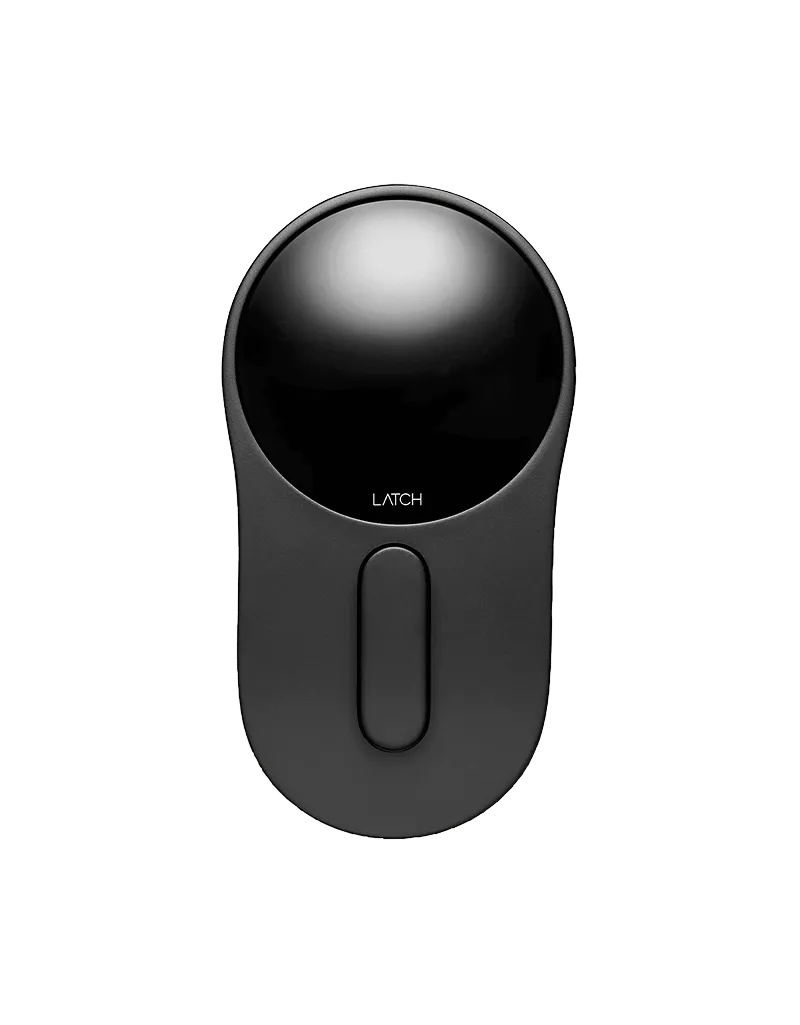
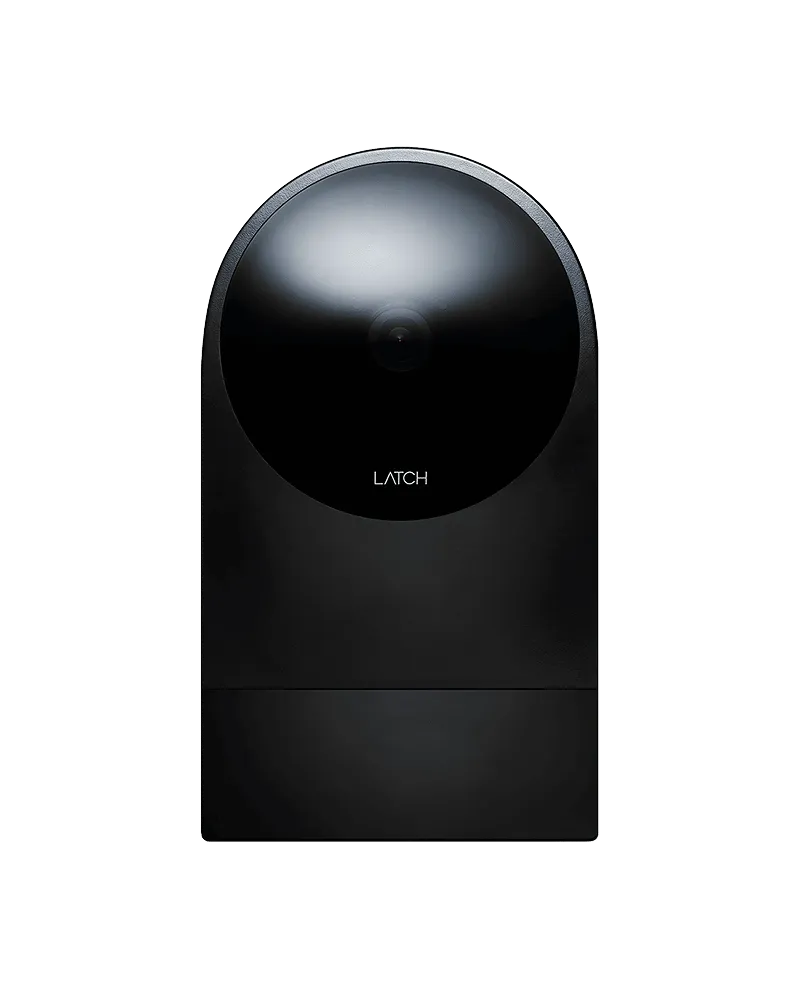
Rather than treating the front entrance, unit lock, intercom, smart home devices, and operational software as separate categories, DOOR brings them together through DOOR OS, the DOOR App, and first-party hardware. DOOR's internal platform strategy is explicitly designed around unifying hardware, software, automation, and building operations rather than remaining an access-only solution. That means operators can manage access alongside connected building functions instead of creating a new point solution every time they modernize another part of the property.
DOOR can support access across unit doors, entrances, amenities, elevators, and shared spaces while connecting those workflows with smart home devices and property management data. DOOR OS can centralize access, thermostats, sensors, and unit status, while the resident-facing DOOR App brings mobile access and smart home capabilities into the resident experience. DOOR Speaking Points_08.11.2025
DOOR also integrates with all major multifamily PMS platforms, including Yardi, RealPage, Entrata, and AppFolio, allowing resident and lease data to support access workflows rather than requiring staff to repeat the same work across systems. For a deeper explanation, see how PMS data powers smart access.
Where DOOR stands apart
The biggest advantage isn't simply a longer feature list. It's vertical integration.
Many access platforms create a unified interface by connecting technology from multiple vendors. DOOR's strategy is to make access part of a broader first-party building ecosystem.
That matters because access is often only the first layer.
Once a property knows who should have access, to which spaces, and when, the same operational layer can support workflows involving unit status, thermostats, sensors, maintenance, and eventually broader Building Intelligence.
As DOOR describes in its guide to Building Intelligence, smart locks, thermostats, sensors, and apps create far more value when they operate as part of a connected system instead of a patchwork of standalone products.
Bottom line: If the goal is simply to install electronic access at a few doors, there are many capable options. If the goal is to create a common operational foundation across access, smart home, automation, and building operations, DOOR offers the most complete approach on this list.
2. ButterflyMX: Best for Visitor Access and Intercom-Led Deployments

Best for: Properties that prioritize visitor entry, video intercom, and a polished mobile access experience.
ButterflyMX has built one of the most recognizable brands in multifamily access, particularly around visitor entry and video intercoms.
Its capabilities have also expanded significantly beyond the front door. ButterflyMX now supports access across common areas and individual apartment units through its own access products and integrations with smart lock manufacturers including dormakaba, SALTO, Yale, Kwikset, and others. It also integrates with PMS platforms and other proptech systems.
However, its broader capabilities also illustrate an important difference between integration and vertical integration.
For example, ButterflyMX's dormakaba solution combines ButterflyMX software and intercom technology with dormakaba locks. Its SALTO, Yale, Kwikset, elevator, smart apartment, and other capabilities similarly involve an ecosystem of partner technologies.
This can create a convenient experience for residents, but owners should look beyond whether everything appears in one app and ask what technologies are actually operating behind it.
How many vendors are involved? Who supports each layer? Which functions are native? What happens when an integration changes? How much of the building can one vendor ultimately own and operate? What is the cost associated with needing additional technology partners?
Those are especially important questions for owners trying to standardize technology across a portfolio.
Bottom line: ButterflyMX is a strong choice for operators focused on visitor access and intercom-led experiences and has expanded meaningfully into property-wide access. For operators who want a more vertically integrated foundation spanning access, smart home, hardware, automation, and building intelligence, DOOR provides a broader first-party platform.
For more on this distinction, read Access Control vs. Intercom Systems for Multifamily Buildings.
3. Brivo: Best for Security-Focused and Mixed-Use Portfolios

Best for: Operators that want a mature cloud security platform with broad access, video, and security capabilities.
Brivo is an established cloud access control provider with a growing multifamily offering. Its Multifamily Edition supports common-area access, individual units through Brivo Smart Home and compatible lock integrations, visitor workflows, video, PMS integrations, and smart building capabilities.
Brivo’s strength is its security-first architecture. Access control, video, monitoring, credentials, and related security functions sit at the center of the platform, making it a strong fit for mixed-use portfolios or operators with more traditional enterprise security requirements.
That commercial foundation is also an important distinction for multifamily buyers. Brivo’s residential capabilities extend a platform originally built around enterprise access and security, so features such as smart home controls and in-unit experiences sit in additional product layers rather than forming the core of the platform. As operators add those capabilities, they may also introduce more technology, integrations, and implementation complexity—which can increase the overall cost and effort required to build out the full resident experience.
By contrast, DOOR is designed specifically around multifamily operations, with access, resident workflows, smart home, and building intelligence developed as parts of the same vertically integrated environment.
Bottom line: Brivo is a strong cloud security and access control platform, particularly for operators prioritizing enterprise security infrastructure. DOOR is the more complete fit for multifamily owners who want access, residential technology, and building operations to function as one integrated platform.
4. SALTO: Best for Electronic Locking Flexibility

Best for: Properties prioritizing sophisticated electronic locking and flexible access deployment.
SALTO has deep expertise in electronic locking and access control, with residential offerings including SALTO Homelok, SALTO KS, SALTO Space, and a broad hardware portfolio.
Its multifamily solutions can cover main entrances, individual apartments, amenities, garages, elevators, storage areas, and other access points. SALTO also supports mobile credentials, centralized access management, guest and vendor permissions, and online and offline access configurations.
Its residential-focused Homelok platform also supports remote visitor and service access and is designed for multifamily and smart-living environments.
SALTO is therefore more than a lock manufacturer.
Still, access remains the center of the platform. SALTO emphasizes its ability to integrate with property management systems, smart home products, IoT devices, security systems, and other third-party technology.
For owners who primarily want flexible, proven electronic access, that's a strength.
For portfolios trying to consolidate access, smart devices, resident experience, PMS-driven automation, and building operations into a more vertically integrated platform, additional systems and integrations can still become part of the equation.
Bottom line: SALTO is a very capable access and electronic locking platform. DOOR goes further by making access one component of a wider multifamily operating environment.
5. Avigilon Alta: Best for Access and Video Security

Best for: Properties where cloud access control and video security are the primary priorities.
Avigilon Alta combines cloud-managed access control with a strong video security ecosystem.
Operators can manage doors, sites, users, mobile credentials, guest passes, lockdowns, and access events remotely. Alta Access also integrates natively with Alta Video, allowing security teams to connect door events with video footage.
For multifamily properties, Avigilon promotes mobile access across entrances and shared areas, and individual-unit access can be enabled through integrations with platforms such as iApartments.
This is a strong model for operators whose technology strategy starts with physical security.
But that also defines the distinction from DOOR.
Avigilon's broader ecosystem is centered on security infrastructure: access control, cameras, credentials, alerts, and related integrations. DOOR starts with multifamily building operations and connects access to the residential experience, smart home technology, automation, and property workflows.
Bottom line: Avigilon Alta makes sense when access and video security are the center of the buying decision. DOOR is a more complete choice when owners want access to become part of the property's broader operating platform.
6. dormakaba: Best for Access Hardware and Locking Depth

Best for: Multifamily properties that prioritize established electronic lock hardware and broad access-control capabilities.
dormakaba has deep experience in physical access, with multifamily solutions spanning apartment units, building entrances, common areas, parking, amenities, and other controlled openings. Its portfolio includes electronic locks, mobile credentials, access management software, and cloud-connected tools, giving operators flexibility across a wide range of property types.
That hardware depth is dormakaba’s biggest strength. The tradeoff is that the broader experience can be more dependent on multiple systems, integrations, and product layers than a vertically integrated platform. For property teams, that can make ownership and support less straightforward when an issue crosses hardware, software, connectivity, or an integration partner.
Operators should also pay close attention to system architecture and lifecycle management. Some dormakaba environments can rely on locally managed infrastructure or legacy components, so it is important to understand what happens during an outage, how quickly service can be restored, and what the migration path looks like as products reach end of life.
Those considerations become more important at portfolio scale. A platform can offer excellent locking hardware and still create operational friction if teams need to navigate different systems or vendors to diagnose issues and maintain the full environment.
DOOR takes a different approach by combining first-party access hardware, software, smart home capabilities, and building operations within one vertically integrated platform.
Bottom line: dormakaba is a strong option for operators focused on proven access hardware and electronic locking. DOOR is the more complete choice for multifamily owners who want to reduce system fragmentation and manage access as part of a unified building operating platform.
7. SmartRent: Best for Smart-Home-Led Multifamily Deployments
Best for: Multifamily operators that want a smart home automation platform with access control capabilities.
SmartRent is one of the more established multifamily smart home platforms, combining access control with connected devices such as smart locks, thermostats, and sensors. Its platform can work well for operators that want to automate in-unit experiences across large portfolios.
The biggest architectural consideration is hub dependency.
SmartRent deployments typically rely on an Alloy Hub in each unit to connect that unit’s smart devices. That means the lock, thermostat, sensors, and other connected devices depend on a dedicated hub at the apartment level. If that hub loses connectivity or fails, the smart home functionality tied to it can be disrupted until the issue is resolved.
That model also means operators are deploying and maintaining another piece of hardware in every unit.
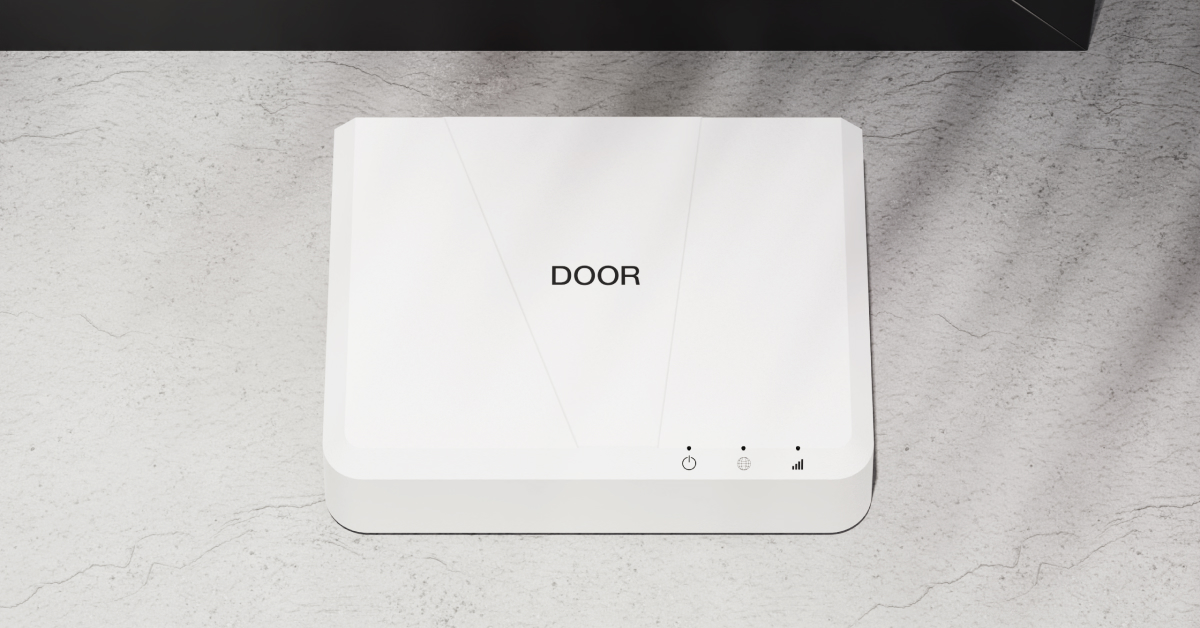
DOOR takes a materially different approach. A single DOOR Hub can connect up to 200 devices, allowing operators to support many connected devices across the property without requiring a dedicated hub inside every apartment. That can reduce hardware density, simplify infrastructure, and eliminate the need to manage hundreds of individual in-unit hubs across a large community.
The distinction becomes even more meaningful at portfolio scale. In a 300-unit property, a hub-per-unit architecture can mean hundreds of additional devices that need to remain powered, connected, updated, and supported. DOOR’s architecture is designed to connect building systems more broadly rather than treating each apartment as its own isolated smart home environment.
There is also a broader philosophical difference. SmartRent's foundation is smart home automation, with access control incorporated into that ecosystem. DOOR is built around access as part of a larger building operating platform, connecting resident access, smart home technology, property workflows, and ultimately Building Intelligence.
Bottom line: SmartRent is a capable option for operators prioritizing traditional multifamily smart home automation. DOOR offers a more streamlined architecture, with hubs that can support up to 200 devices rather than requiring one in every unit, while connecting access and smart home technology to a broader building intelligence platform.
Key Fobs vs. Mobile Access vs. PINs: Which Is Best?
There doesn't need to be one winner.
A modern apartment access control system should support the credentials required by different people and workflows.
- Mobile access is convenient for residents and staff because credentials can be issued and revoked digitally without distributing physical keys.
- Fobs and cards still matter for residents who don't want to rely on a smartphone, employees, vendors, or properties transitioning from existing credential systems or locations that has physical key requirements by law.
- PIN codes work especially well for temporary visitors, vendors, maintenance personnel, prospects, and other users who don't need a permanent credential and work well as a backup method of unlock.
For most multifamily operators, credential flexibility is more valuable than committing to a single credential type.
The goal is to make access easier to manage without creating exceptions that send staff back to physical key workflows.
Why PMS Integration Matters for Apartment Access Control
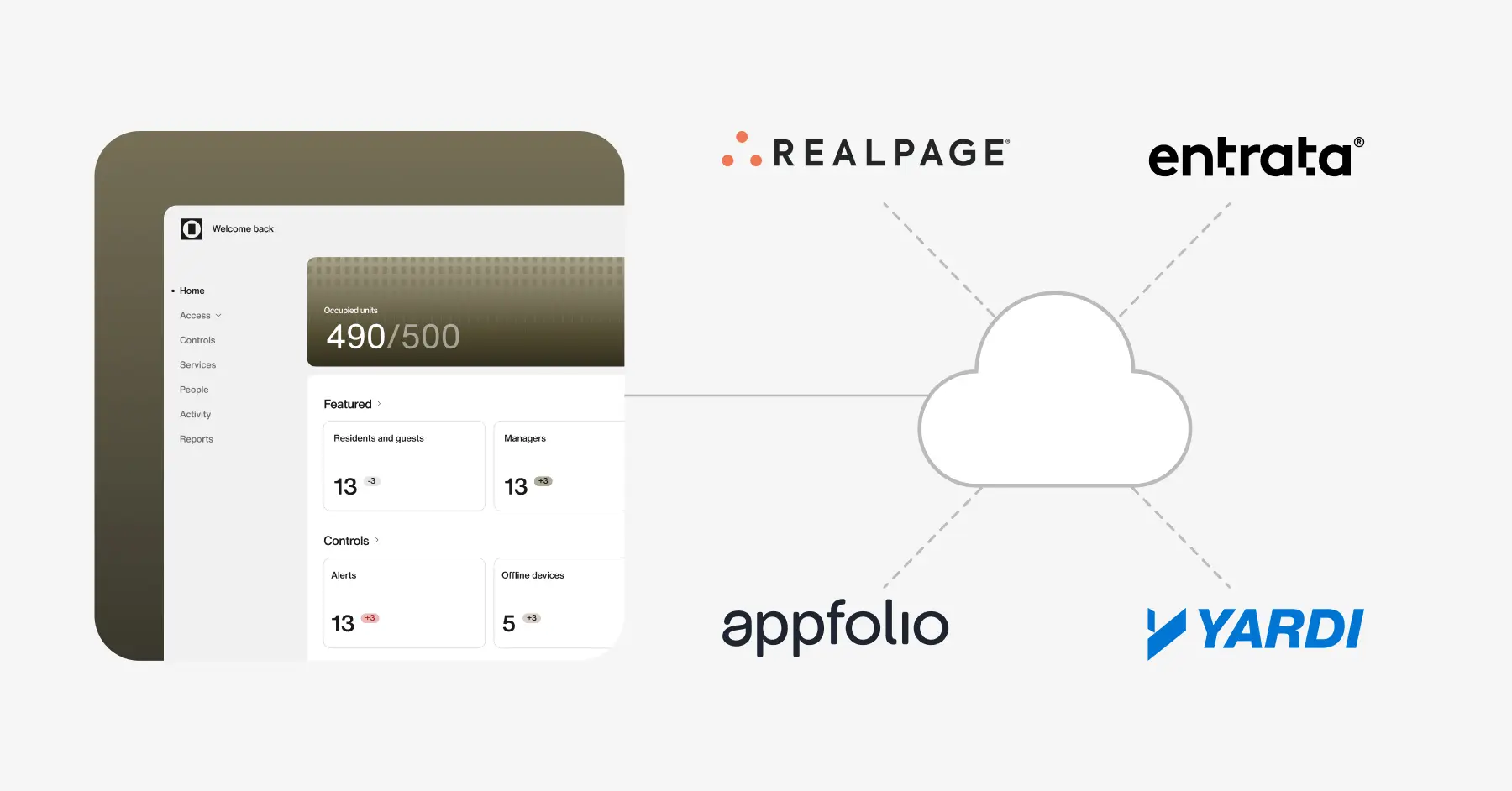
A property management system already knows when a resident is moving in, transferring units, renewing, or moving out.
Your access platform shouldn't require property staff to enter all of that information again.
With a strong PMS integration, resident and lease information can support access provisioning automatically. For example:
- A move-in can trigger appropriate access.
- A move-out can revoke credentials.
- Unit transfers can update permissions.
- Maintenance workflows can support temporary access.
- Staff can spend less time keeping multiple systems in sync.
This is where operators should look beyond the question "Does it integrate with our PMS?"
Ask what the integration actually does.
Which system is the source of truth? What information syncs? How quickly do updates happen? What happens when a resident changes units or stays beyond a scheduled move-out date?
Read more in DOOR's guide to property management system integration for multifamily smart access.
Cloud-Based vs. On-Premise Apartment Access Control
Cloud-based systems have become increasingly common because they allow operators to manage access remotely across multiple properties.
Instead of maintaining a local server at every community, teams can issue credentials, update permissions, view activity, and manage sites from centralized software.
That can be particularly valuable for regional and portfolio-level operators.
But "cloud-based" should not be treated as a synonym for "better."
Operators should also understand:
- What happens if internet connectivity fails?
- Which credentials continue working offline?
- Where permissions are stored?
- How quickly devices receive updates?
- What local infrastructure is required?
- How access data is secured and retained?
A system that looks good in a demo still needs to function when a network connection doesn't.
For a deeper breakdown, see DOOR's guide to cloud-based access control for multifamily.
How Much Does an Apartment Access Control System Cost?
There isn't one useful "cost per door" that applies to every multifamily building.
The actual cost depends on factors including:
- Number and type of openings
- Unit locks
- Common-area readers
- Wiring and power requirements
- Controllers and network infrastructure
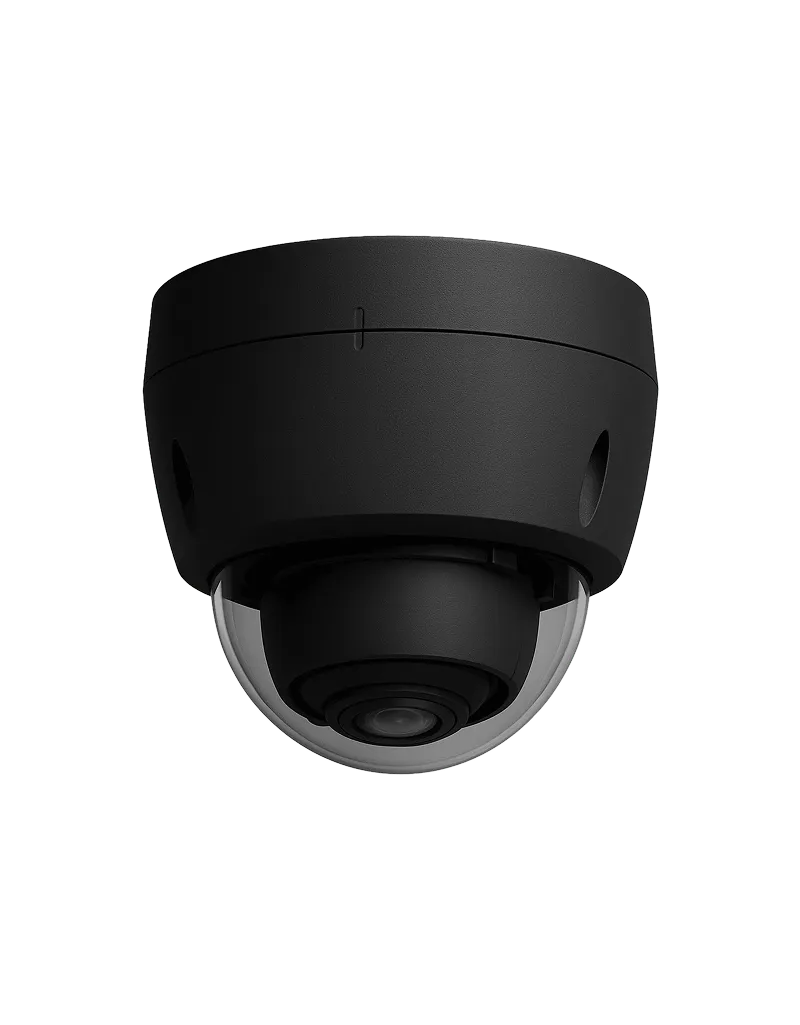
- Intercoms and video
- Elevators, gates, and garages
- Software subscriptions
- Installation labor
- Integrations
An older retrofit may have very different installation requirements from a new development, even when both properties ultimately use similar access technology.
That's why operators should evaluate total cost of ownership, not simply hardware price.
A cheaper lock doesn't necessarily create a cheaper system if the property then needs separate intercom, access control, smart home, resident app, and automation platforms to complete the building.
For properties comparing deployment strategies, see Smart Lock Installation for Multifamily: Retrofit vs. New Construction.
How to Choose the Best Apartment Access Control System
Before comparing product features, map how people actually move through the property.
Start with every opening: apartment units, entrances, amenities, elevators, garages, gates, package rooms, maintenance areas, and staff-only spaces.
Then map the people: residents, staff, prospects, vendors, maintenance teams, delivery personnel, guests, and emergency personnel.
Finally, map the workflows connecting them.
The strongest questions to ask vendors are:
- Can the same platform manage unit doors and common-area access?
- Which credentials can residents, staff, vendors, and visitors use?
- What happens to access during an internet outage?
- What multifamily PMS platforms are supported?
- What does the PMS integration actually automate?
- Which hardware is native and which requires third-party integrations?
- How many apps, dashboards, vendors, and support relationships will the property ultimately need?
- Can the same platform support smart home and building operations?
- Can it scale consistently across the portfolio?
- What will the complete system cost to operate over several years?
That sixth and seventh question deserve more attention than they usually receive.
Two solutions can both claim "property-wide access" while having very different architectures underneath.
Integration can make multiple products work together. Vertical integration reduces the number of products that need to be stitched together in the first place.
For multifamily owners focused on operational simplicity, that's an important distinction.
Which Apartment Access Control System Is Best?
Every platform in this comparison has a legitimate strength.
ButterflyMX has built an excellent visitor and intercom experience. Brivo and Avigilon Alta bring considerable depth in cloud security. SALTO and dormakaba have extensive access hardware expertise. SmartRent has a strong multifamily smart home platform.
But the requirements of a modern apartment building extend beyond any single one of those categories.
Access now touches leasing, unit turns, maintenance, resident experience, smart home, energy management, risk, and portfolio operations.
That's why DOOR is our pick for the best overall apartment access control system for multifamily in 2026.
DOOR is not simply trying to connect more access products. Its platform is built around bringing hardware, software, access, smart home, automation, and building operations into one integrated ecosystem. That strategy aligns with DOOR's broader move from standalone access control toward Building Intelligence.
For owners and operators, the payoff is straightforward: fewer disconnected systems to manage and a stronger technology foundation for what comes next.
Because the best access control system shouldn't stop at opening the door.
It should help the entire building operate better.
Frequently Asked Questions
What is an apartment access control system?
An apartment access control system manages who can enter specific areas of a multifamily property, when they can enter, and which credentials they can use. Modern systems can cover building entrances, individual units, amenities, garages, elevators, package rooms, and staff-only areas.
What access points should an apartment access control system cover?
A strong apartment access control system should cover more than the front door. Owners and operators should consider unit doors, building entrances, elevators, garages, gates, amenities, package rooms, maintenance areas, and other controlled spaces across the property.
How do apartment access control systems integrate with property management software?
PMS integrations can connect resident and lease data with access permissions so move-ins, move-outs, transfers, and other changes do not have to be managed manually in multiple systems. The best integrations reduce duplicate work and help access stay aligned with the resident lifecycle.
What is the ROI of apartment access control systems?
ROI can come from reducing rekeying and credential-management work, automating move-in and move-out workflows, improving staff efficiency, reducing unnecessary site visits, and consolidating disconnected systems. The total value depends on how broadly the access platform connects with the rest of the property’s operations.



%201.webp)


%201.webp)
.webp)
.webp)
.webp)