


.webp)
Multifamily operators are under more pressure than ever to improve performance while controlling costs. Labor shortages, rising insurance premiums, increasing utility expenses, and expanding resident expectations are forcing owners and operators to rethink how buildings are managed.
In that environment, technology adoption is no longer about adding amenities for the sake of innovation. Operators want systems that improve NOI, reduce operational overhead, and simplify daily workflows across entire portfolios.
That shift is changing the role of IoT in multifamily housing.
For years, smart apartment technology was often treated as a collection of disconnected devices. Smart locks operated separately from thermostats. Leak sensors lived inside different dashboards. Access control, automation, and maintenance workflows rarely worked together.
Today, operators are moving toward something different: unified building systems that connect devices, access, automation, and operations into one centralized platform.
The difference is significant. Connected technology only creates value when it helps teams run buildings more efficiently at scale.
What Is IoT for Multifamily?
IoT for multifamily, also known as Smart Home Technology, refers to connected devices and systems that communicate through a centralized platform to improve building operations, energy management, maintenance workflows, and resident experiences.
In apartment buildings, this often includes:
- Smart locks
- Smart thermostats
- Leak detection sensors
- Smart lighting
- Access control systems
- Connected building devices
But multifamily properties operate very differently from single-family smart homes.
Apartment operators manage:
- Hundreds or thousands of units
- Shared building entrances and amenities
- Frequent resident turnover
- Multiple maintenance teams and vendors
- Portfolio-wide operational standards
That complexity changes how IoT systems need to function.
In multifamily environments, connected devices are not just resident conveniences. They become part of the operational infrastructure of the building itself.
This evolution is driving the industry toward a broader concept often referred to as Building Intelligence, where access systems, smart home devices, operational workflows, and automation work together inside a single ecosystem rather than operating as disconnected tools.
How IoT Systems Actually Work in Apartment Buildings
Most discussions around IoT focus on categories like consumer devices or smart home gadgets. In multifamily housing, however, what matters most is how the system is structured and whether the technology can scale efficiently across an entire property or portfolio.
Device Layer
The device layer includes the physical hardware installed throughout the property:
- Smart locks
- Thermostats
- Leak sensors
- Occupancy sensors
- Lighting controls
- Access readers
These devices collect information and perform specific functions throughout the building. However, devices alone do not create operational value. The real impact comes from how they connect and work together.
Network Layer
The network layer determines how devices communicate across the property.
Common connectivity approaches include:
- Zigbee
- Z-Wave
- LoRa
This layer directly affects:
- Infrastructure requirements
- Installation complexity
- Reliability across units and floors
- Long-term scalability
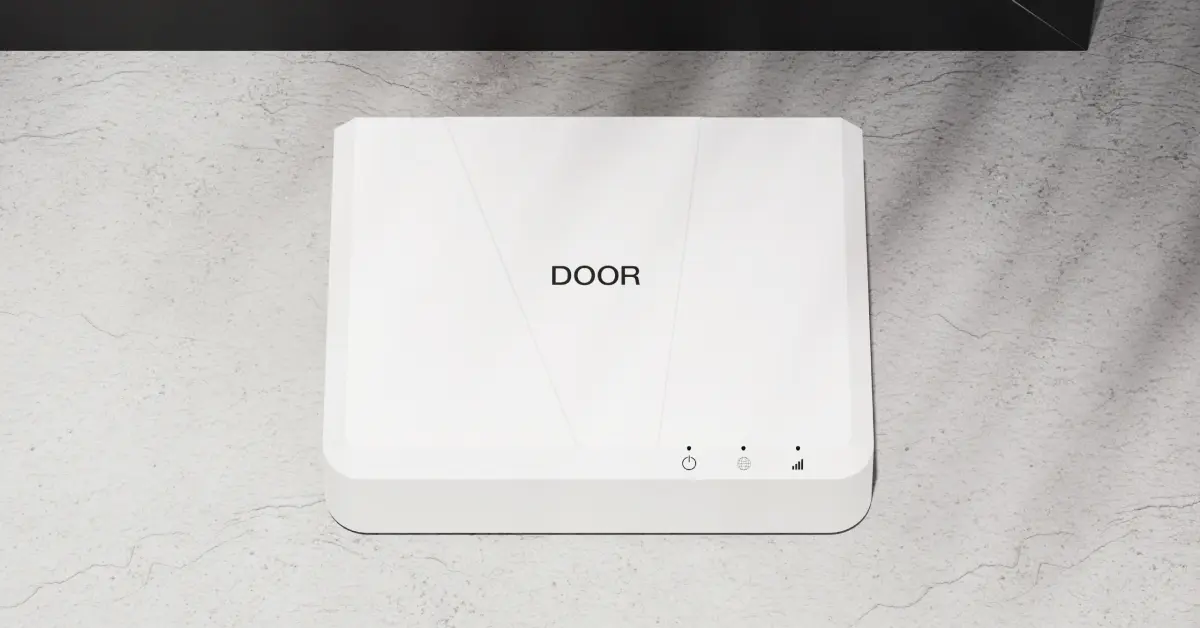
Many multifamily systems rely on Z-Wave networks that require dedicated hubs inside individual units. While this architecture can work for smaller deployments, infrastructure complexity increases significantly as portfolios scale.
Long-range network models like LoRa approach connectivity differently. Instead of requiring hardware throughout every apartment, centralized hubs can support devices across much larger portions of the property.
For multifamily operators, the network architecture is not simply a technical consideration. It directly impacts deployment costs, maintenance overhead, and long-term operational efficiency.
To learn more about network technologies for multifamily, check out our article: Understanding Z-Wave, Zigbee, and LoRa for Smart Apartments
Platform & Application Layer
The platform layer is where connected technology becomes operationally valuable.
This includes:
- Centralized dashboards
- PMS integrations
- Automation engines
- Operational workflows
- Portfolio-level visibility
The application layer is how operators use that system in practice:
- Managing energy policies
- Coordinating maintenance
- Automating workflows
- Monitoring building performance
- Responding to operational risks
Most IoT systems do not fail because of the devices themselves. They fail because the devices, platforms, and workflows are fragmented across multiple systems.
When access control, smart home devices, and operational workflows operate separately, teams are forced to manage disconnected dashboards and vendors. Instead of simplifying operations, technology creates more complexity.
What to Look for in an IoT Platform for Apartments
Not all IoT platforms are designed for multifamily operations at scale. Some focus primarily on individual devices. Others prioritize access control or resident-facing features without addressing operational workflows.
For operators evaluating IoT building solutions, the most important question is whether the platform simplifies operations as portfolios grow.
A Unified Platform
The strongest multifamily systems centralize access control, smart devices, automation, and operational workflows into one platform.
When teams need to switch between multiple dashboards to manage daily operations, inefficiencies increase quickly. A unified system reduces operational friction and improves consistency across properties.
Scalable Connectivity
Infrastructure design matters more than many operators initially realize.
Hub-per-unit architectures increase:
- Hardware requirements
- Installation costs
- Maintenance complexity
- Failure points across the property
More scalable network models reduce the amount of hardware required while improving coverage and reliability across large multifamily environments.
Operational Workflows
IoT platforms should do more than control devices.
The most valuable systems support:
- Automated maintenance workflows
- Real-time alerts
- Policy-based automation
- Operational coordination across teams
Without operational workflows, connected devices become isolated technologies rather than operational infrastructure.
Portfolio Consistency
As portfolios expand, operators need systems that create standardized processes across properties and regions.
This includes:
- Centralized management
- Consistent workflows
- Shared operational visibility
- Unified reporting
Total Cost of Ownership
Upfront pricing tells only part of the story.
Operators should also evaluate:
- Infrastructure requirements
- Installation complexity
- Ongoing maintenance
- Staff time spent managing systems
- Long-term scalability costs
In many cases, the network architecture and operational design have a larger impact on total ownership cost than the devices themselves.
DOOR
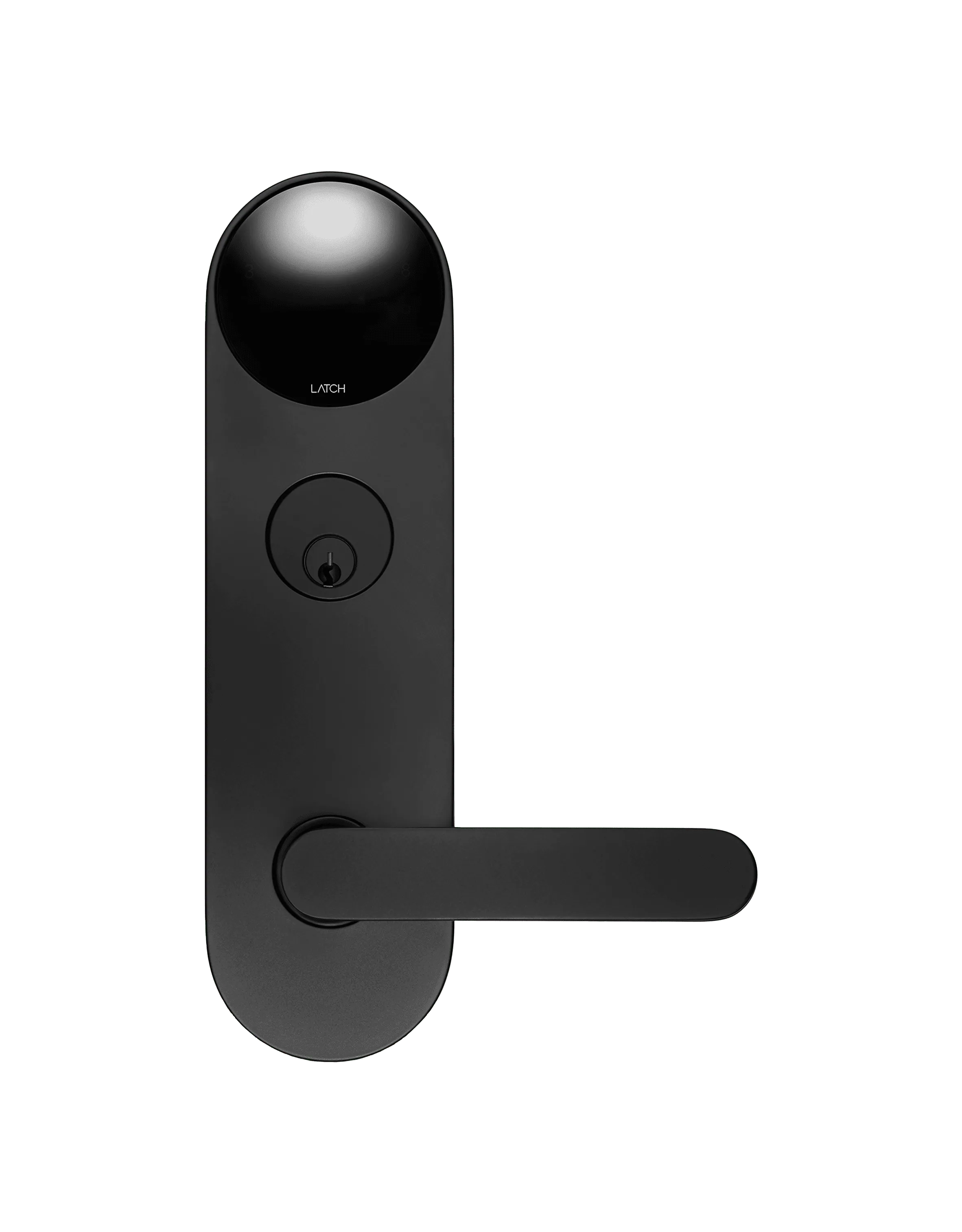
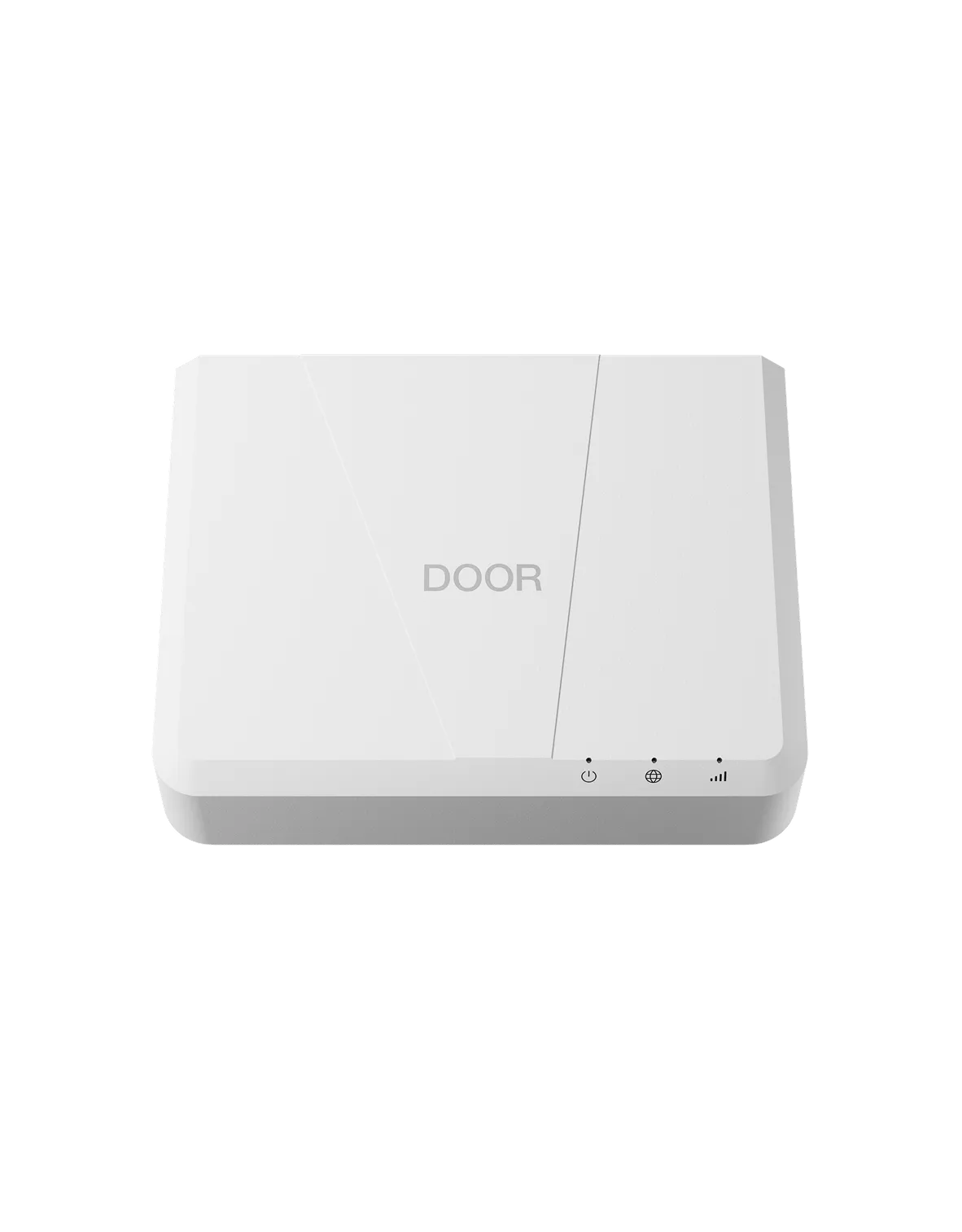
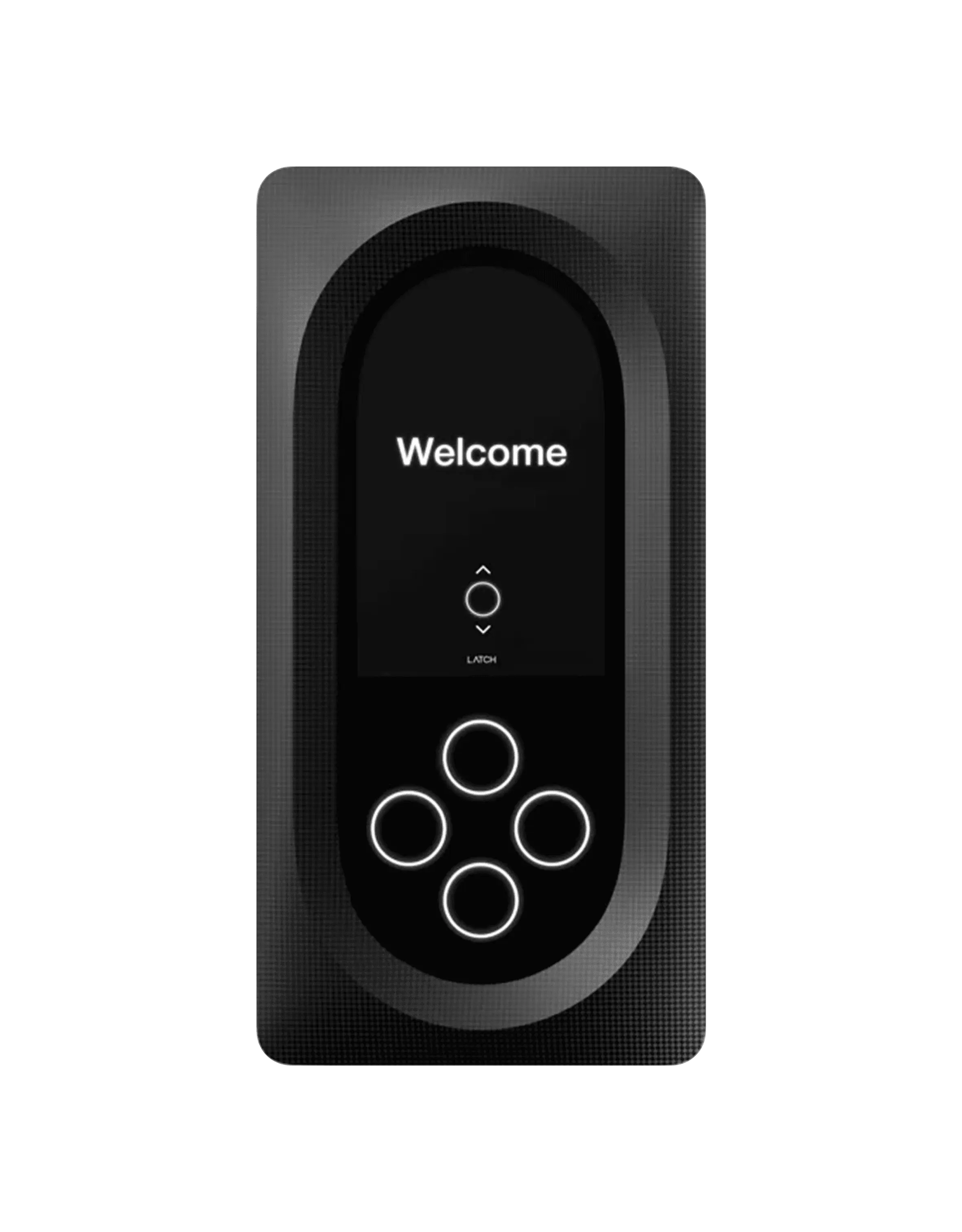
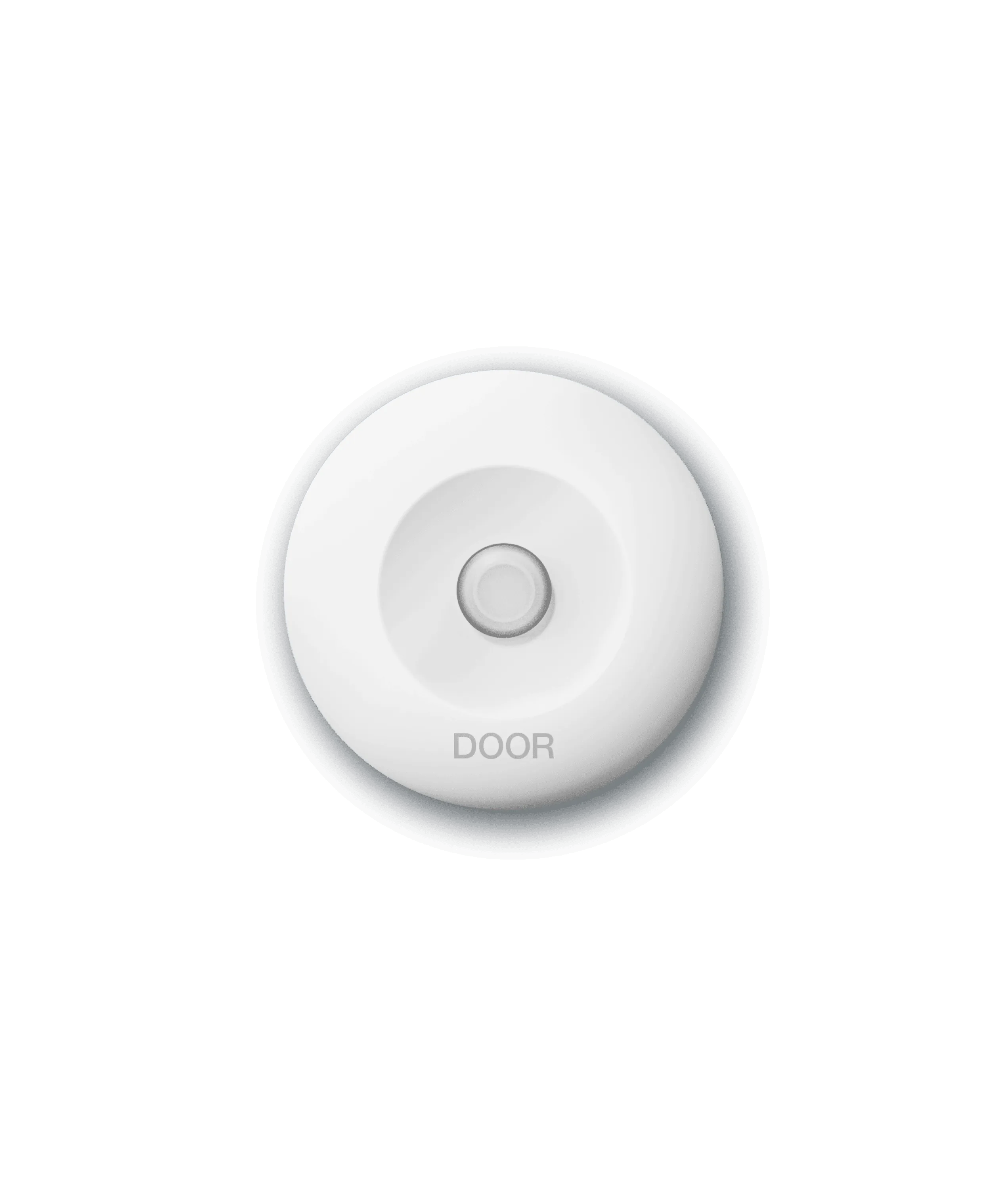
DOOR is built as a unified operating platform for multifamily buildings.
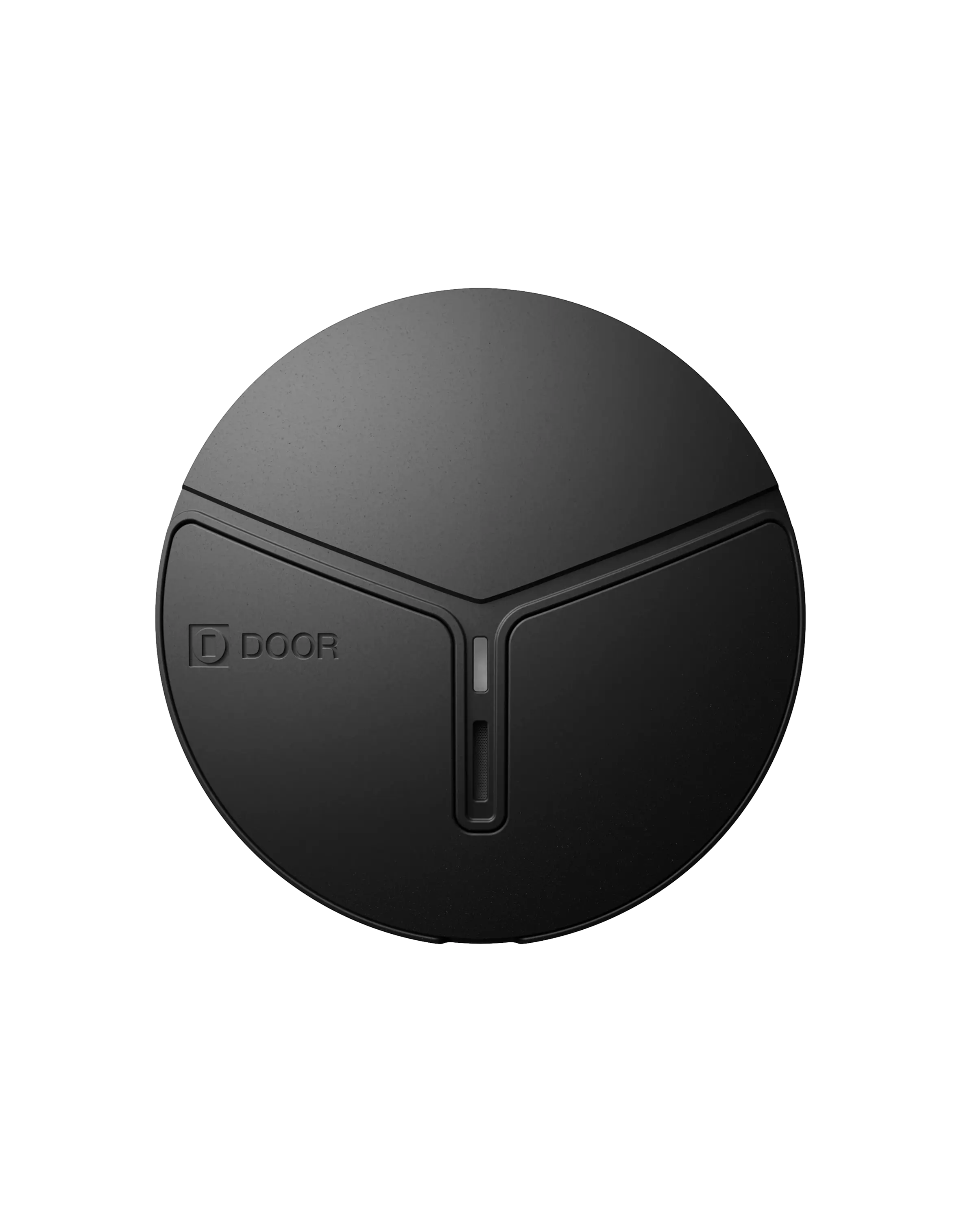
The platform combines access control, smart home devices, automation, and operational workflows into a single system designed specifically for multifamily environments. Instead of requiring teams to manage separate tools for access, IoT devices, and operations, DOOR centralizes building management into one platform.
A major differentiator is infrastructure design. DOOR uses a centralized LoRa-based network architecture that supports devices across large portions of the property with significantly fewer hubs than traditional unit-based systems. This reduces hardware requirements, simplifies deployment, and lowers long-term maintenance overhead.
For operators managing growing portfolios, the value comes from operational consistency. Access, thermostats, sensors, workflows, and building automation all operate inside the same ecosystem, allowing teams to manage properties from one operational layer rather than multiple disconnected systems.
Brivo
Brivo is a cloud-based access control platform with a long history in enterprise security and commercial real estate. Its core platform focuses on managing credentials, doors, users, and access policies through cloud-connected controllers that continue operating even if internet connectivity is interrupted.
For multifamily operators, Brivo also offers smart apartment capabilities through optional integrations and products such as the Brivo Smart Apartment solution, which can support connected devices alongside access control. However, these capabilities are distinct from Brivo's core access platform and may require additional hardware or integrations depending on the deployment.
As a result, operators evaluating Brivo should consider whether they are primarily looking for enterprise-grade access control or a broader building operations platform that unifies access, smart home devices, automation, and operational workflows under a single ecosystem.
SmartRent
SmartRent offers one of the largest smart apartment ecosystems in multifamily, including smart locks, thermostats, sensors, and automation tools designed specifically for residential communities.
Much of SmartRent's smart apartment deployment relies on Z-Wave technology and in-unit hubs that connect devices within each apartment. This architecture has enabled broad adoption across the industry and supports a wide variety of connected devices.
For operators managing large portfolios, however, infrastructure design becomes an important consideration. Z-wave hub-based architectures can require significant hardware throughout a property, increasing installation requirements and long-term maintenance responsibilities as deployments grow.
Many operators also pair SmartRent with separate systems for access control, visitor management, or other operational workflows. Whether this creates additional operational complexity depends on the technology stack an owner chooses and how those systems are integrated.
ButterflyMX
ButterflyMX has become one of the most recognizable names in multifamily visitor entry by focusing on cloud-based video intercoms and property access.
Its platform excels at simplifying guest entry, package deliveries, and resident access at the building entrance, making it particularly attractive for properties looking to modernize front-door operations.
While ButterflyMX integrates with numerous third-party systems, its primary focus remains visitor entry and building access rather than providing a comprehensive platform for smart home management, building automation, and operational workflows. Operators seeking broader building management capabilities often pair ButterflyMX with additional technology platforms.
Allegion / Schlage
Allegion and Schlage remain among the most widely deployed hardware providers in multifamily housing, offering electronic locks, readers, and access devices that are trusted across both new developments and retrofit projects.
Their products provide reliable physical access infrastructure and integrate with numerous software platforms throughout the industry.
Because Allegion's portfolio is hardware-first, operators commonly combine these products with third-party software for smart home management, automation, analytics, and operational workflows. The result can be a flexible technology stack, although managing multiple platforms may require additional integration planning as portfolios grow.
High-Impact IoT Use Cases for Multifamily Buildings
The most valuable IoT systems do more than connect devices. They help operators reduce operational costs, automate workflows, improve visibility across properties, and protect long-term asset value.
In multifamily housing, the strongest use cases are the ones that remove friction from daily operations while creating measurable financial impact.
Leak Detection & Risk Prevention
Water damage remains one of the largest operational risks in multifamily housing. A single leak can quickly spread across multiple units, resulting in expensive repairs, insurance claims, resident disruption, and long-term asset damage.
Connected leak detection systems help operators identify issues early, before visible damage escalates throughout the building. Sensors placed near sinks, appliances, and plumbing infrastructure can detect moisture immediately and trigger alerts in real time.
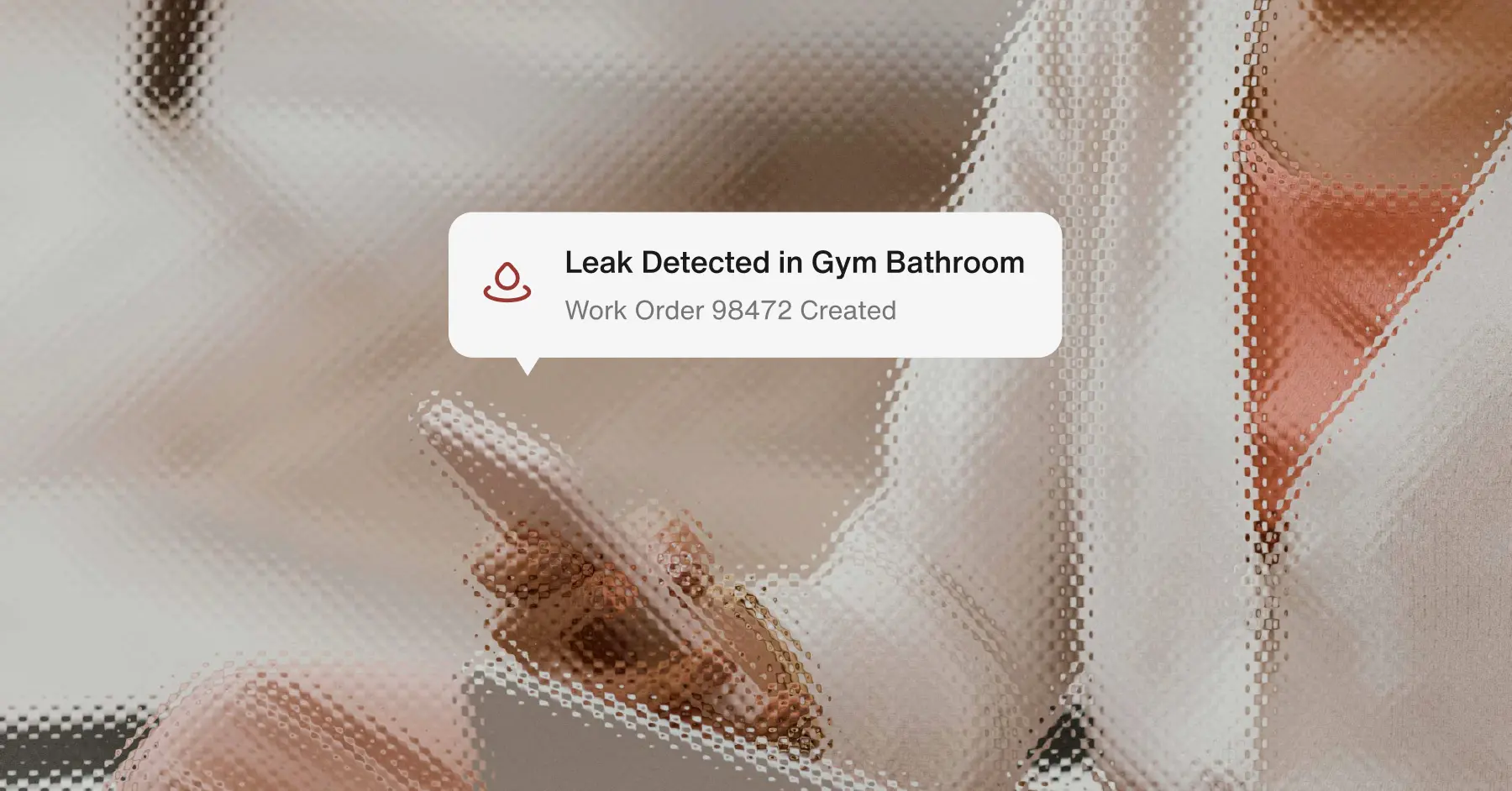
When integrated into a centralized platform, these systems become operational tools rather than simple notifications. Maintenance workflows can automatically escalate issues, generate work orders, and improve response coordination across teams.
For operators managing large portfolios, early leak detection reduces emergency maintenance events while improving asset protection and operational predictability.
Smart Thermostats & Energy Management
Energy efficiency continues to be one of the most practical and measurable applications of IoT in multifamily operations.
Smart thermostats allow operators to automate HVAC management across units, common spaces, and vacant apartments without requiring constant staff oversight. Vacant units can automatically shift into energy-saving modes while occupied spaces maintain comfortable settings for residents.
This creates several operational benefits:
- Lower utility costs
- Reduced energy waste during turnovers
- More standardized building performance across the portfolio
- Less manual intervention from maintenance teams
According to research on connected building technologies, smart building systems can improve operational efficiency by approximately 20% while helping reduce energy waste across multifamily environments.
For owners balancing NOI goals with ESG initiatives, centralized energy management is becoming an increasingly important part of long-term operational strategy.
Scalable Connectivity: Why Network Architecture Matters
One of the biggest differences between multifamily IoT platforms is how devices connect throughout the property.
Many smart apartment systems rely on Z-Wave connectivity that requires dedicated hubs inside individual units. While this approach can work for smaller deployments, infrastructure complexity increases significantly as properties scale.
Hub-per-unit architectures introduce:
- More hardware across the property
- Higher installation costs
- Additional maintenance requirements
- More potential points of failure over time
Long-range network models like LoRa approach connectivity differently. Instead of requiring hardware throughout every apartment, centralized hubs can support devices across much larger portions of the property.
For multifamily operators, this impacts more than technical performance. Network architecture directly affects:
- Deployment timelines
- Infrastructure cost
- Operational overhead
- Long-term scalability across the portfolio
As connected buildings continue to grow in complexity, infrastructure efficiency becomes one of the most important factors in total cost of ownership.
Smart Home Technology as Operational Infrastructure
Smart home technology is increasingly shifting from a resident amenity to an operational system that supports day-to-day property management.
Connected devices such as thermostats, leak sensors, and smart locks now play a direct role in automating workflows, improving visibility, and reducing manual coordination across teams.
Examples include:
- Thermostats automatically adjusting vacant unit settings
- Sensors surfacing maintenance risks before residents report them
- Access systems streamlining staff and vendor coordination
- Connected devices feeding operational data into centralized platforms
The value comes from integration. When smart home systems operate inside a unified platform, operators gain centralized visibility and operational control across the property instead of managing isolated technologies separately.
For multifamily portfolios, this shift transforms IoT from a collection of resident-facing devices into a scalable operational infrastructure layer.
How Is AI Impacting IoT in Multifamily Buildings?
Artificial intelligence is changing how multifamily operators interact with building systems. Instead of responding to disconnected alerts after problems occur, AI enables connected systems to identify patterns, surface operational risks earlier, and automate decisions across the property.
As buildings generate more data through connected devices, AI is becoming the layer that turns that information into operational intelligence.
From Reactive Alerts to Predictive Operations
Traditional IoT systems are reactive by design. A sensor detects a problem, sends an alert, and teams respond after the issue has already occurred.
AI changes this operational model by analyzing patterns across connected systems over time. Instead of simply identifying events after they happen, AI-enabled systems can recognize anomalies, predict maintenance issues, and surface operational risks before they escalate into larger problems.
Examples include:
- Detecting unusual HVAC behavior before equipment failure occurs
- Identifying irregular water usage patterns that may indicate hidden leaks
- Recognizing abnormal access activity across buildings
- Predicting maintenance needs based on device performance trends
For multifamily operators, this creates a major shift in how buildings are managed. Teams spend less time reacting to emergencies and more time preventing operational disruptions before they impact residents or property performance.
As connected systems mature, predictive operations are becoming one of the most valuable long-term applications of AI in multifamily technology.
Why AI Requires a Unified Platform
AI is only as effective as the system it operates within.
Many multifamily properties still rely on fragmented technology stacks where access control, smart home devices, maintenance systems, and resident applications all operate independently. In these environments, data remains siloed across multiple systems, limiting what AI can actually analyze or automate.
Unified platforms create a fundamentally different operational environment.
When access systems, thermostats, leak sensors, automation workflows, and operational data all exist within the same ecosystem, AI can identify relationships and patterns across the entire property instead of within isolated tools.
This enables:
- Portfolio-wide operational insights
- Predictive maintenance workflows
- Smarter resource allocation across teams
- More consistent building performance
- Faster operational decision-making
The future of AI in multifamily is not simply smarter devices. It is smarter systems that unify building operations into a centralized operational layer.
Edge AI in Multifamily Buildings
Edge AI refers to processing data closer to where it is generated, at the device or building level, instead of relying entirely on cloud-based infrastructure.
In multifamily environments, this creates important operational advantages.
First, it improves speed. Systems can process information and trigger actions locally without waiting for cloud communication, which is especially valuable for real-time operational workflows.
Second, it improves reliability. Buildings become less dependent on constant internet connectivity for automation and operational responsiveness.
As multifamily portfolios continue adopting connected technologies, edge AI is helping operators create faster, more resilient systems capable of supporting real-world operational demands at scale.
FAQs
What is IoT for apartments?
IoT for apartments refers to connected devices such as smart locks, thermostats, sensors, and access systems that communicate through a centralized platform to improve building operations and resident experiences.
What are the 4 types of IoT?
The four primary categories of IoT are:
- Consumer IoT
- Commercial IoT
- Industrial IoT
- Infrastructure IoT
Multifamily building technology typically falls within commercial and infrastructure IoT applications.
What are IoT building solutions?
IoT building solutions are connected systems that combine devices, automation, and operational workflows to improve building performance, efficiency, and visibility.
How is AI impacting IoT?
AI improves IoT systems by helping buildings identify patterns, predict operational issues, automate workflows, and surface insights across connected devices and systems.
Do smart apartment systems require a hub?
Some multifamily IoT systems rely on a hub installed inside every unit, while others use centralized connectivity models that support devices across larger portions of the property with fewer hubs.
The multifamily industry is moving beyond disconnected smart devices toward unified systems that simplify operations, reduce infrastructure complexity, and improve long-term building performance.
The platforms that succeed over the next decade will not simply connect more devices. They will make buildings easier to operate at scale.
.webp)



.webp)
.webp)
.webp)

