Installing a smart lock on one door is relatively simple. Installing smart locks across hundreds of apartment units, common areas, entrances, and amenities is a different decision entirely.
For multifamily owners and operators, smart lock installation affects more than the door. The hardware you choose can influence installation costs, construction schedules, resident disruption, ongoing maintenance, and how easily access can connect with the rest of your property technology.
The installation strategy also changes depending on the property. New construction gives developers the opportunity to specify doors and infrastructure around the technology from the beginning. An existing building requires the technology to work with conditions already in place. Conversions and major renovations often fall somewhere in between.
In every case, the goal should be the same: install an access system that solves today's access problems without creating another technology silo to manage tomorrow.
Retrofit vs. New Construction Smart Lock Installation: What's the Difference?
Both retrofit and new construction projects can support smart access. The biggest difference is how much control you have over the conditions surrounding the installation.
Neither approach is inherently better. What matters is matching the smart lock installation strategy to the building and the owner's larger operational goals.
Retrofitting Smart Locks in Existing Multifamily Buildings
For existing apartment communities, the first question is not which smart lock has the longest feature list. It is what is already on the door?
Start With the Door You Already Have
Existing multifamily properties may contain mortise locks, cylindrical locks, interconnected hardware, and multiple generations of door hardware within the same community.
That matters because the existing door preparation determines how straightforward a smart lock retrofit can be.
If a new lock works with the existing door configuration, the property may be able to upgrade without major modification. If it does not, the project can require additional labor, new preparation, or in some cases replacement hardware beyond the lock itself.
For owners evaluating a retrofit, this makes hardware compatibility an important part of both the installation plan and the capital budget.
Look for Hardware Designed Around Retrofit Conditions
Retrofit-friendly hardware can reduce unnecessary complexity.
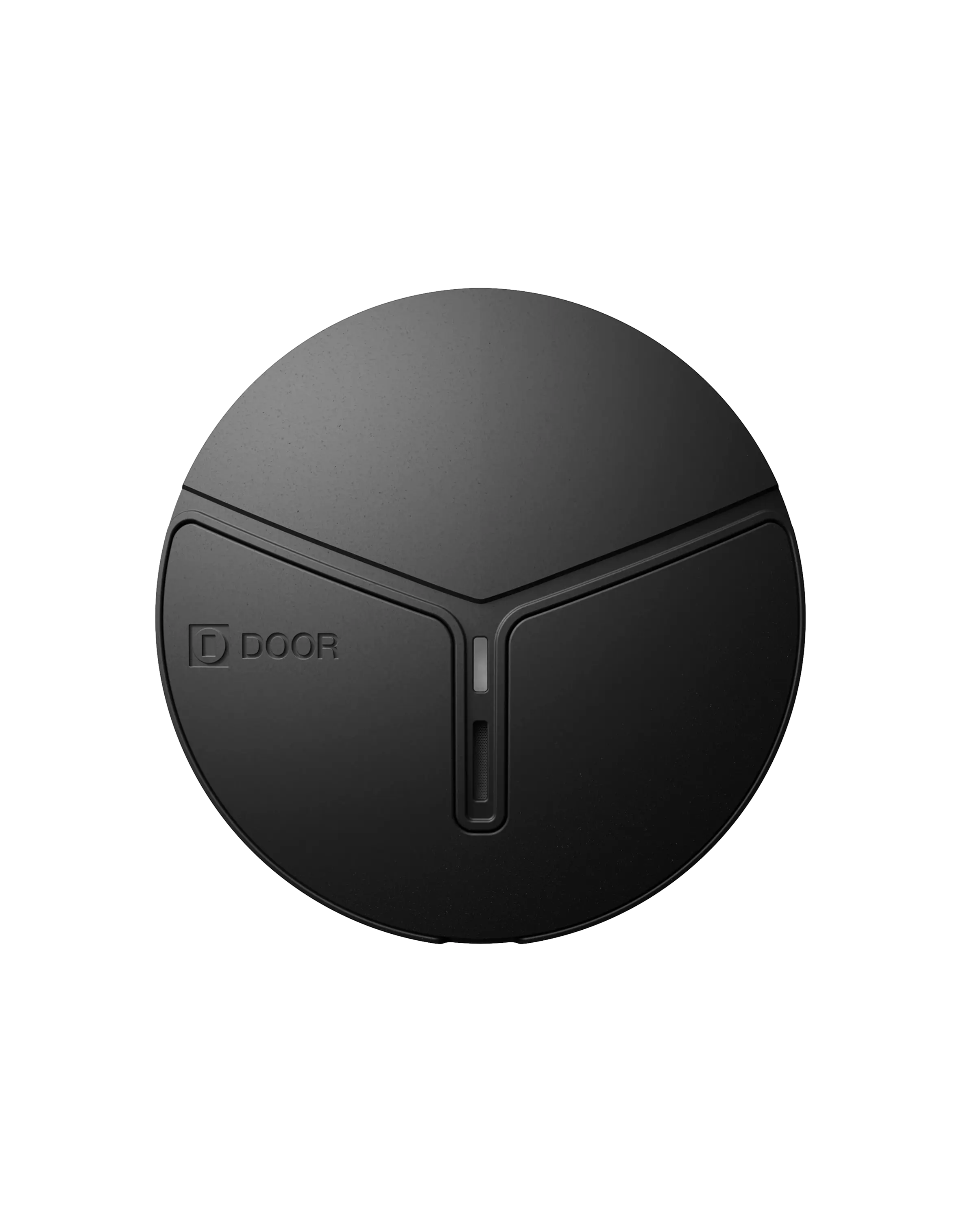
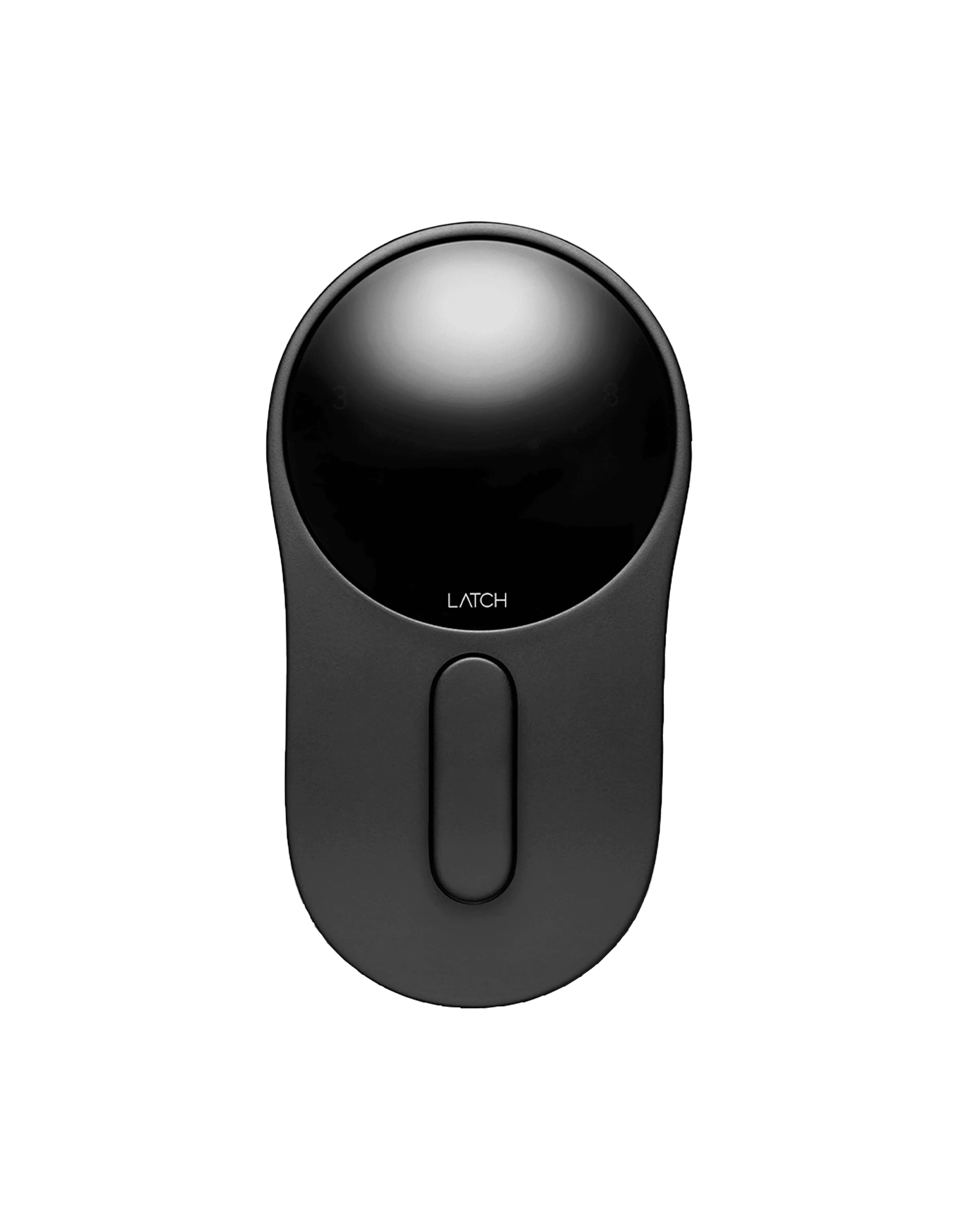
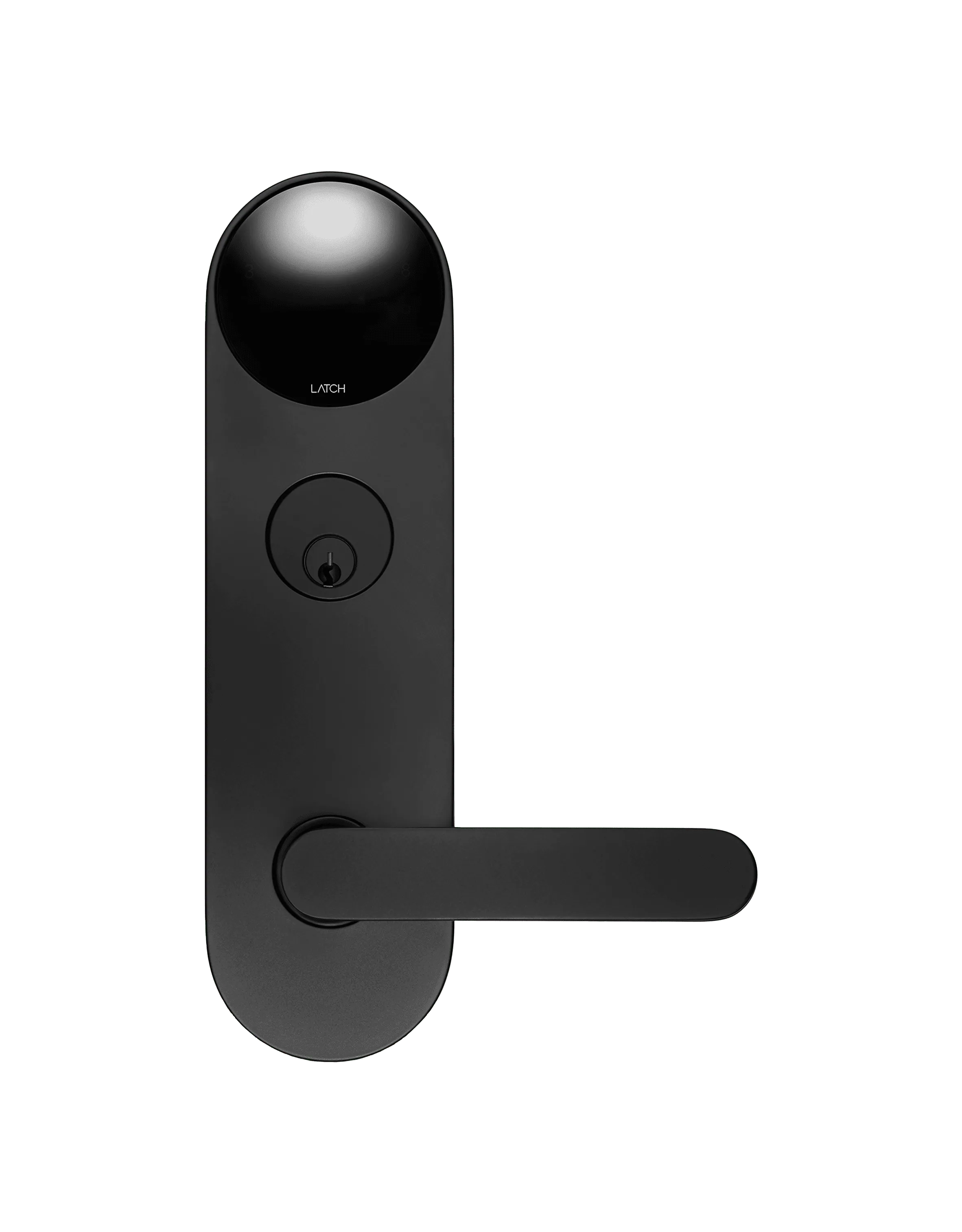
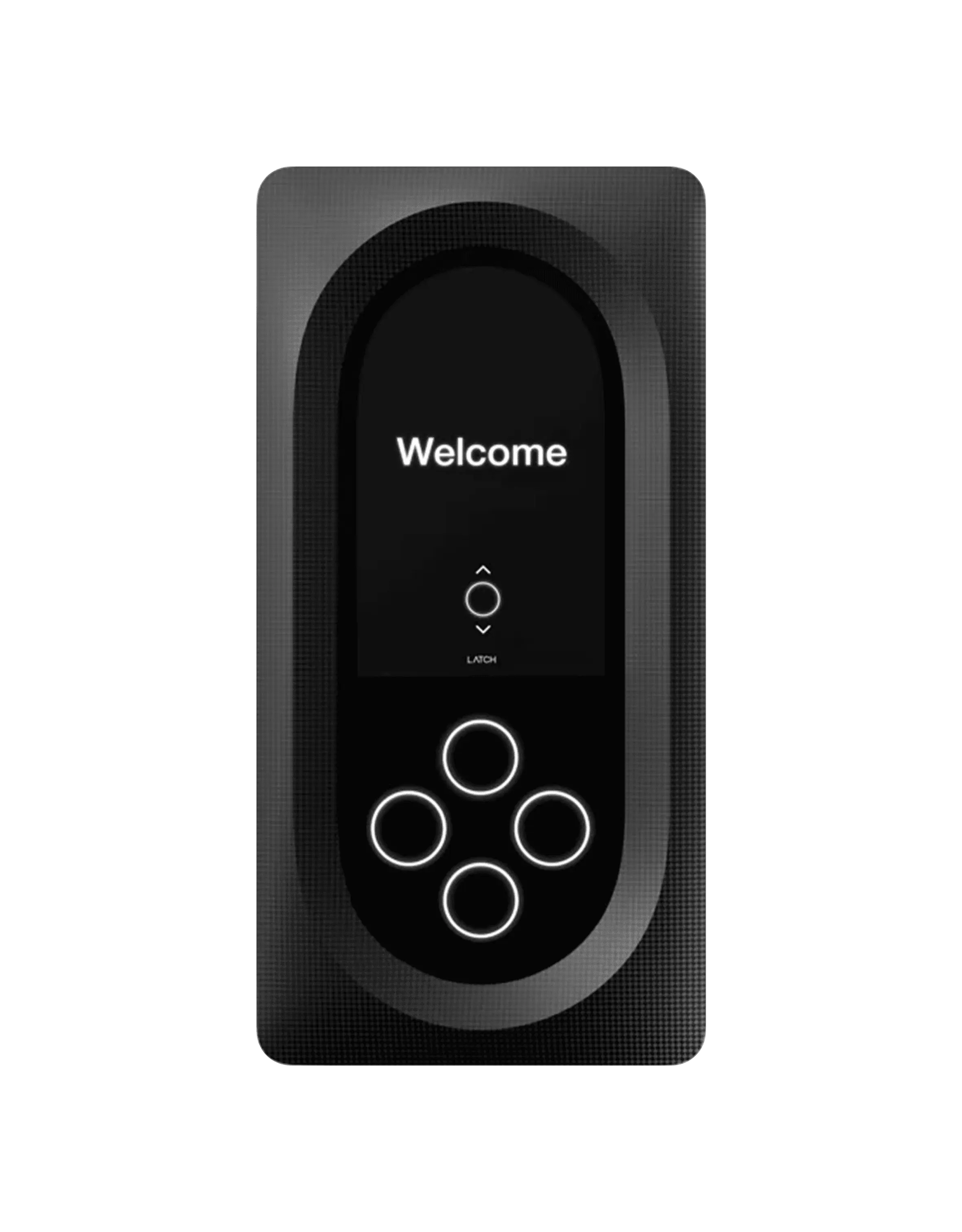
DOOR's M3 is designed for mortise applications and supports multiple mortise cartridge configurations, making it particularly useful when upgrading existing multifamily doors. Its field-reversible design also gives installation teams flexibility across left- and right-handed openings.
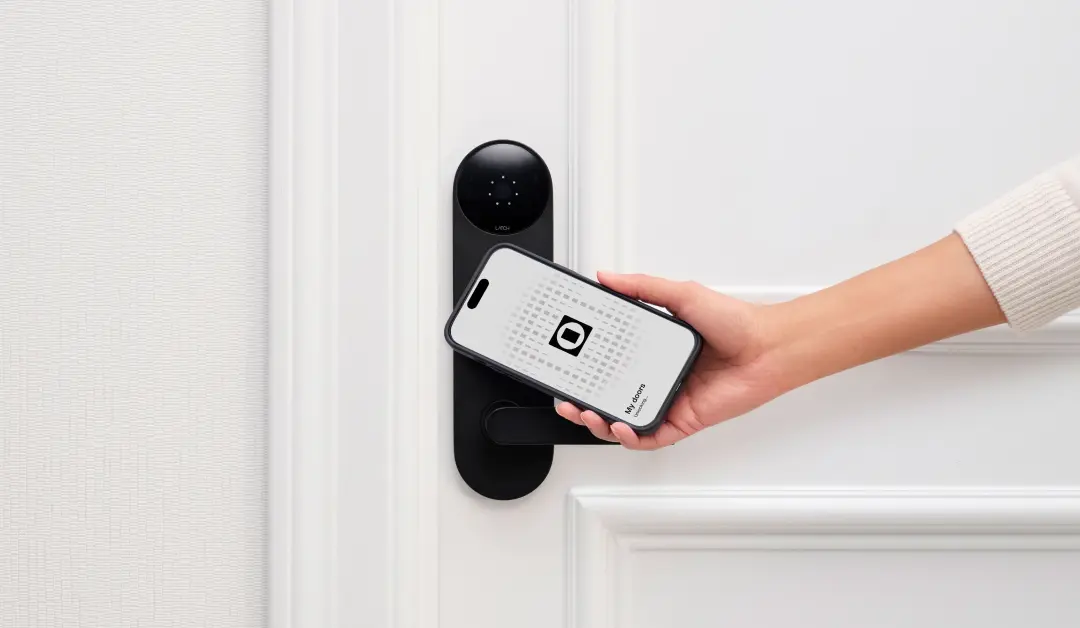
The DOOR C2 provides another retrofit-friendly option for properties where its configuration matches the existing door conditions.
The broader principle is simple: the hardware should adapt to the building wherever possible instead of forcing the building to adapt to the hardware.
That can make the difference between a repeatable upgrade and a project filled with door-by-door exceptions.
Plan Installation Around Property Operations
In an occupied apartment building, the physical installation is only part of the project. Teams also have to get into units without unnecessarily disrupting residents or daily operations.
Depending on the property, owners may choose to install smart locks:
- across the property in one coordinated rollout,
- building by building or floor by floor, or
- alongside unit turns and planned renovations.
A full rollout gets the property to a consistent access standard faster. A phased deployment can reduce disruption. Turn-based installations can work well when an owner is already renovating units, although it takes longer to reach full standardization.
Conversions and adaptive reuse projects often sit between retrofit and new construction. Existing doors and building layouts may limit some choices, while a broader renovation creates opportunities to standardize hardware and supporting technology.
Installing Smart Locks in New Multifamily Construction
New construction removes many of the unknowns that make retrofit projects more complicated. But that advantage only exists if smart access is addressed early.
Specify Access Before the Doors Arrive
Door hardware, preparation, handing, finishes, and access requirements should be coordinated before installation begins.
The property should also consider how access will work beyond residential unit doors. Building entrances, amenities, elevators, garages, package areas, and other shared spaces may all be part of the same resident and staff journey.
When those requirements are established early, doors can be prepared for the selected hardware instead of modified in the field later.
For developers and GCs, that helps reduce one of the biggest sources of avoidable construction friction: discovering that the hardware, opening, and technology plan do not align after materials are already on site.
Use New Construction to Standardize the Property
One of the biggest advantages of smart lock installation during new construction is consistency.
The same access strategy can be incorporated across hundreds of units before the building opens. Common areas, unit access, credentials, and supporting infrastructure can all be planned together rather than added separately over time.
That standardization continues to matter after construction is complete. Property teams inherit a more consistent operating environment instead of a patchwork of door hardware and access systems.
DOOR's broader strategy is built around exactly this problem: owners and operators need scalable systems that reduce fragmentation rather than adding more disconnected tools.
Plan for More Than the Smart Lock
A new development may begin by asking which smart locks to install, but access is only one part of the building's technology foundation.
If the property will eventually include smart thermostats, sensors, intercoms, automated workflows, or PMS integrations, those systems should be considered together.
Planning that infrastructure early can help avoid a familiar multifamily problem: installing several individually useful technologies that ultimately operate as separate systems.
What Does Smart Lock Installation Cost in Multifamily?
There is no useful single answer to the question, "How much does it cost to install a smart lock?" for a multifamily property.
A consumer may be able to compare the price of one lock and a few hours of labor. Owners have to account for the full deployment.
Smart lock installation cost can depend on:
- the type of existing door hardware,
- whether doors require modification,
- the smart lock selected,
- residential versus common-area requirements,
- supporting access and network infrastructure,
- device setup and provisioning, and
- resident coordination in an occupied building.
That is why owners should evaluate more than the cost of the lock itself.
A lower hardware price can be offset by additional infrastructure, complicated installation, ongoing maintenance, or manual work for property teams. Conversely, a system that is straightforward to deploy and reduces operational tasks over time can produce value well beyond the initial installation.
Smart Lock Infrastructure Matters, Too
The lock is only one piece of a connected building.
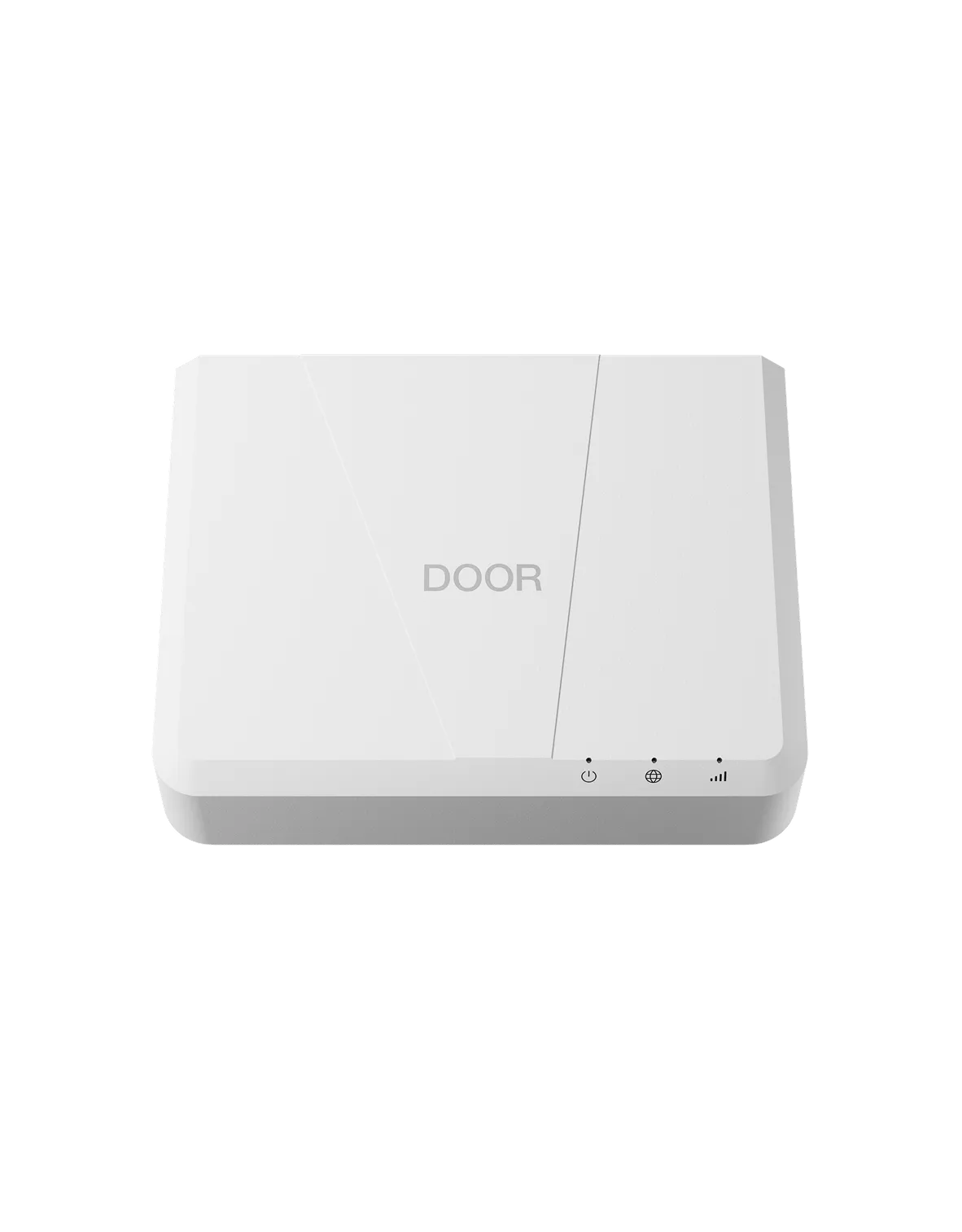
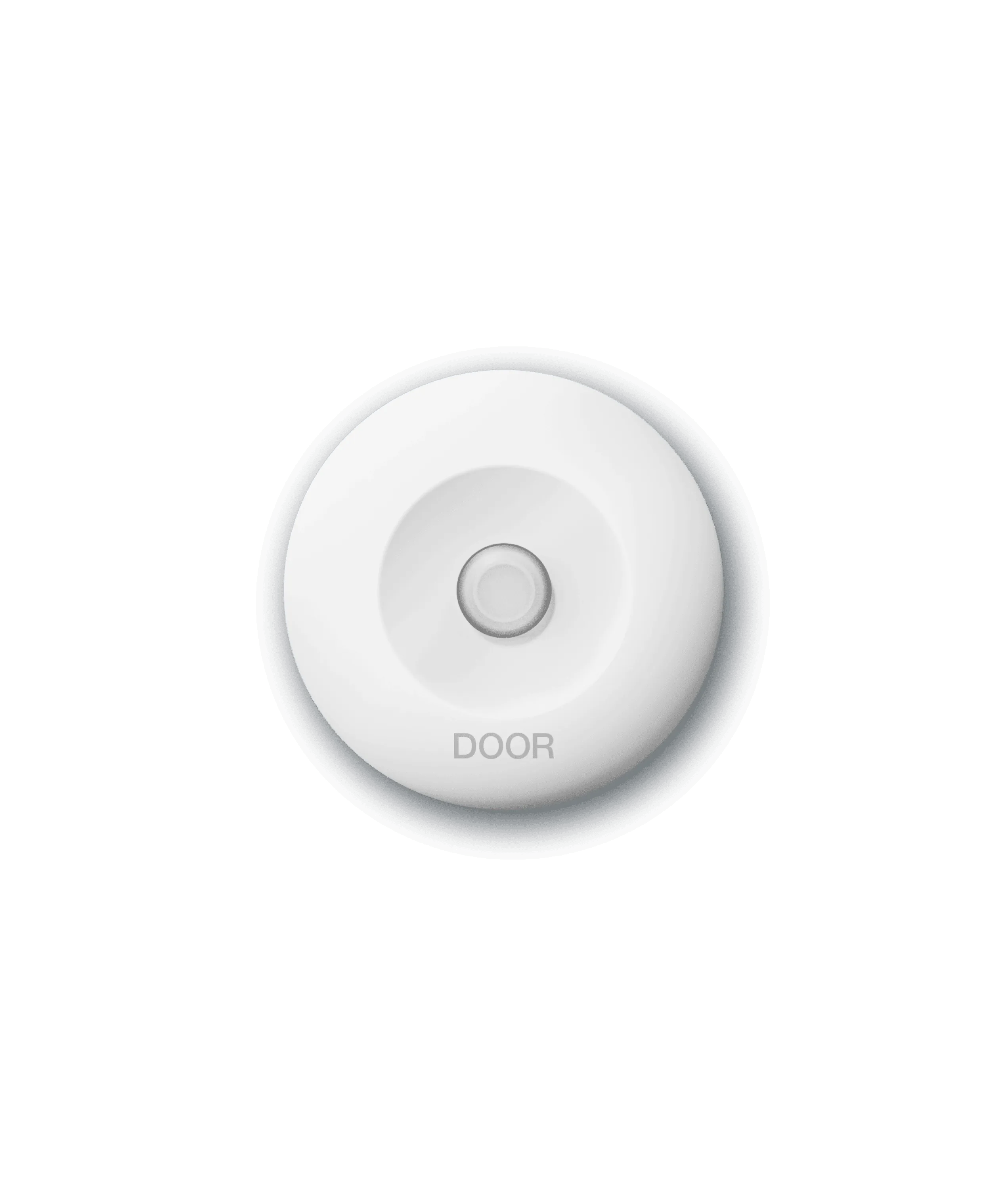
Many smart apartment deployments also require hubs or gateways to connect locks, thermostats, sensors, and other devices with the property's software.
That architecture can have a major effect on the amount of infrastructure owners ultimately purchase and maintain.
DOOR uses LoRa, a long-range, low-power wireless technology designed for building-scale IoT. Unlike mesh-based technologies that depend on devices relaying information between one another, LoRa devices communicate directly with gateways. This architecture can support multifamily deployments with fewer network access points, reducing the amount of supporting infrastructure required throughout the property.
For an owner, the technical difference has a practical implication: fewer pieces of supporting infrastructure can mean fewer components to install, power, configure, and maintain.
That becomes increasingly important when smart lock installation is only the beginning and the property plans to add thermostats, leak sensors, lighting controls, and other connected devices over time.
Learn more about different smart home hub technologies in our article: Understanding Z-Wave, Zigbee, and LoRa for Smart Apartments
Don't Let Smart Lock Installation Create a Code or Egress Problem
Any lock replacement also has to preserve the door's required function.
Depending on the opening and jurisdiction, the project may need to account for fire ratings, accessibility, egress requirements, and other building or fire code requirements.
For example, the 2024 International Building Code generally requires egress doors to be readily openable from the egress side without a key or special knowledge and generally limits unlatching to one motion. It also includes specific exceptions, including certain residential conditions. Exact requirements depend on the adopted local code and the specific opening, so the applicable authority having jurisdiction should always be consulted. (ICC Code Development)
The point for owners is simple: hardware compatibility is not just about whether a smart lock physically fits the door. It also has to preserve the opening's required performance.
Smart Locks Are the First Layer of Building Intelligence
The immediate value of a smart lock is easy to understand: replace physical key workflows with digital access that can be managed more efficiently.
But the bigger opportunity starts after the lock is installed.
When access connects to property management systems, Smart Home devices, and operational workflows, the property can begin automating work that otherwise falls on site teams.
A move-in can trigger the appropriate digital access. A move-out can remove credentials while connected thermostats shift a vacant unit into an energy-saving setting. Maintenance teams can receive time-limited access instead of tracking down keys. A leak sensor can surface an issue and help initiate a maintenance workflow before the problem becomes more disruptive.
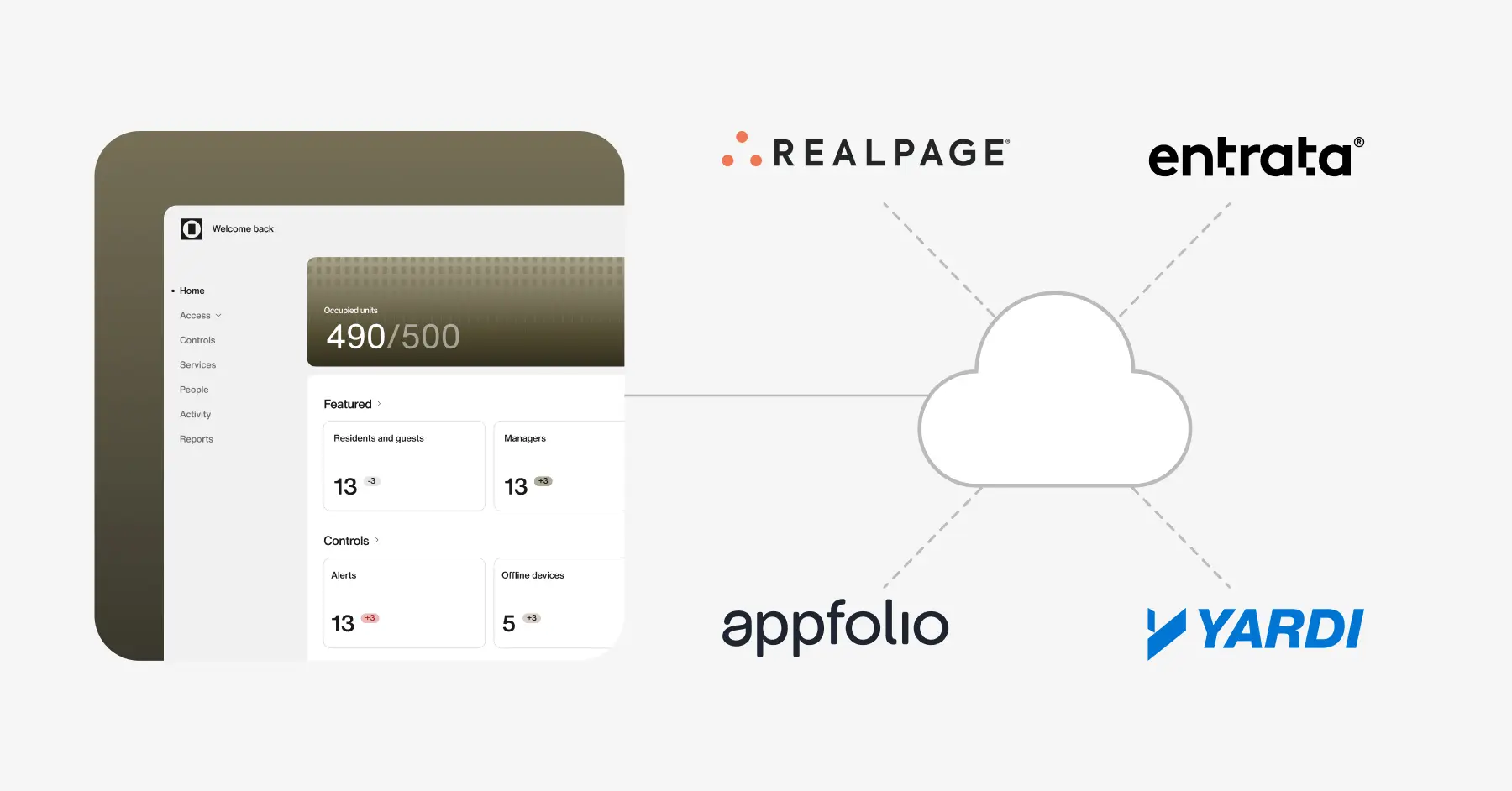
DOOR calls this Building Intelligence: bringing smart access, connected devices, automation, and operational information together so buildings can reduce friction and respond more intelligently. DOOR OS is designed to centralize access, thermostats, sensors, and unit status while integrations with major property management systems help connect those functions to workflows property teams already use.
In other words, smart lock installation should not create another standalone system for your team to manage.
It should create infrastructure that becomes more useful as the rest of the building gets smarter.
How to Choose a Smart Lock Installation Strategy
Whether you are evaluating a retrofit, conversion, or new development, start with the building rather than the product.
For an existing property, understand the hardware and door conditions already in place, how consistent those conditions are, and how installation can be phased around residents and operations.
For new construction, make access decisions early enough to coordinate door preparation, common-area access, credentials, connectivity, and future Smart Home plans before those systems are locked into separate scopes.
And in either scenario, ask one final question:
Does this investment stop at smart locks, or does it create the foundation for smarter building operations?
For DOOR, smart access is the starting point. The larger value comes from connecting access with Smart Home technology, software, integrations, and automation so the entire property can operate as one system.
Smart Lock Installation FAQs
Can smart locks be retrofitted onto existing apartment doors?
Yes. Many multifamily properties can add smart locks without replacing every door. The right approach depends on the existing lock type, door preparation, handing, frame condition, and hardware compatibility. Retrofit-oriented products such as DOOR's M3 and C2 are designed to support common existing-building scenarios.
Can you install smart locks without replacing apartment doors?
Often, yes. If the smart lock is compatible with the existing opening and door preparation, operators may be able to reuse the door rather than replace it. A property with inconsistent or heavily modified doors may require more work from opening to opening.
How much does smart lock installation cost for an apartment building?
Multifamily smart lock installation costs vary based on hardware, existing door conditions, required modifications, the number and type of openings, infrastructure, and configuration requirements. Owners should evaluate total installed and ongoing cost rather than simply multiplying the price of one lock by the number of units.
Do apartment buildings need a locksmith to install smart locks?
Property-wide smart lock deployments are generally more involved than consumer DIY installation. Multifamily projects must account for door hardware, building requirements, device configuration, credentials, common-area access, and potentially hundreds of openings. Owners should plan the project around the requirements of the specific building rather than treating it like a one-door residential replacement.
Can smart locks be installed in an occupied apartment building?
Yes. Existing properties can deploy smart locks while occupied, but the rollout should account for resident access and building operations. Properties may install in phases, by building or floor, or coordinate some upgrades with unit turns.
Is it better to install smart locks during construction or retrofit them later?
New construction offers the advantage of designing doors and infrastructure around the selected access system from the beginning. Retrofit projects can still deliver substantial value when hardware is selected for compatibility with existing conditions. The right strategy depends on the property, capital plan, and larger operational goals.
.webp)



.webp)
.webp)