A small leak under an apartment sink can go unnoticed for hours, even days. By the time someone discovers it, water may have damaged the flooring, seeped into the walls, or reached the apartment below.
Suddenly, a routine plumbing repair has become a costly restoration project. Maintenance teams are responding to an emergency, residents are dealing with disruption, and owners are facing expenses that could have been significantly smaller if the problem had been caught earlier.
For multifamily properties, water damage can escalate quickly. But with the right water leak detection technology, property teams have a better chance of identifying problems early and taking action before a minor leak becomes a major loss.
What Is Water Leak Detection and How Does It Work?
Water leak detection uses sensors and monitoring technology to identify water where it shouldn't be, helping property teams respond before damage spreads.
Traditional leak detection often relies on residents or maintenance staff noticing visible water, damp floors, or damaged ceilings. By that point, a leak may have been active for some time.
Smart water leak detection systems provide an earlier warning. Depending on the technology, they can detect:
- Dripping or pooling water: Spot sensors identify moisture around sinks, appliances, water heaters, and other vulnerable areas.
- Water along pipes or larger surfaces: Rope-style sensors monitor areas where water may travel or accumulate.
- Potential warning signs: More advanced building monitoring systems can identify signals associated with running water or changing environmental conditions.
When a sensor detects a potential problem, connected systems can send notifications to residents or property teams, allowing them to investigate sooner.
For multifamily operators managing hundreds or thousands of units, these alerts provide visibility into issues that might otherwise go unnoticed until significant damage has occurred.
Why Water Damage Is So Costly for Multifamily Properties
Unlike single-family homes, apartment buildings face a particular challenge: water damage doesn't always stay contained to one unit.
A failed supply line on the fourth floor can affect apartments below. An overflowing appliance can damage neighboring walls and flooring. A slow leak in a vacant unit can continue undetected without someone there to report it.
And the cost extends far beyond fixing the original plumbing issue.
Water damage can create expenses related to:
- Emergency repairs and restoration: Water extraction, drying equipment, plumbing repairs, and replacing damaged walls, flooring, or ceilings.
- Resident displacement: Temporary accommodations, disrupted living conditions, and potentially uninhabitable units.
- Lost rental revenue: Extended repairs can delay unit readiness or create additional vacancy-related expenses.
- Insurance exposure: Claims, deductibles, and potentially higher insurance costs depending on the property's loss history and coverage.
- Maintenance labor: Emergency callouts and remediation coordination pull staff away from routine work and preventive maintenance.
There are also longer-term risks. According to the U.S. Environmental Protection Agency, water-damaged areas should generally be dried within 24 to 48 hours to help prevent mold growth.
For owners and operators, that makes response time especially important. The longer water remains undetected, the more difficult and expensive the recovery can become.
Common Causes of Water Damage in Apartment Buildings
Some of the most damaging leaks begin in ordinary places.
Plumbing fixtures and supply lines: Leaking toilets, worn connections, and damaged pipes can release water slowly or suddenly.
Appliances: Washing machines, dishwashers, and refrigerators with water lines introduce potential leak points throughout residential units.
Water heaters: Aging tanks, fittings, and connections can develop leaks, particularly in locations that aren't regularly inspected.
HVAC systems: Condensation, clogged drains, and equipment failures can allow water to accumulate around mechanical equipment or spread into surrounding materials.
Frozen pipes: During extreme cold, freezing and thawing can cause pipes to burst, resulting in significant water damage.
Regular inspections and preventive maintenance remain essential. However, even well-maintained buildings can experience unexpected failures.
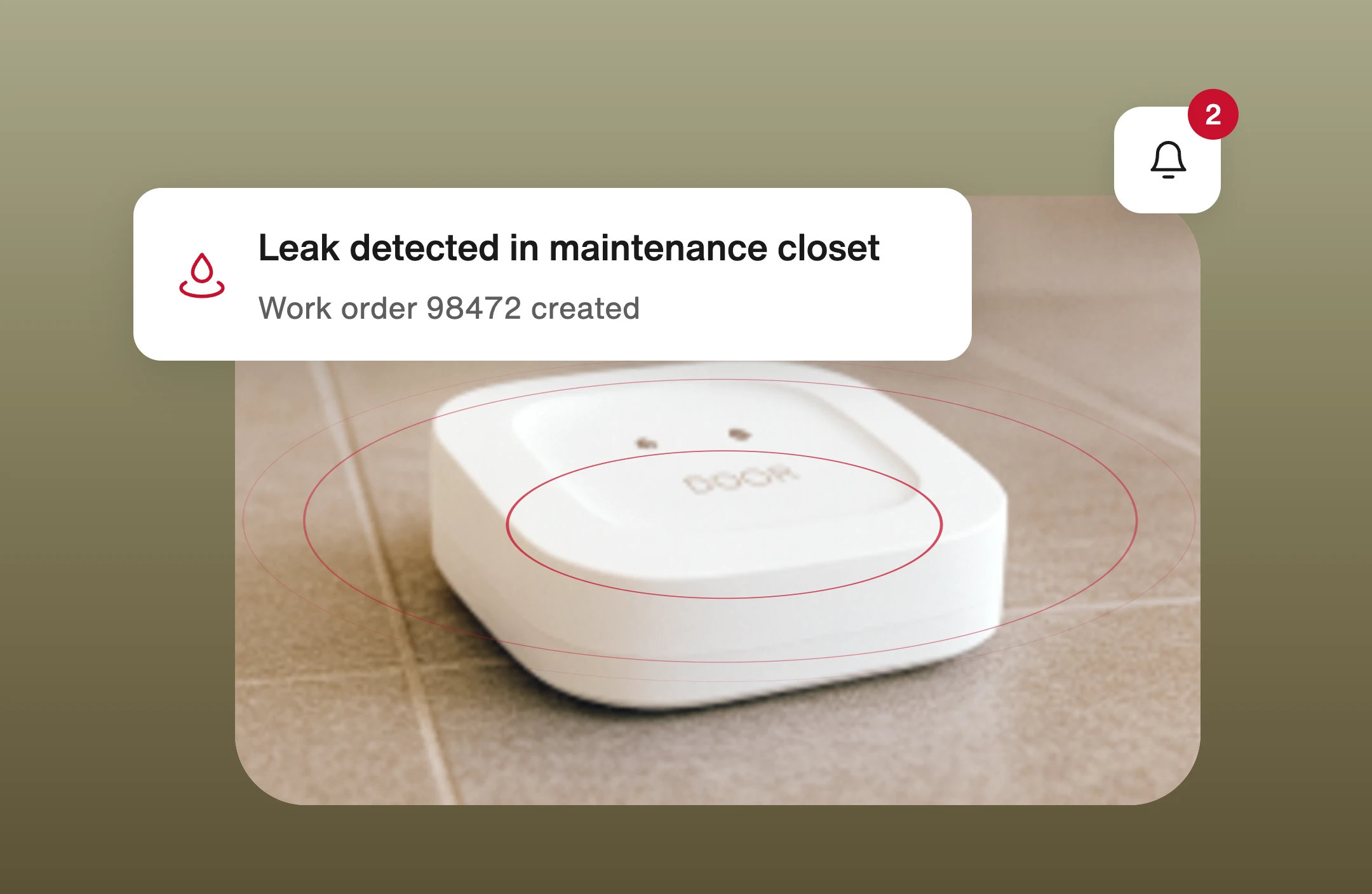
Smart water leak detectors add another layer of protection by helping teams discover problems between inspections, including in vacant units or areas residents rarely access.
Where Should Water Leak Sensors Be Installed?
Effective water damage prevention starts with placing sensors where leaks are most likely to occur.
For multifamily buildings, common priority areas include under kitchen and bathroom sinks, near toilets, behind washing machines, around water heaters, and inside HVAC closets.
Different spaces may benefit from different types of detection.
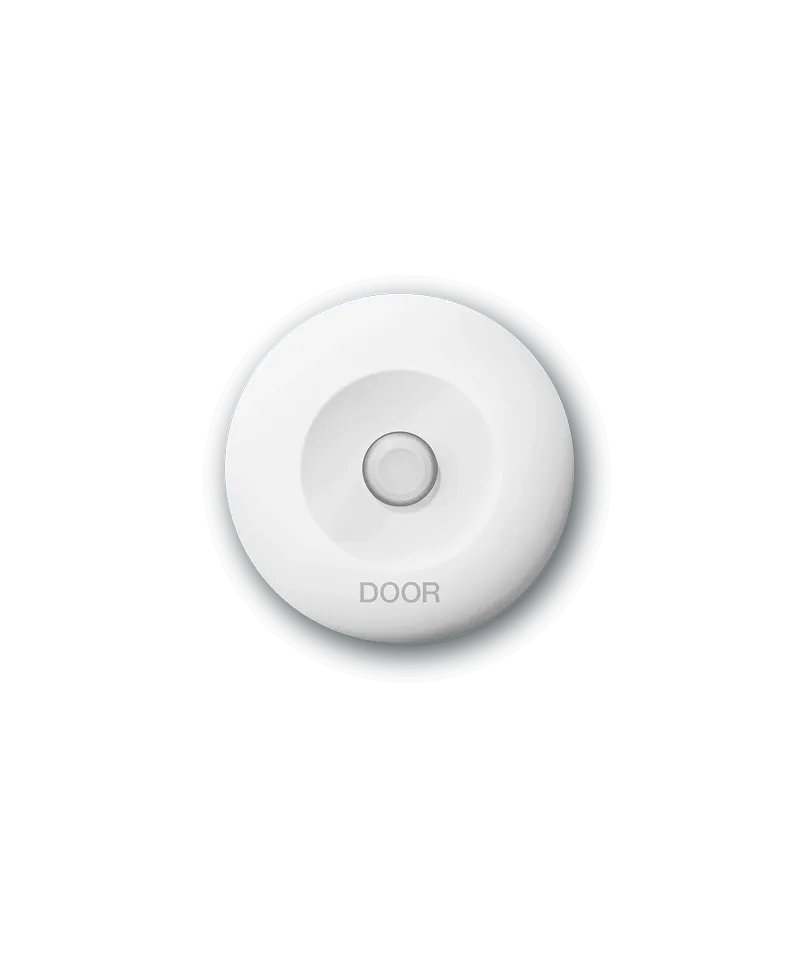
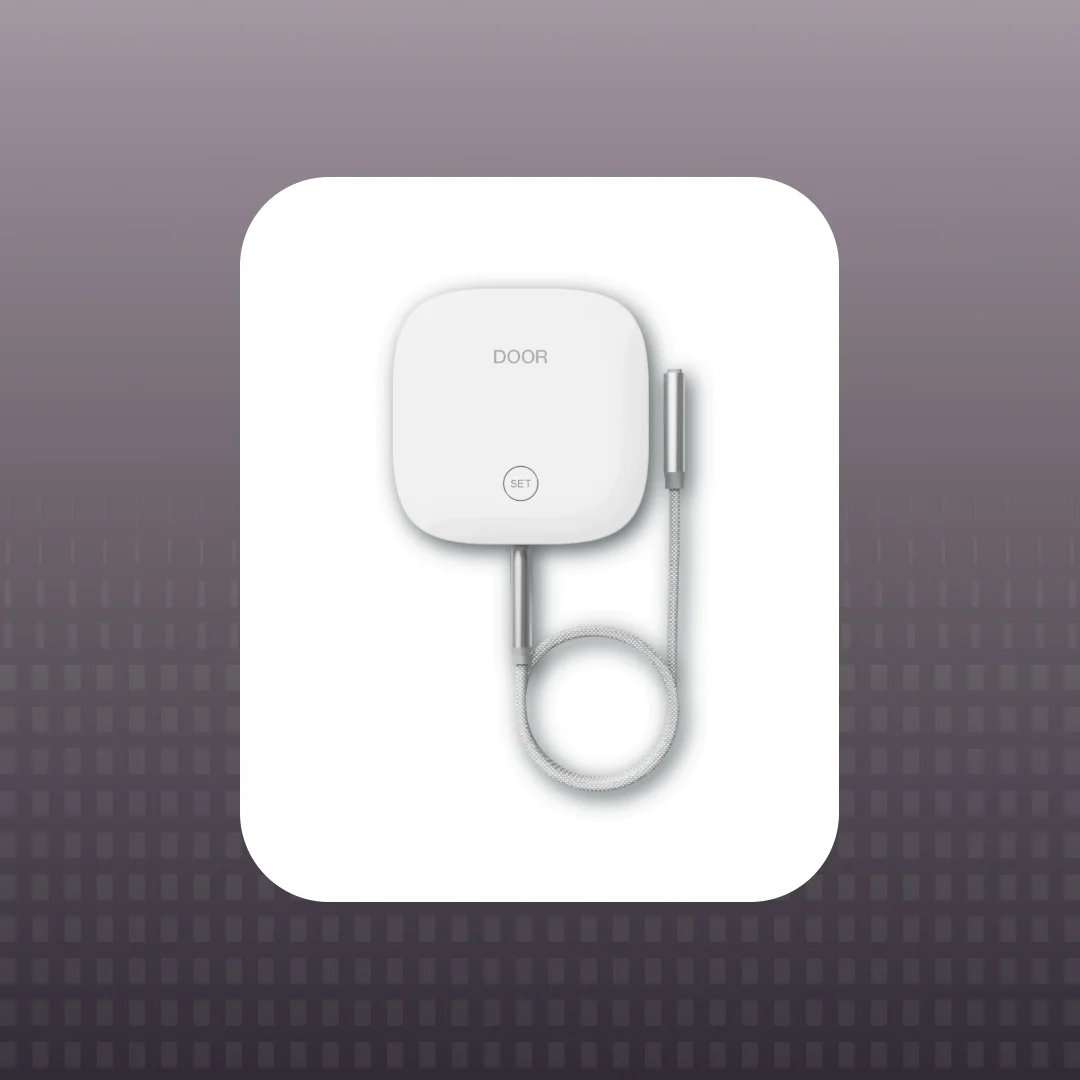
For example, the DOOR Leak Detector is a compact, battery-powered sensor designed to detect dripping or pooling water. Its top and bottom detection points make it useful beneath sinks, near appliances, and in other locations where water may collect.
For areas requiring broader coverage, the DOOR Leak Lasso uses a flexible sensing cable that can run along baseboards or around pipes and equipment. It's particularly useful near water heaters, mechanical equipment, and areas where water could spread beyond a single point. It also includes an audible alarm.
Both devices are designed to detect water early and support remote notifications through the DOOR ecosystem.
Operators should prioritize placement based on each building's plumbing layout, equipment, maintenance history, and known trouble spots.
This approach is especially valuable in existing multifamily properties, where targeted sensor installation can help improve protection without requiring a complete renovation.
How Smart Water Leak Detection Helps Prevent Damage and Automate Maintenance
Finding a leak early is important. Acting on that information quickly is what can make the difference between a manageable maintenance repair and a costly restoration project.
Consider a leak developing beneath a kitchen sink.
Without connected monitoring, the problem may remain unnoticed until a resident discovers standing water, submits a maintenance request, and waits for someone to investigate. By then, moisture may have reached the cabinets, flooring, or surrounding materials.
With smart water leak detection, the process can begin much sooner.
1. A sensor detects water.
A leak detector identifies moisture beneath the sink before the problem necessarily becomes visible.
2. The system sends an alert.
Connected monitoring notifies the appropriate users, giving the property team an opportunity to investigate.
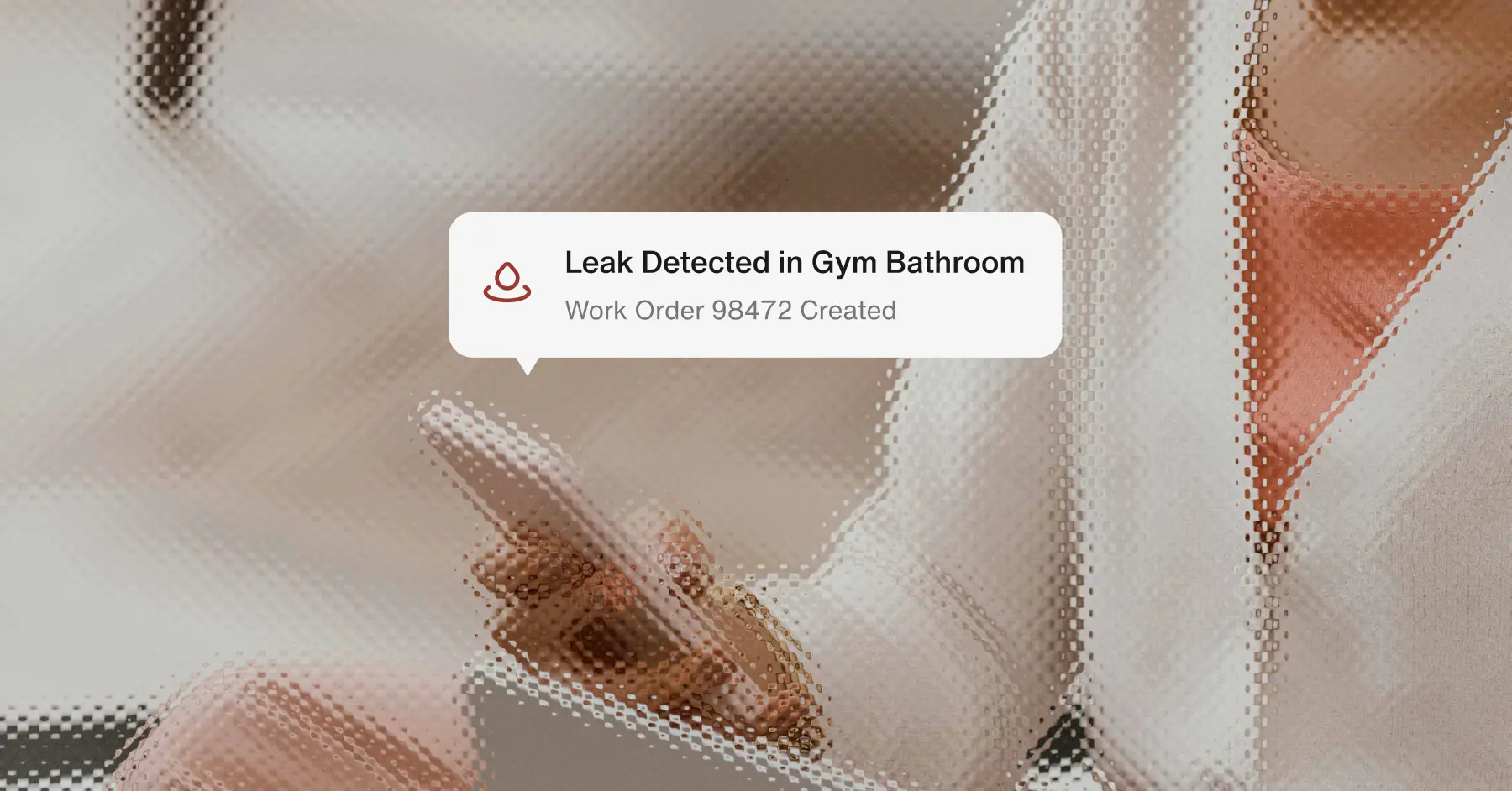
3. A maintenance work order is created automatically.
When configured with a supported property management system (PMS), DOOR can turn critical sensor alerts into maintenance work orders without requiring staff to enter the issue manually.
4. Maintenance teams coordinate a response.
With connected access control, authorized technicians can also be given time-limited digital credentials in supported workflows, reducing the time spent coordinating physical keys or unit access.
5. The problem gets addressed before it escalates.
Staff can identify the source, stop the water, and begin repairs. Earlier intervention may reduce the extent of damage and disruption.
This is where the value of connected building technology becomes especially tangible. The benefit isn't simply receiving another alert. It's helping property teams move from discovering an issue to resolving it with fewer delays and manual steps.
When Early Detection Makes a Real Difference
At one residential property, recurring leaks from air-conditioning equipment created the potential for extensive damage to floors and ceilings.
With earlier alerts from DOOR's monitoring technology, the operations team was able to respond before those leaks developed into larger restoration problems.
As one operator described it, the team could "jump on it quick" rather than discover the issue after water had already caused significant damage.
It's a practical example of how earlier visibility can change the outcome of an otherwise expensive maintenance issue.
The ROI of Water Leak Detection for Multifamily Owners
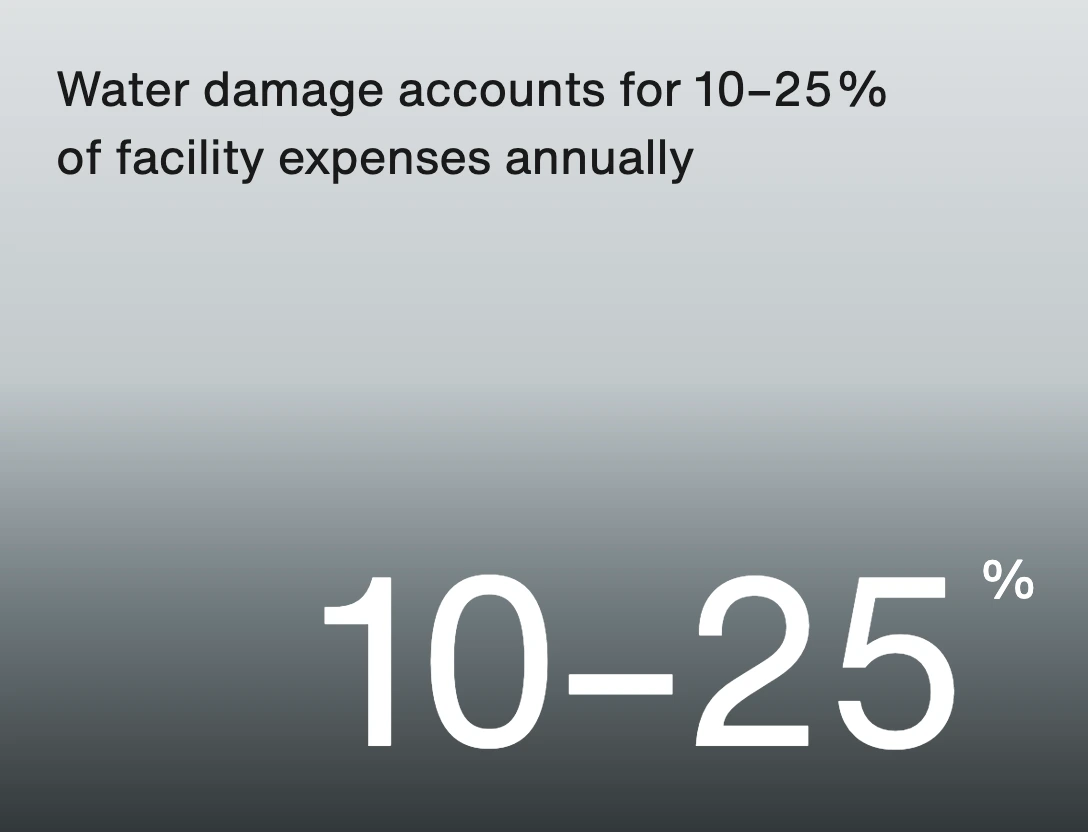
For property owners, investing in water leak detection is ultimately a decision about managing risk and protecting net operating income (NOI). Parks Associates estimate that water damage accounts for 10–25% of facility expenses annually.
A sensor installation creates an upfront cost. But a single significant water damage event can generate expenses well beyond the initial plumbing repair, particularly when multiple apartments or building systems are affected.
The potential financial value of early detection comes from several areas:
Lower repair and restoration costs. Identifying leaks earlier can help limit how much flooring, drywall, cabinetry, and other materials require repair or replacement.
Reduced emergency maintenance expenses. Faster awareness can give teams an opportunity to address issues before they require more extensive after-hours emergency work.
Less disruption to rental operations. Limiting damage may reduce the number of affected units and help properties return apartments to rentable condition sooner.
Greater maintenance efficiency. Automated notifications and work orders reduce administrative steps, allowing maintenance teams to spend more time addressing problems.
Better protection of long-term asset value. Reducing the frequency and severity of preventable damage helps preserve building interiors and infrastructure.
Actual savings depend on a property's risk profile, installation coverage, and response procedures. Leak detectors cannot prevent every plumbing failure or guarantee that damage won't occur.
However, reducing the time between a leak beginning and a team responding can meaningfully change the financial consequences.
For operators evaluating smart building investments, the business case extends beyond individual devices. Connected sensors, software, and maintenance workflows can help improve efficiency across an entire property or portfolio.
For a broader look at connected technology's operational value, explore DOOR's guide to IoT for apartments.
How DOOR Helps Multifamily Properties Detect Water Issues Earlier
Water leak detection becomes more valuable when it connects to the systems property teams already use.
DOOR's Smart Home solutions bring leak detectors, leak lassos, smart thermostats, and other connected devices into a centralized platform designed for multifamily operations.
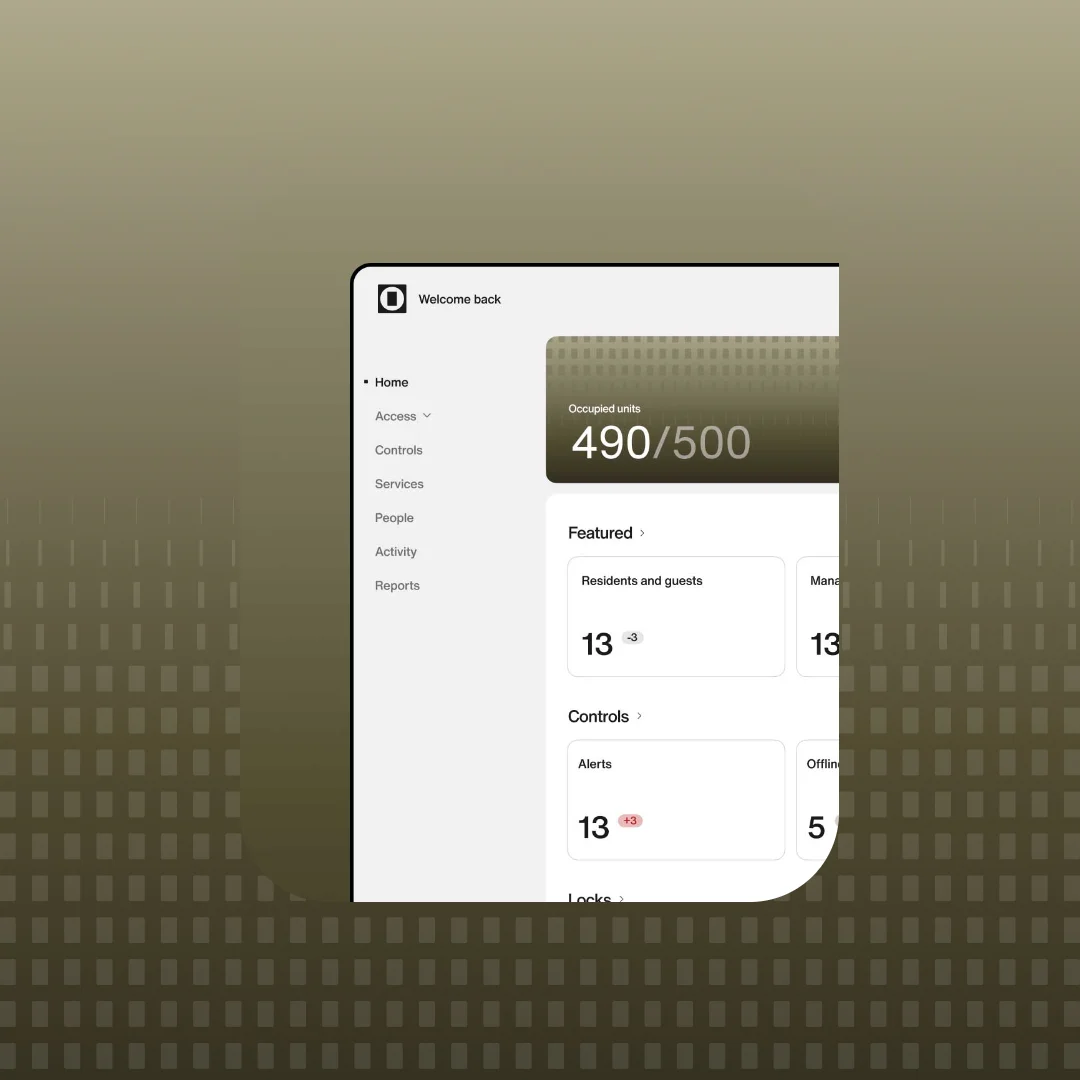
Through DOOR OS, teams can gain visibility into connected devices across their properties and use configured PMS integrations to automate workflows such as maintenance work-order creation.
DOOR also offers Scout, a building intelligence device that provides another layer of awareness beyond traditional moisture sensors.
While leak detectors and leak lassos identify physical water at specific locations, Scout can surface additional signals associated with water-related problems, including sounds of running water and changes in environmental conditions.
Scout processes audio signals locally on the device without storing or transmitting recordings, helping property teams identify important building conditions while maintaining resident privacy.
Together, these technologies support a more proactive approach to property maintenance.
Dedicated sensors help detect water where it shouldn't be. Scout provides broader awareness of potential building issues. And connected operational workflows help teams respond to the information they receive.
For multifamily owners and operators, the result is greater visibility into building conditions and more opportunities to address problems before they become expensive emergencies.
Water Leak Detection FAQs
How does a water leak detection system work?
Water leak detection systems use sensors to identify moisture or other conditions associated with leaks. Connected systems like DOOR can send notifications when water is detected and, with supported PMS integrations, automatically create maintenance work orders to help property teams respond.
Where should water leak sensors be installed in apartment buildings?
Water leak sensors should be installed near common leak sources, including sinks, toilets, washing machines, water heaters, and HVAC equipment. DOOR offers spot-style Leak Detectors for dripping and pooling water and Leak Lassos for monitoring longer areas around pipes and equipment.
Can water leak detectors prevent costly water damage?
Water leak detectors cannot stop every leak, but they can help prevent minor problems from becoming extensive damage by identifying water early. When paired with timely maintenance response, smart detection can reduce repair costs, disruption, and potential damage to neighboring apartments.
Can water leak detection systems automatically create maintenance work orders?
Yes. Some connected water leak detection platforms integrate with property management software to automate maintenance workflows. DOOR supports configurable integrations that can turn critical sensor alerts into work orders, reducing manual reporting and helping teams respond sooner.
Are water leak detectors worth it for multifamily properties?
Water leak detectors can be a valuable investment for multifamily properties where a single incident may affect multiple units and generate substantial repair costs. Their value is greatest when early detection is paired with reliable alerts, effective maintenance procedures, and connected property operations.
Stop Small Leaks Before They Become Big Losses
Water damage can turn a relatively minor maintenance issue into one of the most disruptive and expensive problems a multifamily property faces.
And too often, the difference between a straightforward repair and a major restoration project is simply how long the water went unnoticed.
Smart water leak detection gives property teams the opportunity to act sooner. With the right sensors, connected monitoring, and automated maintenance workflows, operators can reduce unnecessary delays, minimize potential damage, and better protect their buildings.
DOOR helps make that possible by connecting water leak detection with the broader systems that keep properties running.
Explore DOOR Smart Home solutions to learn how connected technology can help protect your properties and simplify operations.