


.webp)
Access control is increasingly treated as operational infrastructure for multi unit properties. Modern systems do much more than unlock doors. They manage identities, automate workflows, strengthen security, and support the resident experience from the front door through every space in the building. As multifamily operations become more centralized and technology driven, the choice of access control software has a direct impact on efficiency, risk, and long term scalability.
This guide provides a clear comparison of the leading access control software platforms used in multifamily and multi unit environments today. Each solution has strengths depending on property type, hardware strategy, and operational goals. The final section highlights why DOOR stands apart as the most complete platform for modern residential portfolios.
What Is Access Control Software
Access control software is the centralized system that determines who can enter specific spaces in a building, when they can enter, and how access is monitored over time. In multifamily environments, this software coordinates credentials, access schedules, and building entry policies across unit doors, shared amenities, staff areas, and perimeter access points.
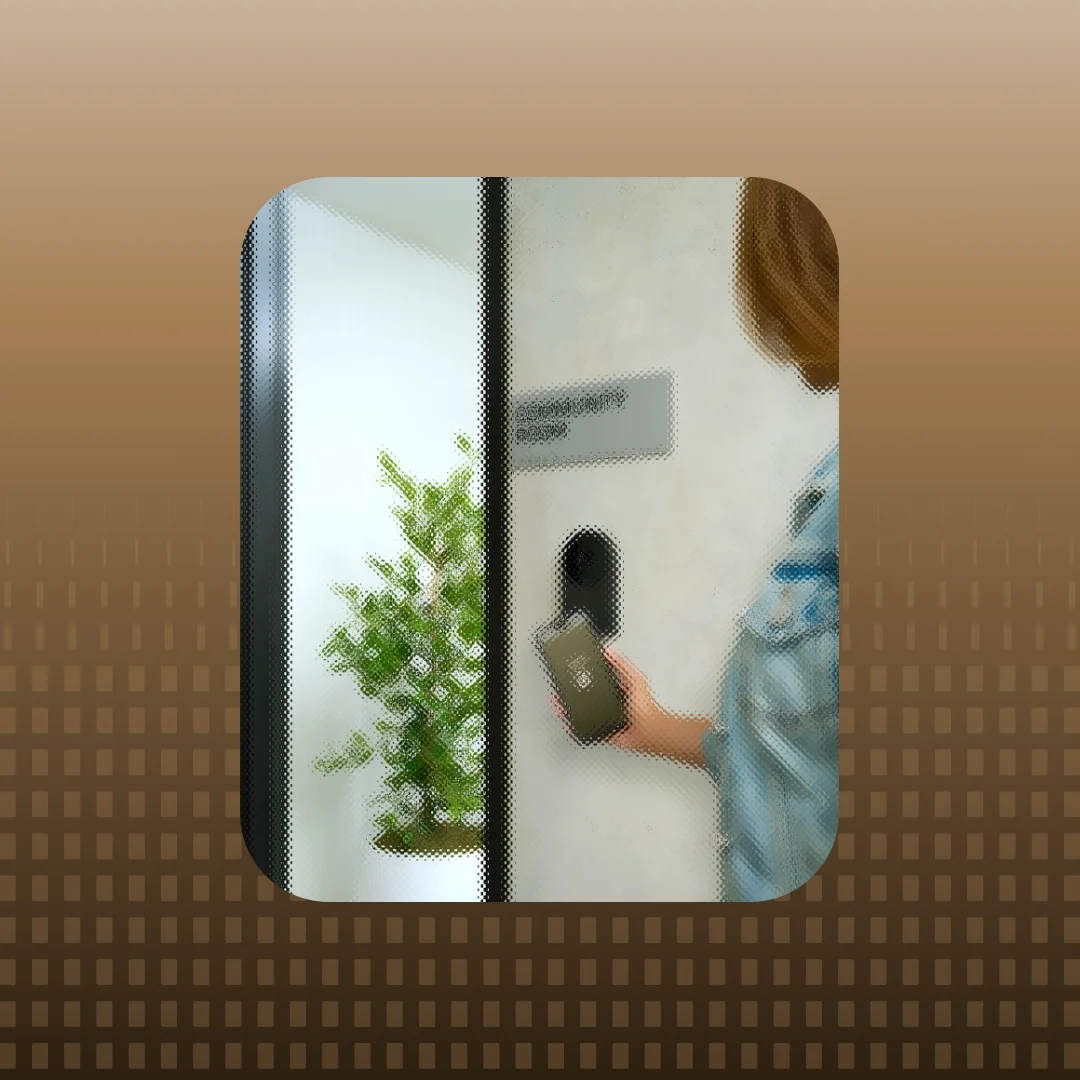
Unlike mechanical keys, modern building access control systems rely on digital credentials such as mobile credentials, key cards, PIN codes, or biometric verification. The software layer is what makes these credentials manageable at scale, enabling operators to issue, revoke, and audit access across an entire portfolio.
Why Do Multi Unit Properties Need Access Control Software
Multi unit properties face constant movement. Residents move in and out, vendors require temporary entry, staff roles change, and shared spaces must remain secure. Access control solutions help operators reduce manual key management, improve security consistency, and support modern resident expectations for keyless entry.
For multifamily teams, access control is no longer a standalone security system. It is operational infrastructure that impacts leasing workflows, maintenance coordination, visitor management, and portfolio wide risk management.
What Features Should You Look For In Access Control Software
The best access control software for multifamily must do more than secure doors. Operators should look closely at:
- Cloud based management for multi site oversight
- Mobile credentials and keyless entry options
- Support for both perimeter and unit level access
- Visitor and vendor management workflows
- Audit logs, device monitoring, and event reporting
- PMS and identity system integrations
- Portfolio wide standardization and controls
- Compatibility with smart home devices and IoT sensors
How Do Access Control Software And Hardware Work Together In Multi Unit Housing
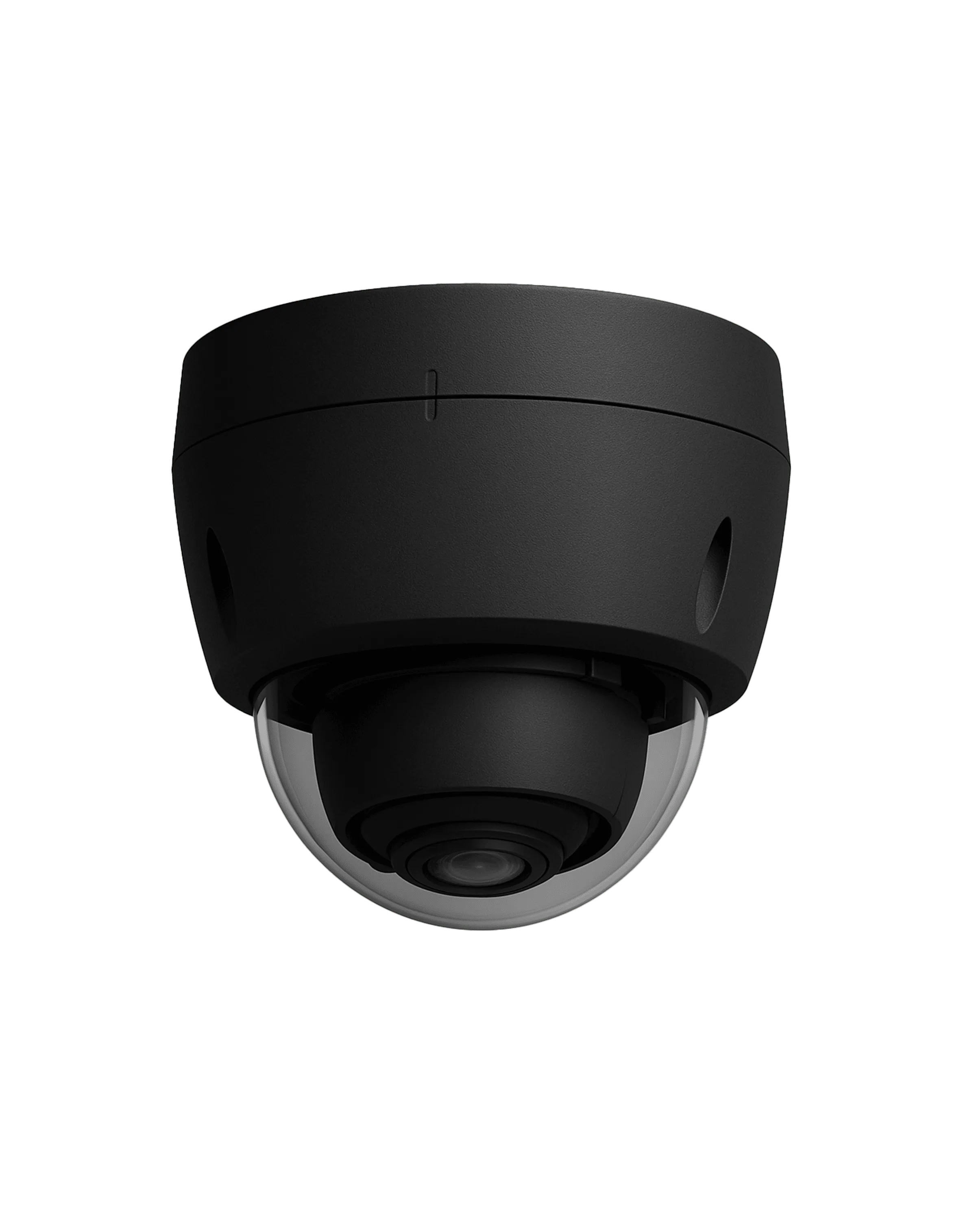
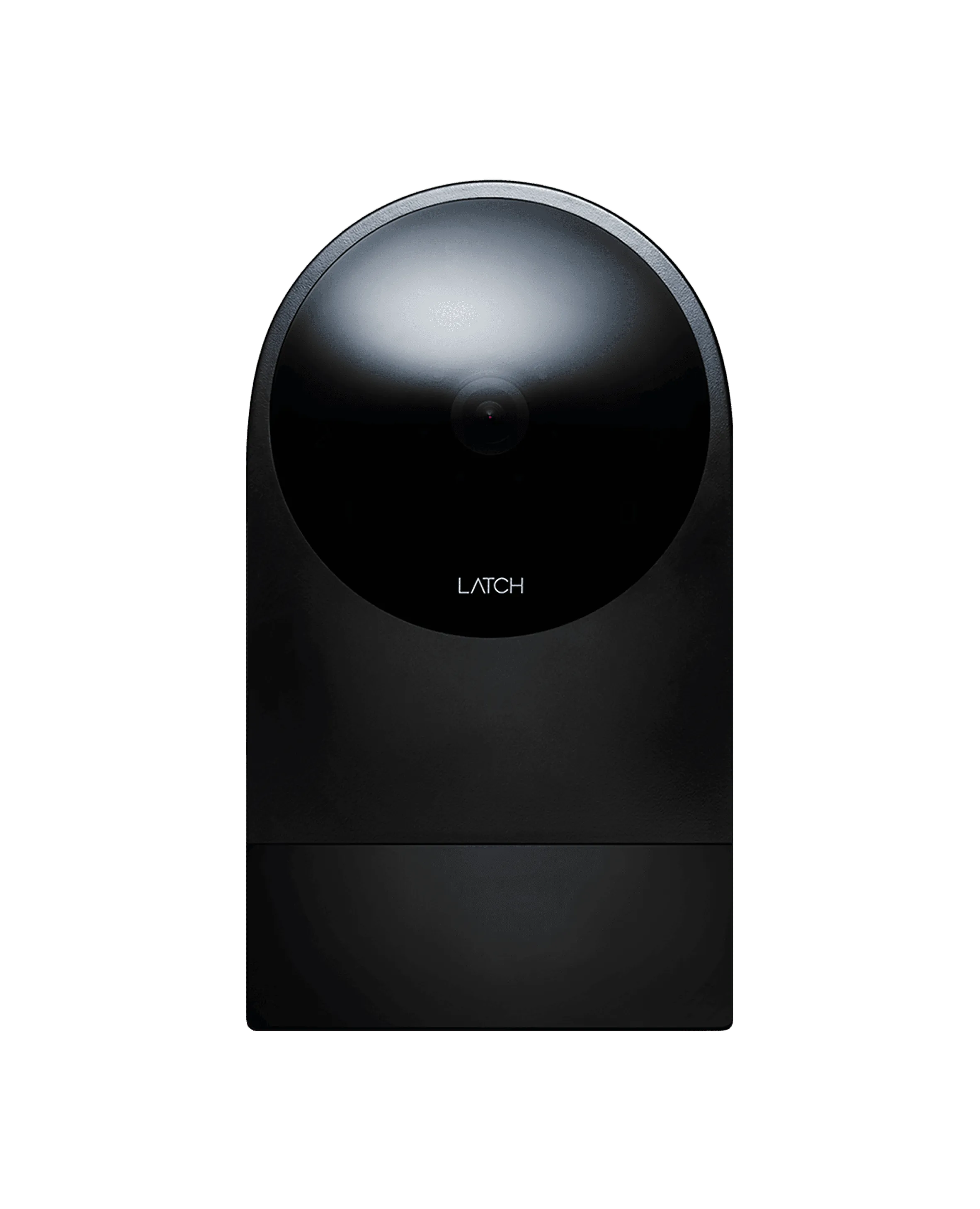
Access control software is only as effective as the hardware it governs. In multi unit housing, software platforms connect to access control hardware such as readers, controllers, wireless smart locks, intercom systems, and electronic door devices.
The software defines policies and credential rules, while the hardware enforces access decisions at the door. Buyers should validate how credentials are stored, how doors behave during outages, and how event logs sync back to the platform.
What A Unified Platform Means In Building Access Control
“Unified platform” is one of the most important and most misunderstood terms in multifamily access control. In practice, a unified access control platform means that access decisions, credential policies, and operational workflows are centralized in one system rather than fragmented across multiple vendors.
A truly unified building access control system centralizes four things:
- Access policy logic. Who can enter which spaces, under what conditions, and on what schedule.
- Credential lifecycle management. Credentials move through states such as pending, active, temporary, and expired, including rules for lease gaps, roommate changes, and vendor access.
- Workflow automation. Events like move in, move out, staff turnover, and vendor work orders can trigger automatic access updates.
- Auditability. Door events, administrative actions, and access logs are captured consistently across the building.
Reliability is where unified platforms are tested most. Multifamily operators should ask what happens when connectivity is interrupted. Many modern systems support offline capable locks that cache access policies locally so residents and staff can still enter during an outage. Once connectivity returns, access data and event logs sync back into the cloud dashboard, restoring full visibility.
Integration depth also matters. PMS integrations should not be treated as a checkbox. Experienced buyers want to know what triggers access changes, how quickly updates propagate, and how exceptions are handled when devices are offline or residents remain past lease end.
What Are The Top Access Control Software Solutions For Apartment Buildings
With this framework in mind, here are the top solutions in the market and how they compare.
Brivo
Best For: Mixed commercial and multifamily portfolios that need flexible cloud access control
Pros: Mature cloud platform, broad hardware compatibility, strong visitor management
Cons: Not purpose built for unit level access, relies on integrations for residential workflows
Brivo is one of the most established cloud based access control providers. The platform supports a wide range of readers, controllers, and mobile credential technologies and is often deployed in environments that blend commercial and residential spaces. Brivo’s strength is its versatility. Operators who need reliable perimeter access, elevator control, and integrated video surveillance often benefit from its enterprise grade feature set.
However, Brivo was not designed specifically for multifamily buildings. Unit level access, resident workflows, move ins, move outs, and vendor coordination generally require additional systems or third party smart lock providers. This can work for certain portfolios but usually creates multiple parallel systems to manage inside a residential building.
Security posture and offline behavior depend heavily on the specific hardware configuration, so operators should validate encryption standards, audit logs, and outage performance during evaluation.

ButterflyMX
Best For: Properties prioritizing a modern front entrance experience with video intercom
Pros: Excellent user experience, strong visitor flows, simple onboarding
Cons: Limited interior access control, relies on partners for unit and amenity doors
ButterflyMX is widely known for its video intercom systems and user-friendly entry experience. Residents can see and admit guests from their phones, and newer QR code based intercoms reduce hardware cost while maintaining convenience. For many properties, ButterflyMX dramatically improves the front door experience and simplifies visitor and delivery management.
The platform is strongest at the building entrance but is frequently paired with additional systems in multifamily deployments. Most multifamily operators pair ButterflyMX with a separate access control system or smart lock provider. This creates a polished entry experience but may leave a fragmented stack for deeper operational needs.
Operators should confirm how visitor credentials, audit trails, and offline entry behavior are handled across partner systems.

SALTO KS
Best For: Properties that want proven electronic locks and flexible online or offline operation
Pros: Robust hardware portfolio, reliable cloud management, strong integrations
Cons: Requires additional systems for resident apps, PMS syncing, or full building coverage
SALTO KS offers a cloud based access management system for SALTO smart locks and electronic deadbolts. The hardware is highly regarded for reliability and is deployed across student housing, multifamily, and commercial buildings worldwide. SALTO KS supports mobile credentials, fobs, keypads, and offline operation, which can be especially useful in retrofits and buildings with complex layouts.
The platform focuses primarily on the lock experience. To achieve a comprehensive multifamily system that covers resident onboarding, vendor access, intercom, and device management, operators typically integrate SALTO KS with other software platforms. It is a strong choice for door level performance but not a unified residential operations system.
Buyers should evaluate credential lifecycle handling, including temporary access rules and how access changes propagate across offline doors.
ProdataKey (PDK)
Best For: Garden style communities and properties focused on perimeter and amenity access
Pros: Simple cloud based management, cost effective hardware, strong fit for gates and garages
Cons: Not designed for dense multifamily properties, lacks unit level control and smart home integration
ProdataKey is a cloud based access platform often used for doors, gates, and garage entries in mid sized residential and mixed use environments. Its administrative tools are straightforward, and its hardware options offer good value for communities that need perimeter security without a heavy configuration burden.
PDK is not intended to function as a full building access system for midrise or high rise multifamily properties. It does not manage unit locks or smart devices and typically requires pairing with a separate intercom platform. It performs well in its intended segment but leaves gaps when applied to more complex building types.
Operators should validate how access schedules, audit logs, and offline entry scenarios are managed across gates, doors, and shared spaces.

Kwikset Unite
Best For: Multifamily operators seeking a cost effective upgrade from mechanical keys
Pros: Familiar residential form factor, low cost entry point, cloud credential management
Cons: Limited to unit level access, not a building wide access platform
Kwikset Unite provides an electronic access solution built around unit entry locks with support for mobile credentials, fobs, and PINs. It is positioned as an affordable modernization option for Class B multifamily and student housing where mechanical keys remain common.
Unite plays an important role in upgrading unit level security, but it is not a whole property access solution. It does not manage amenity doors, elevators, or front entrances, and it lacks the workflow automation and integrations expected in modern portfolio wide operations.
Buyers should confirm how credential expiration, lease transitions, and access revocation are handled at scale.
DOOR
Best For: Operators seeking a complete building access and smart home platform built specifically for multifamily
Pros: Unified platform for units, amenities, intercom, elevators, and smart devices; automatic provisioning via PMS data; modern credential options; portfolio wide consistency
Cons: Curated hardware ecosystem rather than broad third party lock compatibility
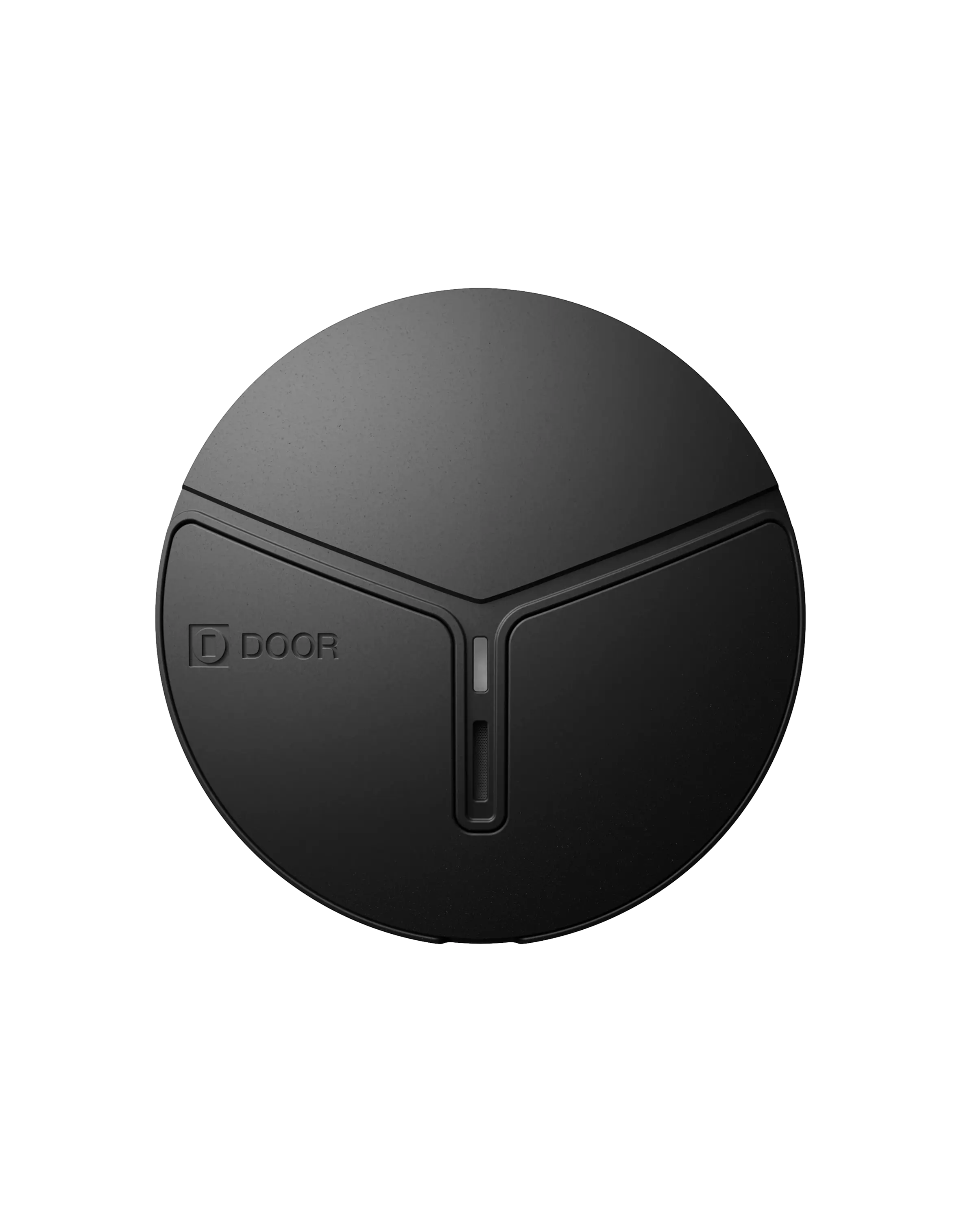
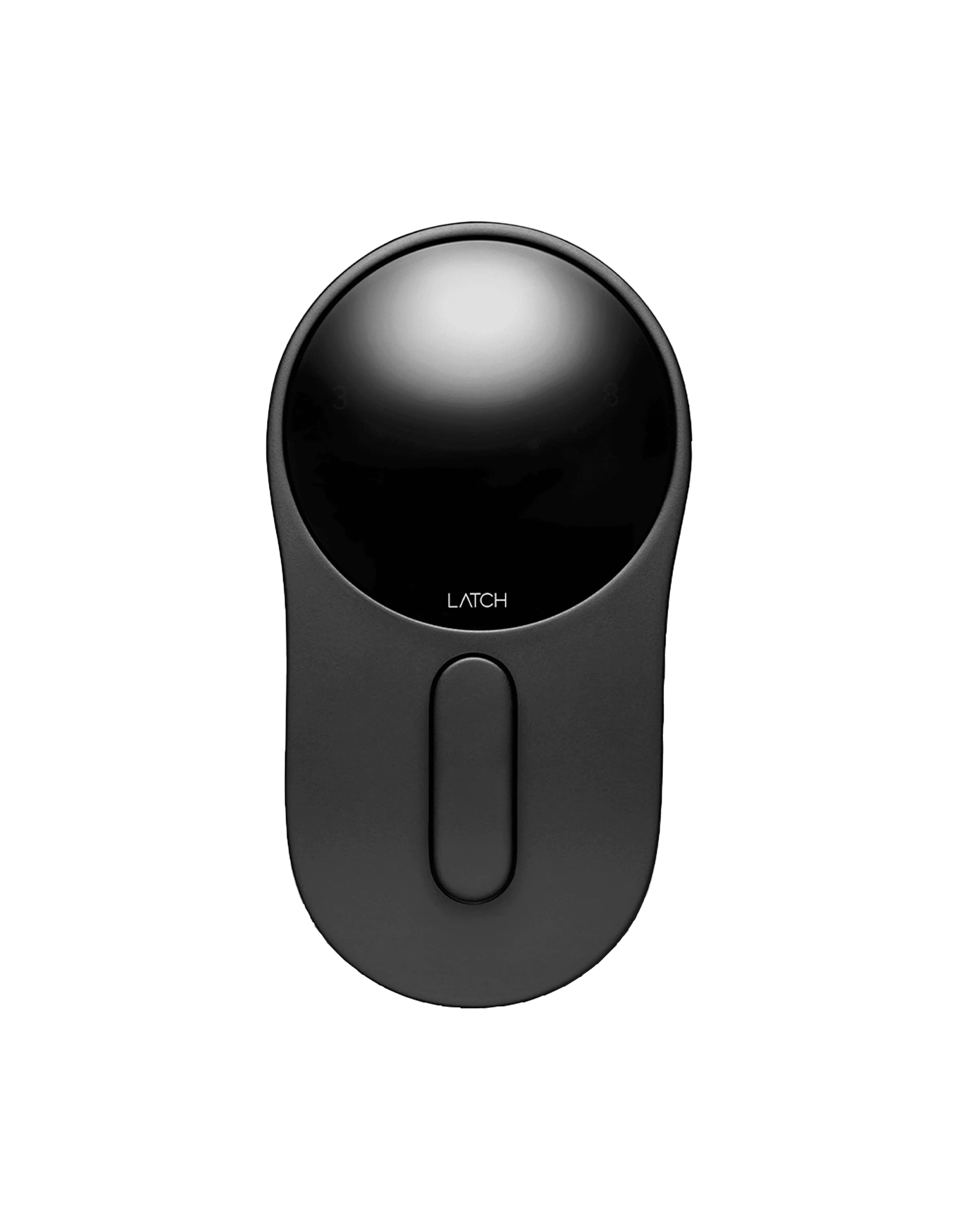
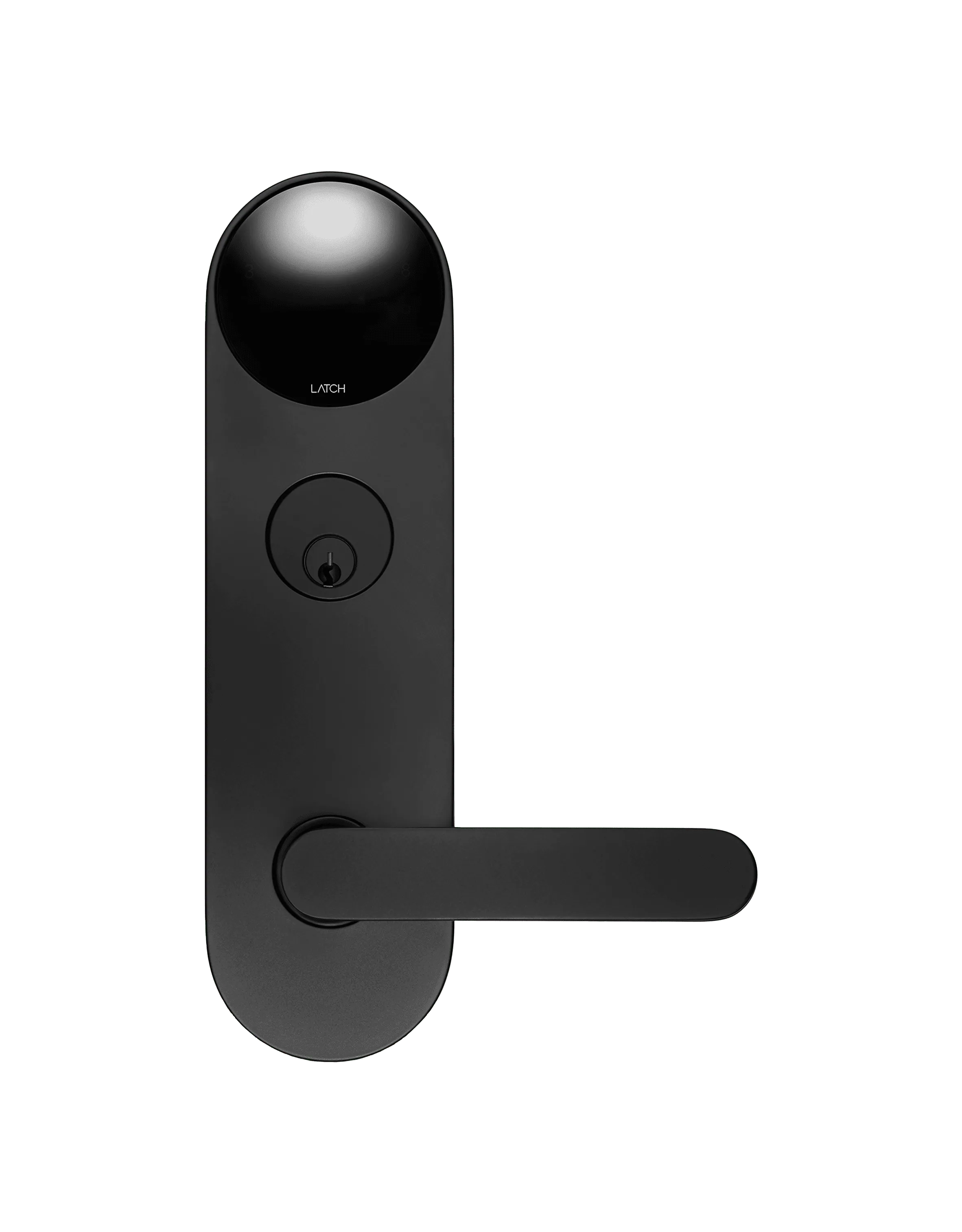
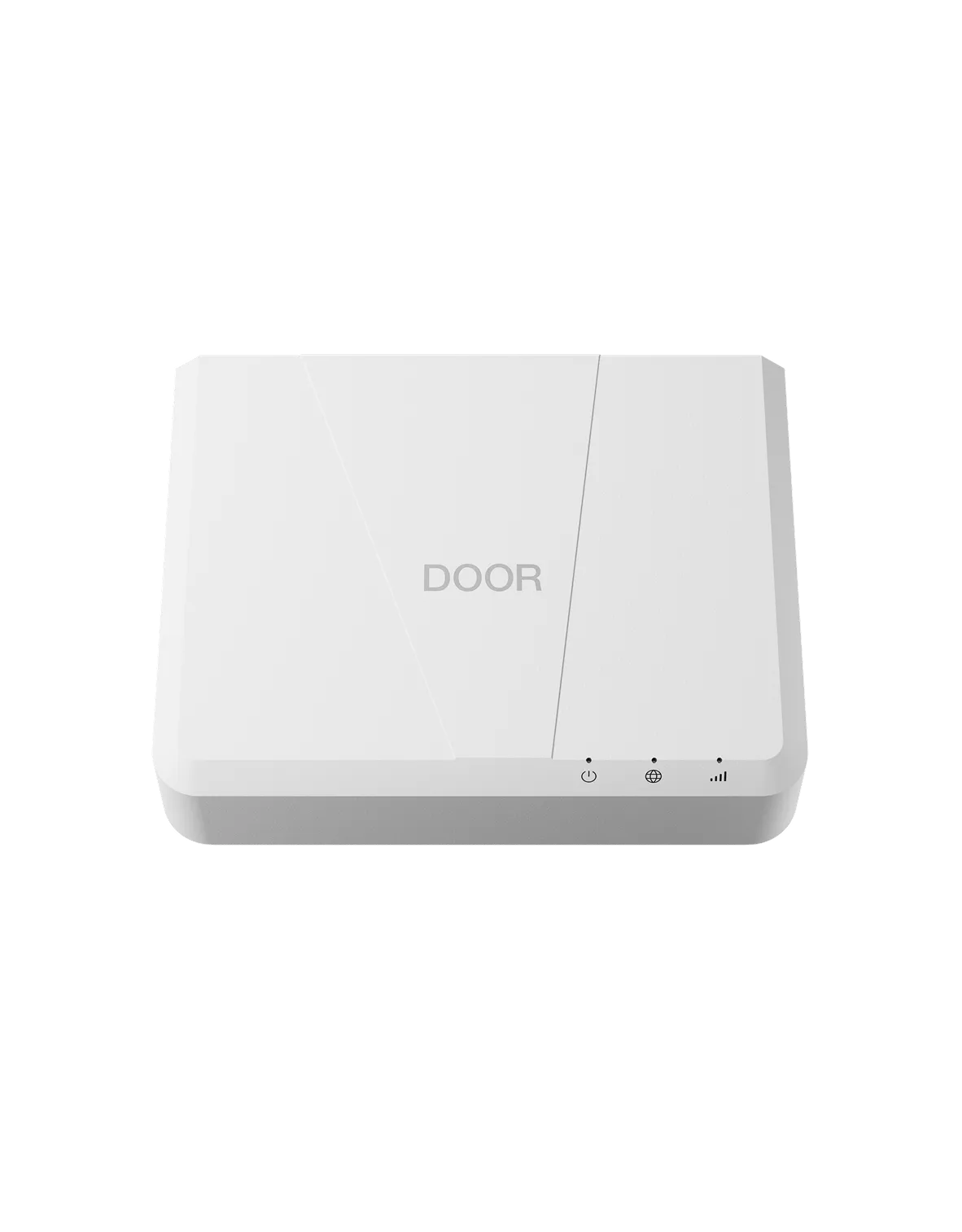
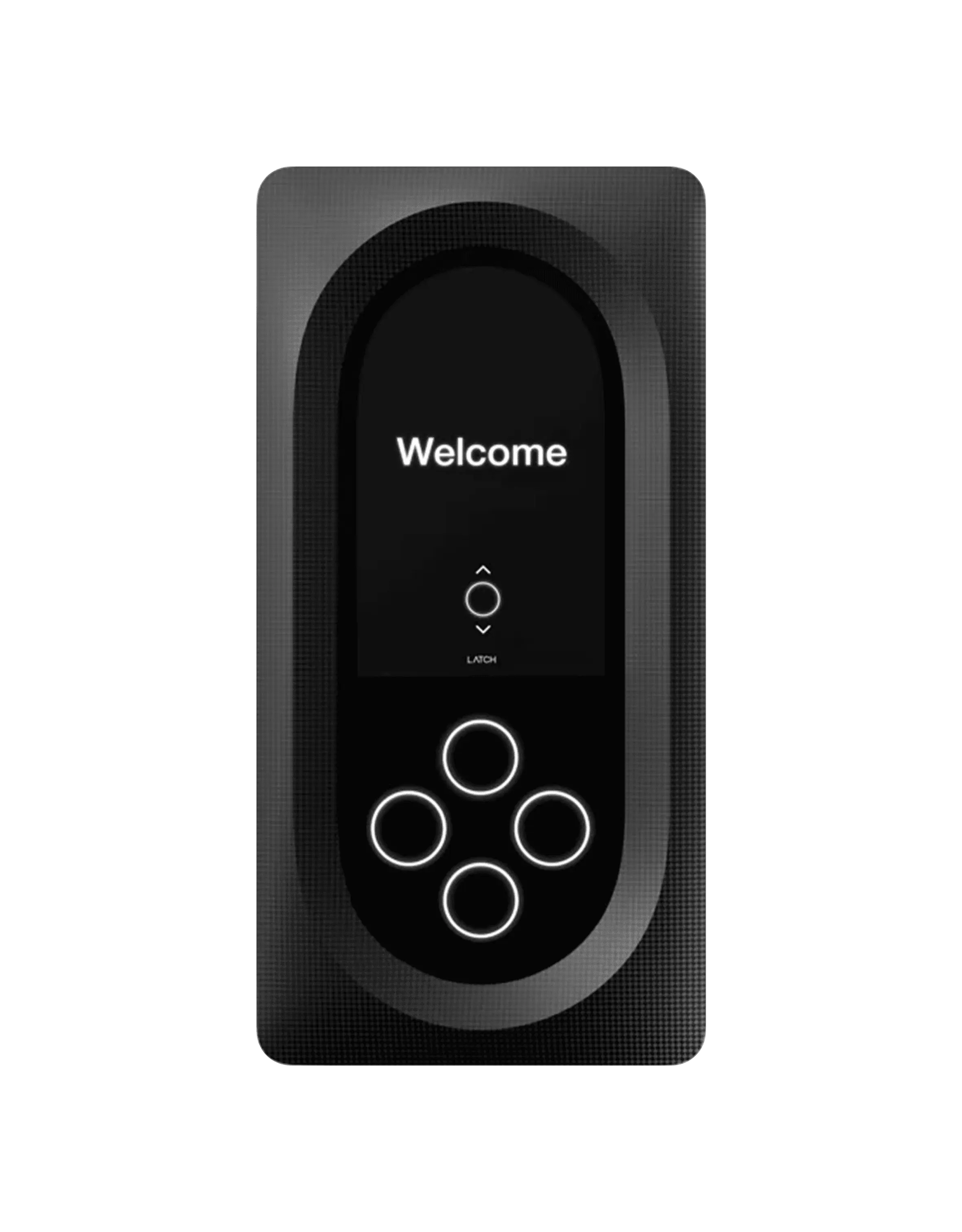
DOOR brings together access control, smart home devices, and building operations into one cohesive platform designed expressly for multi tenant residential properties. Unlike commercial systems adapted for apartments, DOOR models buildings by units, residents, leases, and real day to day workflows.
In practice, DOOR centralizes access rules and credential lifecycle management across unit doors, building entries, elevators, package rooms, and shared amenities. Credentials can be issued, scheduled, or revoked automatically based on lease events such as move in, move out, staff role updates, or vendor access windows.
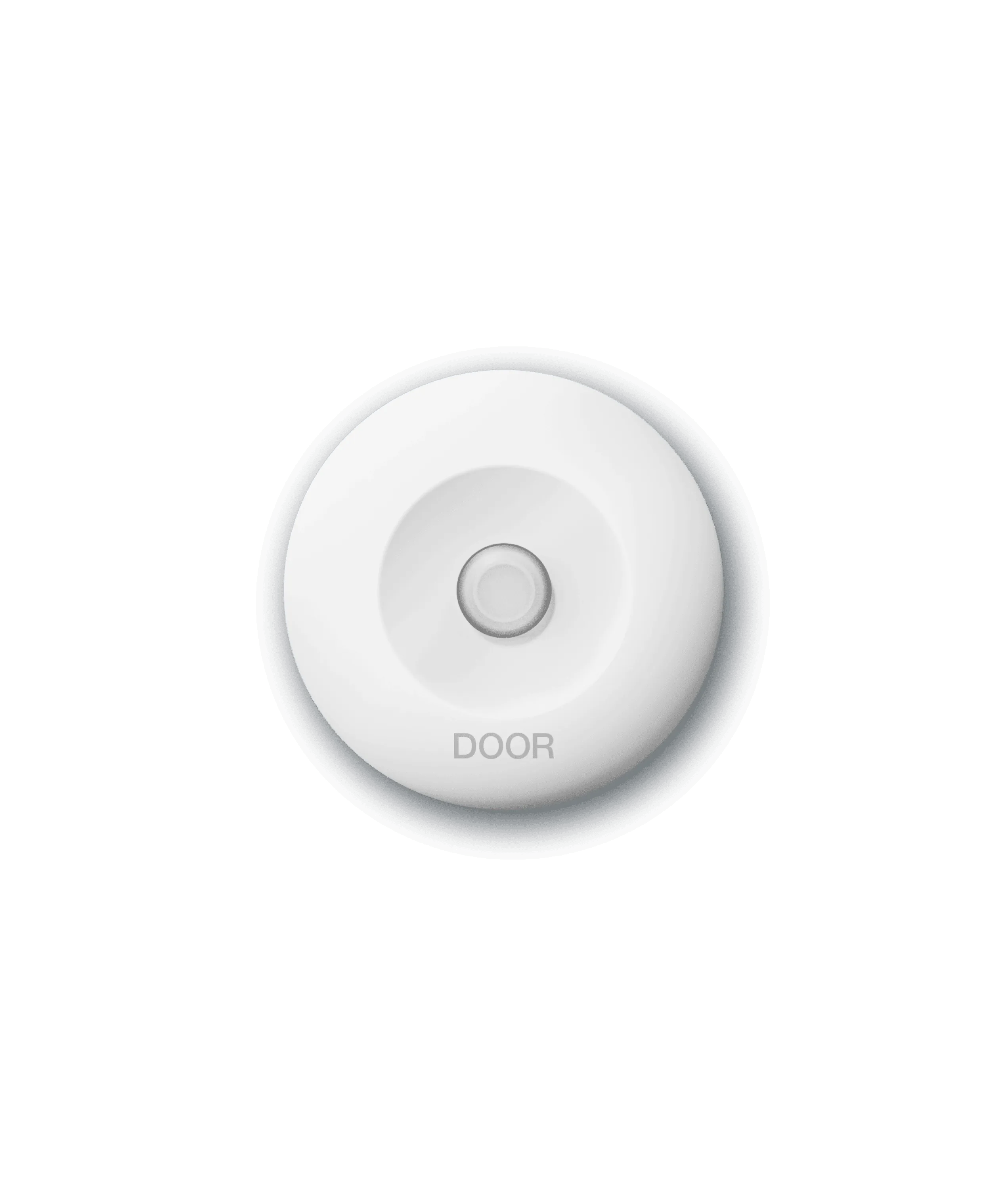
The DOOR Platform manages unit locks, building entries, elevators, package rooms, co working spaces, gyms, and other amenities through one operational layer. Smart thermostats, leak sensors, dimmers, and open or close monitors can also be managed through the same software.
DOOR is designed for reliability during real world failure scenarios. Offline capable devices continue enforcing access rules during connectivity disruptions, and event logs sync back to the platform once systems reconnect. This ensures both continuity of entry and full audit visibility.
DOOR’s curated hardware ecosystem is intentional. Fewer device types mean more reliable firmware, stronger security consistency, and more predictable operations at scale. This reduces fragmentation and helps teams avoid the maintenance burden that often accompanies multi vendor access stacks.

Final Thoughts
Access control software is now central to how multi unit properties operate. Some solutions excel at the front door. Others focus on lock hardware or perimeter control. Many offer strong features within their niche. But most multifamily portfolios need more than a niche solution. They need a system that can unify resident access, vendor workflows, building operations, and device management across every door in every property.
This is where DOOR stands out. It is designed for multifamily from the ground up and brings access control, smart home devices, credential automation, and operational reliability into a single cloud based platform.
For owners and operators seeking a modern, cohesive, and future ready access control platform, DOOR delivers the most complete solution for multi unit environments.
.webp)



.webp)
.webp)

