


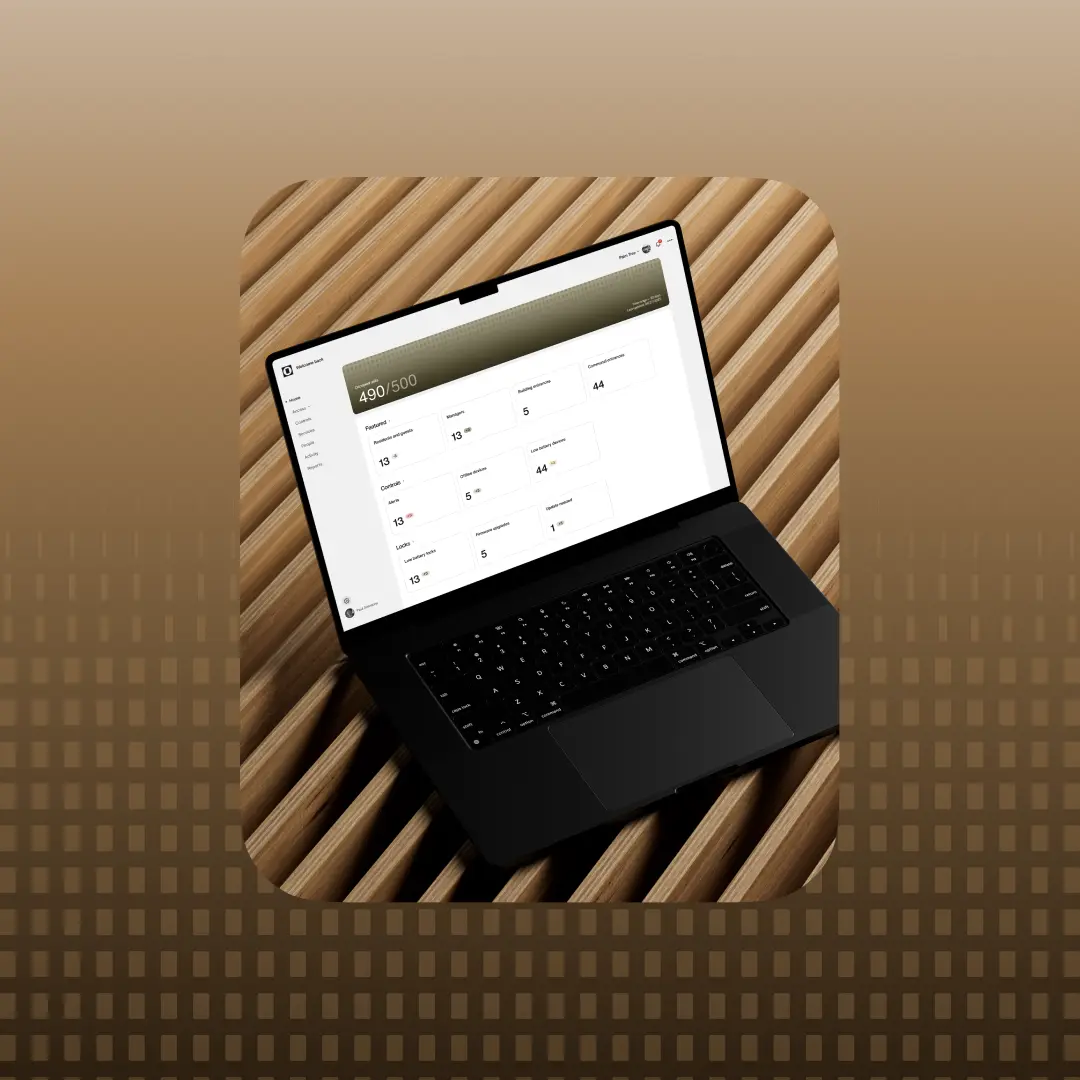
Multifamily operations depend on accurate data, consistent workflows, and fast coordination across leasing, maintenance, accounting, resident communication, access, and unit turns. For most owners and operators, that work starts inside a property management system.
A property management system, often shortened to PMS, helps multifamily teams manage the daily and financial operations of a property or portfolio. It stores resident records, lease information, rent payments, maintenance requests, unit availability, reporting, and other core workflows property teams rely on every day.
But as portfolios grow more complex, choosing a PMS is no longer just about finding software with the right feature list. Operators also need to understand how each system fits their operating model, how it supports scale, and how well it connects to the rest of the property technology stack.
Entrata, Yardi, RealPage, and AppFolio are four of the most common property management systems used across multifamily operations. Each platform can support leasing, accounting, resident management, maintenance, and reporting, but they often serve different needs depending on portfolio size, internal processes, asset type, and integration strategy.
This guide compares Entrata, Yardi, RealPage, and AppFolio from a practical multifamily operations perspective. The goal is not to declare one universal winner. The strongest choice depends on how your team works today, where your portfolio is headed, and how your PMS connects to the systems that manage what happens inside the building.
What Is a Property Management System?
A property management system is software that helps owners, operators, and property managers organize and manage the core functions of a rental property or portfolio.
In multifamily housing, a PMS typically supports lease administration, rent collection, resident records, maintenance requests, unit availability, renewals, reporting, and communication. For many property teams, it is the central system of record. That means the PMS is where teams look to understand who lives in a unit, when a lease starts or ends, what payments are due, which units are vacant, and what operational tasks need attention.
A PMS can also support portfolio visibility. Regional managers, asset managers, and ownership teams often rely on PMS data to understand occupancy, revenue, expenses, maintenance performance, and property-level trends.
At the site level, the PMS helps teams keep everyday work organized. At the portfolio level, it helps leaders understand performance across properties. That combination makes the PMS one of the most important systems in multifamily operations.
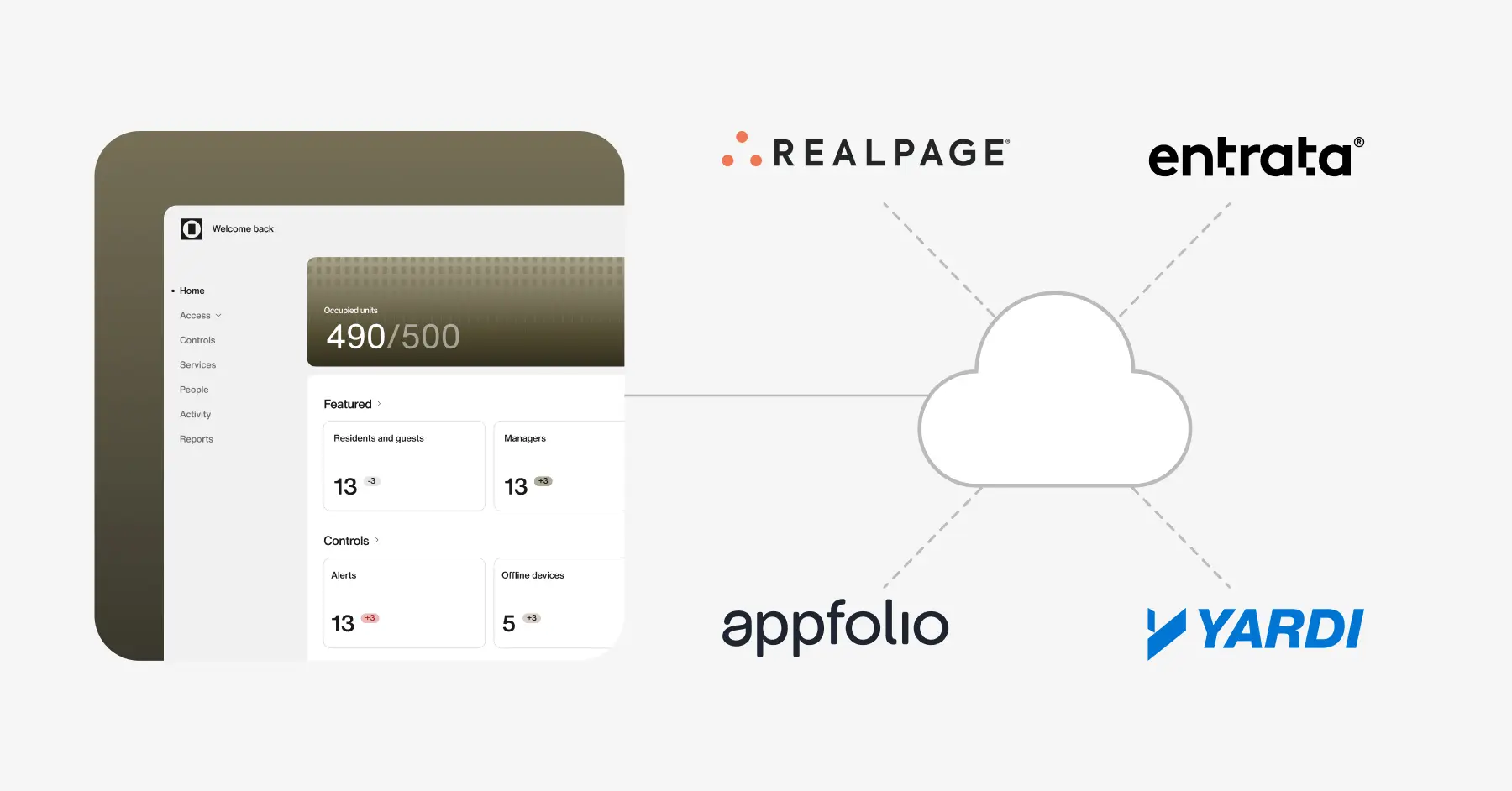
The role of the PMS becomes even more important when it connects to other systems. If resident, unit, lease, and work order data can flow into access control, smart home devices, maintenance tools, and automation platforms, teams can reduce duplicate work and create more consistent building operations.
Why Property Management Systems Matter for Multifamily Operations
A PMS affects nearly every part of the resident and staff experience.
For leasing teams, it helps manage prospects, applications, lease documents, renewals, and move-ins. For property managers, it organizes resident information, unit status, rent payments, notices, and reporting. For maintenance teams, it can support work orders, service requests, scheduling, and documentation. For ownership and asset management, it provides visibility into performance across the portfolio.
The right PMS can help operators improve consistency, reduce administrative work, and make better decisions. The wrong fit, or a poorly implemented system, can create friction across the organization.
In multifamily, this matters because small inefficiencies scale quickly. A manual step that takes a few minutes at one property can become a major operational burden across hundreds or thousands of units. If teams have to update the same resident information in multiple platforms, manually coordinate access, or reconcile data between systems, the PMS may be storing information but not fully improving operations.
That is why integrations are now central to PMS strategy. A PMS should not operate as an isolated database. It should connect to the tools that teams use to manage access, work orders, smart devices, communications, and physical operations.
Entrata, Yardi, RealPage, and AppFolio at a Glance
Entrata, Yardi, RealPage, and AppFolio all support multifamily property operations, but they are not identical. Each platform has a different history, product structure, and common fit.
This comparison should be used as a starting point, not a final verdict. PMS selection is highly dependent on portfolio needs, internal team structure, reporting requirements, asset class, and integration strategy.
Yardi: A Deep Platform for Large and Complex Portfolios
Yardi is one of the most established property management systems in multifamily. It is commonly used by larger operators, REITs, affordable housing providers, and organizations with complex accounting, compliance, and reporting needs.
Yardi’s ecosystem includes platforms and tools that support accounting, leasing, resident services, maintenance, marketing, reporting, and portfolio management. Many operators evaluate Yardi when they need mature financial controls and the ability to manage large or diverse portfolios.
For enterprise teams, Yardi’s depth can be an advantage. It can support complex reporting structures, multiple asset types, compliance requirements, and centralized oversight. This can be especially valuable for operators managing properties across markets or ownership structures.
The tradeoff is that deeper systems often require clearer internal ownership. Teams should think carefully about configuration, onboarding, training, and ongoing administration. A powerful PMS can create value, but only if workflows are set up clearly and teams use the system consistently.
Yardi may be a strong fit for operators that prioritize accounting depth, enterprise reporting, compliance, and long-term scalability. It may require more planning and process discipline than lighter-weight systems, but for complex portfolios, that structure can be part of its value.
RealPage: Data, Analytics, and Enterprise Operations

RealPage is another major PMS and property operations platform in multifamily. It is often associated with enterprise portfolios, analytics, revenue management, leasing performance, and broad operational workflows.
Operators may consider RealPage when they need a wide range of tools across leasing, accounting, payments, maintenance, marketing, resident engagement, and portfolio analytics. For larger organizations, the appeal often comes from having multiple operational functions connected within a single ecosystem.
RealPage can be a fit for teams that want stronger visibility into performance trends, pricing, leasing activity, and operational data. In larger portfolios, those insights can help regional and executive teams understand what is happening across properties and make more informed decisions.
As with any enterprise system, the value depends on implementation and adoption. Teams should evaluate which modules they need, how those modules will be configured, and how data will flow between RealPage and other tools in the property technology stack.
RealPage may be a strong fit for operators that need enterprise-level operational tools, analytics, and broad portfolio oversight. The key is making sure the platform structure aligns with the way teams actually work day to day.
Entrata: Unified Workflows for Multifamily and Student Housing
Entrata is widely used across multifamily and student housing, with tools that support leasing, payments, resident management, accounting, maintenance, communication, and other property operations workflows.
Entrata is often considered by operators that want a unified platform experience. Rather than managing many disconnected tools, teams may look to Entrata to streamline leasing, resident communication, payments, and operational processes in one environment.
For multifamily operators, this can support more consistent daily workflows. For student housing teams, where turn season creates intense operational pressure, a unified PMS experience can be especially valuable. High-volume move-ins, move-outs, roommate changes, maintenance needs, and access requirements all need to happen within tight timelines.
Entrata may be a strong fit for growth-oriented operators, student housing portfolios, and teams that want leasing and resident workflows to feel more connected. As with any PMS, the best fit depends on reporting needs, integration requirements, asset type, and how the team prefers to manage operations.
For operators evaluating Entrata, it is worth paying close attention to how well the platform supports the full resident lifecycle, from prospect to applicant to resident to renewal or move-out. It is also important to consider how Entrata will connect to access control, smart home systems, work order tools, and other building-level workflows.
AppFolio: Usability and Automation for Growing Operators

AppFolio is often associated with usability, automation, and an approachable user experience. It is commonly evaluated by small to mid-market operators, regional property management companies, and growing teams that want modern functionality without excessive complexity.
AppFolio supports core property management workflows such as leasing, accounting, maintenance, payments, communication, and reporting. Its appeal often comes from ease of use and faster adoption. For lean teams, that can matter as much as feature depth.
A PMS that is easier for teams to use can improve adoption and reduce training friction. If staff can navigate the system confidently, they are more likely to keep data accurate, follow workflows, and use automation features effectively.
AppFolio may be a strong fit for operators that want a more intuitive PMS experience, especially if they are scaling from smaller operations into more standardized processes. It can be particularly useful for teams that need to reduce manual work but do not require the same level of enterprise complexity as larger platforms.
Operators should still evaluate whether AppFolio supports their long-term reporting needs, integration needs, asset types, and growth plans. A system that works well today should also be able to support where the portfolio is going next.
Why PMS Integrations Matter for Access Control and Smart Building Operations
A property management system is the system of record for multifamily operations. It stores the data property teams depend on, including resident information, lease dates, unit status, move-in and move-out activity, and work orders.
But the PMS is not always the system carrying out physical operations inside the building.
That gap creates manual work. A resident may be marked as moved in inside the PMS, but access still needs to be created. A resident may move out, but credentials still need to be revoked. A work order may be created, but maintenance still needs a reliable way to access the unit. A unit may be vacant, but staff still need to manage access, smart devices, and readiness workflows in other systems.
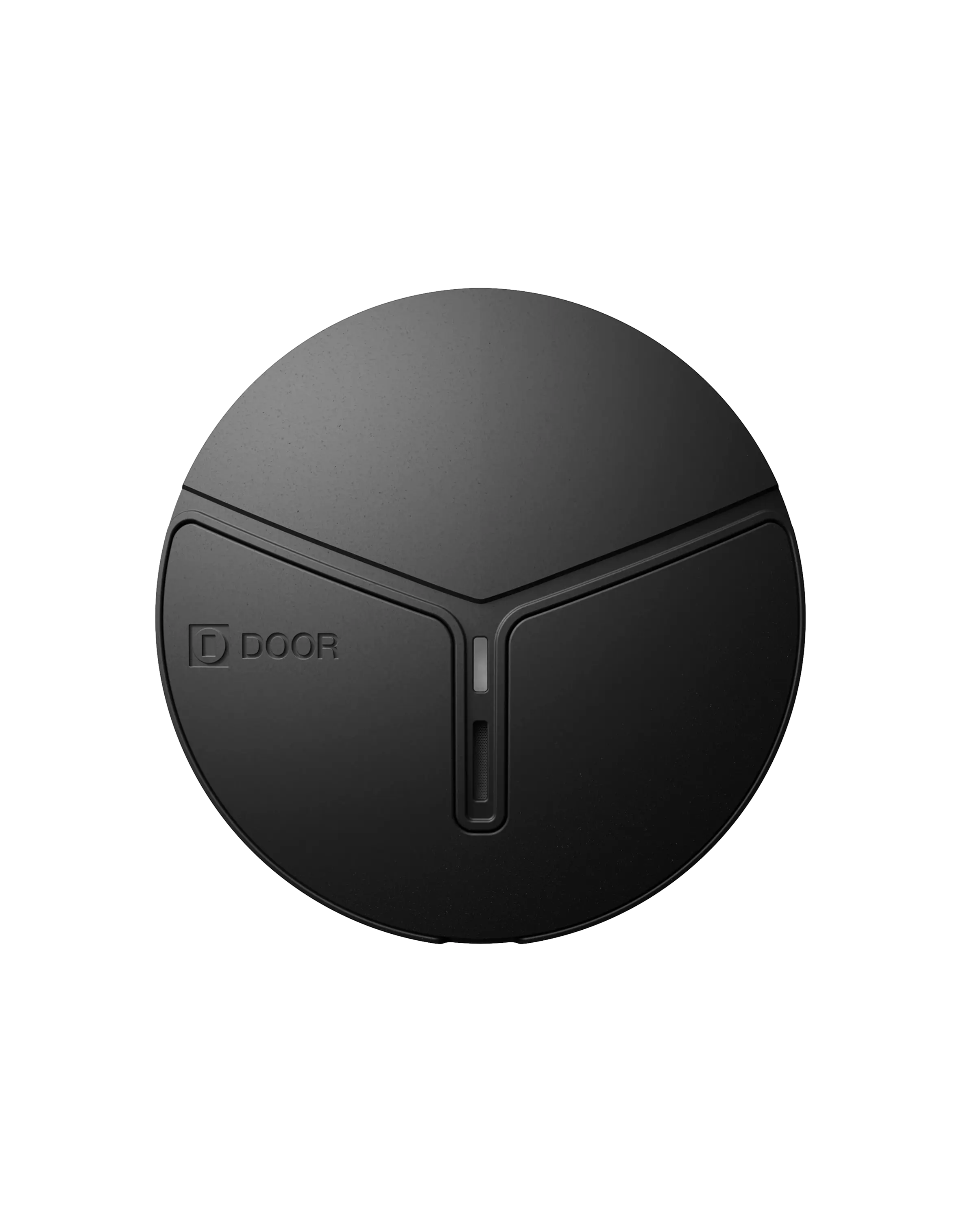
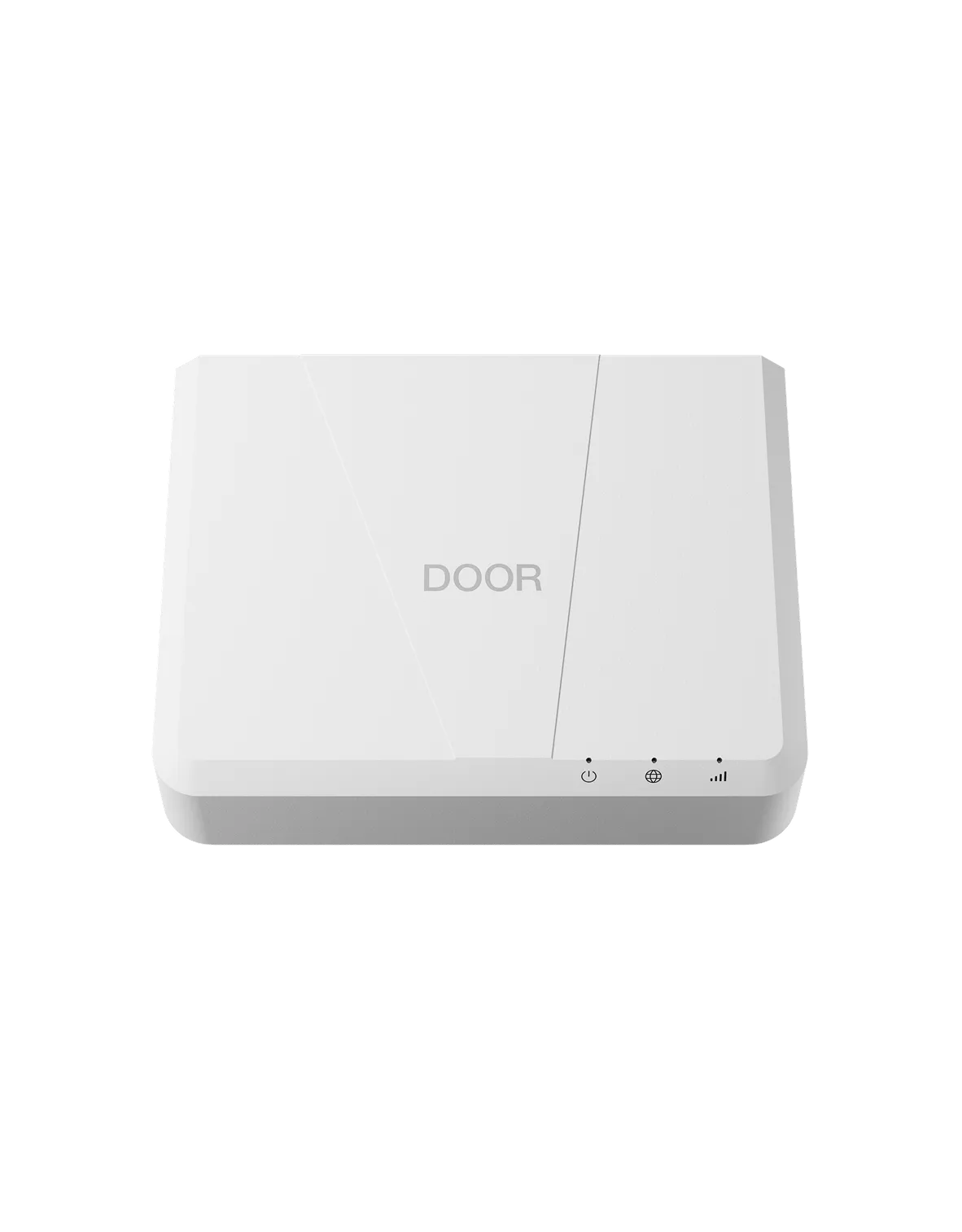
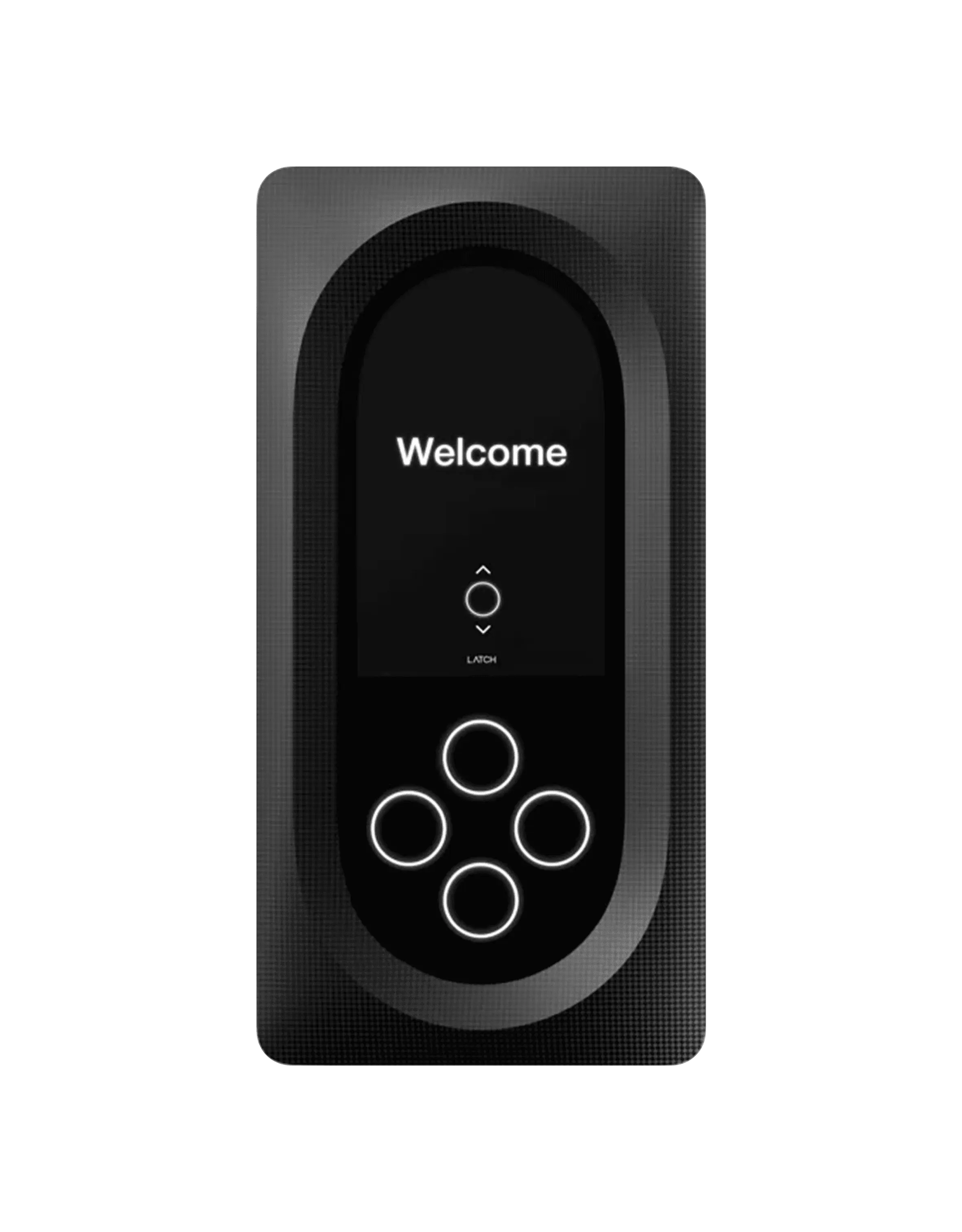
PMS integrations help close that gap by allowing resident, unit, and workflow data to connect to building-level actions. This is where DOOR OS adds value. DOOR integrates with leading property management systems, including Entrata, Yardi, RealPage, and AppFolio, so PMS data can support access control, smart home technology, automation, and daily operations.
Cleaner Resident Onboarding and Offboarding
Move-ins and move-outs both depend on accurate access permissions. When systems are disconnected, staff may update a resident record in the PMS, then repeat similar steps in a separate access system to create or revoke credentials. That extra handoff adds work and increases the chance of delayed move-in access or outdated credentials after move-out.
With a PMS integration, resident status changes can help keep access workflows aligned. When a resident is marked as moved in, a connected platform like DOOR OS can support the appropriate access setup for the building, unit, amenities, and app-based tools. When a resident moves out, that same connection can support credential revocation across the right spaces.
For staff, this reduces duplicate entry and manual follow-up. For residents, it helps create a smoother move-in experience. For high-turnover environments like student housing, it can also make turn periods more consistent and easier to manage.
Easier Maintenance and Vendor Access
Maintenance workflows often depend on both digital records and physical access.
A service request may live in the PMS, but the technician still needs access to the right unit at the right time. Without connected systems, teams may rely on key handoffs, temporary codes, manual coordination, or on-site staff support.
When PMS, work order, and access systems work together, maintenance access can become more structured. A job can be tied to the appropriate unit, timeframe, and person. Instead of coordinating physical keys, teams can support time-limited access that matches the work being performed.
This can reduce delays, improve accountability, and help maintenance teams spend more time resolving issues instead of waiting for entry.
Smarter Vacant Unit Management
Vacant units still require active management. Teams may need to coordinate vendor access, cleaning, maintenance, inspections, tours, and energy settings.
If vacancy status only lives inside the PMS, staff may still need to manage those tasks manually across different systems. That can lead to unnecessary site visits, inconsistent unit prep, or missed handoffs.
With PMS integration, vacancy status can become a useful operational signal. A unit marked vacant can help inform access permissions, smart thermostat settings, and unit-readiness workflows inside DOOR OS.
The value is simple: fewer disconnected steps and more consistent execution during turns.
Faster Response to Smart Device Alerts
Smart devices produce useful signals, but those signals only create value when teams can act on them.
For example, a leak sensor alert may indicate that a unit needs immediate attention. But if that alert lives in one dashboard, the work order lives in the PMS, and unit access lives in another system, staff still need to manually connect the dots.
An integrated approach helps smart device alerts move closer to resolution. A sensor alert can support a maintenance workflow, while access permissions help the right person get into the right space at the right time.
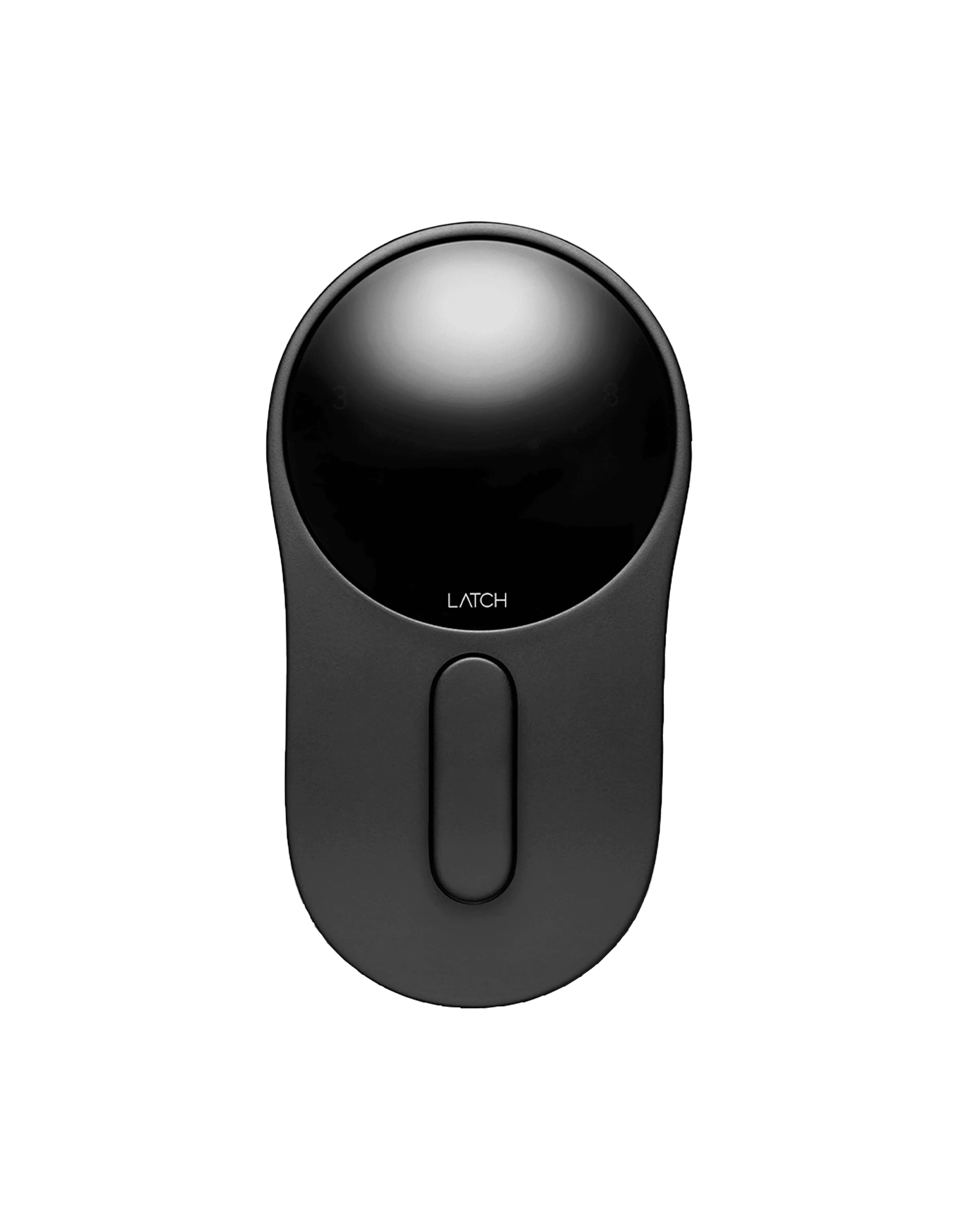
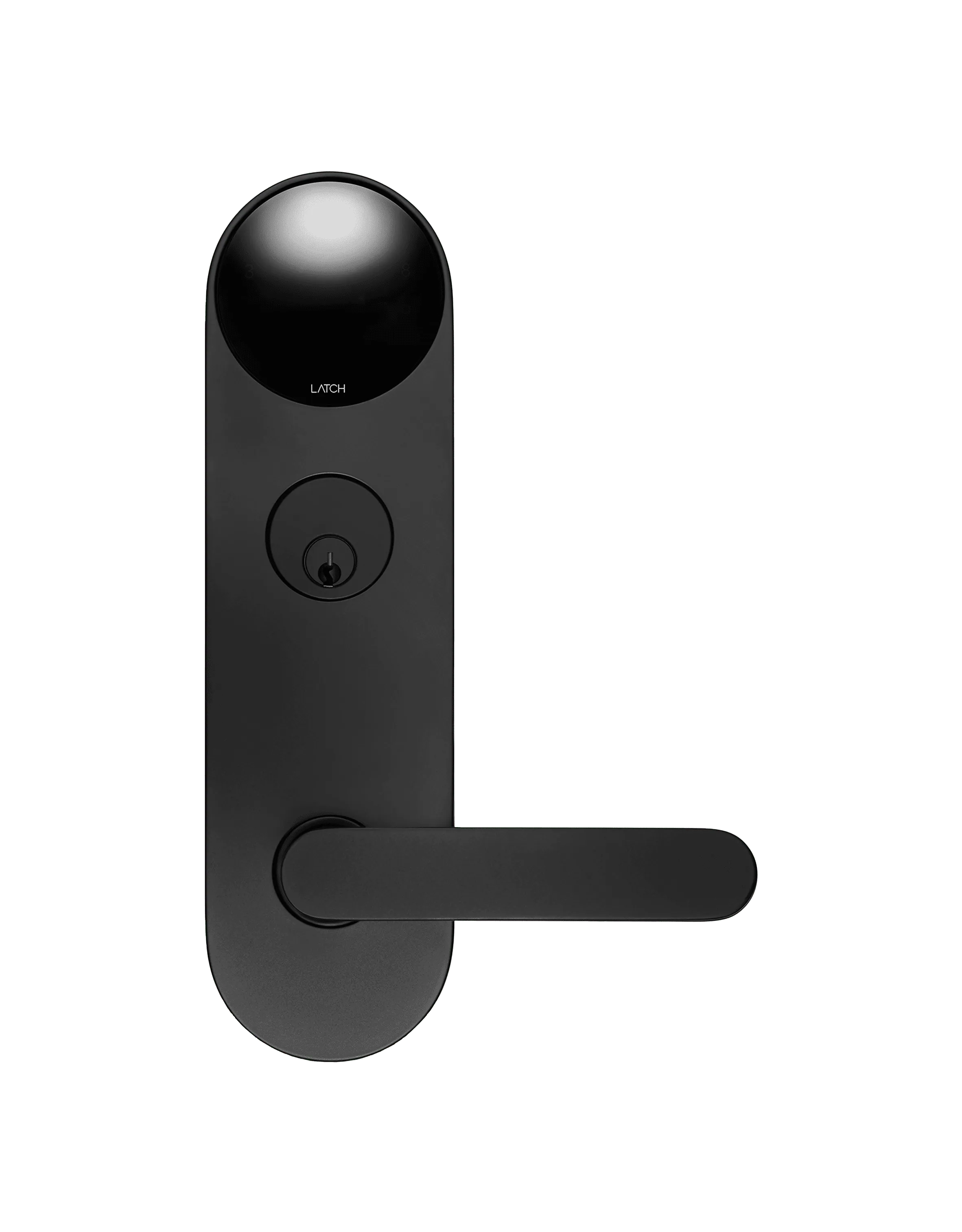
That is the larger role of DOOR OS. It connects access control, smart home technology, PMS data, and operational workflows so teams can move from isolated alerts to coordinated action.
How to Choose the Right PMS for Multifamily Operations
Choosing a property management system should start with operations, not software.
Before comparing platforms, operators should define how their teams work today and what needs to improve. That includes leasing workflows, accounting requirements, maintenance processes, resident communication, reporting needs, turn processes, and portfolio-level oversight.
A useful PMS evaluation should include several factors.
Portfolio size and complexity matter because a 300-unit regional operator and a 50,000-unit national portfolio may need very different systems. Larger organizations may require deeper reporting, complex accounting, compliance tools, and enterprise controls. Smaller or mid-market teams may value speed, usability, and simpler implementation.
Core workflow fit is equally important. A PMS should support the tasks your team performs every day, including leasing, applications, renewals, payments, service requests, notices, resident records, and move-out processes. If a platform is strong on paper but awkward in daily use, adoption may suffer.
Integration capability should be evaluated early. The PMS should connect with the tools your team uses for access control, smart home technology, work orders, resident experience, energy management, and reporting. If integrations are treated as an afterthought, teams may end up duplicating work across systems.
User experience and training can determine whether a PMS succeeds. The best system is not always the one with the longest feature list. It is the one your teams can use consistently and correctly.
Scalability should also be part of the decision. Operators should consider whether the PMS can support additional properties, new markets, new asset types, and new technology requirements over time.
Finally, operators should look at automation potential. A PMS should not only store data. It should help trigger action. If the PMS knows a resident moved in, that information should be able to support access setup, resident communication, and operational readiness. If the PMS knows a unit is vacant, that status should be able to inform workflows around access, maintenance, energy, and unit turns.
Common Challenges When Choosing or Using a PMS
One common mistake is choosing a PMS based only on features. Feature lists matter, but they do not always reflect how well a platform fits a team’s actual workflows. Operators should map features to real operational needs before making a decision.
Another challenge is underestimating implementation. A PMS rollout requires clean data, clear workflows, staff training, and internal ownership. Without those pieces, even a strong platform can create confusion.
Teams can also run into problems when integrations are considered too late. If access control, work orders, smart devices, and resident experience tools are not part of the PMS conversation, staff may still have to manage the same tasks across multiple systems after launch.
Data quality is another important consideration. A PMS is only as useful as the information inside it. Inaccurate resident records, outdated unit status, inconsistent work order documentation, and incomplete reporting can all reduce the value of the system.
Finally, operators should avoid over-customizing every workflow. Customization can solve specific problems, but too much customization can make the system harder to manage, train, and scale. The strongest PMS implementations balance flexibility with standardization.
FAQs
What is a property management system in multifamily housing?
A property management system is the central software platform multifamily teams use to manage property operations. It typically stores and organizes resident records, leases, unit status, payments, maintenance requests, renewals, move-ins, move-outs, and reporting.
In multifamily housing, the PMS often acts as the system of record. That means other tools across the property technology stack may rely on PMS data to understand who lives in a unit, when a lease starts or ends, whether a unit is vacant, and what workflows need to happen next.
For operators, the value of a PMS is not only in storing information. It is in helping teams run consistent workflows across leasing, maintenance, accounting, resident communication, and portfolio reporting.
What is the difference between Entrata, Yardi, RealPage, and AppFolio?
Entrata, Yardi, RealPage, and AppFolio all support multifamily property operations, but they are often evaluated for different reasons. Yardi is commonly associated with large and complex portfolios that need deep accounting, compliance, and reporting functionality. RealPage is often used by enterprise operators looking for broad operational tools, analytics, and revenue management capabilities.
Entrata is frequently considered by multifamily and student housing teams looking for a unified platform experience across leasing, resident management, payments, and operations. AppFolio is often attractive to small to mid-market operators and growing property management companies that prioritize usability, automation, and faster adoption.
The right platform depends on the operator’s portfolio size, internal workflows, reporting needs, asset types, and integration priorities. Rather than asking which PMS is universally best, operators should ask which system best fits how their teams actually work.
Which property management system is best for multifamily operations?
There is no single best property management system for every multifamily operator. A large REIT with complex accounting and reporting needs may evaluate PMS platforms differently than a regional operator focused on usability and speed. A student housing operator with high-volume turn seasons may prioritize workflows differently than a conventional multifamily owner.
The best PMS is the one that supports your core workflows, scales with your portfolio, integrates with your existing technology stack, and is actually adopted by your teams. Operators should evaluate how each platform handles leasing, renewals, payments, accounting, maintenance, resident communication, reporting, and integrations.
For many multifamily teams, the strongest PMS strategy also considers what happens outside the PMS. If resident, unit, and work order data cannot connect to access control, smart devices, and operational systems, teams may still be left with manual work across the building.
Why do PMS integrations matter for access control and smart building operations?
PMS integrations matter because the PMS holds the data that many building workflows depend on. When a resident moves in, moves out, transfers units, or submits a maintenance request, that information can affect access permissions, unit status, work orders, vendor coordination, and smart device settings.
Without integrations, staff may need to update multiple systems manually. For example, they may move a resident into a unit in the PMS, then separately create that resident in an access control system, issue credentials, update permissions, and later remember to revoke access at move-out. Each extra step creates more work and more room for inconsistency.
When a PMS connects to a platform like DOOR OS, property teams can use PMS data to support real building actions. Move-in and move-out events can help trigger access updates. Work order activity can connect to maintenance access. Vacancy status can inform unit-level automation. The PMS remains the source of truth, while connected systems help carry out the workflows inside the building.
How should multifamily operators evaluate a PMS?
Multifamily operators should evaluate a PMS based on operational fit, not just features. The platform should support the workflows that matter most to the business, including leasing, accounting, resident communication, maintenance, reporting, move-ins, move-outs, and renewals.
Operators should also consider portfolio size, asset mix, implementation requirements, reporting needs, user experience, training, and long-term scalability. A PMS that works well for a smaller regional operator may not be the right fit for a national enterprise portfolio, and the reverse can also be true.
Integrations should be part of the evaluation from the beginning. A PMS that connects cleanly with access control, smart home systems, work order tools, and resident experience platforms can help reduce duplicate work and improve operational consistency across the property.
Can a PMS integrate with smart access, work orders, and building automation?
Yes. Many property management systems can integrate with third-party platforms that manage smart access, work orders, smart home devices, resident workflows, and building automation. The exact integration capabilities depend on the PMS, the third-party platform, and how the operator configures its systems.
For multifamily teams, these integrations can be especially valuable because they connect administrative records to physical operations. A lease event in the PMS can help inform access permissions. A maintenance request can connect to unit access. A vacant unit status can support thermostat or energy-saving workflows.
This is where DOOR OS fits into the modern multifamily technology stack. DOOR integrates with leading PMS platforms, including Entrata, Yardi, RealPage, and AppFolio, helping property teams connect PMS data to access control, smart devices, and operational workflows without forcing teams to abandon the systems they already use.
Final Thoughts
Entrata, Yardi, RealPage, and AppFolio each play an important role in multifamily property management. Each can support strong operations when matched to the right portfolio, team structure, and workflow needs.
Yardi may be a strong fit for larger organizations that need accounting depth, reporting, compliance, and enterprise scalability. RealPage may serve operators looking for broad enterprise tools, analytics, and performance visibility. Entrata may work well for teams seeking unified leasing, resident, and operational workflows, especially across multifamily and student housing. AppFolio may be a strong option for small to mid-market teams that prioritize usability, automation, and adoption.
The most important takeaway is that a PMS should not be evaluated in isolation. Multifamily operations increasingly depend on how well systems work together. A PMS stores critical information about residents, units, leases, payments, and maintenance. But that information becomes more valuable when it can support real actions across the property.
With DOOR OS, multifamily teams can connect PMS data to access control, smart home technology, automation, and operational workflows. That can help reduce duplicate work, simplify move-ins and move-outs, support maintenance coordination, and create more consistent execution across properties.
The PMS remains the system of record. DOOR helps turn that record into action.
.webp)



.webp)

.webp)
.webp)

