


Resident retention is not just a satisfaction metric. It is a cost metric.
Every avoidable move-out can expose a multifamily property to vacant days, make-ready labor, repairs, access changes, marketing expenses, leasing work, and concessions. When the resident experience behind that move-out also produces negative reviews or poor word of mouth, the property may have to work even harder to attract the next resident in a competitive market. Better everyday resident experiences supports retention, renewals, and strengthens the reputation that influences future leasing demand.
That makes proptech, or property technology, more than an amenity strategy. Smart access, Smart Home connected devices, and connected Building Intelligence platforms can improve the resident touchpoints that operators have the greatest ability to control. They can also produce value independent of retention: Parks Associates and DOOR research found that connected building deployments generated a 20% average increase in operating efficiency and a 19% reduction in energy costs.
Those figures demonstrate that the same technologies supporting better access, comfort, maintenance, and building response also create measurable financial value before avoided turnover is even counted.
How Does Proptech Improve Multifamily Resident Retention?
Proptech can improve multifamily resident retention by reducing friction throughout move-in, daily access, maintenance, apartment comfort, and building response. For operators, those improvements can support resident satisfaction while lowering recurring costs, protecting net operating income, or NOI, and making service more consistent.
1. Simplify Move-Ins With Digital Access
Move-in is one of the first times a resident experiences how a property actually operates. A strong leasing experience can quickly lose its impact when a new resident arrives and cannot enter the building, access an amenity, locate their credentials, or get help without waiting for the leasing office.
Traditional move-ins also create significant work behind the scenes. Property teams may need to prepare physical keys, coordinate handoffs, confirm permissions across several doors, and enter the same resident information into multiple systems. At scale, every additional manual step creates another opportunity for a delay or missed handoff.
Smart access can replace much of that coordination with a digital workflow. When access is connected to a property management system, or PMS, credentials can be scheduled in advance and activated according to lease status. Residents can receive mobile access or a personal Doorcode for their unit, building entrances, amenities, parking, and other approved spaces.
Connected controls can improve unit readiness as well. For example, operators can automatically adjust a thermostat before arrival rather than relying on a last-minute property walk. DOOR OS supports PMS syncing, scheduled access, staff and vendor permissions, and automated vacant-unit settings from one property-management interface.
A smooth move-in does not guarantee a renewal a year later. It does, however, begin the resident relationship with confidence. It can also reduce staff time, physical key coordination, initial access complaints, and the costs associated with correcting preventable setup errors.
2. Make Everyday Entry and Guest Access Easier
Access is not a one-time amenity. Residents interact with it every time they enter their building, unlock their apartment, visit an amenity, or invite someone to the property.
When access is unreliable or difficult to manage, small inconveniences become recurring frustrations. Residents may lose a key or fob, wait for help after a lockout, coordinate guest entry through a call box, or contact the leasing office whenever permissions need to change.
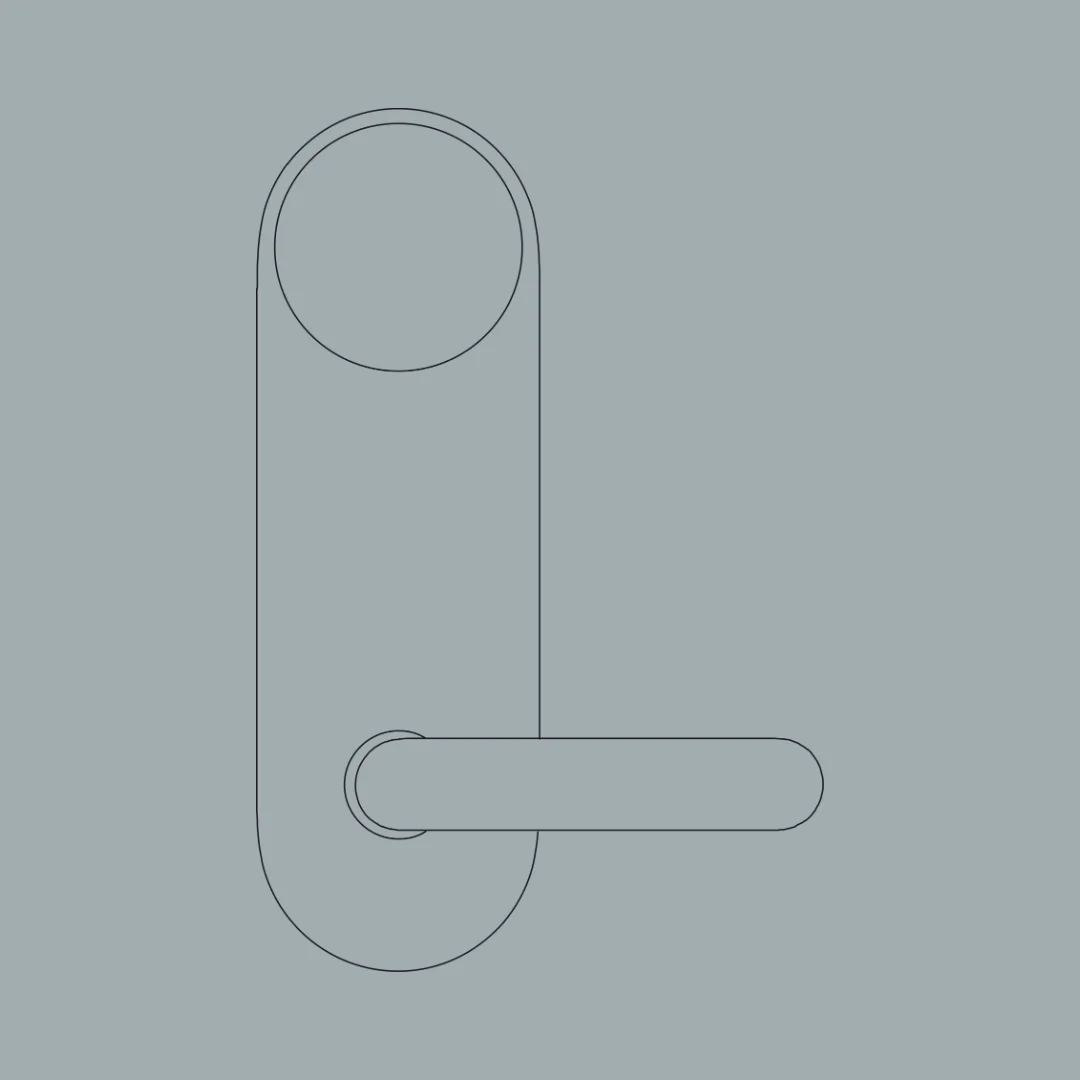
Smart access gives residents more flexible ways to enter while giving property teams centralized control. Through the DOOR App, residents can use options such as their phone, Apple Watch, keycard, or personal Doorcode. They can also send secure, time-limited access to approved guests without sharing a permanent credential or requiring staff to manage the interaction manually.
The value extends beyond convenience. Digital credentials can be granted, updated, or revoked without cutting new keys or sending someone to the property. That can reduce lockout support, rekeying, replacement costs, and in-person credential handoffs.

3. Speed Up Maintenance Response With Connected Workflows
Maintenance is one of the clearest tests of the resident experience. Residents do not care how sophisticated the underlying workflow software is. They care that their request was received, that the right person can access their apartment at the right time, and that the problem is resolved without unnecessary delay.
Disconnected maintenance workflows make that harder. A request may begin in one system, while the technician assignment, resident communication, vendor scheduling, and unit access are managed somewhere else. Staff may still need to find a key, confirm permission with the resident, or make a second trip because the first access handoff failed.
Connected workflows can reduce those gaps. A maintenance request can be routed to the appropriate team member, paired with a time- and location-limited credential, and recorded through an access audit trail. Once the work is finished, access can be revoked automatically rather than remaining active indefinitely.
DOOR OS allows teams to assign staff and vendor permissions while managing access and property activity through the same operational platform. When connected to PMS and maintenance workflows, this approach can eliminate key runs, reduce missed handoffs, and give teams clearer accountability for when a unit was accessed.
The financial and retention benefits are closely related. Faster coordination can reduce staff labor, repeat visits, vendor delays, and the risk that a minor repair becomes more expensive. For residents, it means less uncertainty and a shorter disruption inside their home.
Technology should not replace communication during this process. Rather, it should make it easier for property teams to acknowledge the issue, provide accurate updates, and complete the work efficiently.
4. Improve Apartment Comfort With Connected Controls
In-unit comfort is an important factor in resident satisfaction. A property can offer attractive common areas and premium finishes, but recurring temperature problems or difficult in-unit controls can quickly undermine that experience.
Connected thermostats, lighting controls, and environmental monitors give residents greater control over their apartments while providing property teams with better operational visibility into vacant units. Through the DOOR App, residents can manage supported lights, thermostats, and sensors or create schedules that fit their routines.
For operators, the technology can also support more consistent energy policies. When a unit becomes vacant, DOOR OS can automatically shift connected lighting and thermostat settings into an energy-saving mode. Before a move-in or tour, the unit can return to a comfortable, ready state without requiring another manual visit.
The goal is not to reduce energy use at the expense of resident comfort. It is to apply the right settings based on whether a unit is occupied, vacant, or being prepared for its next resident.
5. Prevent Disruptive Issues Before They Escalate
Some of the most expensive resident experiences begin as small, hard-to-see conditions.
A temperature anomaly can point to an HVAC problem or freezing risk. Changes in humidity or air quality can signal a developing comfort issue. Running water or other water-related signals may indicate a condition that requires attention. Smoke and carbon monoxide alarm events can demand an immediate response.
Traditional operations often depend on a resident noticing the issue, contacting the property, and waiting for the right person to investigate. By that point, the condition may already have become more disruptive or expensive.
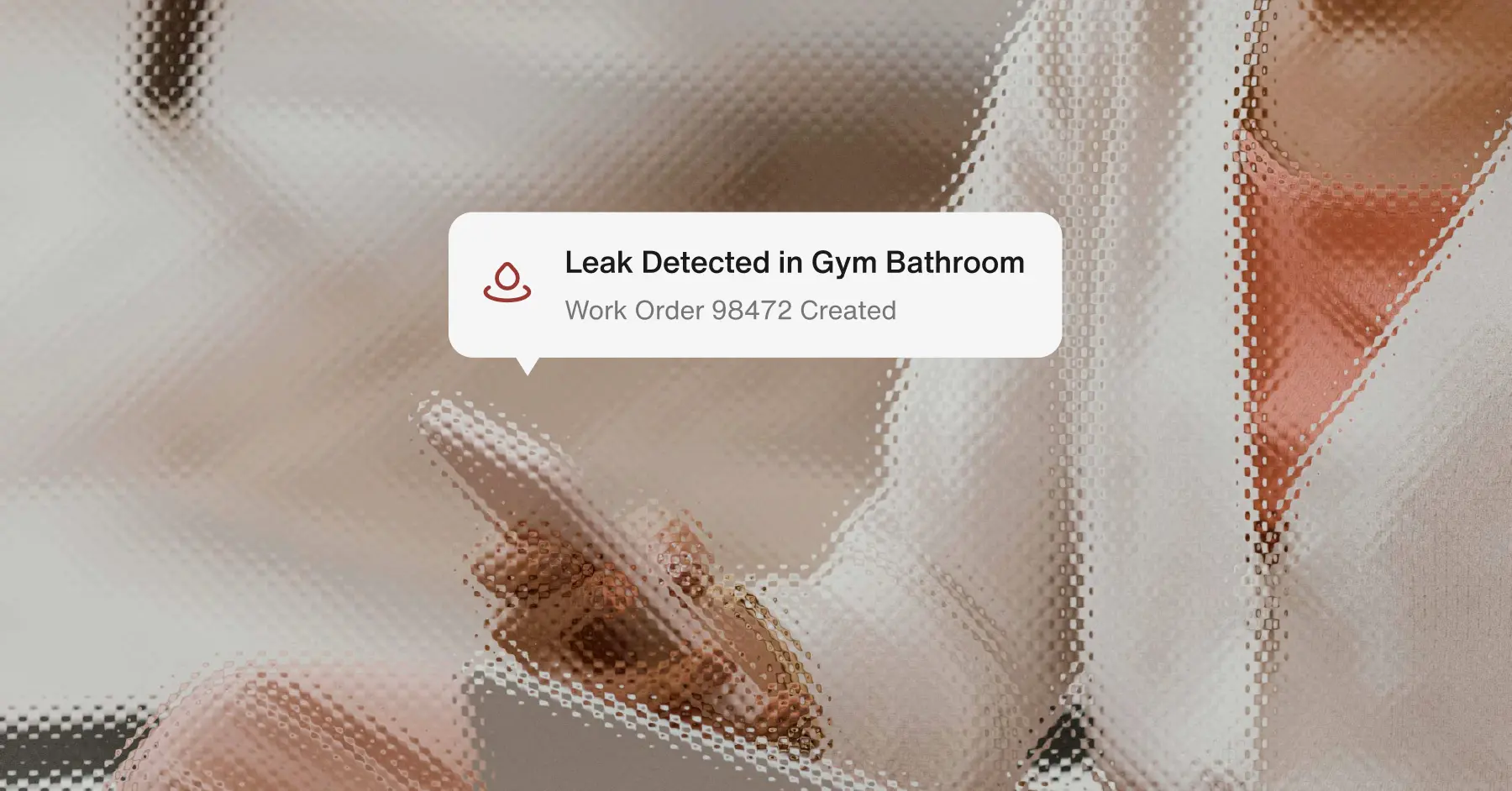
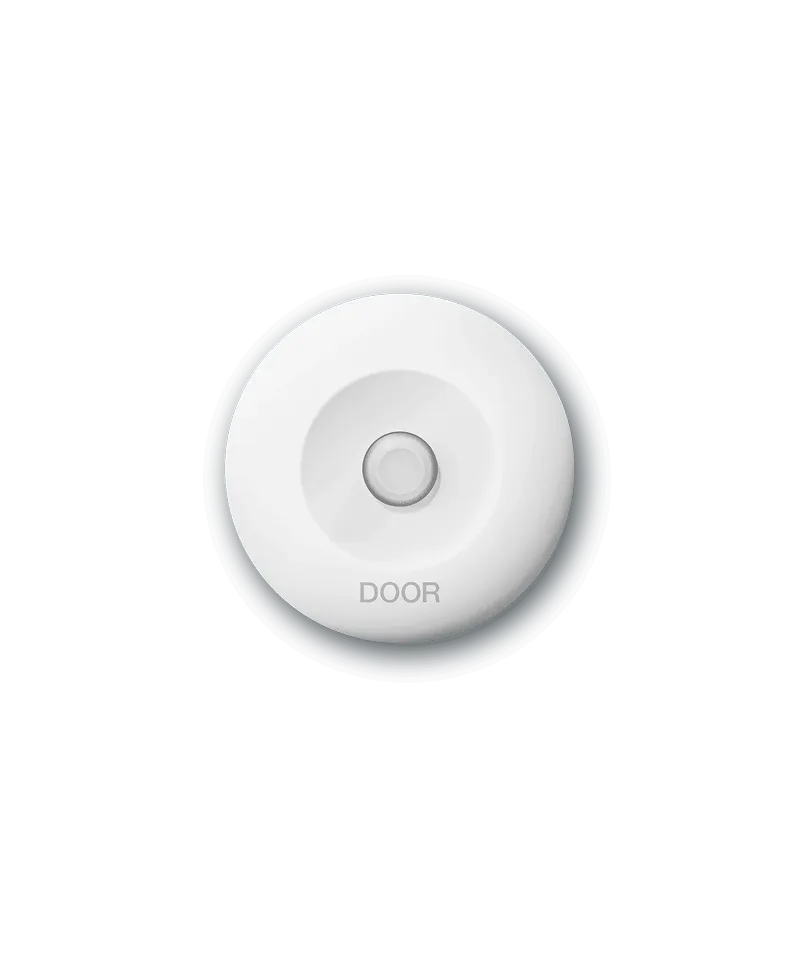
This is where DOOR Scout adds a new layer of Building Intelligence. Scout brings supported locks under remote control and uses edge AI to surface critical building-health signals from one device. It can help teams gain earlier visibility into temperature anomalies, air-quality changes, water-related issues, smoke and CO alarm events, and other life safety conditions that may affect residents, assets, and operations. Signals are processed on the device, allowing Scout to provide awareness without recording or transmitting audio.
Earlier visibility gives property teams more time to evaluate the situation, coordinate the right response, and provide appropriate access. That can help limit emergency repair exposure, reduce the duration of a resident disruption, and protect building infrastructure before a small condition becomes a larger claim.
For residents, that can mean fewer extended comfort problems, emergency repairs, or unresolved concerns. For owners and operators, it can mean better asset protection and a lower potential cost of response.
6. Give Property Teams More Time to Deliver Consistent Service
Residents experience the results of property operations, even when they never see the systems behind them.
They notice when access is ready on move-in day, when a guest credential works, when maintenance arrives as expected, and when the property communicates clearly. They also notice missed handoffs, repetitive requests, and service that varies depending on which employee or property is involved.
Proptech can help teams deliver more consistent service by automating repetitive work. Access provisioning, resident move-outs, vendor credentials, vacant-unit settings, device monitoring, and routine property checks can all require significant staff time when they are handled manually.
DOOR OS centralizes access, PMS syncing, automation, vacant-unit management, and real-time building activity. That gives teams one place to manage many of the workflows that otherwise require separate dashboards, property walks, and staff coordination.
Parks Associates’ finding of a 20% average increase in operating efficiency illustrates the potential value of that shift. The benefit is not simply doing the same work faster. It is giving existing teams more capacity to focus on the resident interactions that still require judgment, empathy, and direct communication.
Automation does not replace resident service. It removes administrative work that can prevent property teams from delivering it consistently.
How DOOR Connects the Technology Behind Resident Retention
DOOR helps multifamily owners and operators improve the everyday property experiences that can influence resident satisfaction and renewal decisions.
Digital credentials simplify move-ins, daily access, guest entry, and staff or vendor coordination. The DOOR App gives residents mobile access and Smart Home controls in one experience, while DOOR OS helps property teams manage access, automation, devices, vacant units, and building activity from one platform. Scout adds earlier visibility into supported building conditions that may affect residents or put the asset at risk.
These capabilities are designed to work together. Lease and unit information can inform access. Access can support maintenance workflows. Connected devices can surface operational signals. Automation can turn those signals into faster, more consistent action.
DOOR is not a dedicated lease-renewal or resident-churn platform. It helps create the operating conditions that can support retention: reliable access, responsive service, comfortable apartments, earlier intervention, and teams with more time to focus on residents.
That approach reflects DOOR’s broader position as a Building Intelligence company focused on making properties simpler to operate, reducing overhead, and delivering bottom-line value for owners and operators.
Resident Retention Protects Property Value
Multifamily resident retention is a cost metric because every avoidable move-out creates another unit to turn and another lease to win. Vacancy, repairs, key changes, marketing, concessions, and leasing labor all place pressure on property performance. Poor resident experiences can add another layer of cost when they become negative reviews or word of mouth that makes future leasing more difficult.
Proptech earns its place when it improves both the resident experience and the economics behind it.
Smart access can reduce credential and rekeying expenses. Connected maintenance workflows can shorten disruptions and eliminate manual coordination. Smart apartment controls can improve comfort while reducing energy waste. Scout can surface supported building conditions earlier, helping teams respond before certain issues become larger operational and resident problems.
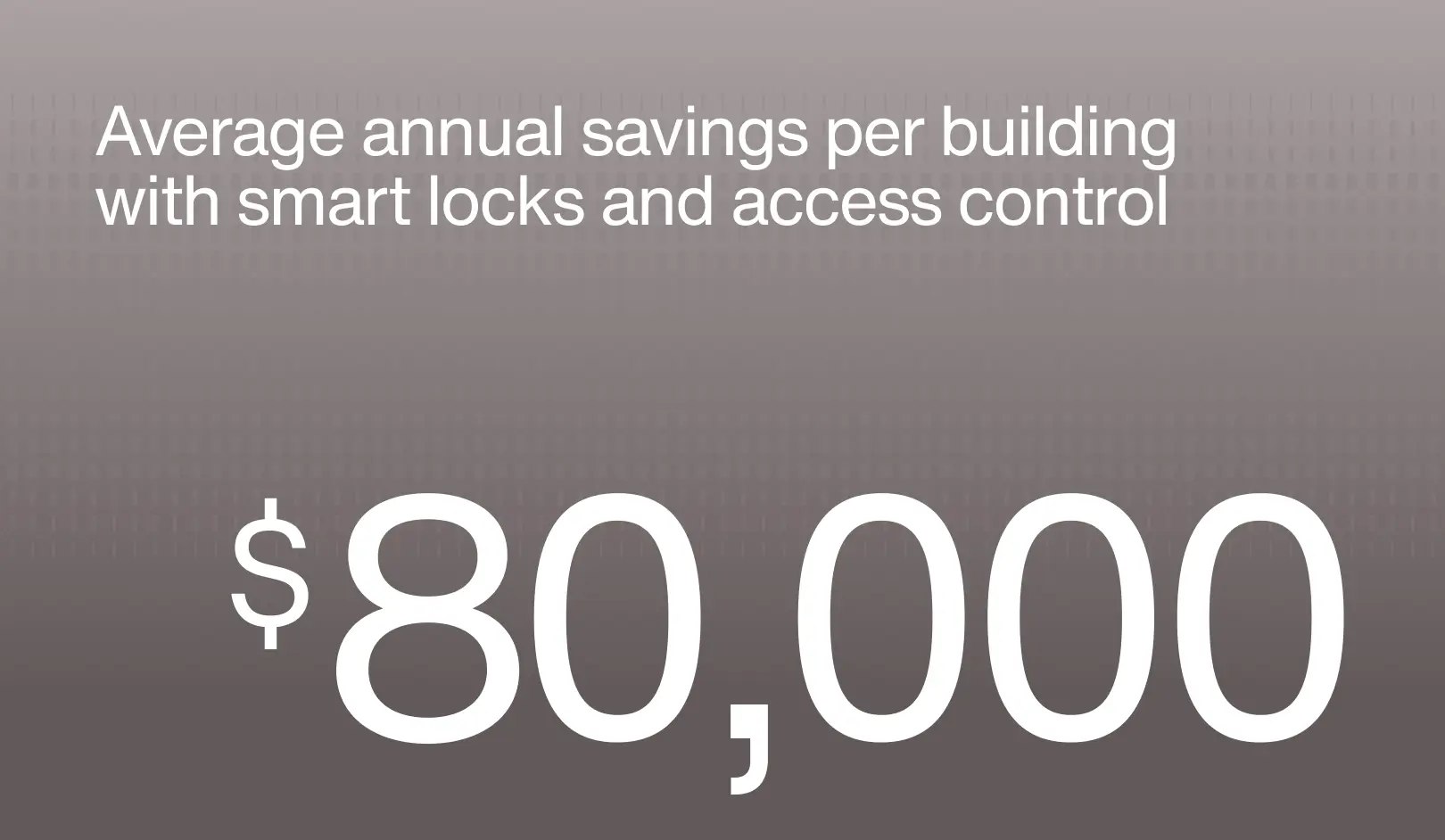
The financial case is already measurable. Parks Associates and DOOR research indicates that smart locks and electronic access control systems can save approximately $80,000 per building each year, while integrated smart building deployments are associated with meaningful gains in efficiency and operating-cost reduction.
The retention case builds on that value. When a property is easier to enter, more comfortable to live in, faster to respond, and more consistent in its service, residents have fewer operational reasons to leave, and more reasons to recommend the experience to others. To learn more about how connected systems help operators reduce complexity, improve visibility, and run more efficient portfolios, download our exclusive Parks Associates Research Paper, From Smart Home to Building Intelligence.
Frequently Asked Questions
What is multifamily resident retention?
Multifamily resident retention is the share of eligible residents or expiring leases that renew at a property. DOOR supports the operational experiences behind that outcome by improving access, apartment comfort, maintenance coordination, and building response.
How does proptech improve multifamily resident retention?
Proptech can reduce everyday friction throughout move-in, access, maintenance, comfort, and issue response. DOOR connects smart access, the DOOR App, DOOR OS, connected devices, and Scout to help operators improve those touchpoints through one ecosystem.
How much does resident turnover cost a multifamily property?
There is no universal cost per move-out because vacancy, rent, make-ready work, repairs, concessions, and local market conditions vary. DOOR helps reduce several controllable expenses through digital credentials, automated turnover workflows, vacant-unit controls, and earlier visibility into supported building conditions.
How does resident retention affect NOI?
Higher resident retention can protect NOI by reducing avoidable vacancy exposure and recurring unit-turn expenses. DOOR supports that goal by lowering operational friction and helping teams deliver a more reliable experience across the resident lifecycle.
How does maintenance technology affect lease renewals?
Faster acknowledgment, access coordination, communication, and resolution can reduce resident frustration and shorten service disruptions. DOOR OS supports connected access and operational workflows, while Scout gives teams earlier visibility into supported building conditions that may require attention.
Can smart access improve resident satisfaction?
Smart access can simplify move-in, daily entry, guest access, amenity use, and lockout resolution when it is reliable and easy to use. DOOR combines mobile credentials, personal Doorcodes, smart locks, guest-access tools, and centralized management to reduce access friction for residents and staff.
Can proptech improve resident retention without adding staff?
Proptech can expand team capacity when automation replaces repetitive coordination rather than creating another system to manage. DOOR automates access and building workflows so existing teams can spend more time on resident service, complex issues, and exception handling.
What metrics should operators track to measure proptech’s impact on retention?
Operators should track renewal rate, turnover cost, vacant days, move-out reasons, maintenance performance, access tickets, resident satisfaction, review sentiment, referrals, and staff time. DOOR provides access, device, and building-activity data that operators can evaluate alongside PMS, maintenance, and retention information.
.webp)


%201.webp)


%201.webp)
.webp)

.webp)
.webp)

