


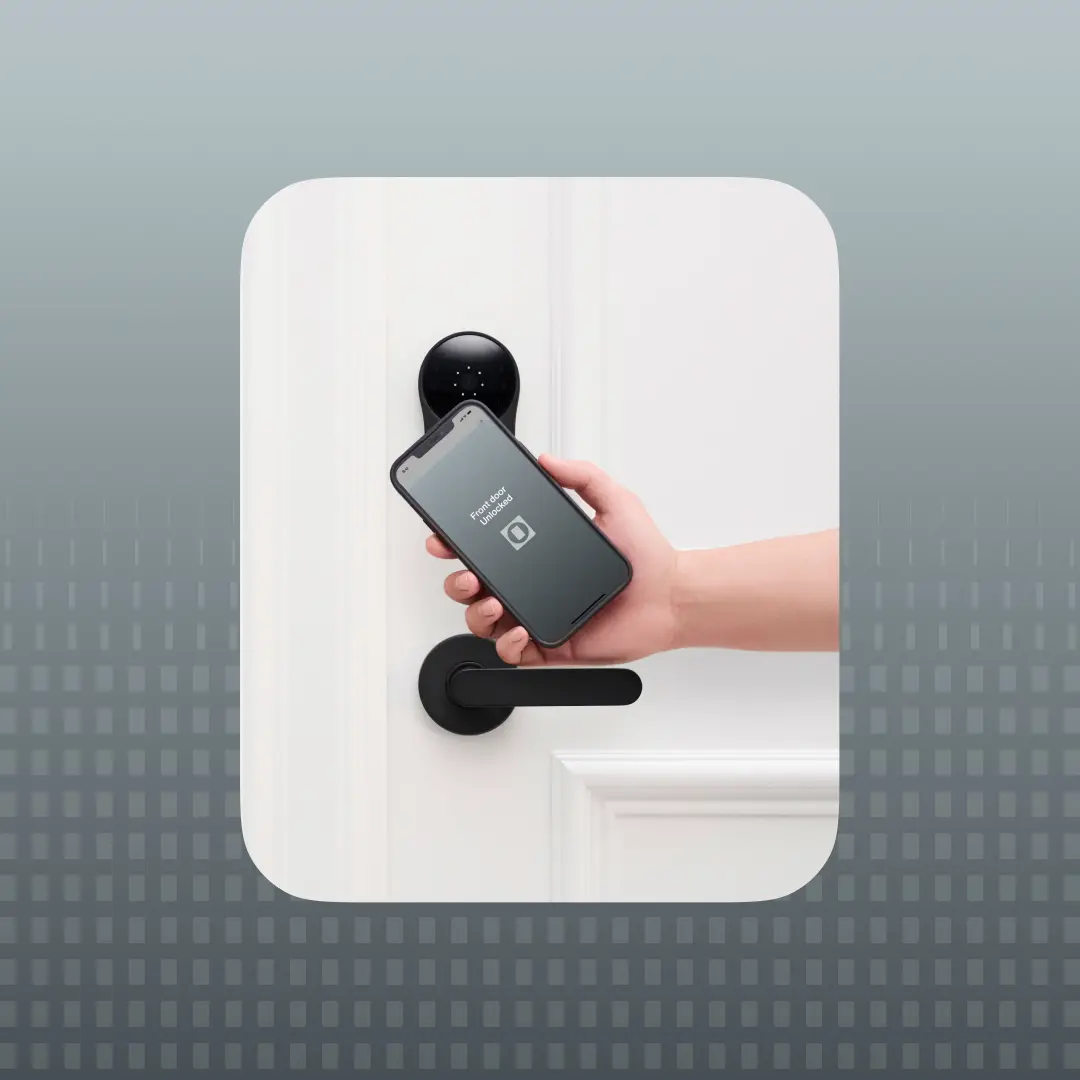
Physical keys once defined apartment access. Then came key fobs, offering a more modern and manageable alternative for multifamily properties.
Today, another shift is happening.
Many multifamily properties still rely on physical key fobs despite increasing resident expectations for mobile-first experiences.
More operators are moving from physical credentials to mobile access systems that allow residents, staff, and vendors to unlock doors using their smartphones.
The reason goes beyond convenience. Mobile access simplifies operations, improves visibility, and creates a more scalable foundation for modern property management.
For multifamily operators managing growing portfolios with leaner teams, that operational flexibility matters.
What Is Mobile Access Control?
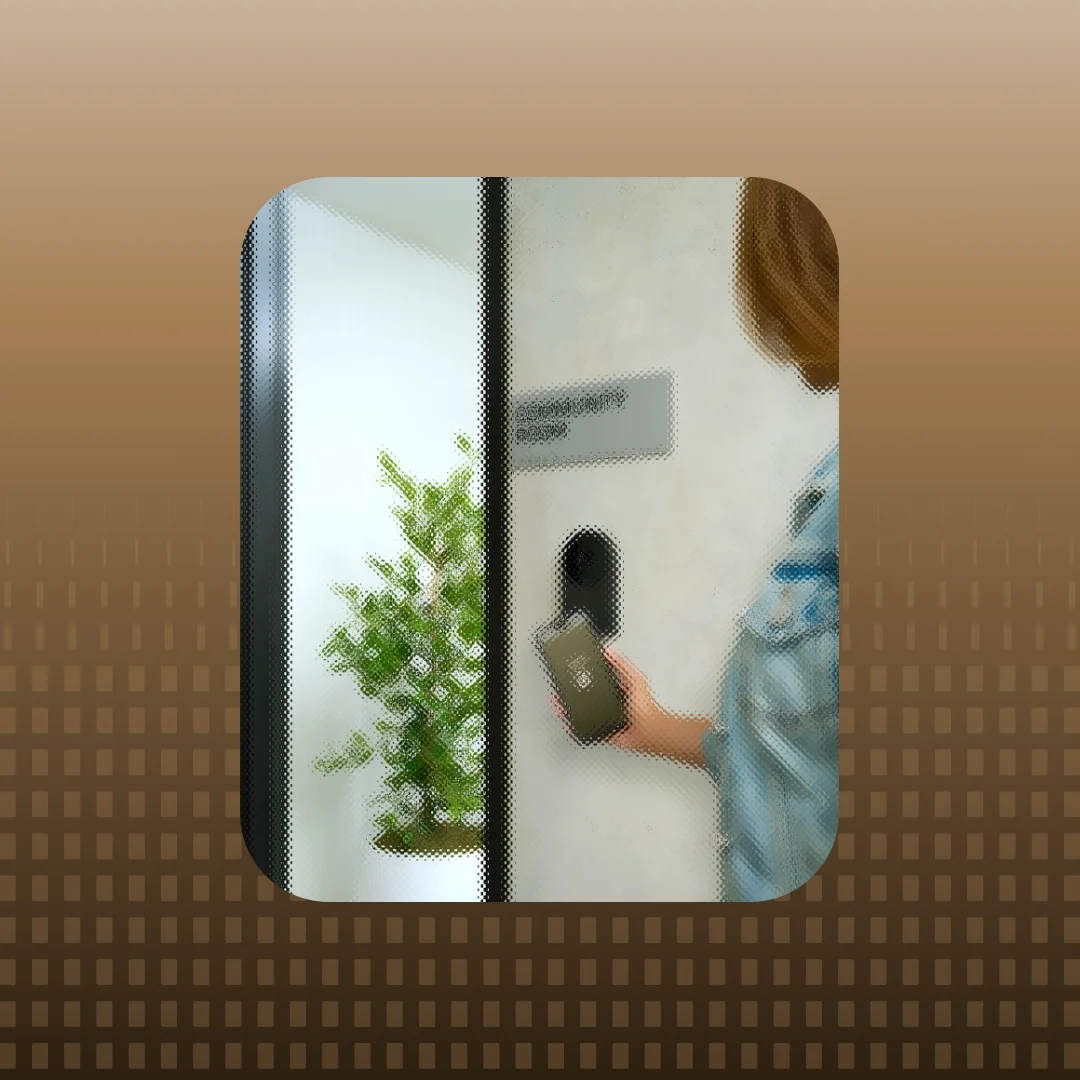
Mobile access control allows residents and staff to unlock doors using a smartphone instead of a physical credential like a key or key fob.
Most systems use technologies like:
- Mobile apps
- Bluetooth
- NFC
- Apple Wallet
- Digital credentials stored on a phone
Platforms like the DOOR App bring these capabilities into one resident experience, allowing users to unlock doors, manage guest access, and interact with connected building features through a single mobile interface.
These systems are typically managed through a cloud-based access control platform, allowing property teams to issue, revoke, and manage credentials remotely.
Key fobs work similarly in that they provide electronic access instead of traditional keys. However, they still rely on a physical object that must be distributed, replaced, tracked, and collected during turnover.
That operational difference is becoming increasingly important in multifamily.

Key Fobs vs Mobile Access: What’s the Difference?
At a surface level, both systems provide keyless entry. But operationally, they function very differently.
Key fobs still require physical workflows. Teams need to issue them during move-in, replace them when lost, and recover them at move-out. If a resident loses a fob, staff often need to deactivate the old credential and physically issue a new one.
Mobile credentials eliminate much of that process.
Access can be provisioned remotely in seconds. Residents can receive credentials before arriving onsite. Permissions can be updated instantly across units, amenities, garages, and common areas without requiring in-person coordination.
The difference becomes even more noticeable at scale.
Across large portfolios, centralized mobile access systems help standardize operations, reduce manual workload, and improve visibility into who can access specific spaces and when.
In many ways, key fobs digitized physical keys. Mobile access digitizes property operations.
Why Multifamily Properties Are Moving Toward Mobile Access
Multifamily operations are becoming more centralized. Property teams are expected to manage more units, more workflows, and more vendors without increasing headcount at the same pace.
That operational pressure is one reason mobile access adoption continues to grow.
With mobile access systems, teams can:
- Grant or revoke credentials remotely
- Manage vendor and maintenance access without key handoffs
- Standardize access policies across properties
- Reduce lockout coordination
- Streamline move-ins and move-outs
Cloud-based access control also improves operational visibility. Teams can manage access across multiple buildings through one system instead of relying on fragmented onsite processes.
This shift aligns with a larger industry movement toward connected property operations and Building Intelligence, where access, automation, and workflows operate through unified platforms instead of disconnected systems.
Resident Experience: Why Mobile Access Matters
Resident expectations have also changed. Most renters already use their phones to manage daily activities like payments, transportation, communication, and entertainment. Increasingly, they expect building access to work the same way.
Controlled property access consistently ranks among the most valued apartment amenities for renters.
Mobile access improves that experience by reducing friction throughout the resident journey.
Instead of carrying multiple credentials, residents can use the device already in their pocket to access:
- Building entrances
- Apartment units
- Elevators
- Amenity spaces
- Parking garages
Through the DOOR App, residents can manage building access from their phones while also interacting with other connected property experiences through one centralized platform.
Guest access also becomes easier to manage. Temporary credentials can be issued digitally instead of coordinating physical fobs or front desk workflows.
For operators, these improvements are not just experiential. They help properties feel more modern, responsive, and operationally consistent.
The Operational Limitations of Key Fobs
Key fobs represented a major improvement over traditional keys. But they still create operational overhead that mobile systems can reduce.
Common challenges include:
Lost or Damaged Fobs
Replacing physical credentials creates recurring costs and administrative work.
Physical Inventory Management
Teams must track, issue, deactivate, and recover fobs across every turnover cycle.
Onsite Coordination
Fobs typically require in-person handoffs during move-ins, maintenance coordination, or vendor visits.
Delayed Access Updates
Physical systems can slow down onboarding and offboarding workflows, especially across larger portfolios.
Fragmented Operations
In many buildings, access systems still operate separately from property management software and other operational tools.
As portfolios grow, these inefficiencies compound.
Modern multifamily operations increasingly require centralized systems that reduce manual coordination instead of adding to it.
What Happens if a Resident Loses Their Phone?
This is one of the most common questions around mobile access systems.
Most multifamily platforms include multiple backup access options, such as:
- PIN codes
- Physical key override
- Multi-device credential support
- Remote credential reactivation
- Offline functionality
In many cases, losing a phone can actually create less operational disruption than losing a key fob because credentials can typically be revoked or reassigned instantly through a centralized platform.
The goal is not to eliminate redundancy. It is to create a more flexible and manageable access system overall.
How to Transition From Key Fobs to Mobile Access
For many operators, moving to mobile access does not require a full infrastructure replacement overnight.
Many modern systems support phased deployments and retrofit-friendly hardware, allowing properties to modernize access gradually.
A strong transition plan typically includes:
- Evaluating existing hardware and infrastructure
- Prioritizing PMS integrations
- Standardizing credential policies
- Introducing hybrid access options during rollout
- Selecting systems designed for portfolio scalability
The most successful deployments focus not just on replacing credentials, but on improving operational workflows overall.
FAQs
Are mobile credentials more secure than key fobs?
Mobile credentials often provide stronger visibility and credential management because access can be updated, revoked, and audited remotely in real time.
Can mobile access work without Wi-Fi?
Many systems support offline functionality through Bluetooth, NFC, or locally stored credentials.
Do mobile access systems require new locks?
Not always. Some systems support retrofit deployments that work with existing hardware configurations.
Can staff manage access remotely?
Yes. Cloud-based access platforms allow property teams to manage credentials, permissions, and access events remotely across multiple properties.
The Future of Multifamily Access
Key fobs helped modernize apartment access. Mobile access is helping modernize apartment operations.
As multifamily properties continue centralizing workflows and scaling across larger portfolios, access systems are becoming more than entry tools. They are becoming part of the operational infrastructure that supports efficiency, visibility, and resident experience.
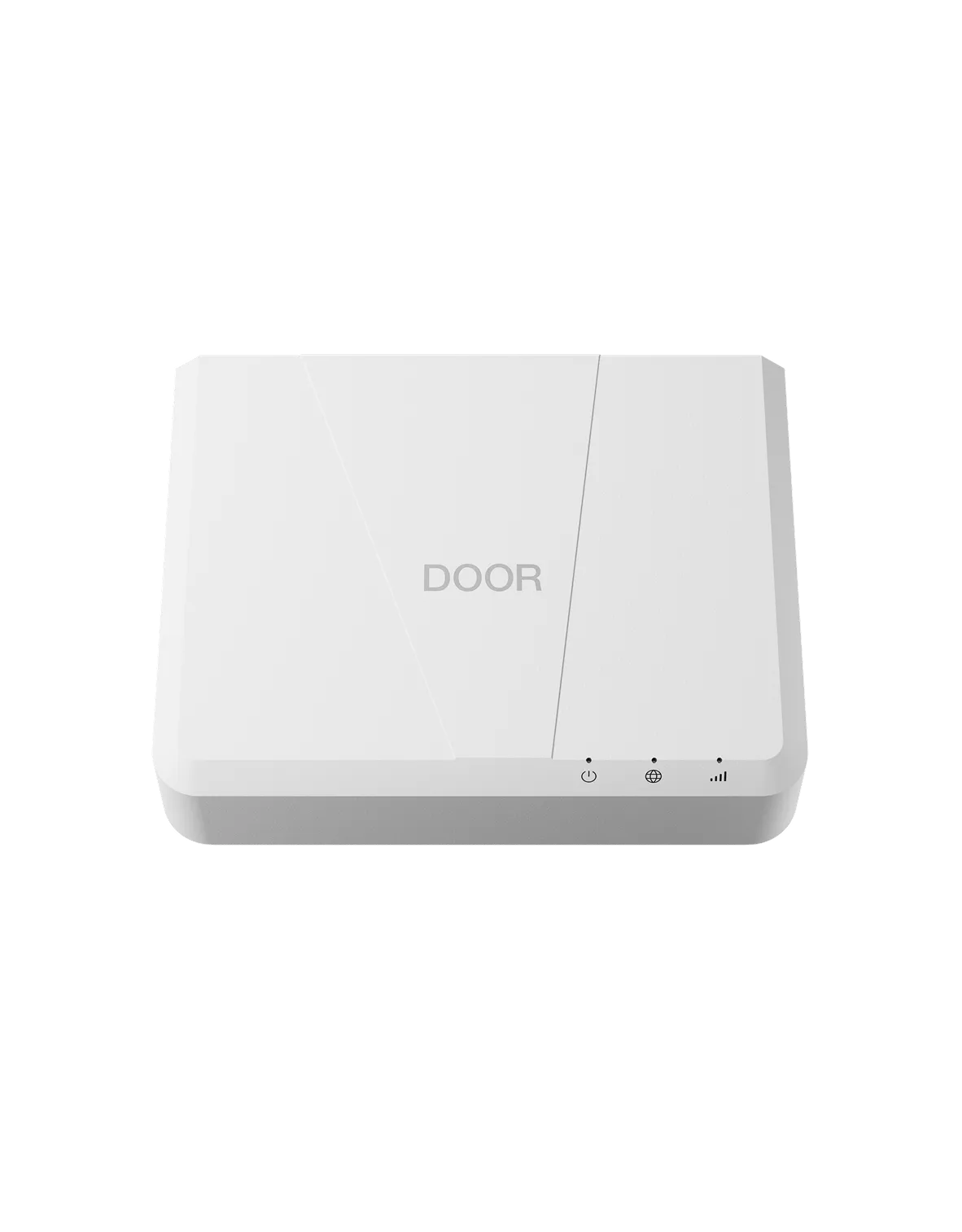
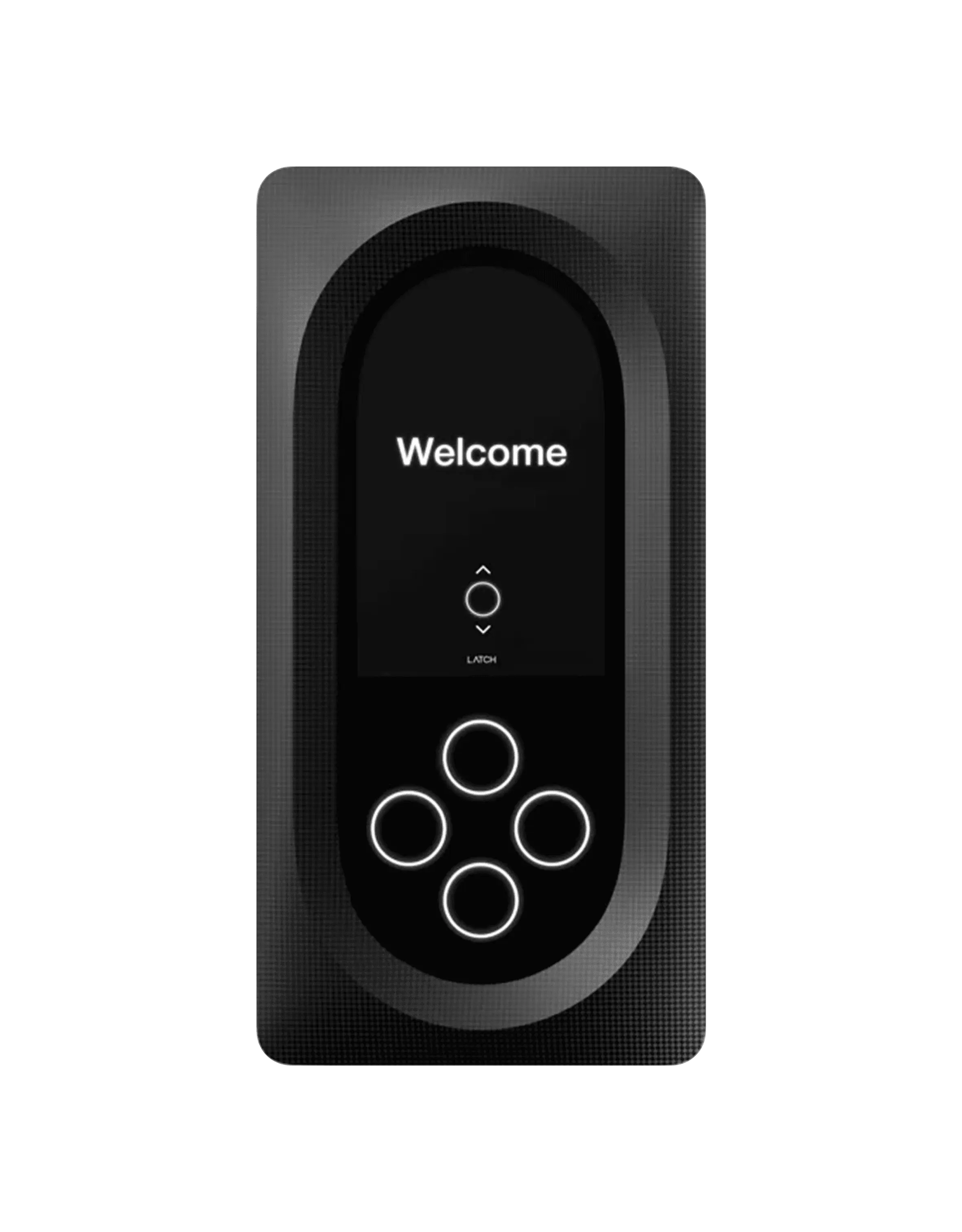
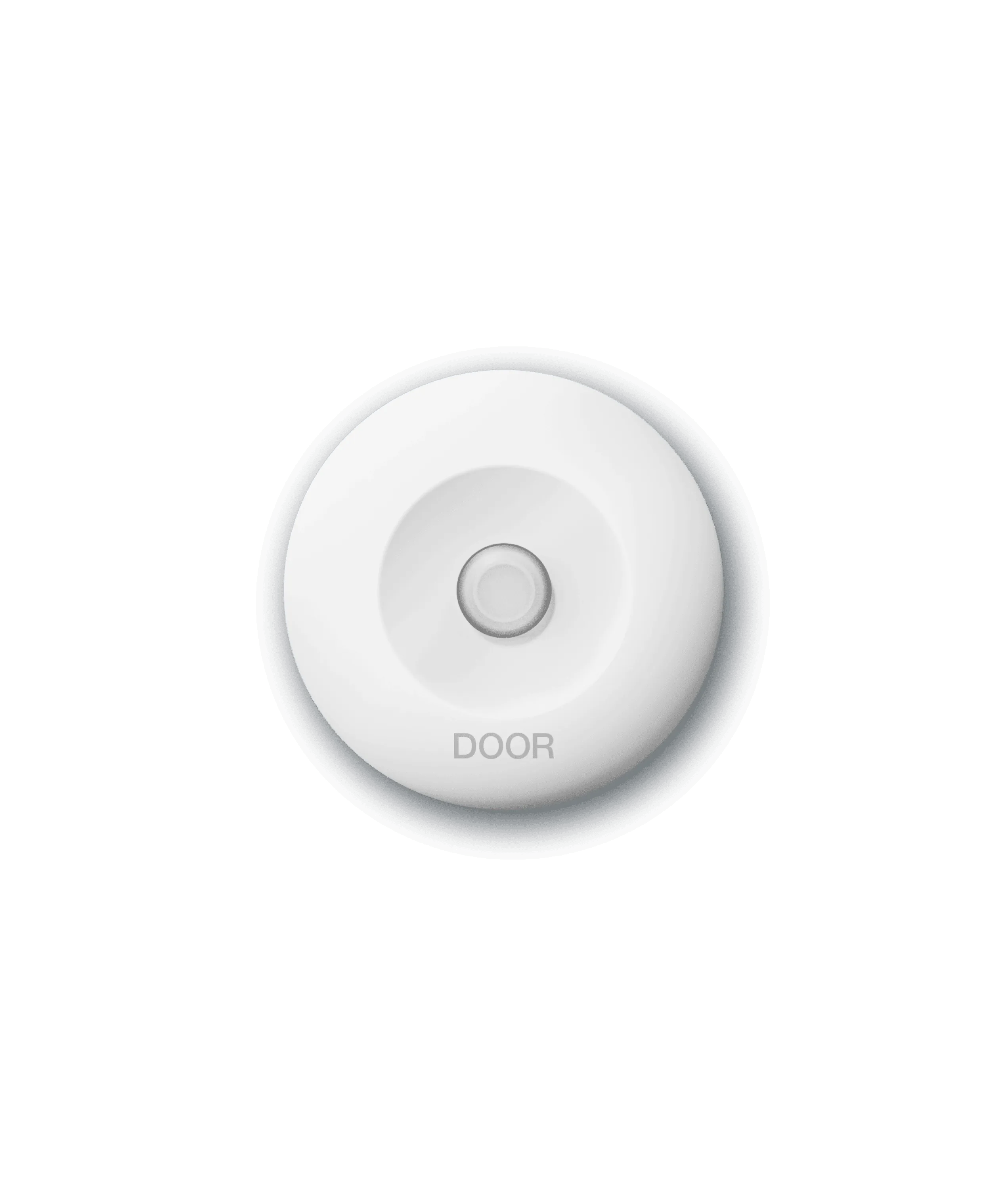
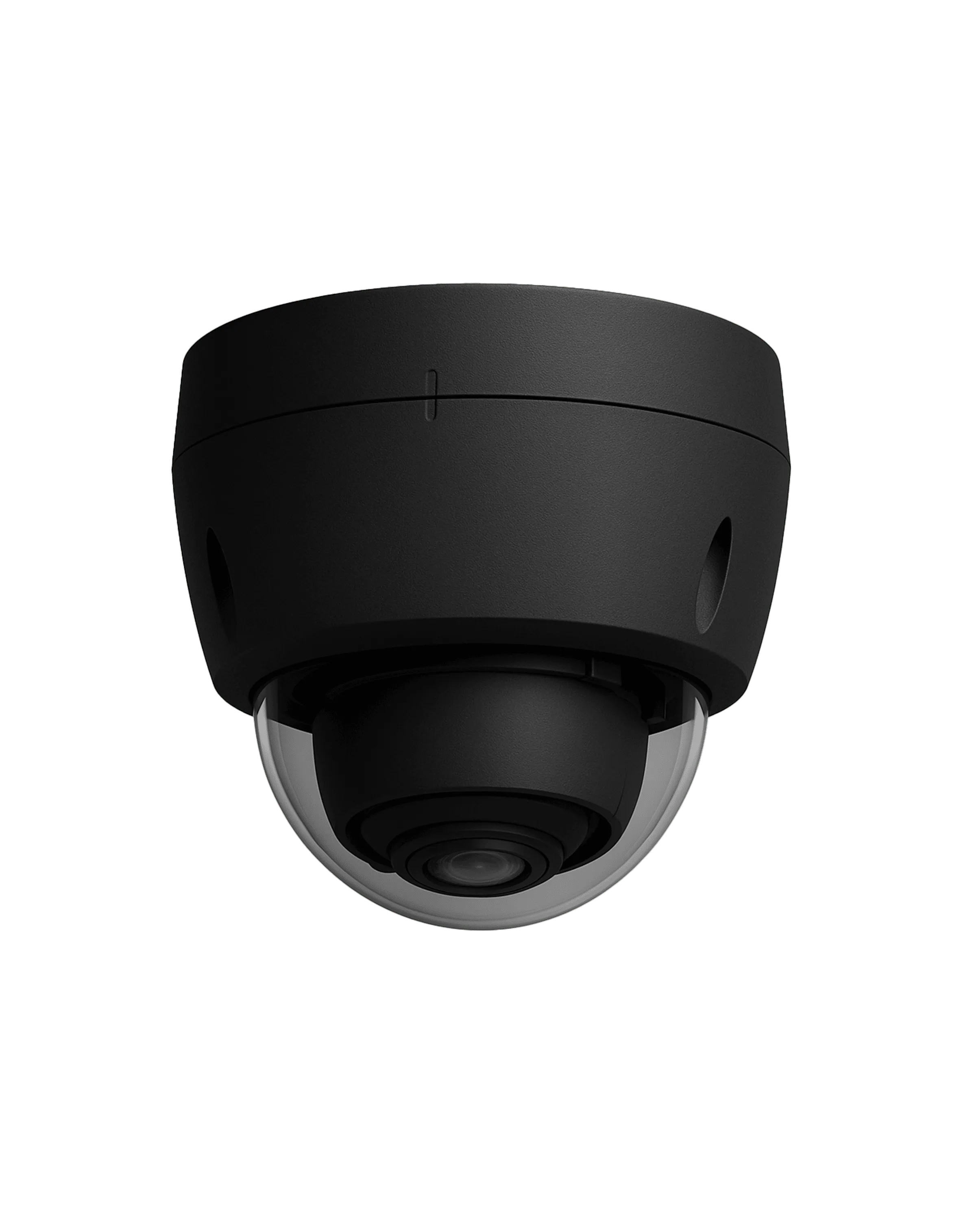
Through connected hardware, centralized operations software, and the DOOR App, DOOR helps multifamily teams modernize access while creating a more seamless experience for residents, staff, and operators alike.
.webp)



.webp)
.webp)
.webp)

