.webp)
Access control systems have evolved dramatically over the past decade.
For many years, building access was managed through on-premise systems that relied on local servers, physical credentials, and manual oversight. While these systems provided basic security, they often lacked flexibility and required significant maintenance.
Today, cloud-based access control platforms are rapidly becoming the preferred approach for multifamily properties.
Instead of managing access infrastructure locally, cloud systems allow operators to control building access remotely through centralized software platforms. This shift gives property teams greater visibility, simplifies credential management, and enables automation across building operations.
As multifamily portfolios grow and operational complexity increases, many owners and operators are evaluating cloud-based access systems as part of a broader modernization strategy.
This guide explores how cloud-based access control works, the advantages it offers multifamily properties, and the key features operators should evaluate when selecting a platform.
What Is Cloud-Based Access Control?
Cloud-based access control refers to building entry systems that are managed through internet-connected software platforms rather than local servers.
In traditional access control systems, building permissions and credentials were stored on-site within proprietary controllers. Updating these systems often required manual programming or physical access to building infrastructure.
Cloud systems shift that management layer to a secure online platform.
This allows property teams to manage access permissions remotely while syncing credentials across multiple buildings in real time.
Cloud-based access control platforms typically manage entry points such as:
- building entrances
- apartment units
- amenity spaces
- parking garages
- elevators
- service areas
Instead of physical keys, users receive digital credentials that can be managed centrally.
These credentials may include:
- mobile app credentials
- key fobs
- PIN codes
- digital wallet credentials
Because permissions are stored in the cloud, property teams can update access instantly without visiting the building.
Why Multifamily Properties Are Moving to Cloud-Based Access Systems
Several factors are driving adoption of cloud-based access control in multifamily properties.
Centralized Portfolio Management
One of the biggest advantages of cloud platforms is centralized management.
Operators managing multiple buildings can control access across an entire portfolio from a single, intelligent dashboard.
This allows teams to:
- issue resident credentials remotely
- revoke access during move-outs
- update staff permissions
- manage vendor access across properties
Without cloud systems, these updates often require manual coordination at the building level.
Faster Move-Ins and Move-Outs
Traditional access systems often require staff to manually distribute keys or fobs during resident move-ins.
Cloud-based systems simplify this process by enabling digital credentials that activate automatically when residents sign leases.
Similarly, access permissions can be revoked instantly during move-outs, eliminating the need to rekey locks.
This reduces operational friction while improving security.
Automation of Operational Workflows
Modern access systems increasingly integrate with property management software and building automation platforms.
This allows access permissions to trigger operational workflows such as:
- vendor entry tied to maintenance tickets
- guest credentials linked to visitor management systems
- automated access during self-guided tours
- scheduled access for delivery services
These capabilities reduce manual coordination for property teams.
For example, vendor access can automatically activate when a work order is created and expire once the job is complete.
This type of automation is becoming increasingly important as multifamily teams manage larger portfolios with leaner staffing models.
Improved Security and Visibility
Cloud-based platforms also provide enhanced security visibility.
Because activity logs are stored centrally, operators can monitor access activity across buildings in real time.
These logs help property teams:
- verify vendor entry
- track resident access activity
- investigate security incidents
- maintain compliance records
This visibility supports more proactive building management.
Key Features to Look for in Cloud-Based Access Control Systems
Not all cloud-based access platforms are built the same. Multifamily operators should evaluate several factors when selecting a system.
Mobile Credential Support
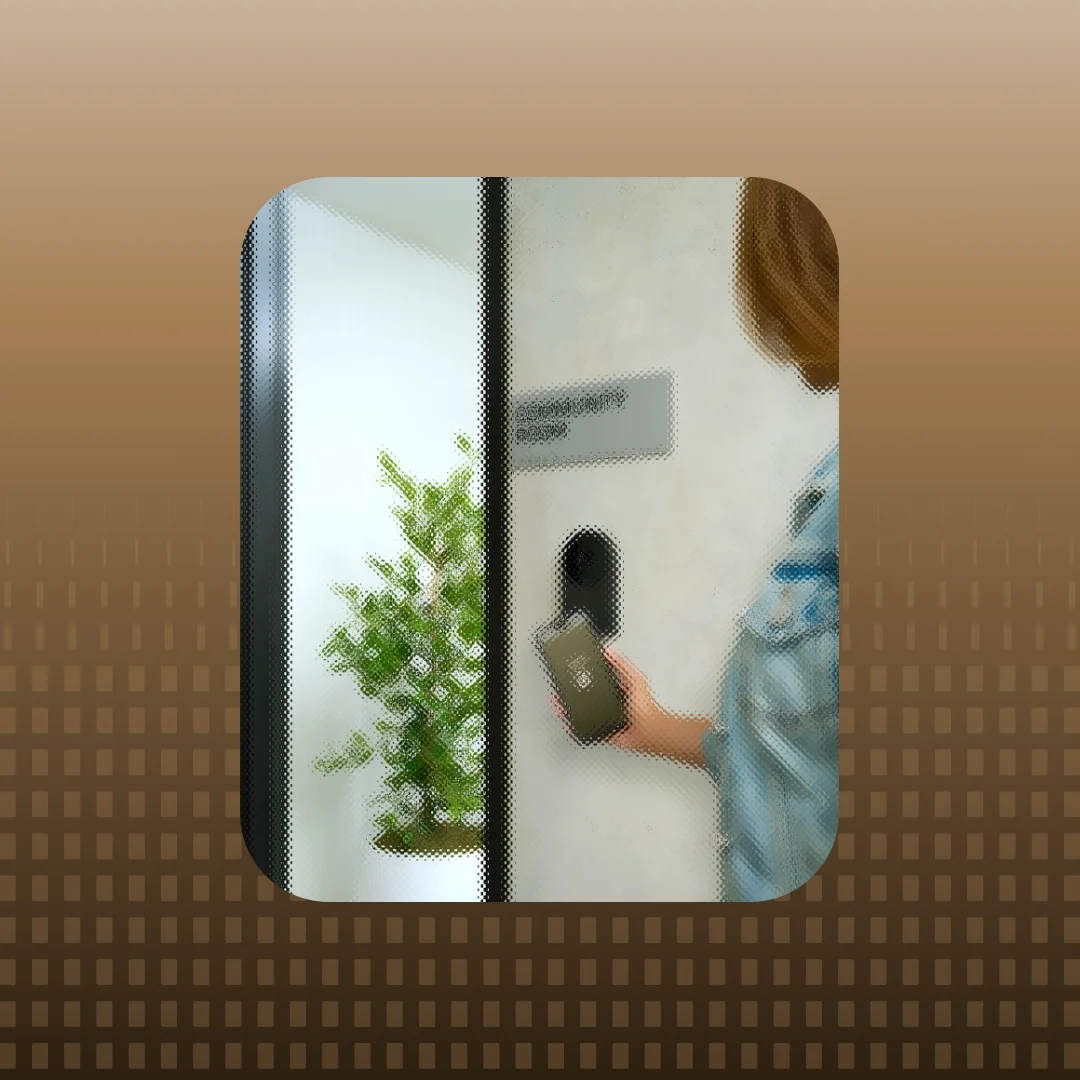
Mobile credentials allow residents and staff to unlock doors using their smartphones instead of physical keys or fobs.
Mobile access has become increasingly popular because it simplifies credential distribution and reduces lockouts.
To learn more about this technology, check out:
- Best Smart Lock Systems for Multi-Tenant Buildings.
- How Smart Lock Systems Improve Multifamily Operations
Property Management System Integrations
Access control systems should integrate with property management software platforms such as:
- Yardi
- RealPage
- Entrata
- AppFolio
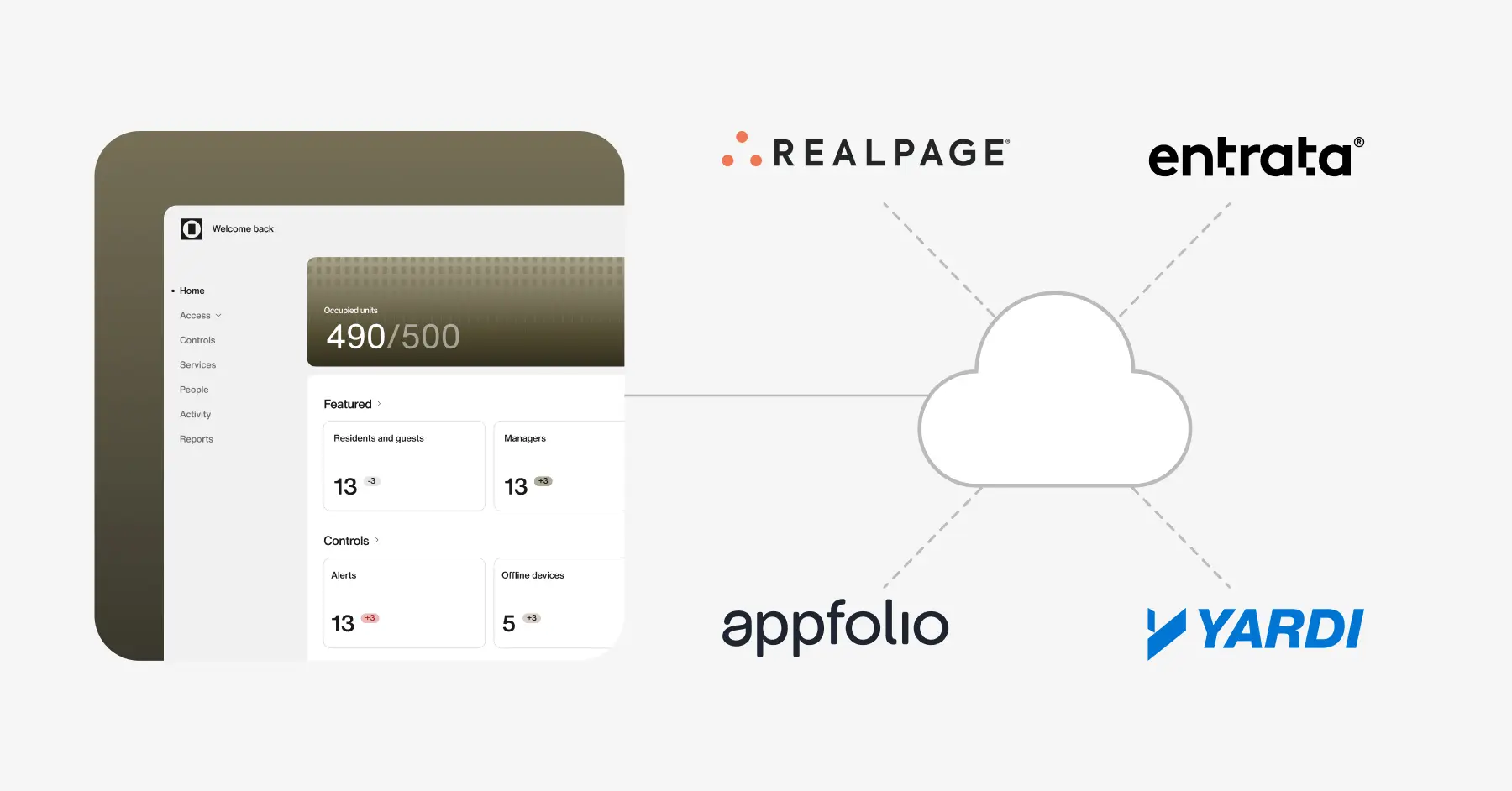
These integrations allow access permissions to update automatically based on resident lifecycle events.
For example, when a lease begins, credentials can activate automatically.
Remote Access Management
Operators should be able to manage access permissions from anywhere.
Remote management allows property teams to respond quickly to operational issues without needing to visit buildings in person.

Scalable Infrastructure
Multifamily portfolios often grow over time.
Access systems should support expansion across additional properties without requiring significant infrastructure replacement.
Cloud-based platforms typically provide this flexibility.
Activity Logging and Audit Trails
Access systems should record entry events across buildings.
These logs help operators maintain accountability and improve building security.
How Access Control Supports Connected Building Operations
Access control increasingly serves as the foundation for broader building technology systems.
Once identity and entry permissions are established, buildings can integrate access systems with other technologies such as:
- smart locks
- leak detection sensors
- thermostats
- maintenance platforms
- visitor management tools
This integration allows buildings to automate many everyday operational workflows.
For example:
- a leak sensor triggers a maintenance ticket
- a technician receives temporary access to the affected unit
- access expires automatically once the repair is complete
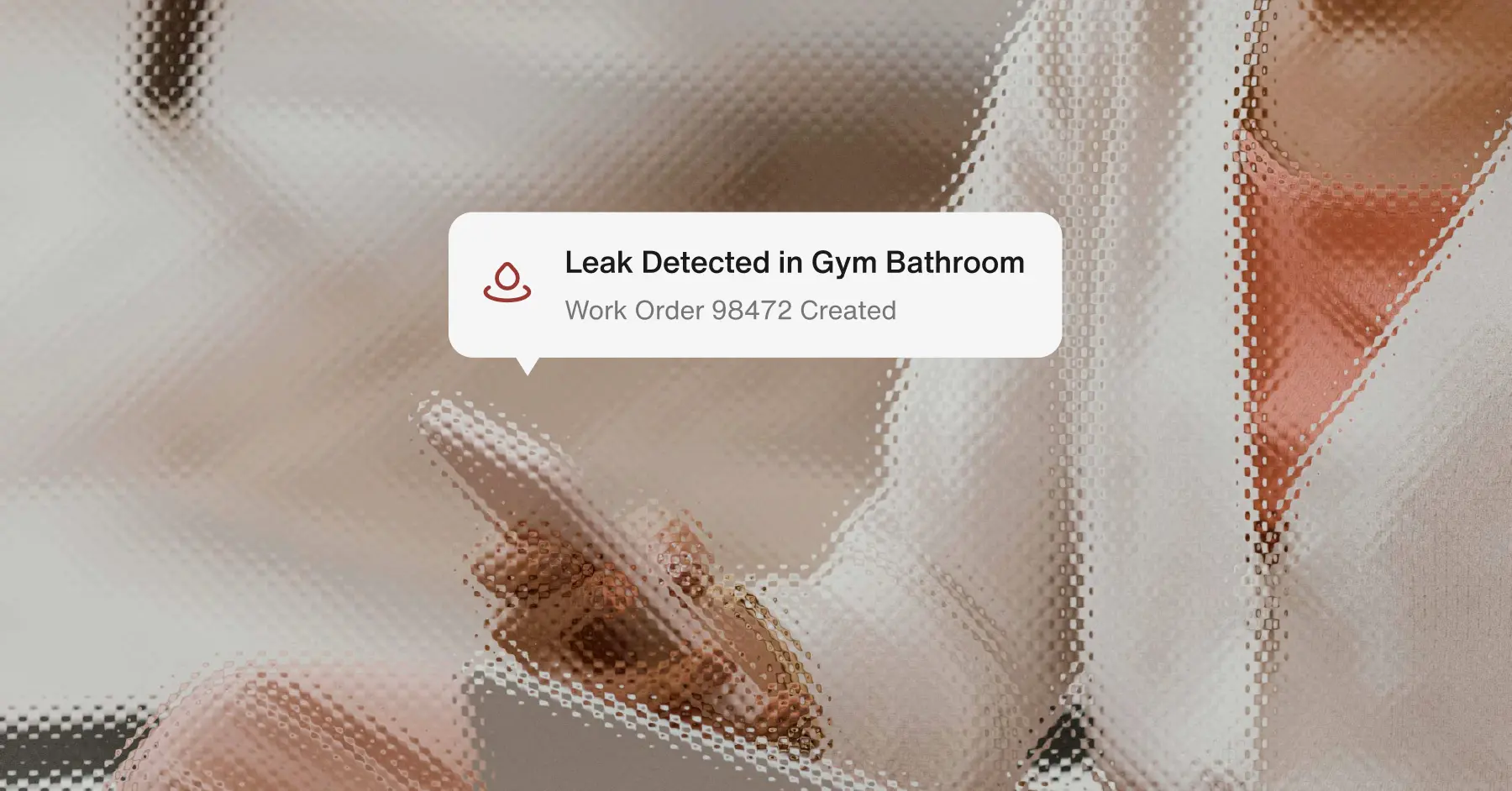
These types of workflows illustrate how connected systems help properties operate more efficiently.
Many of these operational improvements extend beyond access control alone.
For example, delivery workflows can also benefit from controlled access to package rooms and service areas.
The Future of Access Control Technology
As building technology continues to evolve, access systems are becoming part of a larger ecosystem of connected devices and operational platforms.
Future developments may include:
- expanded mobile credential adoption
- deeper integrations with property management systems
- AI-driven operational insights
- predictive maintenance triggered by sensor data
- unified building management dashboards
These capabilities will continue transforming how multifamily properties operate.
For investors evaluating emerging markets and new developments, technology infrastructure is increasingly part of the decision-making process.
To explore how market trends influence investment strategy, see our article on Best Multifamily Markets for Investing in 2026.
Cloud Access Control FAQ
What is cloud-based access control?
Cloud-based access control is a system that allows building access permissions to be managed through online software rather than on-site servers.
Why are multifamily properties adopting cloud access systems?
Cloud systems allow operators to manage credentials remotely, automate workflows, and scale across multiple buildings.
Are cloud-based access control systems secure?
Yes. Most platforms use encrypted credentials and secure authentication protocols to protect building access.
Can cloud access systems integrate with property management software?
Yes. Many systems integrate with platforms like Yardi, Entrata, RealPage, and AppFolio to automate resident lifecycle events.
Do cloud-based systems work for existing buildings?
Yes. Many platforms support retrofit installations that allow older buildings to adopt modern access technology.
.webp)


%201.webp)


%201.webp)
.webp)