


Building operations today come with increasing complexity. Teams are managing larger portfolios, more systems, and higher expectations from residents and stakeholders, often without additional resources. At the same time, rising costs and fragmented technology stacks make it difficult to operate efficiently.
This is why building operations optimization has become a core priority. It is no longer just about improving processes. It is about creating a connected operational foundation that reduces friction, improves performance, and drives measurable financial outcomes.
In 2026, optimization is about building systems that work together to support smarter decisions, faster execution, and scalable operations.
What Is Building Optimization?
Building optimization is the process of improving how a building performs across systems, operations, and resource utilization. It focuses on increasing efficiency, reducing waste, and improving the overall performance of building systems such as HVAC, access control, and connected devices.
Modern building optimization is driven by connected systems and automation rather than isolated tools. When systems are aligned, operators gain better visibility, improved control, and more consistent outcomes across properties.
What Does Operations Optimization Mean?
Operations optimization focuses on improving how work gets done across a building or portfolio. Instead of relying on manual coordination and reactive workflows, optimized operations are automated, proactive, standardized, and guided by real-time data.
For property teams, this shift reduces delays, minimizes errors, and creates more predictable performance across daily operations.
What Is Building Operations Management?
Building operations management refers to the day-to-day coordination of systems, people, and processes required to keep a property running efficiently. This includes maintenance workflows, access control, vendor coordination, building system performance, and resident-facing operations. In many properties, these responsibilities are managed across multiple disconnected tools, which creates inefficiencies and limits visibility. As buildings become more complex, operations management is shifting toward unified platforms that bring these functions together into a single, coordinated system.
rather than adding new ones.
.webp)
Why Building Operations Optimization Matters in 2026
Building operations optimization is directly tied to financial performance. Operators are under pressure to improve NOI while controlling operating expenses and managing long-term asset value. At the same time, total cost of ownership is becoming a more important consideration as portfolios scale.
Without optimization, costs increase in less visible ways. Staff spend more time coordinating tasks, systems operate inefficiently, and issues escalate before they are addressed. These inefficiencies compound across units and properties, reducing overall portfolio performance.
Optimized operations improve financial outcomes by reducing labor dependency, minimizing energy and system waste, and preventing costly incidents through early detection. They also improve consistency across properties, which allows operators to scale without increasing overhead at the same rate.
At a strategic level, building operations optimization includes centralizing systems, automating workflows, improving visibility through data, and aligning operations with measurable outcomes such as cost reduction, efficiency gains, and asset performance.
This is where a unified approach becomes critical. DOOR defines this as Building Intelligence, which connects access, automation, and operations into one system that helps properties anticipate needs, reduce overhead, and operate more efficiently .
7 Strategies for Building Operations Optimization
1. Centralize Systems Into a Single Operational Platform
Fragmentation is one of the biggest barriers to optimization. When access control, building systems, and operational workflows live in separate tools, teams lose visibility and spend time navigating between systems instead of taking action.
Centralizing these systems into a single platform allows operators to see what is happening across units and properties in real time. It also creates a foundation for automation and more consistent execution across the portfolio.
A key insight is that the largest efficiency gains often come from connecting existing systems
2. Automate Repetitive Operational Workflows
Manual workflows introduce delays, increase the risk of error, and add hidden labor costs. Tasks such as provisioning access, coordinating vendors, and managing unit turnovers are often handled manually even though they are predictable and repeatable.
Automation removes this friction by ensuring these processes happen instantly and consistently. It also standardizes how work is executed across properties, which is critical for scaling operations.
Over time, automation reduces staff workload while improving speed and reliability.
3. Shift From Reactive to Proactive Operations Using Data
Many properties still operate in a reactive model where issues are addressed only after they occur. This approach leads to higher costs and more disruption.
By using real-time data and system insights, operators can identify patterns, detect anomalies, and address issues before they escalate. This shift reduces emergency maintenance, improves system uptime, and creates a more predictable operational environment.
As Phil Garneata, Senior Product Manager, notes:
“The shift from reactive to proactive is really about making property teams more efficient and helping them work smarter at scale. Instead of constantly putting out fires, teams can catch issues earlier, move faster, and spend more time keeping the property running smoothly.”
The financial impact of this shift becomes significant at scale, where even small improvements in response time and issue prevention can translate into meaningful cost savings.
4. Optimize System Performance and Energy Usage
System inefficiencies are a major contributor to unnecessary operating costs. In many cases, the issue is not the equipment itself but how it is operated.
Optimizing system performance involves aligning building systems with actual usage patterns. This includes adjusting HVAC settings based on occupancy and ensuring systems are not running unnecessarily in vacant units.
Improving how systems are operated can significantly reduce waste without compromising occupant comfort, leading to lower ongoing expenses.
5. Treat Access Control as Core Operational Infrastructure
Access control plays a central role in how buildings operate. Beyond security, it impacts daily workflows, vendor coordination, and resident experience.
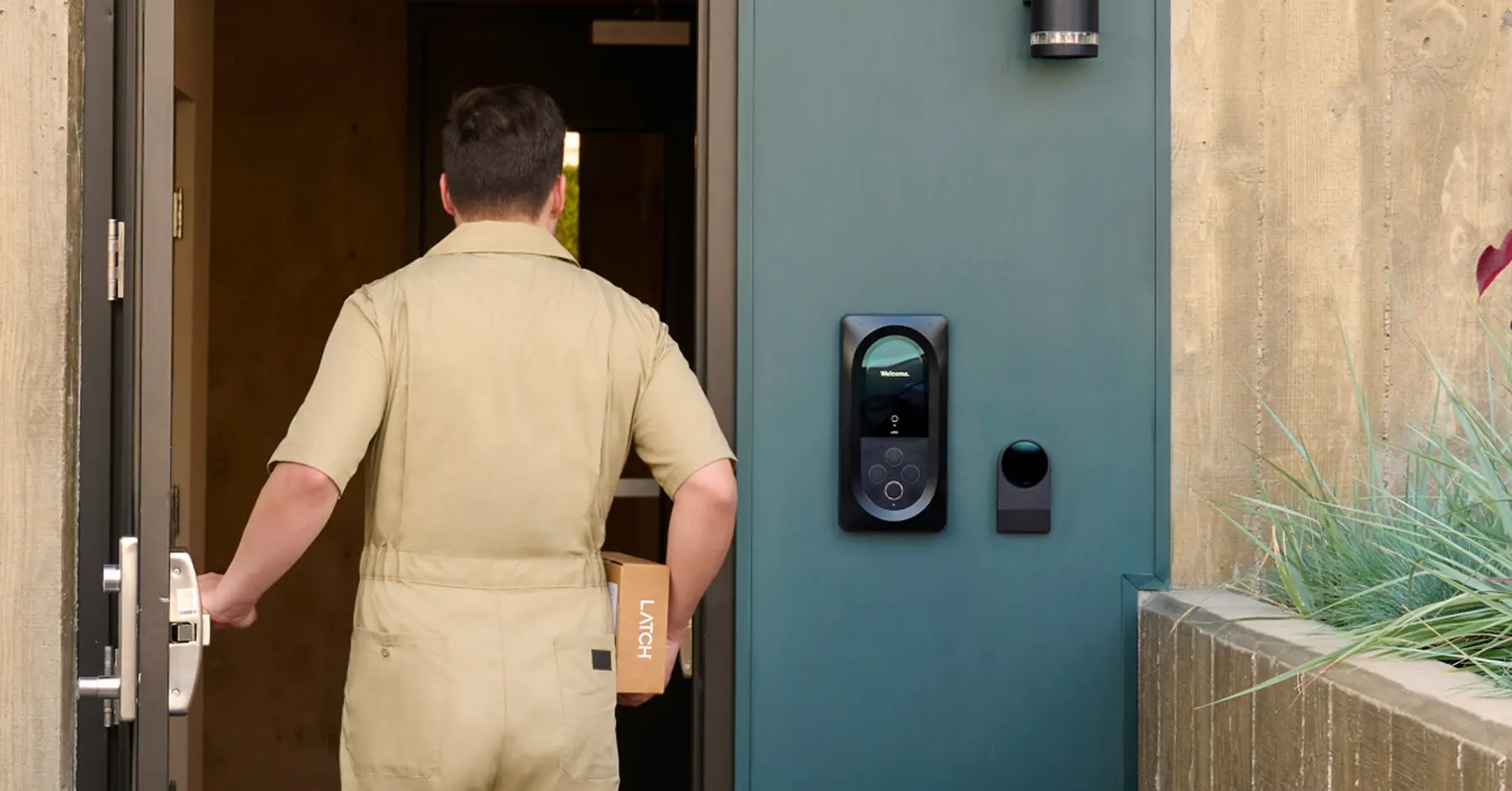
Modern access control systems allow operators to manage credentials remotely, assign time-bound access to vendors, and maintain clear audit trails. This reduces the need for manual coordination and eliminates inefficiencies such as rekeying and lockouts.
When connected to other systems, access control becomes a critical part of the operational workflow rather than a standalone function.
6. Use Sensors and Real-Time Data to Increase Visibility
Visibility is essential for optimization. Without accurate, real-time information, teams are forced to rely on manual checks and reactive decision-making.
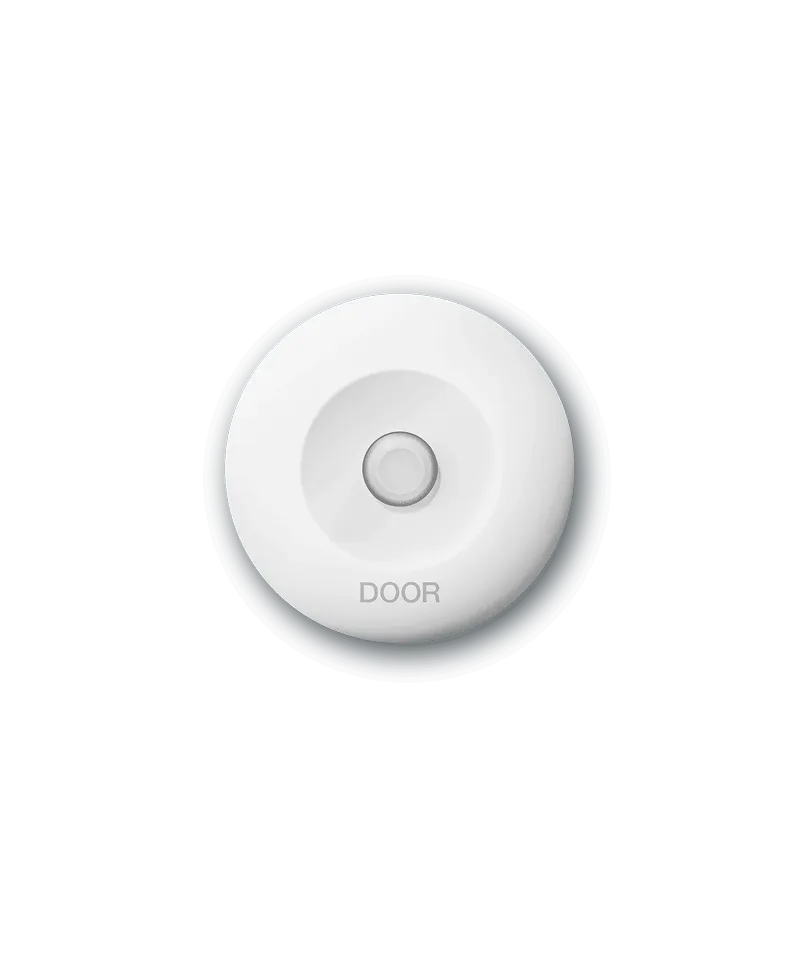
Sensors and connected devices provide continuous insight into building conditions and system performance. This allows operators to detect issues early and respond more effectively.
Improved visibility reduces uncertainty, shortens response times, and enables more informed decision-making across teams.
7. Focus on Measurable Outcomes, Not Just Technology
Technology alone does not drive optimization. The goal is to improve outcomes that directly impact financial performance and operational efficiency.
Successful optimization efforts are tied to metrics such as reduced operating expenses, improved NOI, faster resolution times, and lower staff workload. By focusing on outcomes rather than features, operators can ensure that every investment contributes to overall portfolio performance.
How to Optimize Building Operations
A practical approach to building operations optimization starts with understanding current workflows and identifying inefficiencies. From there, operators can consolidate systems, introduce automation, and begin using data to guide decisions. Over time, continuous measurement and refinement help ensure that improvements are sustained and scaled across the portfolio.
If you are evaluating how to move from isolated systems toward a more unified operating model, the full research provides a more detailed framework to guide that process: From Smart Home to Building Intelligence
Frequently Asked Questions
What is building operations optimization?
Building operations optimization is the process of improving efficiency, reducing costs, and enhancing performance across building systems and workflows using automation, data, and integrated technology.
What are the benefits of building operations optimization?
The primary benefits include lower operating costs, improved system performance, increased visibility, faster issue resolution, and better overall asset performance.
What is the difference between building optimization and building operations?
Building optimization focuses on improving system performance, while building operations refers to the management of daily workflows and processes that keep a building running.
How do you optimize building operations?
You optimize building operations by centralizing systems, automating workflows, using real-time data, and aligning processes with measurable financial and operational outcomes.
Why DOOR: Turning Building Optimization Into Operational Advantage
Most buildings today still operate with disconnected systems and manual coordination, which limits efficiency and visibility.
DOOR takes a unified approach by connecting access control, automation, and operational workflows into one platform. This creates a system that enables real-time visibility, reduces manual effort through automation, and helps teams respond to issues before they escalate.
This approach reflects DOOR’s vision of Building Intelligence, where systems work together to anticipate needs, reduce operational friction, and improve performance across properties .
The result is a measurable impact on operating costs, team efficiency, and overall portfolio performance.
Final Thoughts
Building operations optimization is no longer about incremental improvements. It is about creating a foundation that allows buildings to operate more efficiently at scale.
Operators who focus on connecting systems, automating workflows, and improving visibility will be better positioned to reduce costs, improve performance, and drive long-term value across their portfolios.
The future of building operations is defined by efficiency, coordination, and the ability to act proactively.
.webp)


%201.webp)



%201.webp)

.webp)


.webp)
.webp)

