


For years, access control in multifamily housing was treated as a security line item. Locks, fobs, and keypads were installed to prevent unauthorized entry, and once deployed, they were rarely considered part of broader operational strategy.
That mindset no longer reflects reality.
In modern multifamily communities, access control functions as infrastructure. It touches leasing, maintenance, vendor management, resident experience, risk mitigation, and portfolio oversight. When implemented as a connected, cloud-based system, it becomes a control layer that supports automation and measurable operational gains.
The shift is subtle but important. Access control is not simply about who gets in. It is about how buildings operate.
The Shift From Standalone Hardware to Operational Platform
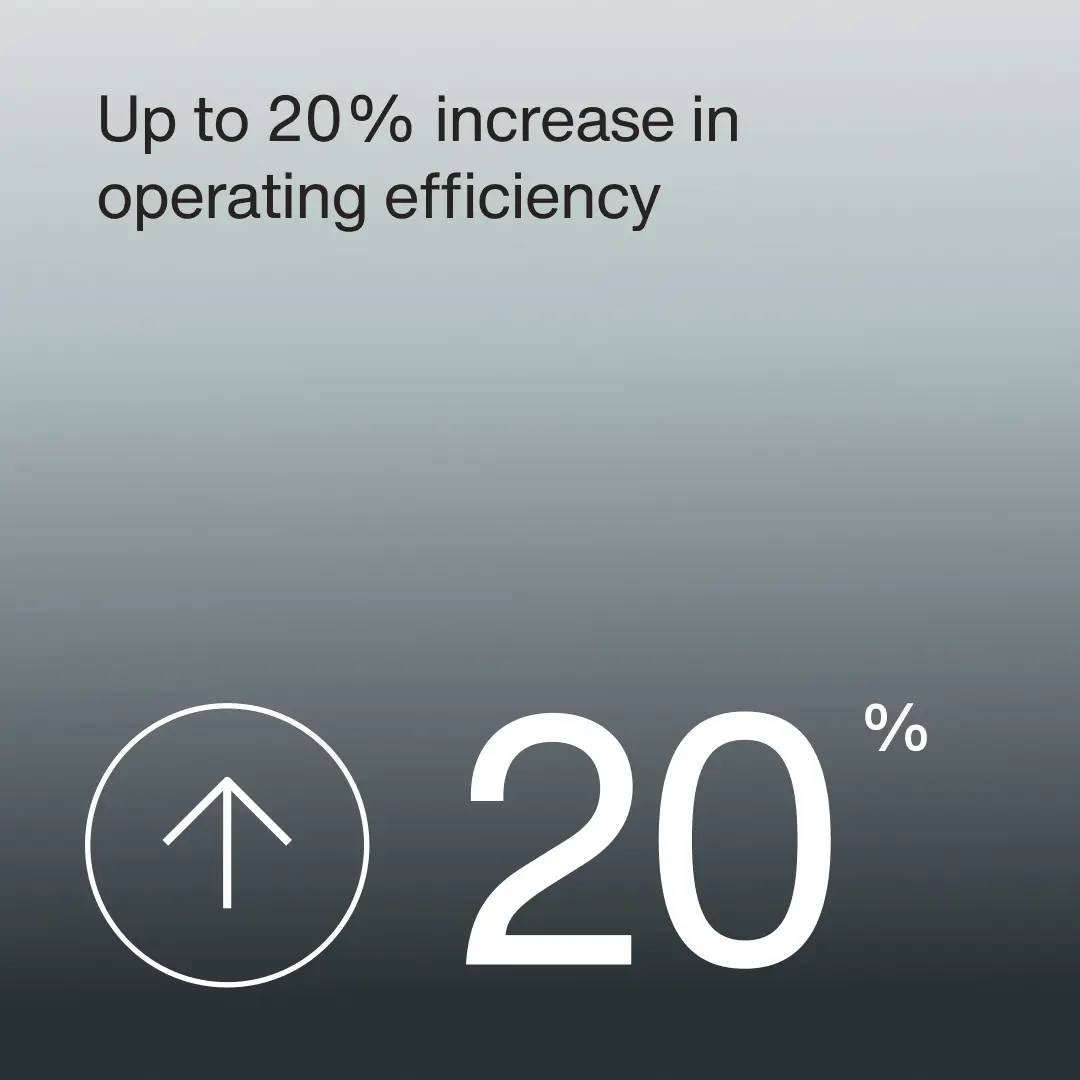
The multifamily industry has moved steadily from isolated smart home amenities toward integrated building systems. According to Parks Associates, smart building solutions now deliver on average a 20% increase in operating efficiency1.
Access control plays a central role in that shift.
Historically, locks were mechanical and credentials were physical. Rekeying, lockouts, and manual tracking were accepted as routine costs of doing business. Today, cloud-based access control systems connect identity, permissions, and event data into centralized dashboards that give operators real-time visibility across properties .
This connectivity changes how teams work.
Leasing teams can provision credentials tied directly to lease status. Maintenance teams can receive time-bound access aligned to assigned work orders. Regional leaders can review audit logs and activity trends without visiting a site.
Access becomes operational infrastructure rather than static hardware.
Identity Is the Foundation of Automation
Access control establishes digital identity inside a building. Once identity is structured, workflows can be automated.
Parks Associates describes access as a foundational layer for intelligent properties because it ties people, permissions, and spaces together in a unified framework .
When identity connects to property management systems, automation becomes possible:
- Move-in credentials activate automatically
- Move-out credentials expire without manual removal
- Vendor access aligns with scheduled visits
- Amenity permissions reflect resident eligibility
These workflows eliminate manual oversight and reduce coordination errors.
Without centralized identity, automation remains fragmented. With it, operational efficiency compounds.
Operational Efficiency and Measurable Impact
Access control’s impact is not theoretical. Multifamily owners and operators increasingly report measurable gains from integrated smart systems1:
- 20% increase in operating efficiency
- 18% reduction in operating costs
- 21% reduction in safety and security incidents
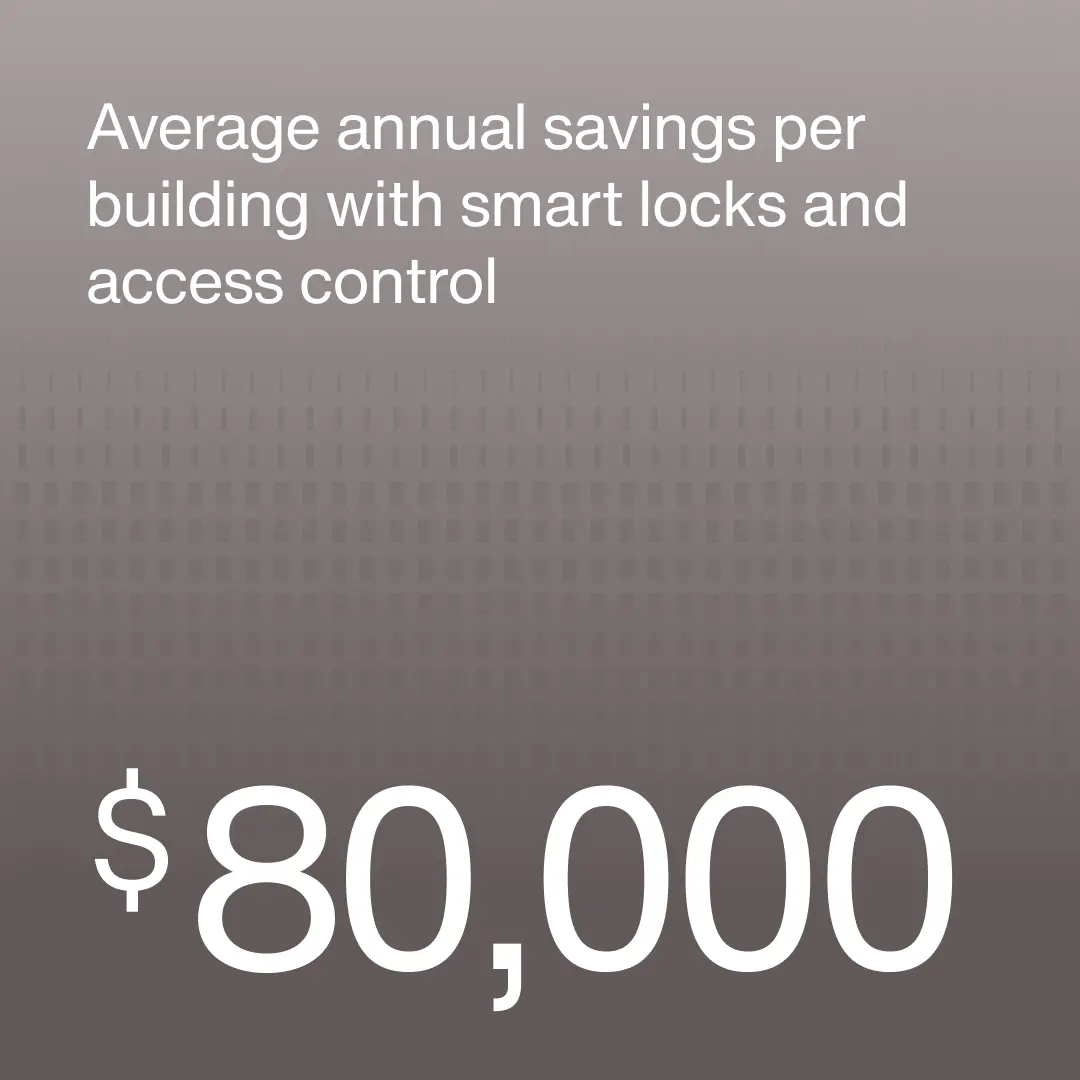
Electronic access control systems and smart door locks save an average of $80,000 per building annually.
For portfolio leaders, these improvements affect net operating income directly. Reduced rekeying costs, fewer lockout dispatches, improved compliance documentation, and better staffing allocation all contribute to margin protection.
Access control supports these gains not as a standalone device, but as a centralized data layer.
From Reactive Management to Building Intelligence
Historically, most multifamily access control systems were deployed using on-premise management models. Software lived on local servers or dedicated workstations, and system administration often required on-site updates, manual credential management, and vendor intervention for configuration changes.
As portfolios expanded and operational expectations increased, on-premise systems began to show their limitations. Managing credentials across multiple properties required site-level coordination. Access logs were often fragmented or difficult to aggregate. Updating policies or permissions across buildings could involve manual configuration at each location.
Cloud-based access control changes this operational model.
Instead of managing systems locally at each property, operators can administer credentials, permissions, and policies through centralized dashboards accessible from anywhere. Updates can be deployed instantly across a portfolio. Regional leaders gain real-time visibility into activity and system health without relying on site-level reporting.
This shift reduces operational friction in several ways:
- Credentials can be issued, modified, or revoked remotely
- Access policies can be standardized across properties
- Audit logs are centralized and searchable
- System updates occur automatically without on-site intervention
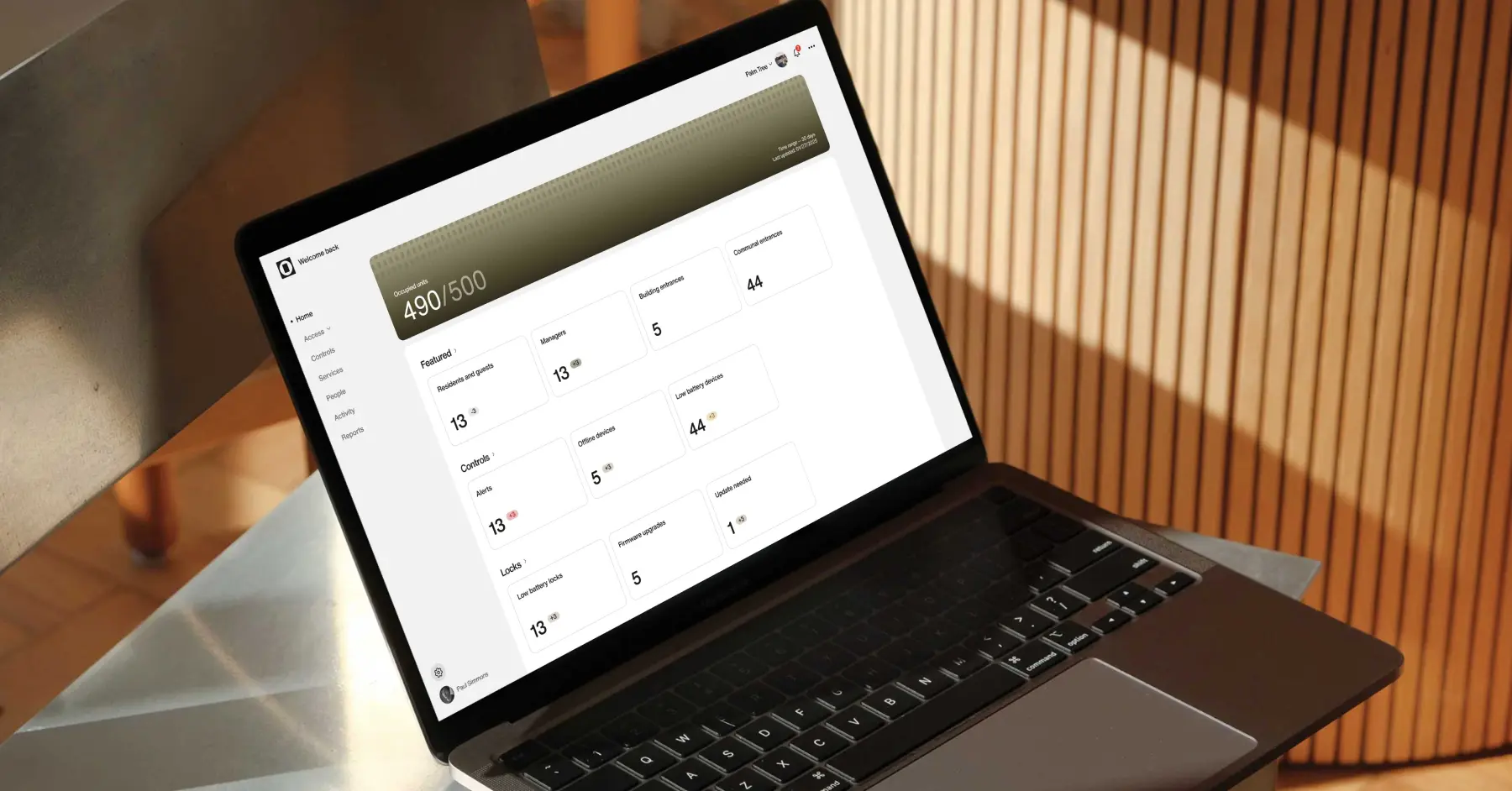
The result is a transition from reactive site management to coordinated portfolio oversight.
More importantly, cloud infrastructure enables access data to integrate with other operational systems. When access events connect with property management platforms, maintenance workflows, and smart device signals, they begin forming the data foundation for building intelligence.
In that environment, access control is no longer simply managing doors. It becomes part of a broader system that helps operators understand activity across properties, automate workflows, and make more informed operational decisions at scale.
What This Means for Multifamily Operators
Treating access control as infrastructure changes procurement decisions.
Operators evaluating apartment access control systems should consider:
- Cloud-based architecture with centralized dashboards
- Integration with property management systems
- Mobile credentials and digital identity management
- Portfolio-level reporting and audit capabilities
- Low total cost of ownership
Access control that operates in isolation limits scalability. Integrated systems, by contrast, create a durable foundation for future automation, AI-driven insights, and expanded building intelligence.
As the multifamily market continues to adopt connected technologies, access control increasingly serves as the entry point for broader modernization strategies.
Frequently Asked Questions
Why is multifamily access control considered infrastructure?
Modern access systems manage digital identity, automate workflows, and provide centralized visibility across properties. They influence leasing, maintenance, vendor coordination, and compliance, making them operational infrastructure rather than standalone security tools.
How does cloud-based access control improve efficiency?
Cloud-based systems allow remote credential management, real-time audit visibility, and integration with property management software, reducing manual steps and site-level intervention.
Does access control impact NOI?
Yes. Reduced rekeying, fewer lockouts, improved operational efficiency, and enhanced risk management all contribute to improved net operating income.
What is the connection between access control and building intelligence?
Access control establishes digital identity and generates structured event data. When integrated with broader platforms, that data supports automation and portfolio-wide operational insight.
The Bottom Line
Multifamily access control is no longer a background utility. It is the infrastructure that enables automation, efficiency, and measurable performance improvement across portfolios.
When identity, permissions, and property data are unified, buildings become easier to operate and more resilient at scale.
DOOR was built around this infrastructure-first approach, combining hardware, software, and automated workflows into a unified platform designed specifically for multifamily environments. Instead of treating access as a device, it treats it as a foundation for Building Intelligence.
As operators look to modernize portfolios, the question is no longer whether to upgrade locks. It is whether access control will remain a siloed tool or become the operational backbone of the property.
References: 1. https://door.com/article/the-connected-property-advantage-insights-on-access-risk-and-value
.webp)


%201.webp)


%201.webp)

.webp)

.webp)
.webp)

