


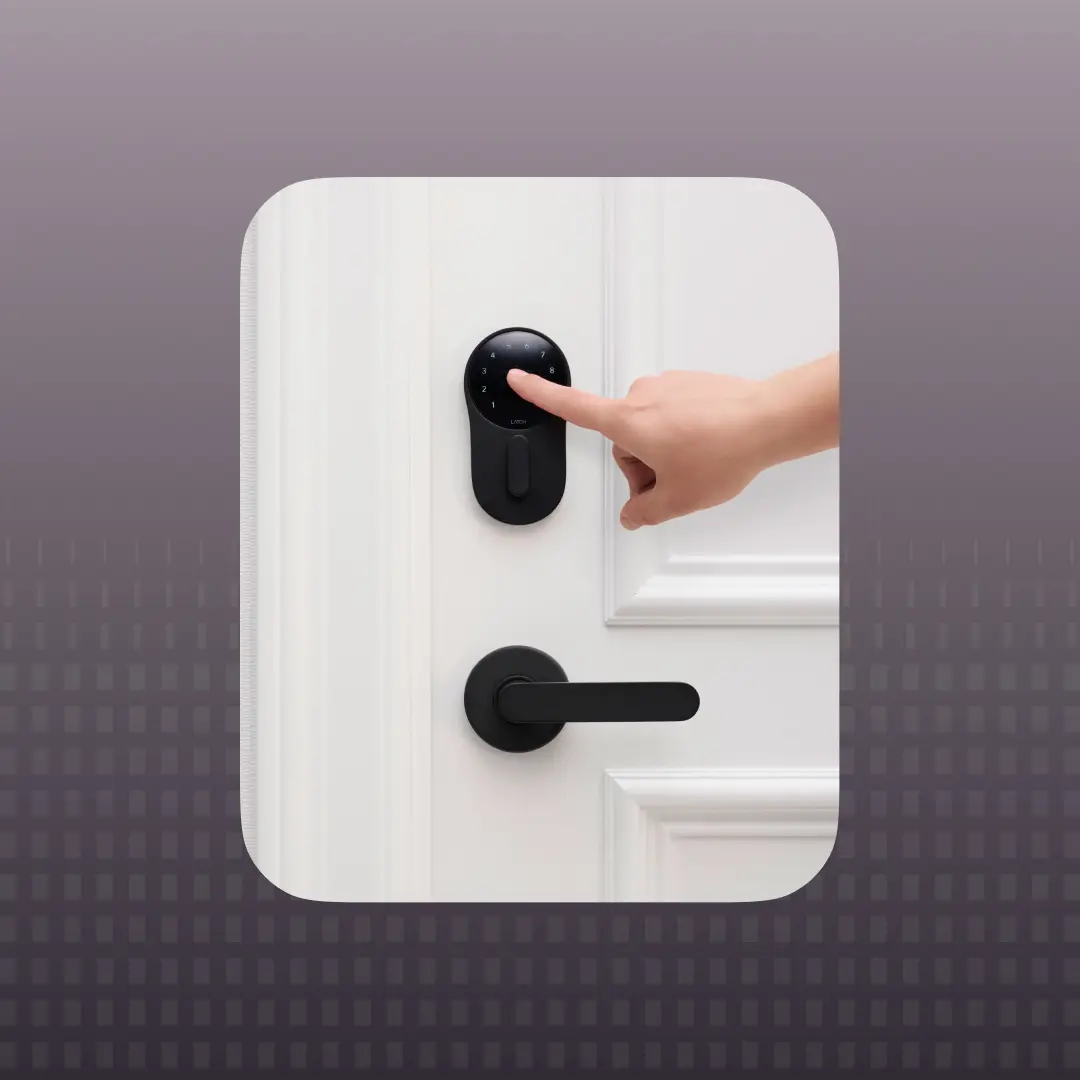
In multifamily, there is a common assumption that older apartment buildings are harder to modernize with smart access control. In some cases, that hesitation is understandable. Legacy infrastructure, mixed hardware, and concerns about cost or disruption can make upgrades feel complex.
What has changed is the technology itself.
The best modern access control systems, including retrofit smart locks, are built specifically to work within existing buildings. They are designed to adapt to current door hardware, minimize installation complexity, and operate without requiring full rewiring or structural changes.
More importantly, smart access control for older buildings does more than just modernize the front door. It improves how properties operate day to day by reducing manual processes, simplifying access management, and creating a foundation for more efficient operations.
For operators evaluating how to upgrade aging assets, the conversation is no longer about whether a building is too old. It is about choosing the right approach to modernization.
The Myth: Older Buildings Can’t Support Smart Access Control
The idea that legacy buildings are incompatible with modern access control comes from an earlier generation of technology.
Traditional access control systems may require:
- Extensive wiring throughout the building
- On-site servers and infrastructure
- Installation timelines tied to new construction or major renovations
In that context, upgrading an existing building often meant high cost, long timelines, and disruption to residents.
That model no longer reflects how modern systems are built.
Today’s hesitation is less about what is technically possible and more about outdated assumptions. Many operators still associate access control upgrades with large capital projects, when in reality, retrofit smart locks and modern systems are designed to work within the exact constraints that older buildings present.
What Retrofit Smart Locks Actually Mean for Older Buildings
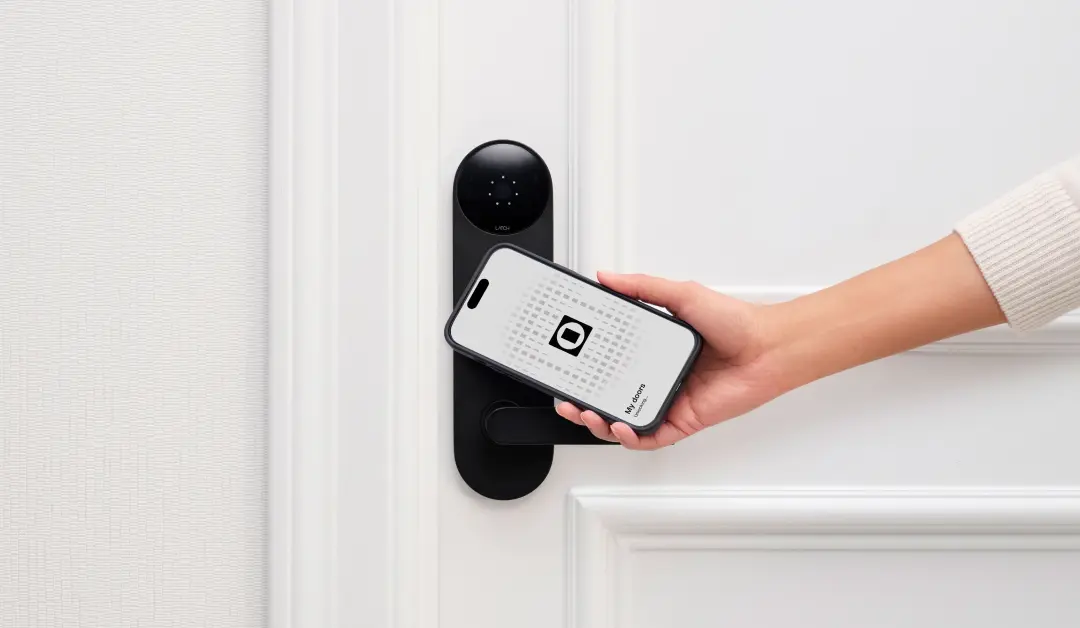
The term “retrofit smart locks” is often used broadly, but in multifamily it has a clear and practical meaning. These systems are designed to work within existing buildings while still delivering modern access control capabilities.
Key characteristics define a true retrofit-friendly solution:
- Compatibility with existing door hardware
- Installation that avoids major disruption to residents or daily operations
- No requirement for full-scale rewiring across units or common areas
- Support for multiple credential types such as mobile access, PIN codes, and physical key cards.
- Integration with property management systems to align access with leasing and operational workflows
This is a meaningful shift from older models of access control. Retrofit solutions are not a workaround or compromise. They are purpose-built for the realities of multifamily portfolios, especially those with aging infrastructure.
What’s Changed in Access Control Technology
The shift in access control is not incremental. It reflects a different approach to how systems are built and deployed.
Traditional systems were designed around infrastructure. The best modern access control systems for both shared spaces and unit doors are designed around flexibility.
They are:
- Cloud-based, removing the need for local servers
- Wireless or low-infrastructure, reducing installation complexity
- Designed for existing buildings, not just new developments
- Centrally managed across units, buildings, and portfolios
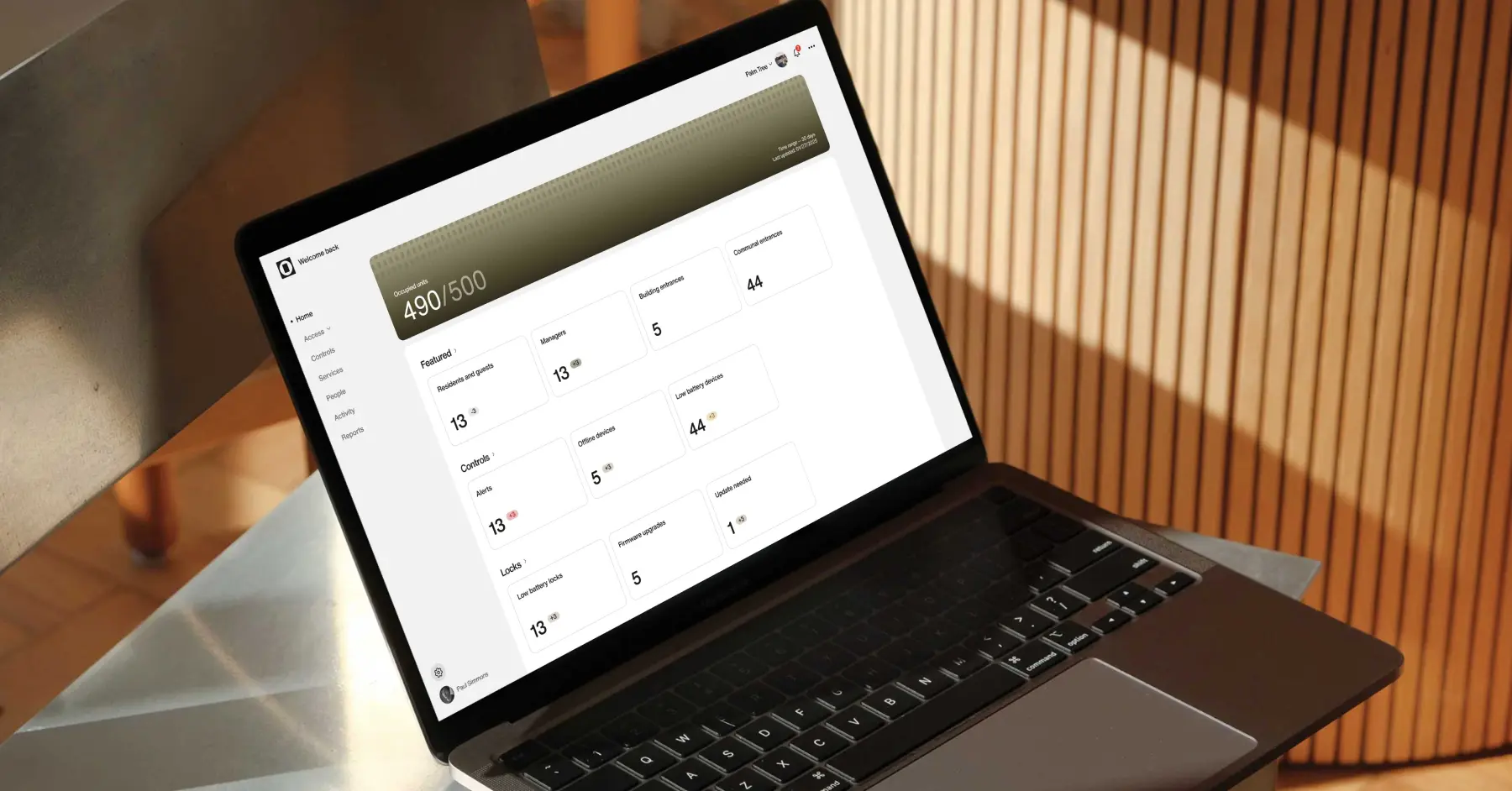
This evolution makes retrofit smart locks a practical option for older apartment buildings, not a secondary one.
At the same time, credentialing has evolved. Residents, staff, and vendors no longer rely solely on physical keys or fobs. Mobile credentials, PIN codes, and digital access provide flexibility that older systems could not support, especially at scale.
The Real Value of Retrofit Smart Locks
Smart access control is often positioned as a convenience upgrade. For operators, the real value is operational.
Older buildings tend to rely on manual processes that create hidden inefficiencies. Keys must be issued, tracked, replaced, and rekeyed. Staff coordinate access for vendors and maintenance. Lockouts generate service requests and after-hours work.
Retrofit smart locks address these challenges in ways that directly impact performance.
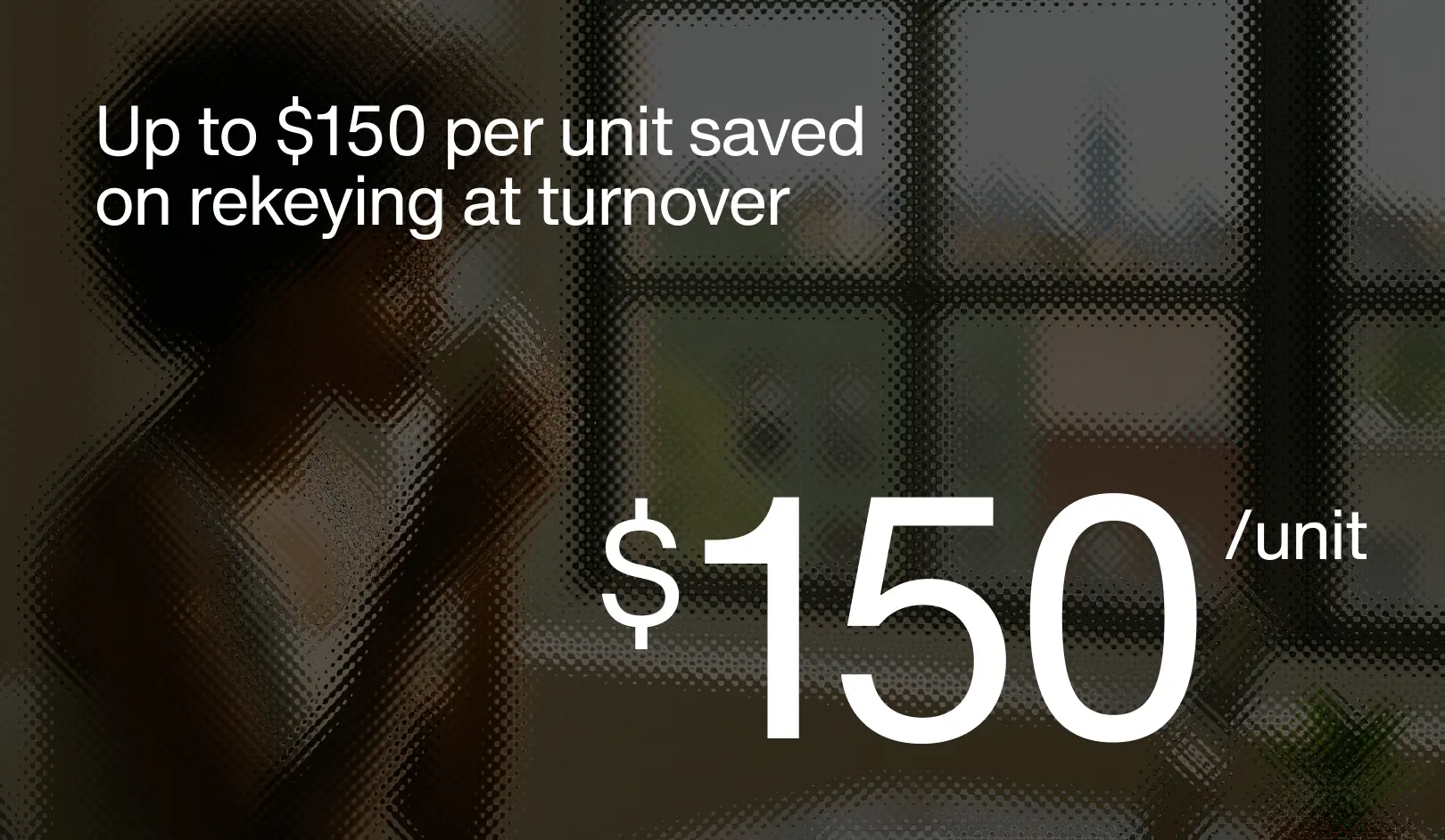
- Rekeying costs can be reduced or eliminated, saving up to $150 per unit
- Process automation can free up as much as 20 hours per week for onsite teams
- Connected systems can drive up to a 20% increase in operating efficiency
These improvements show up in daily operations. Unit turns move faster. Staff spend less time coordinating access. Residents experience fewer disruptions.
At the building level, the impact compounds. Properties can see meaningful annual savings simply by reducing manual work and improving consistency.
This is where retrofit access control shifts from a hardware decision to an operational one
What Operators Should Consider When Evaluating Retrofit Access Control
The decision to upgrade access in an older building is less about whether retrofit smart locks can be installed and more about whether the system will improve how the property operates.
The first consideration is compatibility. Large portfolios often have a mix of door types and hardware configurations. A solution that works across that variability reduces complexity during rollout and over time.
From there, the focus should shift to long-term impact. Total cost of ownership matters more than initial pricing. Systems that seem less expensive upfront can introduce ongoing costs through maintenance, replacements, or limited scalability.
Integration is another critical factor. Access control should not operate in isolation. When connected to property management systems, it can align with leasing data, automate access provisioning, and support maintenance workflows without duplicating effort.
Credential flexibility also plays a role. Supporting mobile access, PIN codes, and backup options ensures reliability for both residents and staff while reducing friction in everyday use.
Operational reliability is equally important. Consistent performance, including offline functionality, ensures that access remains dependable regardless of connectivity conditions.
Finally, operators should consider whether the upgrade simplifies their technology stack or adds another disconnected system. Fragmentation is already a challenge in multifamily. The strongest solutions bring systems together rather than adding new layers to manage.
Approaching the decision through this lens leads to better outcomes and ensures that access control becomes a driver of efficiency rather than another operational burden.
Why Starting with Access Changes Everything
Access is often viewed as a single function. In practice, it sits at the center of daily operations.
Every resident, staff member, vendor, and guest interacts with a property through access. That makes it the natural place to establish identity and permissions across the building.
Once identity is established, new workflows become possible. Maintenance teams can receive access automatically when a work order is assigned. Vendors can be granted time-bound credentials instead of coordinating key handoffs. Residents can manage guest access without involving staff.

These are small changes individually, but together they reshape how work gets done.
Access also creates a consistent record of activity. Knowing who accessed a space and when provides visibility that older systems cannot offer. This improves accountability and reduces guesswork when issues arise. In this way, access becomes more than an entry point. It becomes the trigger for coordinated operations.
Retrofit Solutions Built for Real-World Buildings
Not all smart access products are designed for retrofit environments. Older apartment buildings require solutions that can handle mixed hardware, varied door conditions, and minimal installation disruption. This is where purpose-built hardware makes a difference.
DOOR’s lineup is designed with these constraints in mind, giving operators flexibility depending on the type of door and access point.
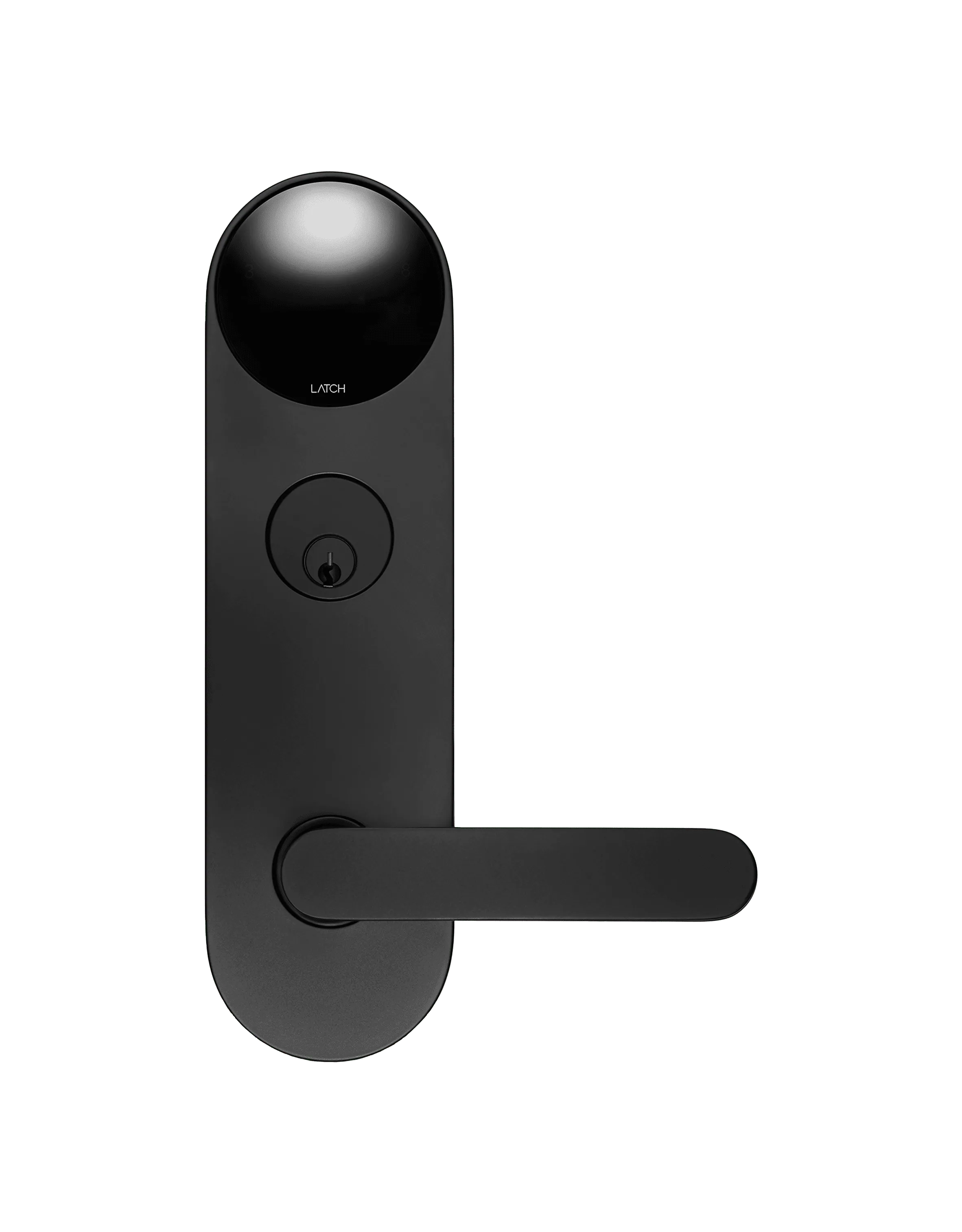
M3: Built for Mortise Lock Retrofits
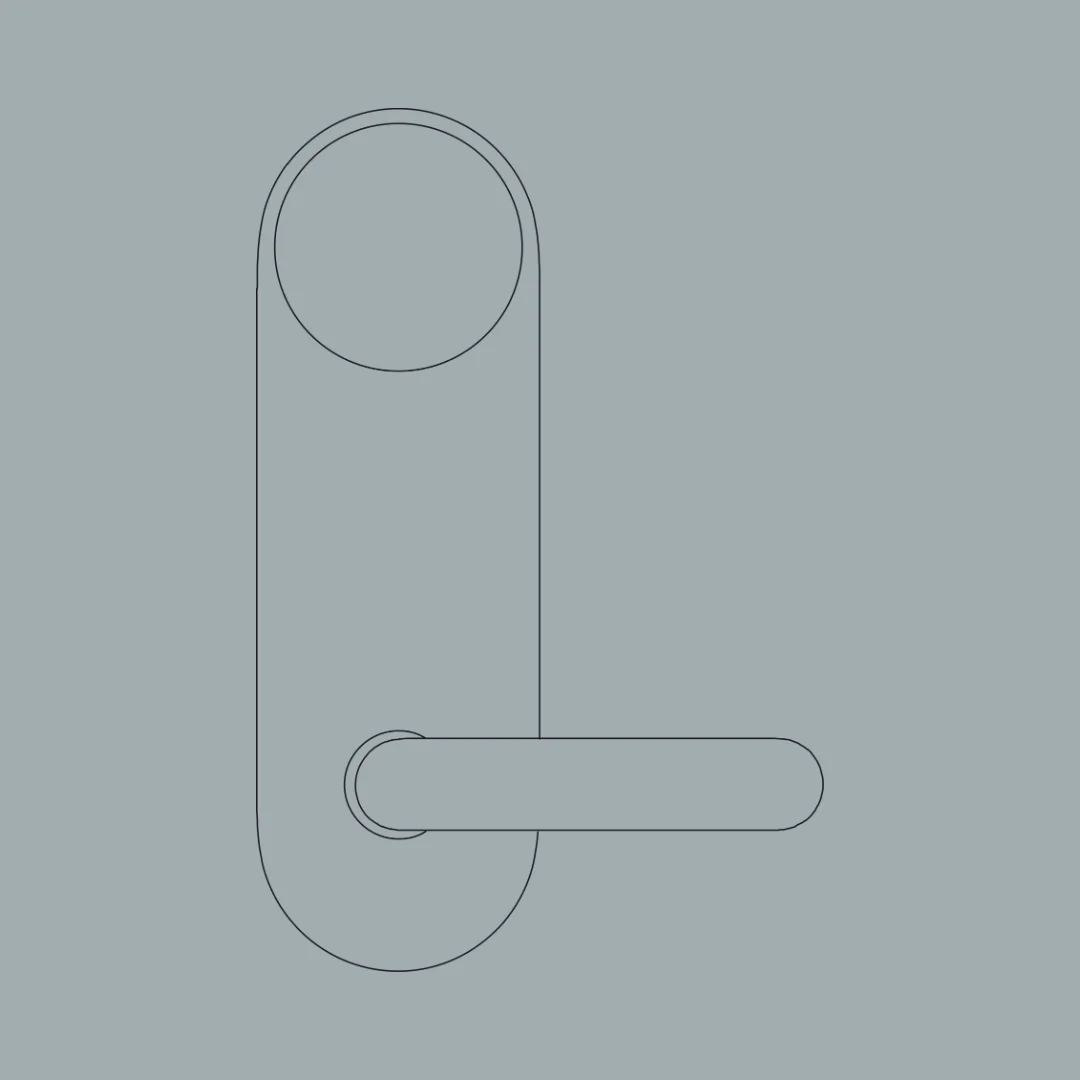
Many older apartment buildings rely on mortise locks, which can be difficult to replace without significant door modification. The M3 is designed specifically for these environments.
It uses an electrified mortise cartridge that fits within the existing door pocket, allowing operators to upgrade access without replacing the entire door or compromising structural integrity.
What makes the M3 especially effective for retrofit projects:
- Compatible with a wide range of existing mortise cartridges, including Latch, Townsteel, Best, Marks, Dorma, Corbin, Sargent, and Schlage
- Field reversible design allows for left or right handed installation without additional hardware
- Supports both standard and return levers for ADA compliance where required
This level of compatibility reduces the need for custom modifications and makes it easier to standardize upgrades across buildings.
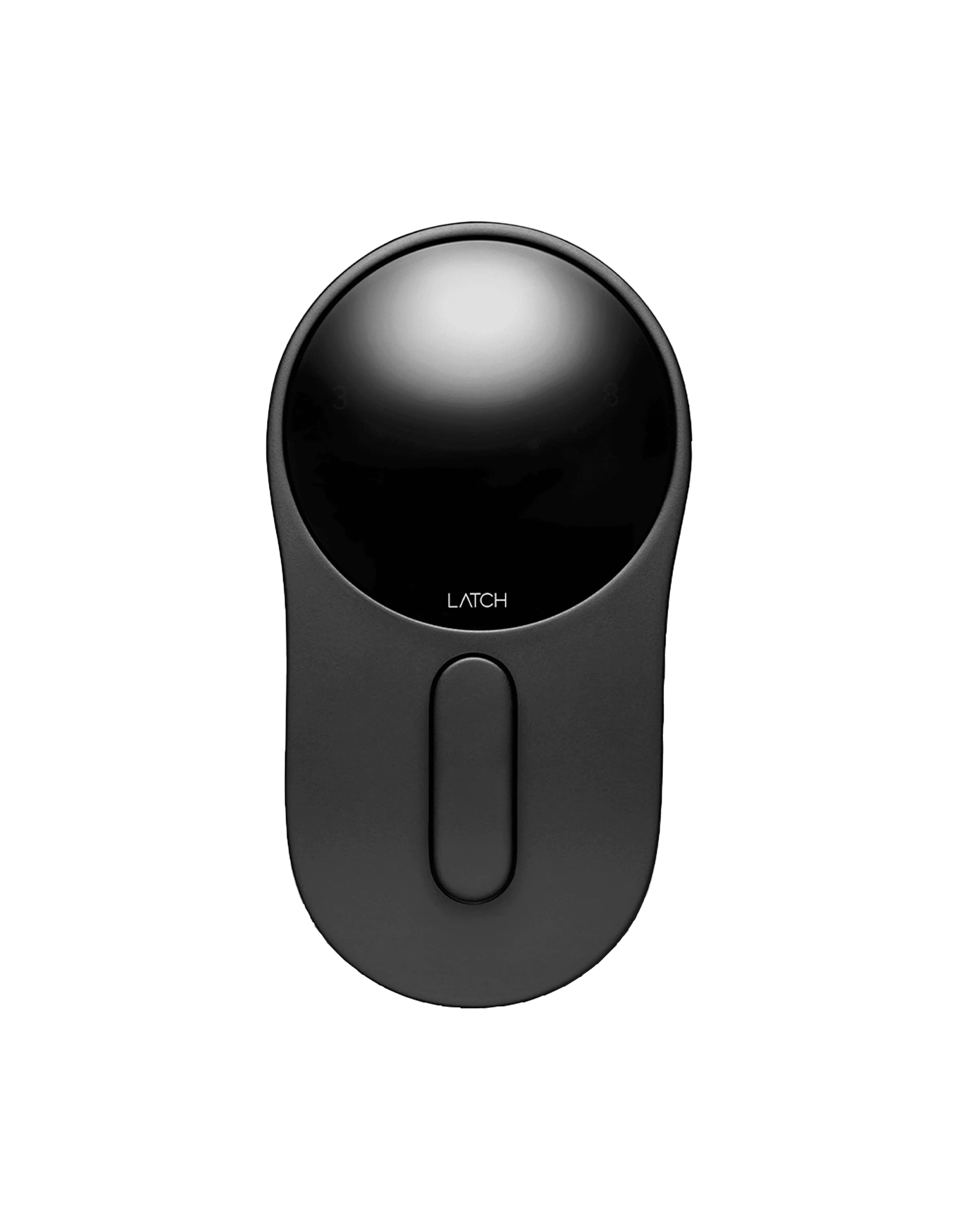
C2: Simple, Scalable Deadbolt Retrofit
For properties using standard deadbolts, the C2 provides a straightforward path to modern access without added complexity.
It is designed to fit most existing residential doors, making it a strong option for large-scale retrofits where speed and consistency matter.
Key retrofit advantages of the C2 include:
- Keyless design eliminates the risk of unauthorized rekeying
- Supports multiple credential types including mobile app, keycard, Doorcodes, Android NFC, and Apple Watch
- Offline-first functionality ensures access even during power or internet outages
Because it installs easily and works across standard door setups, the C2 allows operators to modernize unit access quickly without introducing operational friction.
Extending Access Beyond the Front Door
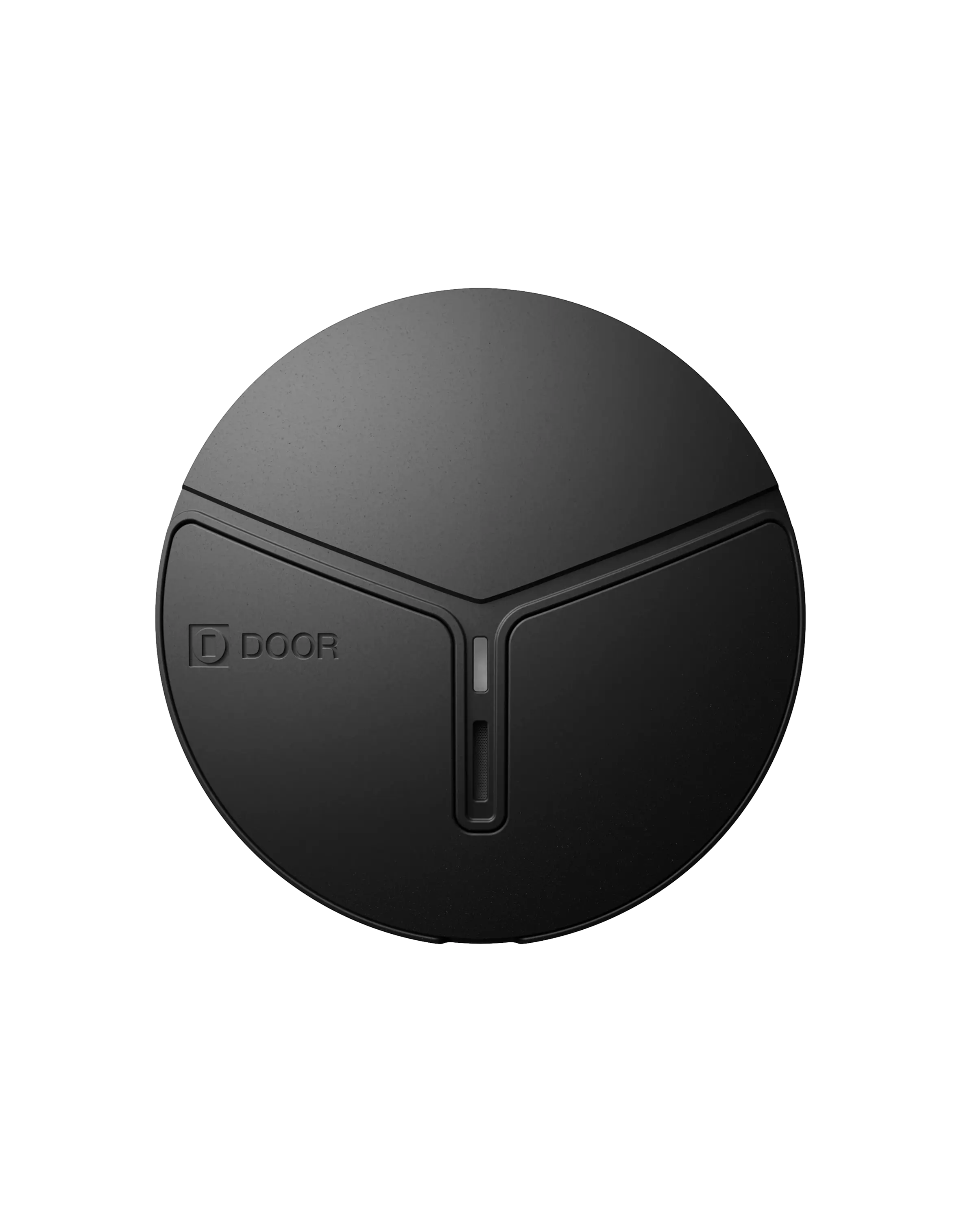
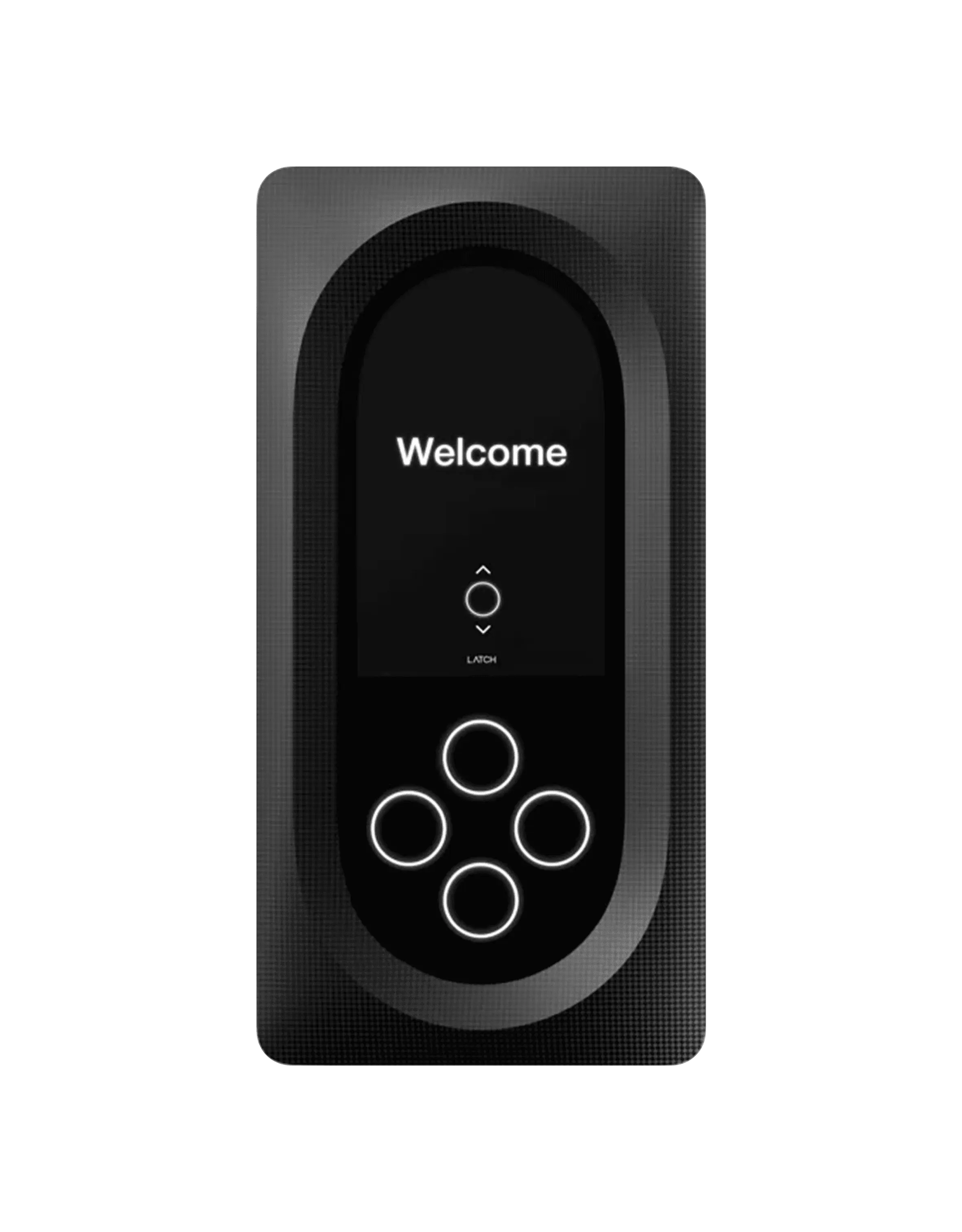
Access control in older buildings often breaks down at secondary entry points. Side doors, service entrances, and loading areas are frequently overlooked because traditional intercom systems are expensive or difficult to install in those locations.
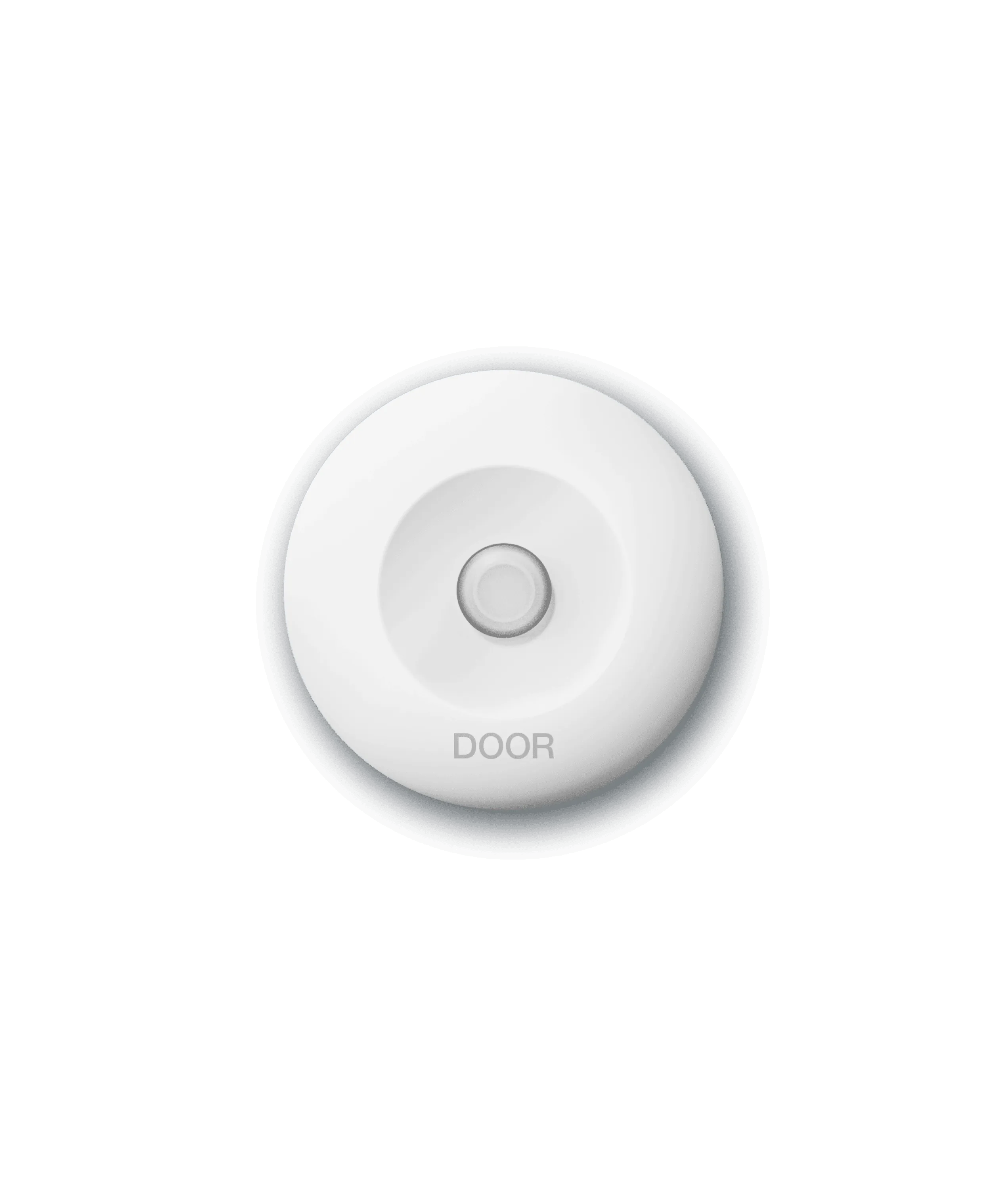
The DOOR Link extends the intercom system to these areas without requiring power or wiring.
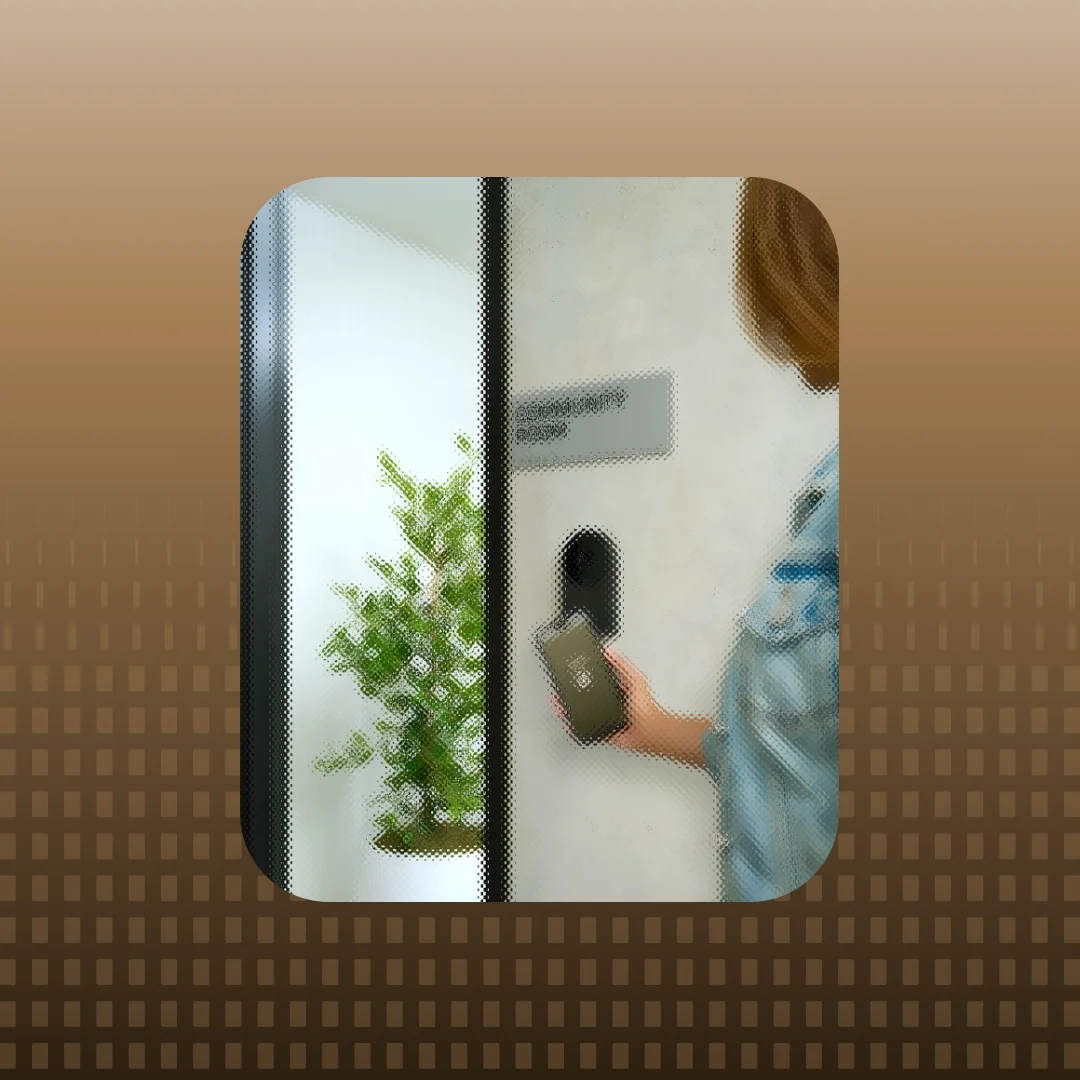
It enables visitors to scan a QR code, access a virtual directory, and request entry. Residents or staff can then grant access using a secure, one-time code.
This makes it a practical way to bring consistent access control to parts of the building that would otherwise remain unmanaged, improving both convenience and visibility without adding infrastructure complexity.
From Retrofit to Building Intelligence
Upgrading access in an older building is often the first step in a broader shift.
Smart locks and access control systems generate data and enable automation, but their full value comes when they are connected to other systems. Property management software, smart home devices, and operational workflows all benefit when access is part of a unified platform.
This is where Building Intelligence begins to take shape.
Instead of managing isolated systems, operators can connect access, devices, and data into a single operational layer. That layer allows teams to move from reactive work to more proactive decision-making. To learn more about the shift driving Building Intelligence, read more at our blog: Beyond Smart Buildings: The Era of Building Intelligence
For older buildings, this progression is especially important. It provides a path forward that does not require starting over. Operators can begin with retrofit smart locks and expand over time, building a more connected and efficient system without disrupting the property.
FAQs
Can you install smart locks in an old apartment building?
Yes. Many smart locks are designed specifically for retrofit use, meaning they can be installed on existing doors without major structural changes.
Do smart locks require rewiring in older buildings?
In most cases, no. Modern systems often rely on wireless communication or simplified infrastructure, avoiding the need for full rewiring.
What is a retrofit smart lock?
A retrofit smart lock upgrades an existing door with digital access capabilities while preserving the underlying hardware and structure.
Are smart locks safe for multifamily buildings?
When properly implemented, smart locks provide controlled access, audit trails, and multiple credential options, which can improve visibility and accountability compared to traditional keys.
What should property owners consider before upgrading access control?
Operators should evaluate compatibility, integration, total cost of ownership, reliability, and whether the system simplifies operations rather than adding complexity.
Smart Access Control for Older Buildings Starts With the Right Retrofit Approach
Smart access control for older buildings is no longer limited by the age of the property. Retrofit smart locks have changed what is possible, allowing operators to modernize access without the cost and disruption of full-scale renovations.
The opportunity goes beyond upgrading individual doors. When implemented thoughtfully, retrofit access control improves daily operations, reduces manual work, and creates a more consistent experience for residents and staff.
For multifamily operators, the advantage is clear. The buildings themselves are not the barrier. The real decision is how to approach modernization in a way that delivers long-term value.
Retrofit smart locks provide a practical starting point. From there, access becomes more than an entry system. It becomes a foundation for smarter, more connected property operations.
.webp)


.webp)

.webp)
.webp)

