


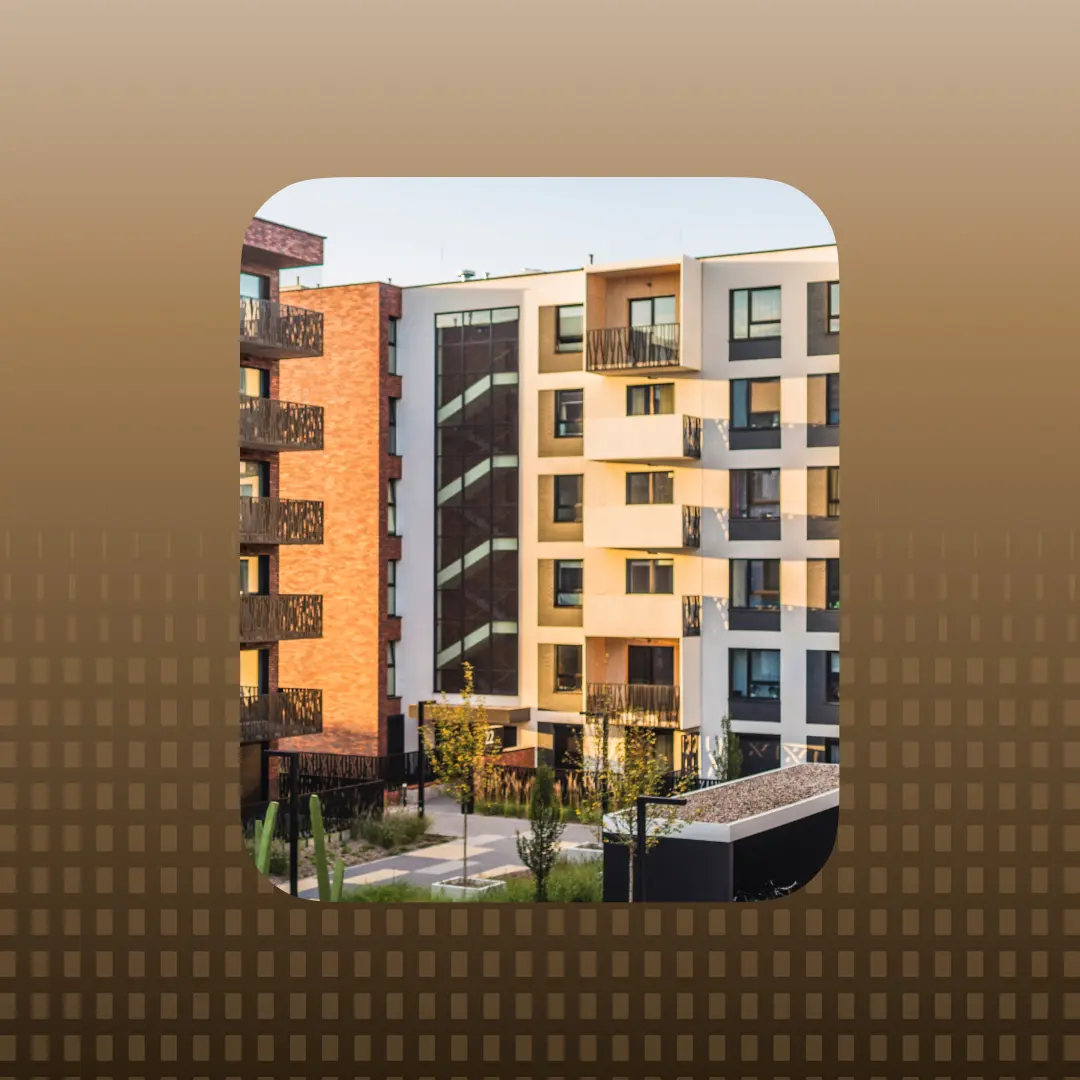
Many multifamily operators have started to invest in smart technology across their properties. This may include smart locks, thermostats, leak detection, or mobile access in certain buildings or unit types.
These investments are intentional. They are meant to improve efficiency, reduce risk, and meet rising resident expectations.
In many cases, they do.
But there is still a gap between adopting technology and actually improving how a building operates day to day in a meaningful, measurable way.
That gap is what is driving the shift toward Building Intelligence.
The Industry Solved for Devices, Not for Operations
Over the last several years, technology decisions have largely been made at the device level. Teams implemented solutions to address specific challenges such as lockouts, energy usage, or water damage.
Those decisions were practical and often necessary. But they were not always made with a broader operating model in mind.
As a result, many properties now rely on a collection of systems that function independently but require coordination to produce outcomes. That coordination still falls to the team.
It shows up in the day to day work:
- Staff moving between systems to complete a single workflow
- Manual steps required to align access, maintenance, and leasing activity
- Inconsistent execution across properties in the same portfolio
This is not a failure of technology. It is a result of how technology has been implemented.
Building Intelligence Is a New Operating Framework
Building Intelligence is not an additional layer of technology. It is a framework for how systems work together.
At its core, Building Intelligence connects access, device signals, and operational workflows into a shared system so that actions can be coordinated rather than managed manually.
This changes how properties operate. Instead of relying on individual systems to solve isolated problems, teams can begin to standardize how work gets done across buildings and across portfolios. The goal is not simply automation. It is consistency and visibility at scale.
Why Access Control Becomes Foundational
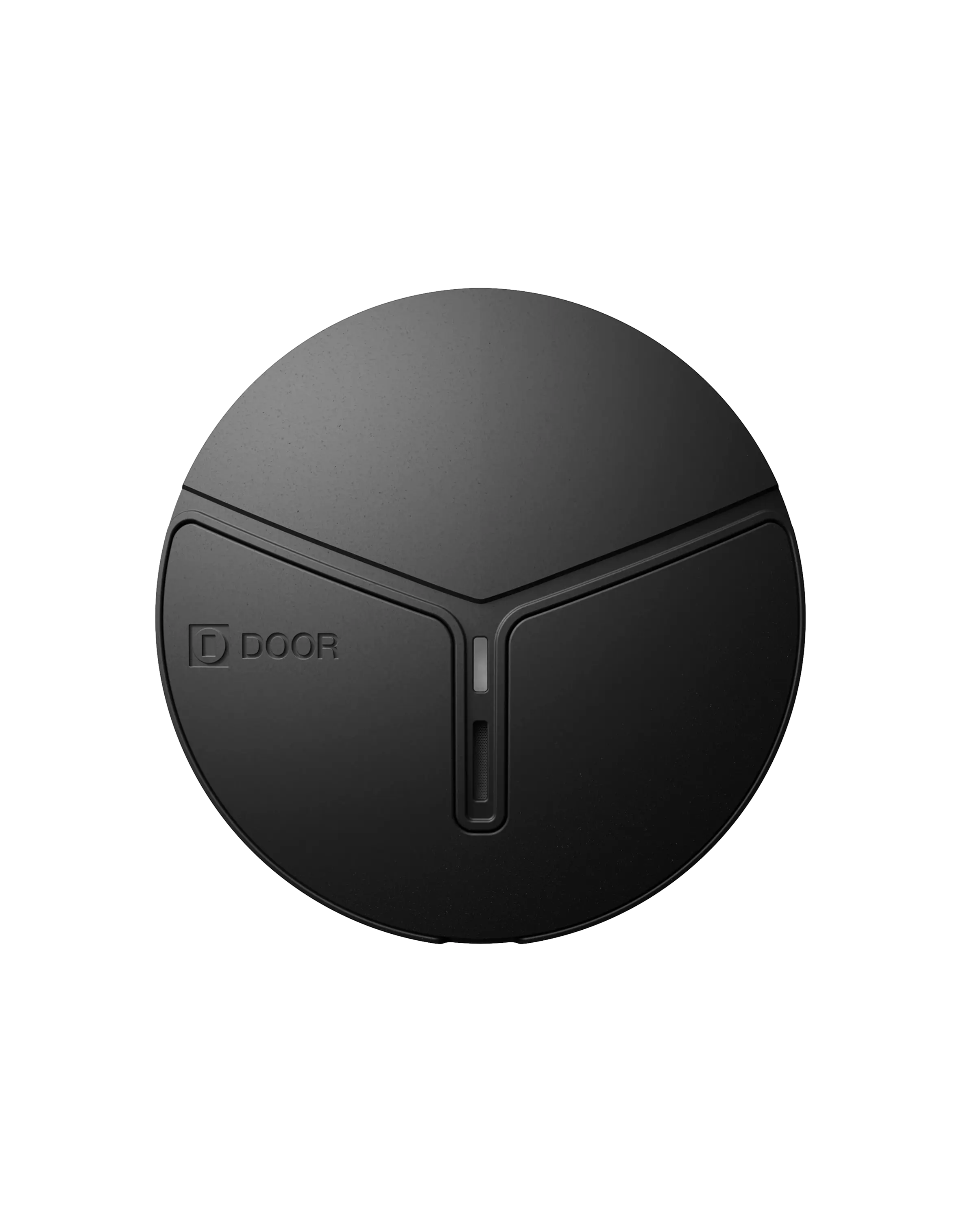
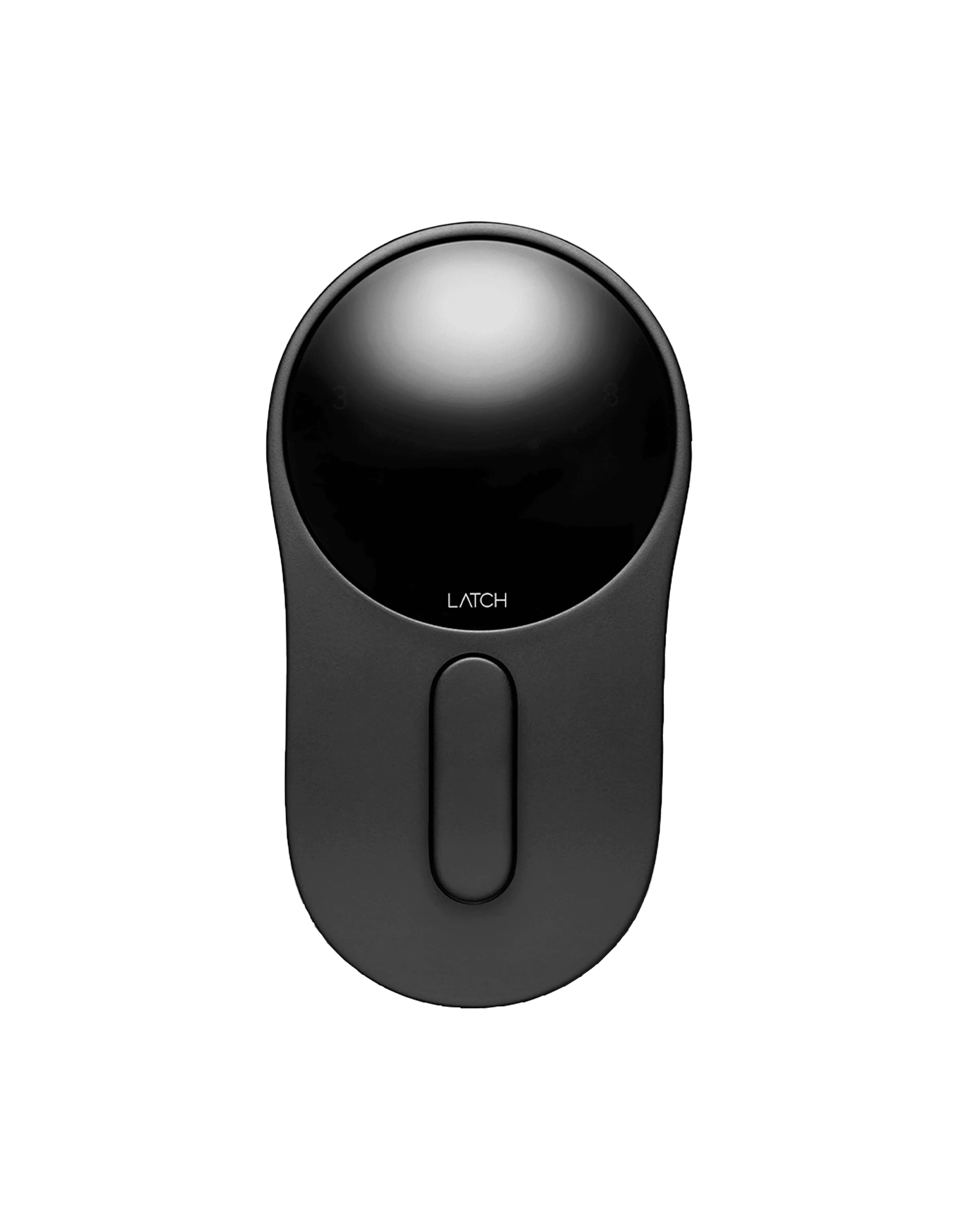
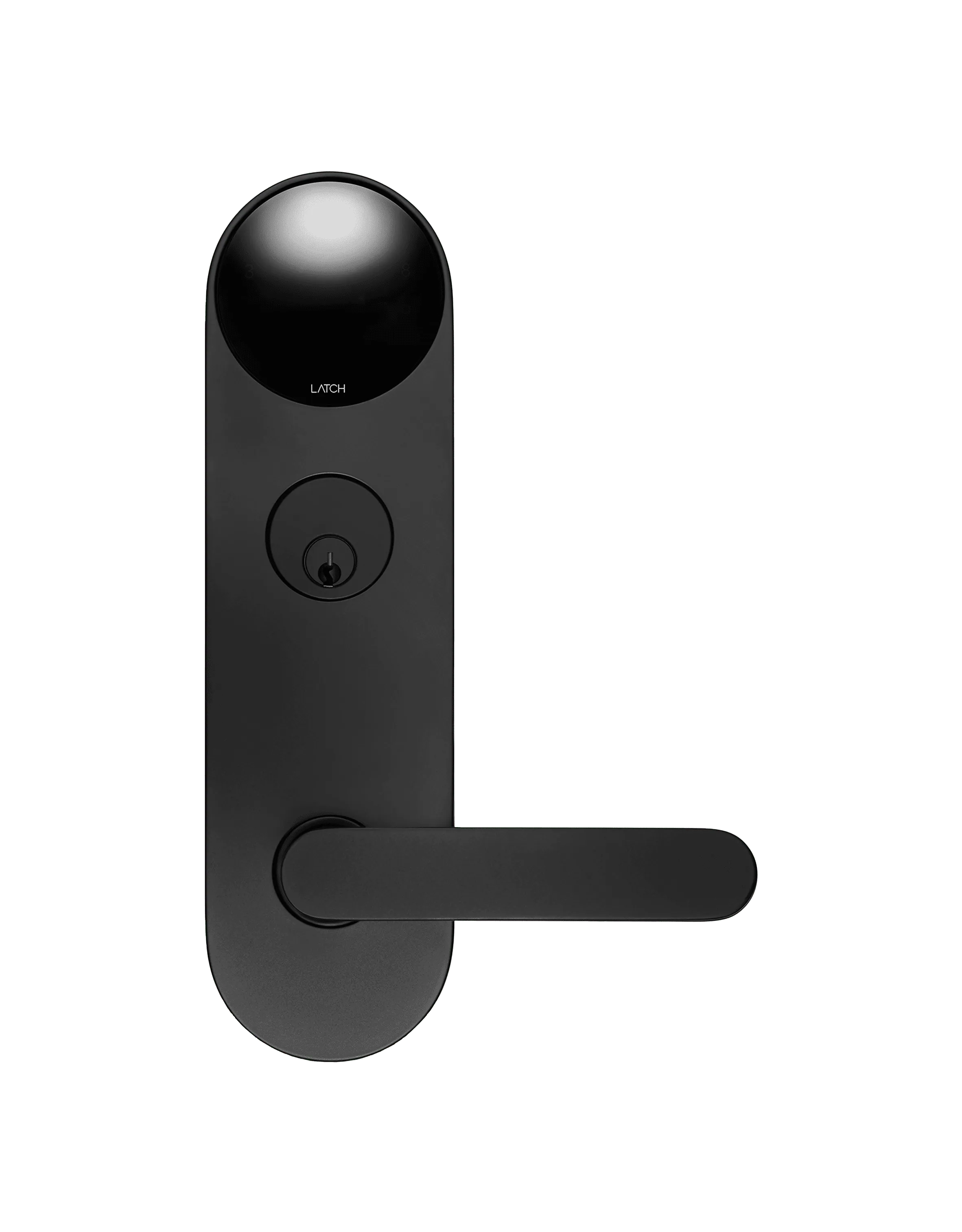
Access control plays a central role in this shift because it establishes structure.
It defines who has access to specific spaces and when. Once that structure exists digitally, it becomes easier to align other workflows around it.
This includes areas such as:
- vendor coordination
- maintenance access
- unit turnover timing
- auditability across teams and properties
Access control has already become one of the most widely adopted and operationally impactful technologies in multifamily
What is changing now is how it is used. It is becoming part of a broader operational system rather than a standalone tool.
Smart Devices Become More Useful in Context
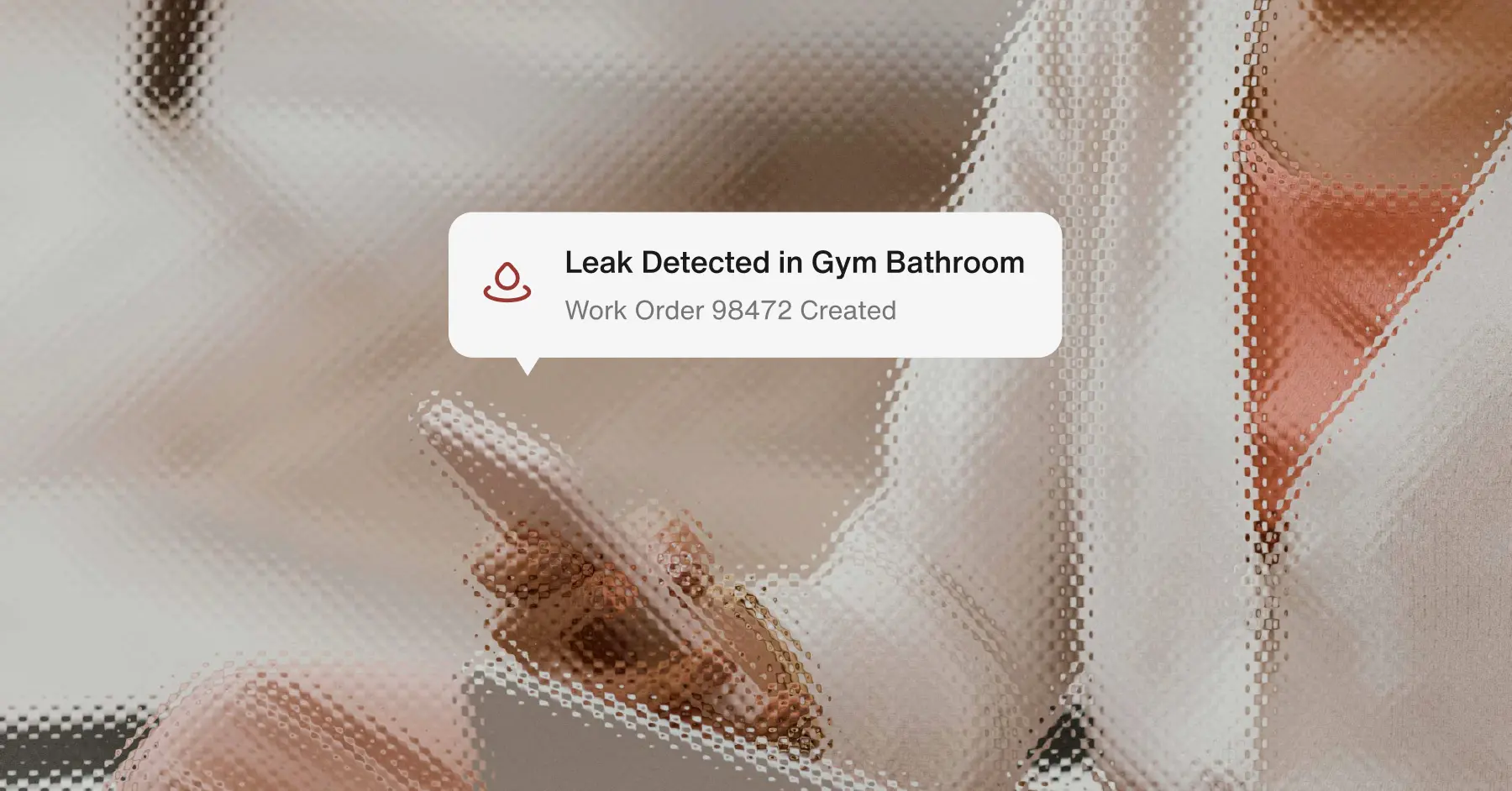
Smart home technology continues to expand across multifamily properties. Devices such as thermostats and leak sensors provide clear value when deployed.
The challenge is not the device itself. It is how the information from that device is used.
When these systems operate independently, their impact tends to remain localized. When they are connected to a broader platform, they begin to influence operations more consistently.
This is where operators start to see measurable improvements in efficiency, cost control, and risk reduction
The difference is not additional hardware. It is the ability to apply data in context.
The Gap Most Portfolios Are Still Navigating
Even as adoption increases, many portfolios are still in transition.
They have implemented technology in parts of the building or across select properties, but those systems are not yet working together in a unified way.
This creates ongoing friction:
- systems that do not share information cleanly
- workflows that require manual coordination
- limited visibility across regions or assets
For many teams, this is where the next set of decisions begins.

Where This Is Going
The move from smart home technology to Building Intelligence is not about replacing what has already been deployed. It is about ensuring those investments work together in a way that improves operations at scale.
For operators, that raises a more complex set of questions: Where do you start? Which systems should be prioritized? How do you structure implementation so that it delivers both near term value and long term scalability?
These are not simple decisions, and they do not have one size fits all answers.
The full white paper, From Smart Home to Building Intelligence, explores how multifamily owners and operators are approaching these questions, including how to sequence investments, where the most meaningful operational impact is coming from, and what it takes to scale a connected strategy across a portfolio.
If you are evaluating how to move from isolated systems toward a more unified operating model, the full research provides a more detailed framework to guide that process: From Smart Home to Building Intelligence
.webp)





.webp)
.webp)
.webp)

