



Each year, ISC West brings together thousands of security professionals, technology providers, and operators to showcase what’s next in building security. As one of the largest security conferences in the United States, it offers a clear view into how the industry is evolving.
At ISC West 2026, one theme stood out across booths, conversations, and product announcements. The industry is moving away from standalone tools and toward unified platforms.
For multifamily operators, this shift is not just about technology. It reflects a deeper change in how buildings are expected to operate. Systems are no longer evaluated based on individual features. They are being evaluated based on how well they work together.
What We Saw at ISC West 2026
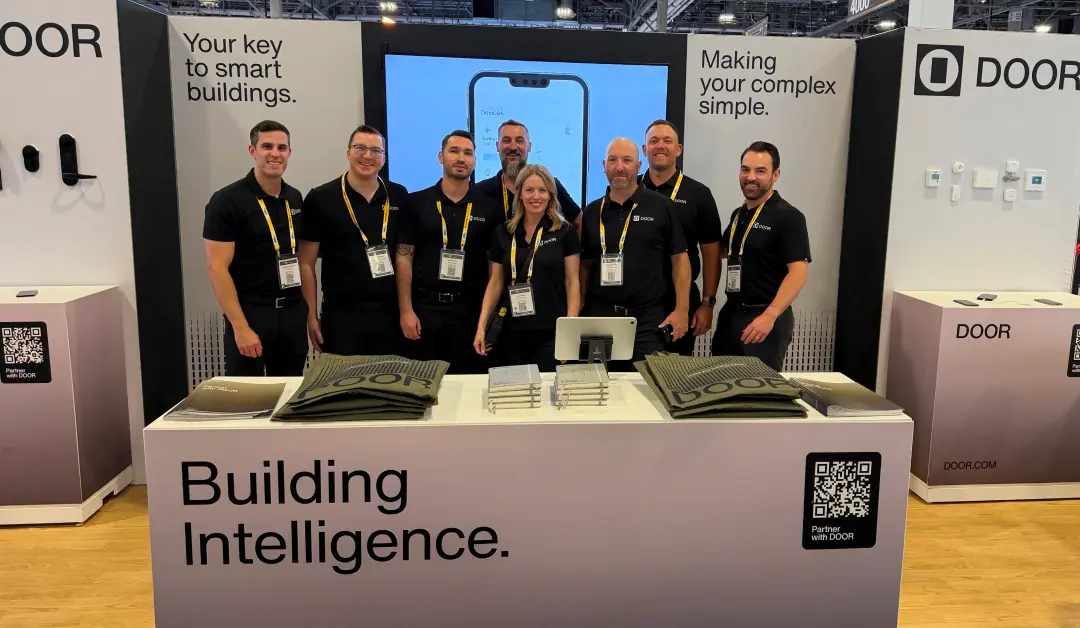
Walking the show floor, it became clear that vendors are repositioning themselves. Companies that once focused on a single category such as access control, intercom, or video are now expanding into broader platforms.
The language has shifted as well. Instead of highlighting individual devices, vendors are emphasizing ecosystems, integrations, and end-to-end workflows. Conversations centered less on hardware specifications and more on outcomes like efficiency, automation, and visibility.
This reflects a growing recognition across the industry. Adding more technology does not necessarily make buildings better. The value comes from connecting systems in a way that simplifies operations and enables better decision-making.
The End of Point Solutions in Building Security
For years, building security has been built on point solutions. These are standalone systems designed to solve a single problem, such as controlling access to a door, managing visitors, or monitoring a camera feed.
Each of these tools can deliver value on its own. However, when deployed independently, they create a fragmented environment where systems do not communicate and workflows rely on manual coordination.
This model made sense when buildings were less connected. Today, it is becoming increasingly difficult to justify.
Why Fragmentation Is Breaking Down
Fragmentation is not just a technical issue. It is an operational challenge that shows up every day for property teams.
Managing multiple vendors means managing multiple contracts, support channels, and interfaces. Staff often move between systems to complete simple tasks, from granting access to coordinating vendors or resolving resident issues. Data lives in silos, making it harder to understand what is happening across a property or portfolio.
This complexity is widely recognized across the industry. According to Parks Associates, 41% of multifamily operators report difficulty managing their smart building vendors, with the level of difficulty increasing as more systems are added.
At the same time, properties only realize the full value of smart technology when systems are integrated into a broader platform. Without that integration, many of the expected benefits such as automation, efficiency gains, and cost reduction remain out of reach.
The result is a growing gap between what technology promises and what it delivers in practice. As portfolios scale and teams are asked to do more with less, that gap becomes harder to ignore.
For deeper insights into how integration drives efficiency, reduces costs, and improves portfolio performance, read the full Parks Associates White Paper: From Smart Home to Building Intelligence.
The Rise of the Unified Security Platform
In response, the industry is shifting toward a different model. A unified security platform brings together access control, smart devices, and operational workflows into a single system.
At its core, this approach creates a centralized layer where identity, data, and actions are connected. Access control establishes who is entering a space. Devices generate signals about what is happening within it. Software translates those signals into coordinated actions.
What stood out at ISC West is that this architecture is no longer emerging. It is becoming the standard that operators expect when evaluating new technology.
Key Industry Trends from ISC West
Several broader trends reinforced this shift.
First, the market is moving from product-centric to platform-centric solutions. Vendors are expanding their offerings to deliver more complete systems rather than isolated tools.
Second, integration is no longer viewed as a differentiator. It is a baseline requirement. Systems that cannot connect to the broader technology stack are increasingly seen as limitations rather than assets.
Third, access control is taking on a more central role. It is becoming the identity layer that enables automation, tracks activity, and connects workflows across the property.
Finally, there is a growing emphasis on operational outcomes. Automation, real-time visibility, and portfolio-level consistency are becoming key measures of value, replacing traditional feature-based comparisons.
Why This Shift Matters for Multifamily Operators
For multifamily owners and operators, this shift has direct business implications.
A unified platform can reduce operational overhead by eliminating manual processes and consolidating vendors. It can improve visibility by bringing data into a single system, making it easier to track performance and identify issues early. It can also support more consistent execution across properties, which becomes increasingly important as portfolios grow.
These improvements translate into measurable outcomes. Lower operating costs, more efficient teams, faster unit turns, and a more consistent resident experience all contribute to stronger financial performance.
In this context, security is no longer just a protective layer. It is becoming part of the operational infrastructure that supports how buildings run.
From Smart Buildings to Building Intelligence
This shift also reflects a broader evolution in the industry. Over the past decade, buildings have become “smarter” through the addition of connected devices. However, many of these deployments have remained fragmented, limiting their impact.
As a result, operators often manage a patchwork of systems that add complexity rather than reducing it.
Building Intelligence represents the next step forward. Instead of treating access control, smart devices, and operational software as separate systems, it connects them into a unified platform that can anticipate issues, automate workflows, and improve decision-making.
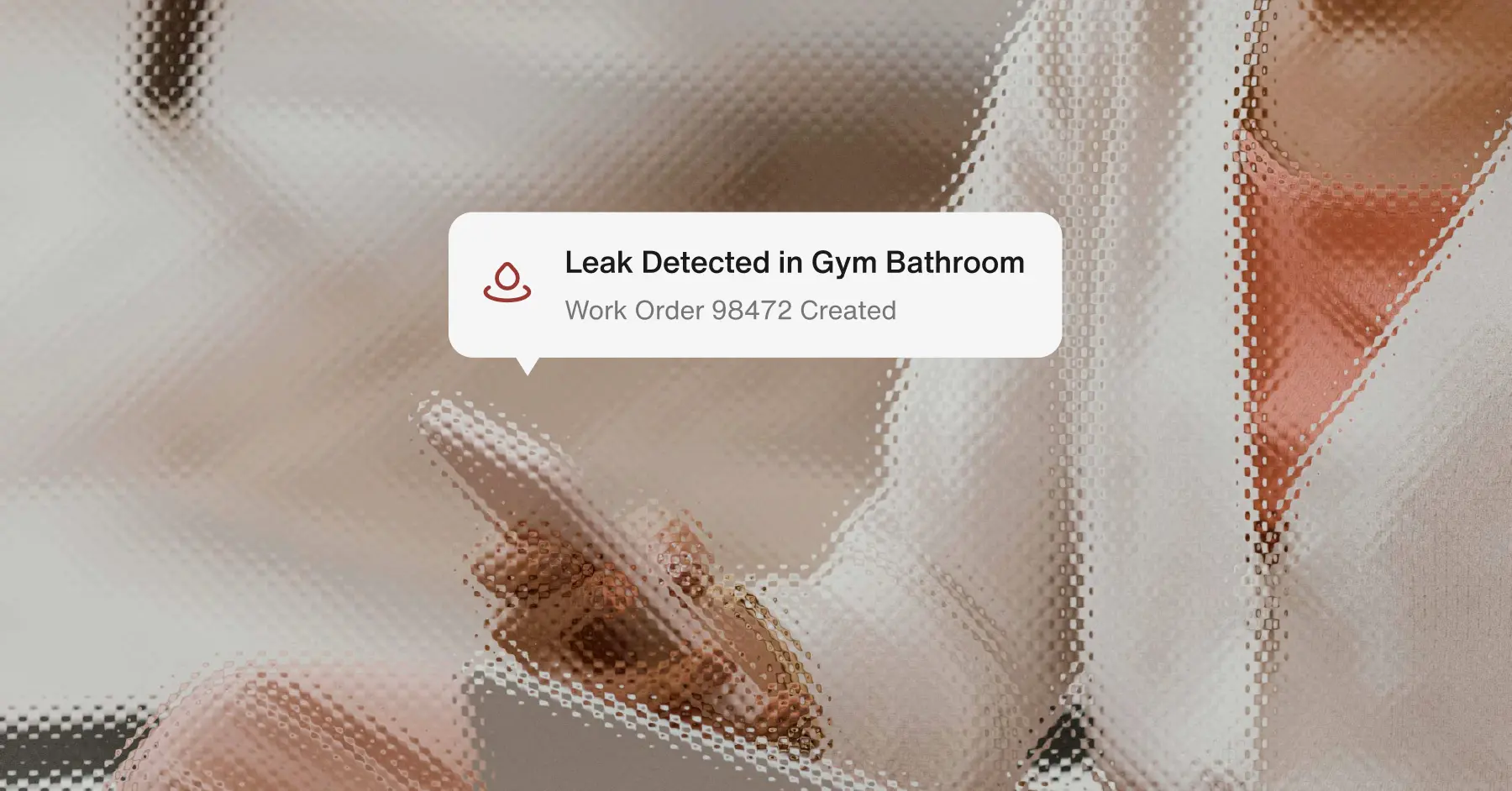
When systems are connected in this way, buildings move from reactive to proactive operations. Problems can be identified earlier, resolved faster, and in some cases prevented entirely. The value of technology compounds because each system reinforces the others rather than operating in isolation.
What to Look for in a Unified Security Platform
As this model becomes more common, operators are rethinking how they evaluate technology.
A modern platform should provide centralized control across access, devices, and workflows. It should integrate with existing systems such as property management software, rather than creating additional silos. It should scale across multiple properties without increasing operational complexity.
Equally important, it should support automation and reduce manual effort. The goal is not simply to digitize existing processes, but to improve how those processes work.
Finally, operators are placing greater emphasis on total cost of ownership. This includes not just the upfront investment, but the ongoing cost of managing vendors, maintaining systems, and supporting staff.
Where DOOR Fits
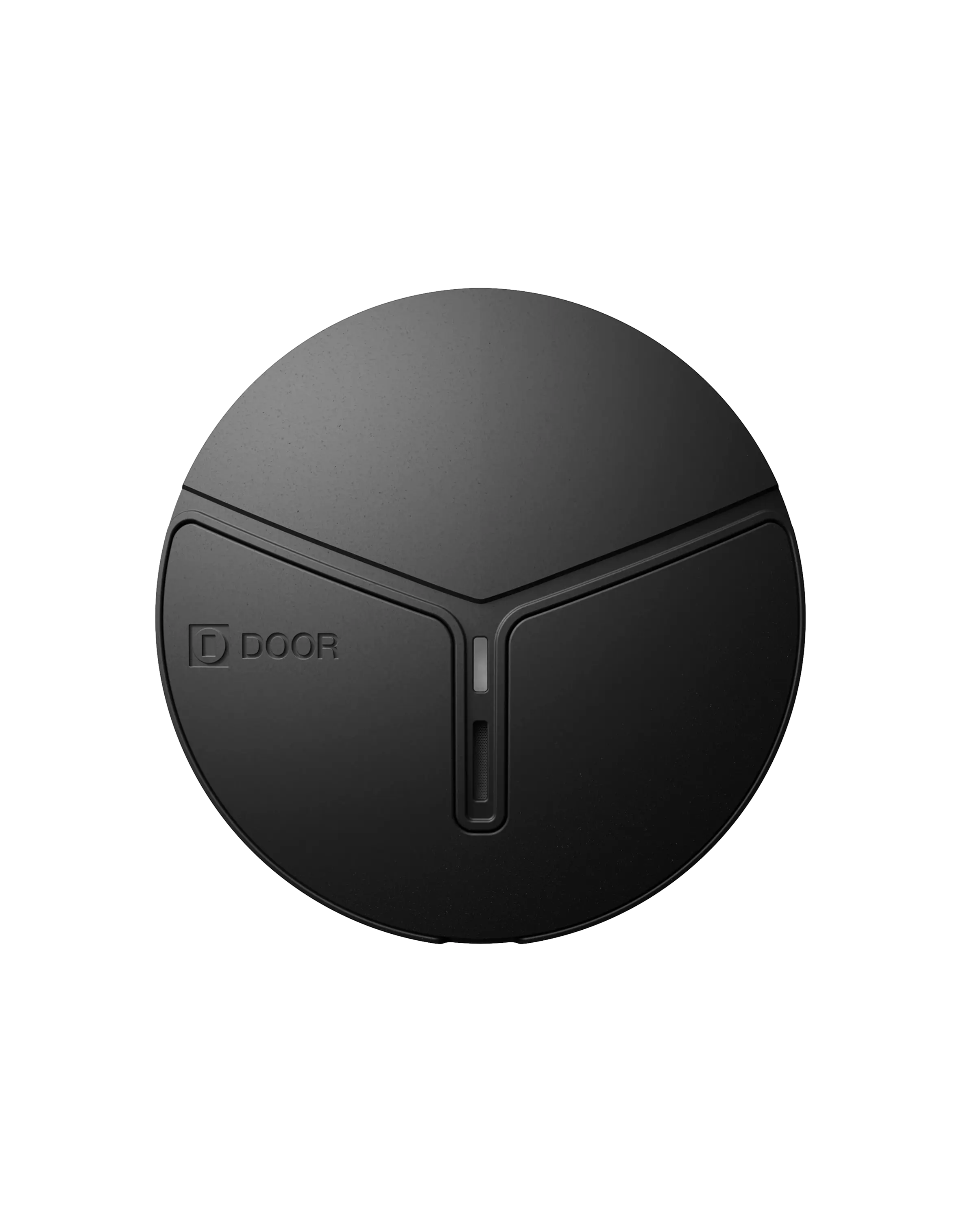
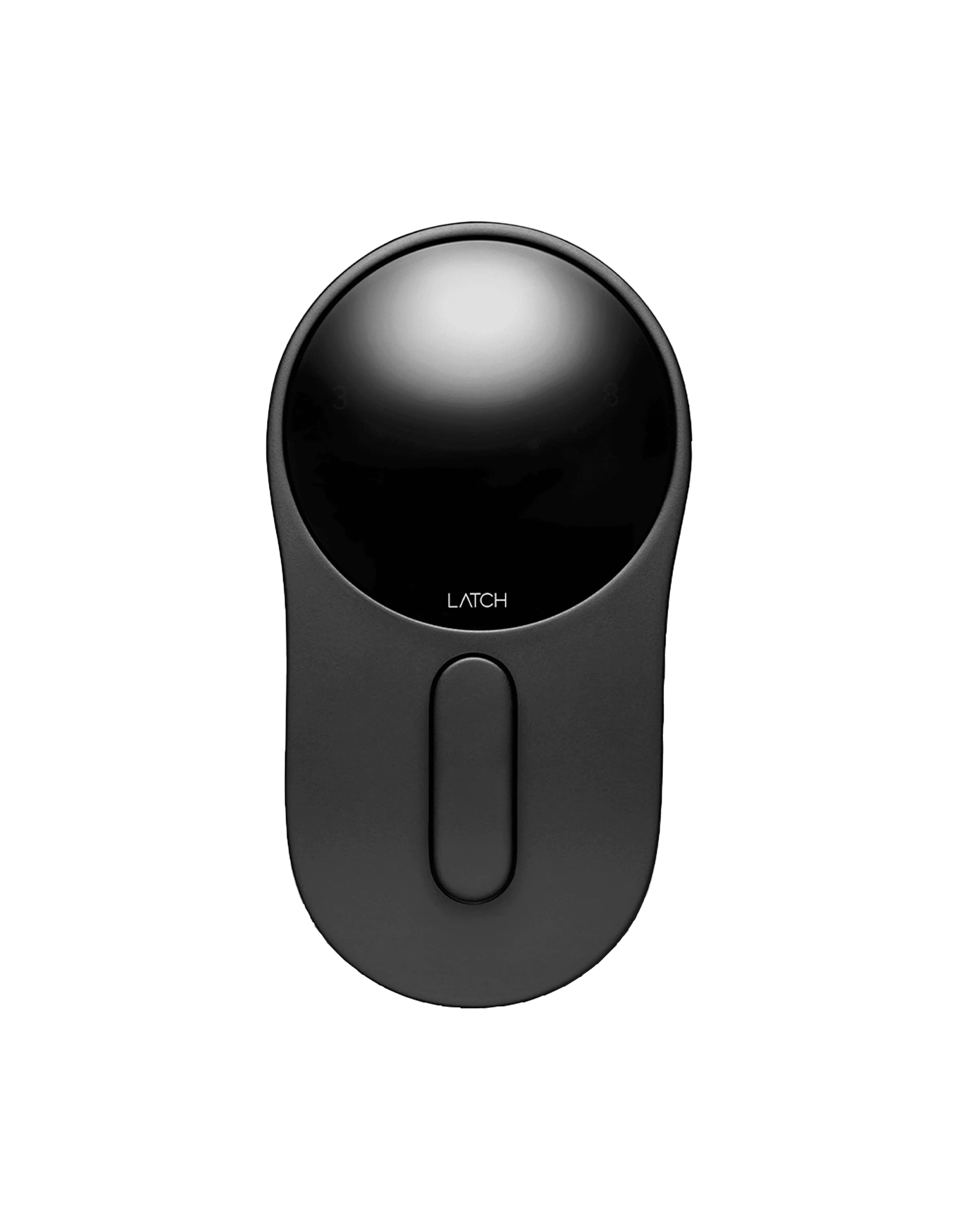
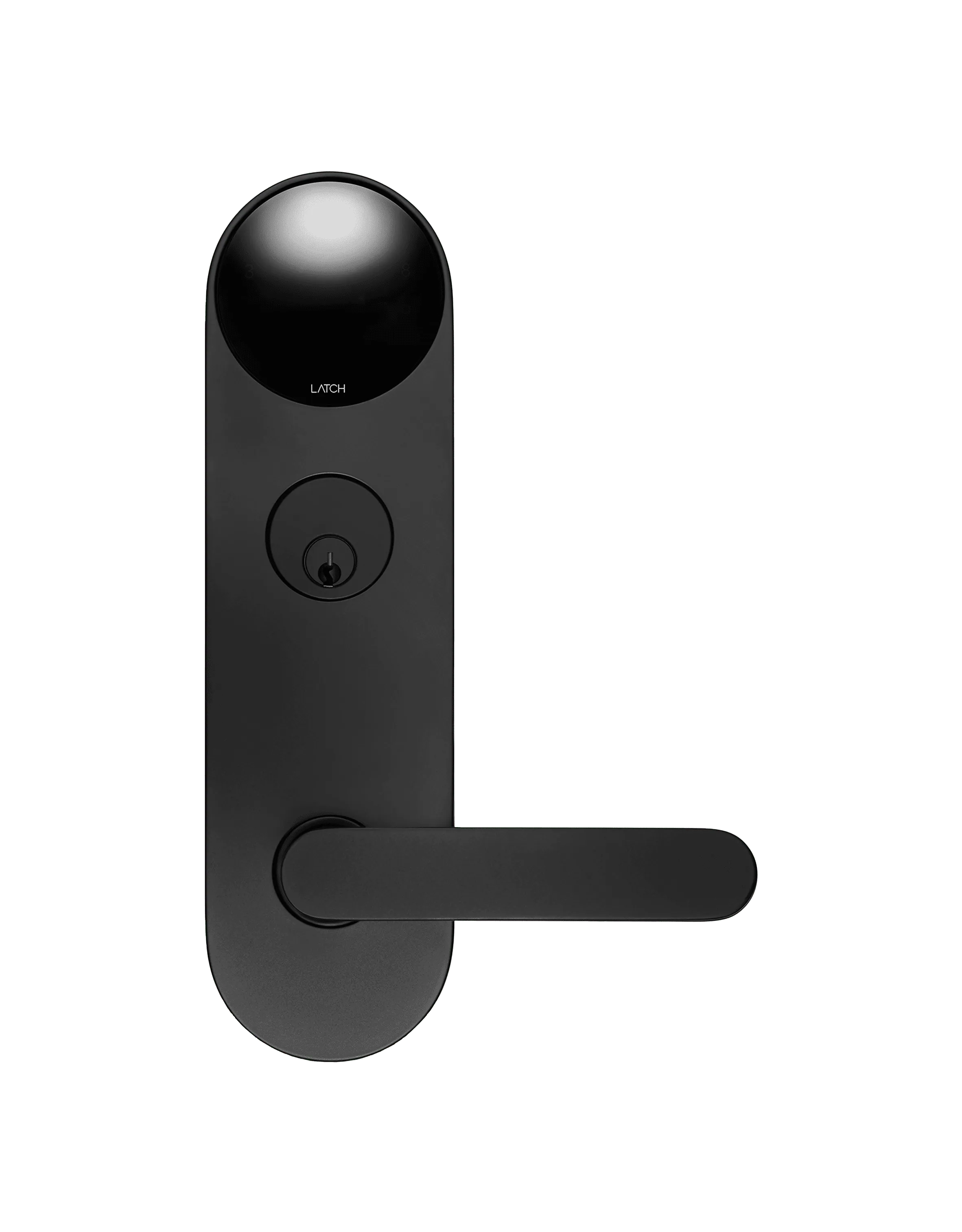
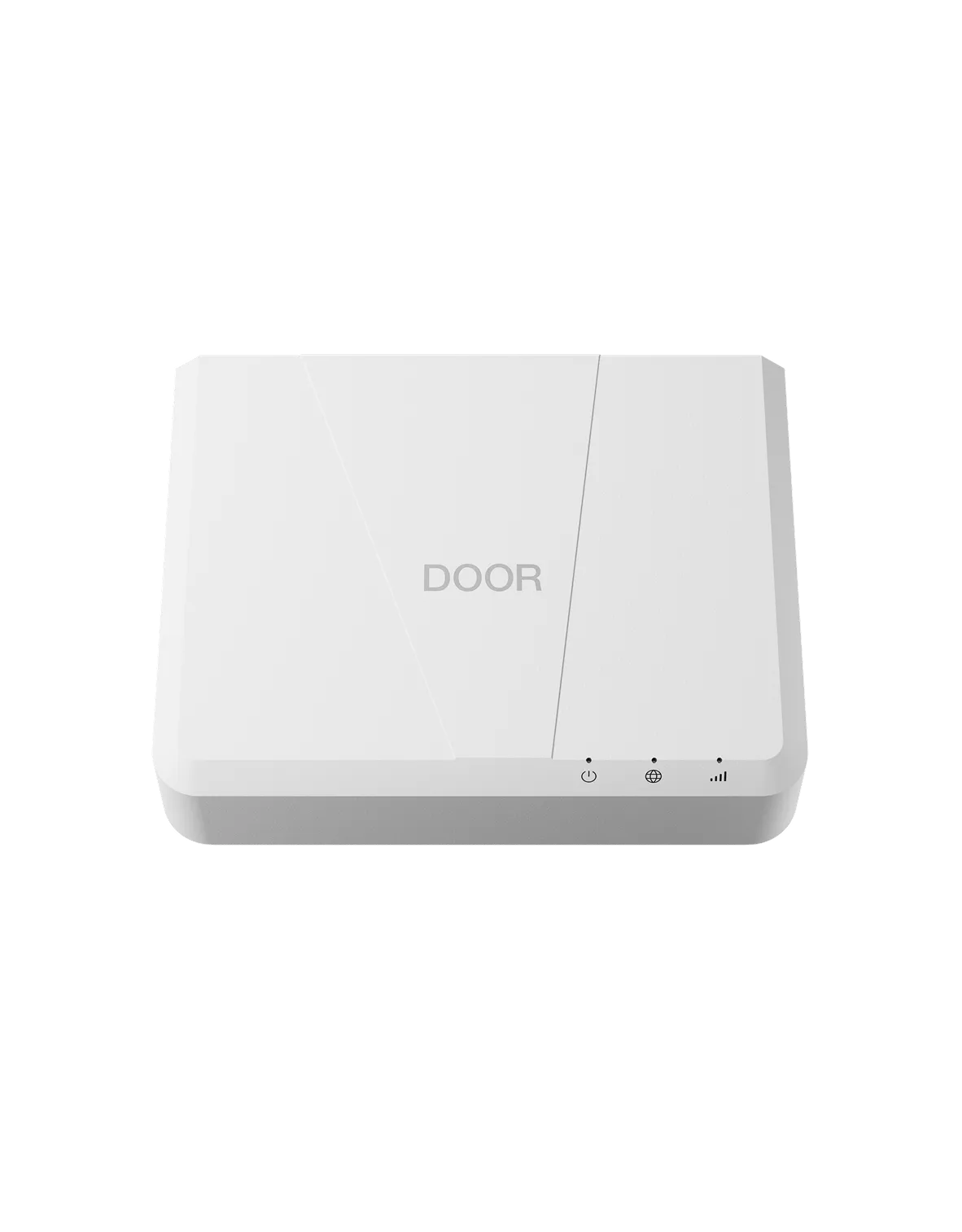
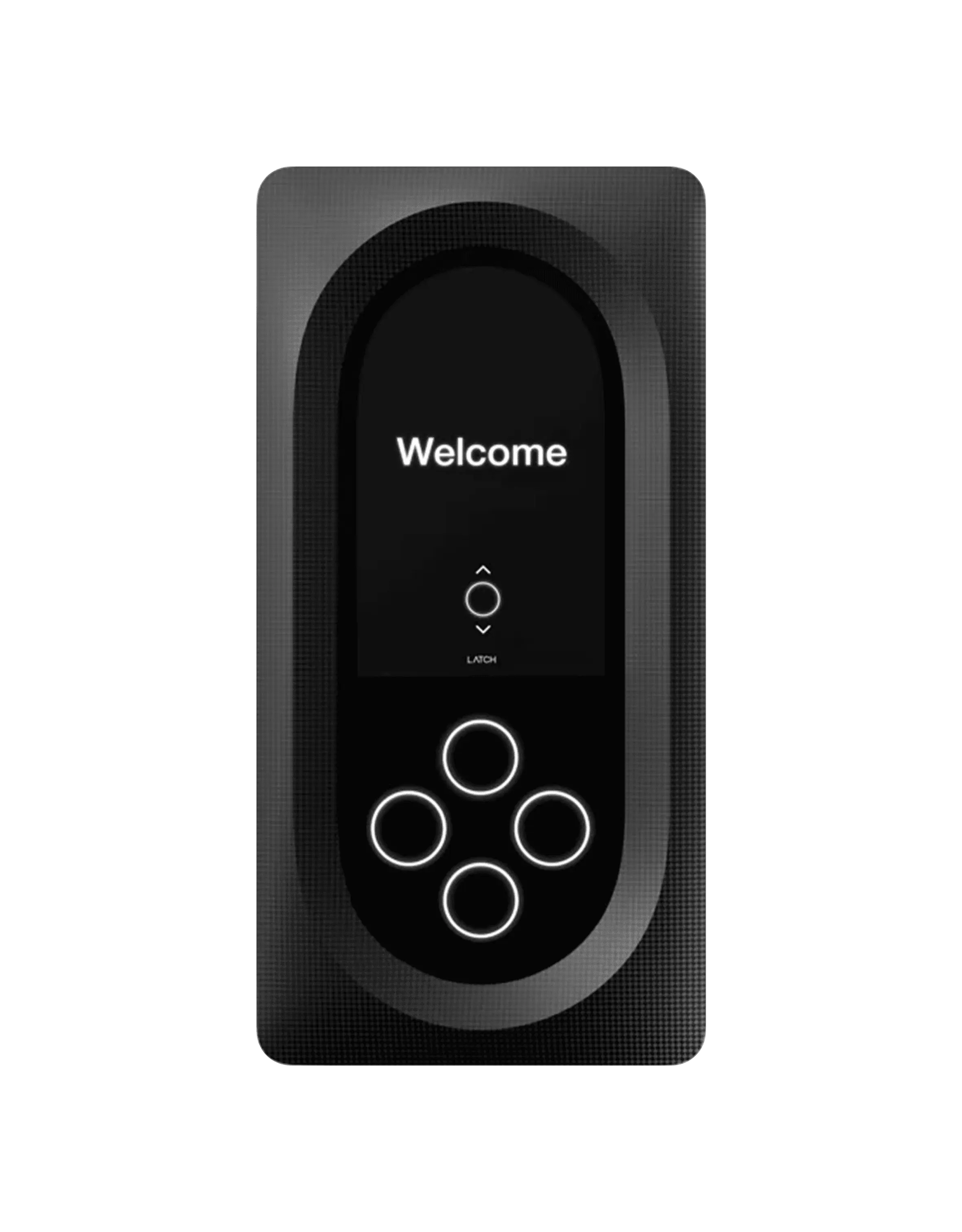
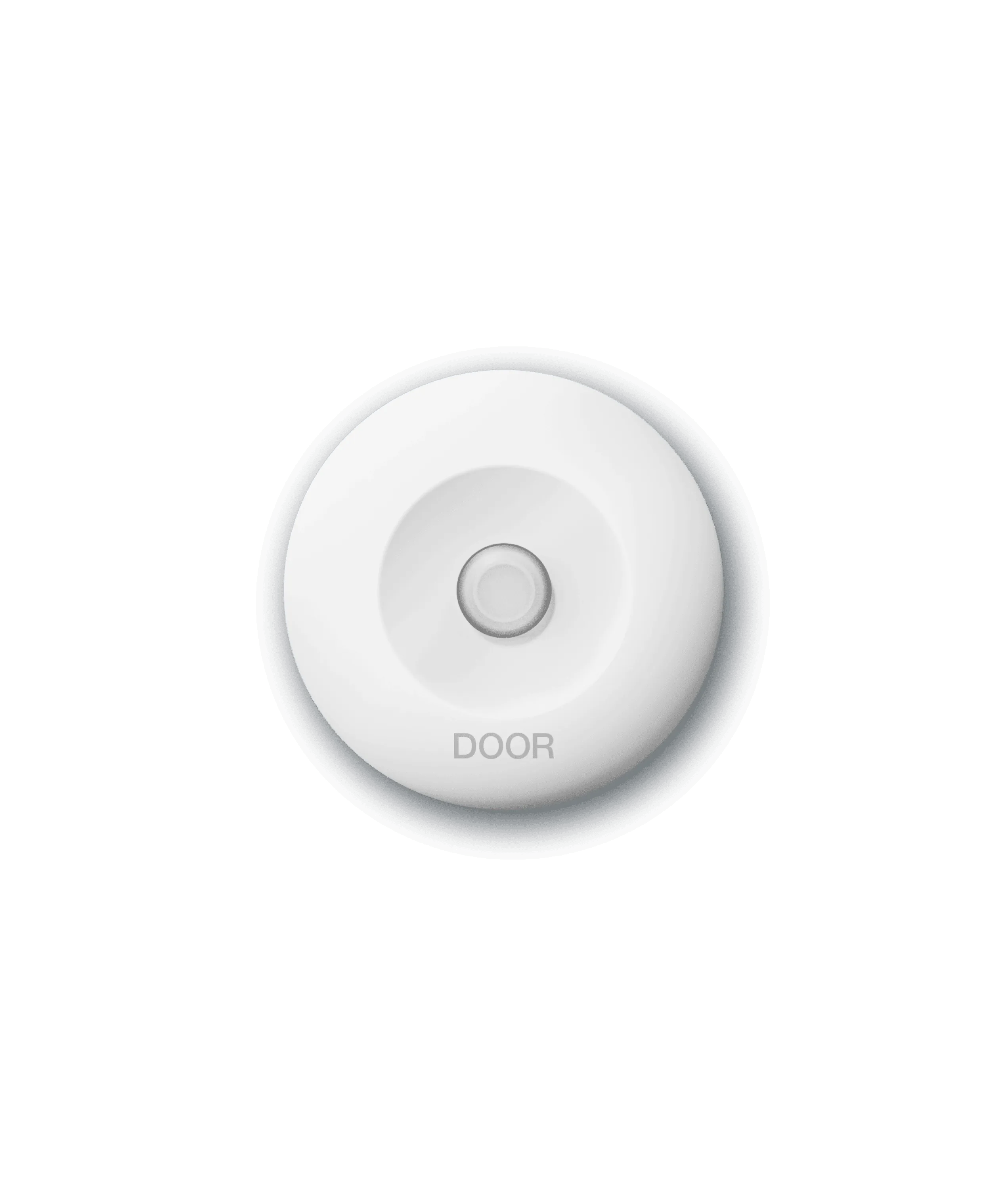
DOOR was built around this shift. By unifying hardware, software, and automation into a single platform, it replaces the fragmented stack that many properties rely on today.
Instead of managing separate systems for access, smart devices, and operations, teams can work within one connected environment. This allows properties to automate routine workflows, reduce overhead, and gain real-time visibility into what is happening across their buildings.
The result is not just better security. It is a simpler, more scalable way to operate.
The Takeaway from ISC West
ISC West 2026 made one thing clear. The future of building security is not about adding more devices. It is about building better systems.
As the industry continues to evolve, unified platforms are becoming the foundation for how modern properties operate. Operators who move in this direction can reduce complexity, improve performance, and position their portfolios for long-term success.
The shift is already underway. The question is no longer if it will happen, but how quickly portfolios will adapt.
FAQs
What is building intelligence in multifamily properties?
Building intelligence is the integration of access control, smart devices, and property data into a unified system that enables real-time insights, automation, and proactive decision-making across a portfolio. It helps operators improve efficiency, reduce costs, and scale operations more effectively.
Why is access control important for building intelligence?
Access control is the foundation of building intelligence because it establishes digital identity across residents, staff, and vendors. Once identity is connected to access events, properties can automate workflows, improve security, and generate data that powers operational insights.
How does building intelligence improve property operations and ROI?
Building intelligence improves operations by enabling automation, reducing manual work, and providing real-time visibility across properties. This leads to increased efficiency, lower operating costs, reduced risk, and measurable gains in Net Operating Income (NOI).
.webp)



.webp)
.webp)
.webp)

