



Turn season in student housing compresses months of operational change into a few concentrated weeks. Entire buildings transition from one resident cohort to the next while maintenance, inspections, cleaning, vendor coordination, and leasing all happen simultaneously. What might be manageable over a quarter becomes intense when executed in days.
In this environment, access control is not simply about security. It directly impacts unit readiness, vendor efficiency, staff workload, and ultimately revenue timing.
When access systems are manual or fragmented, small breakdowns create cascading delays. When access is automated and centralized, turnover becomes structured, measurable, and repeatable.
Why Traditional Access Models Struggle in High-Churn Housing
Mechanical key systems were designed for stability, not rapid transition. During turn season, that limitation becomes obvious.
Rekeying requires coordination. Key exchanges require staffing. Lost keys introduce liability. Vendor access depends on in-person handoffs or unsecured temporary solutions. Each of these steps adds friction to an already compressed timeline.
In student housing, where hundreds or thousands of leases may flip within weeks, even minor inefficiencies compound. A delayed rekey can postpone cleaning. A missed credential removal can create security risk. A vendor waiting outside a unit disrupts the schedule for every team that follows.
These are not isolated inconveniences. They directly affect move-in readiness and resident experience.
What Modern Student Housing Access Control Should Deliver
Access infrastructure in high-turn environments must be built around predictability and automation. The most effective systems share several characteristics.
Lease-Linked Credential Automation
Access permissions should align automatically with lease data. When a lease ends, credentials expire without manual action. When a new lease begins, residents receive access before arrival.
This eliminates bulk key exchanges and reduces the operational strain placed on on-site teams during peak periods. It also creates a documented audit trail of credential activity, which supports compliance and risk management.
Mobile-First Resident Access
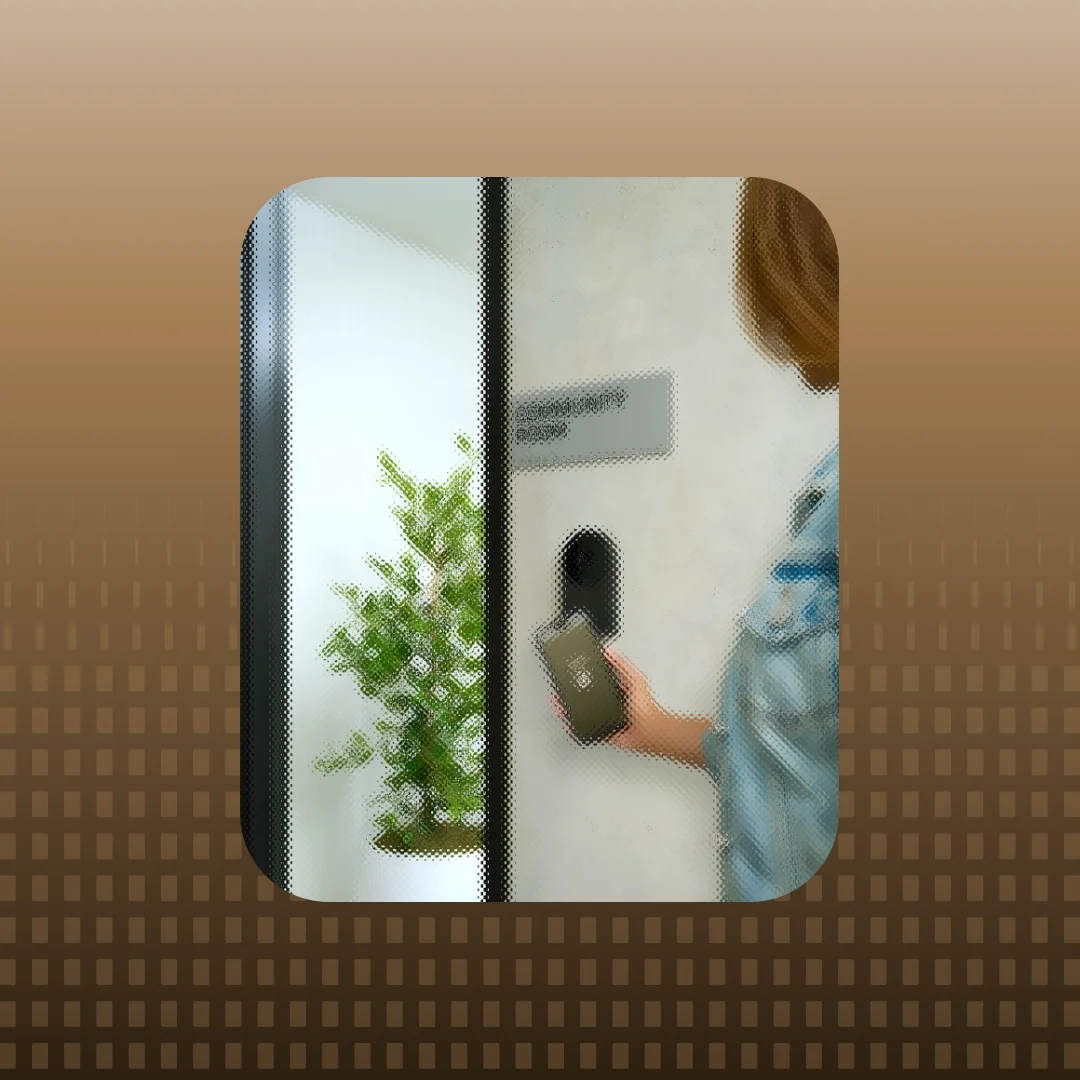
Students expect digital experiences that mirror the rest of their daily life. Mobile credentials reduce front desk congestion, eliminate the stress of misplaced keys, and allow distributed move-in flows rather than centralized bottlenecks.
More importantly, mobile access simplifies roommate transitions and mid-cycle changes, which are common in student housing environments.

Structured Vendor and Maintenance Access
Turn season requires coordinated entry for cleaning crews, painters, inspectors, maintenance technicians, and contractors. Access should be temporary, role-based, and time-bound, with automatic expiration.
When vendor credentials are scheduled and auditable, teams no longer rely on spare keys or improvised workarounds. Oversight improves, and accountability becomes transparent.
Centralized Portfolio Visibility
Regional directors and student housing leaders often oversee multiple campuses or properties simultaneously. Access control systems should provide:
- Real-time credential status
- Vacancy tracking
- Audit logs across buildings
- Standardized reporting during turn
When access data is centralized, leadership can identify delays early and intervene before timelines slip.
The Operational Impact During Turn Season
Access control directly influences how quickly units move from vacant to ready.
Automated credential revocation prevents former residents from retaining entry privileges. Scheduled vendor access reduces coordination time. Digital credentials remove the need for locksmith scheduling and bulk rekeying. Centralized dashboards reduce manual reporting.
The result is measurable operational impact:
- Shorter unit readiness cycles
- Reduced rekeying costs
- Lower front desk workload
- Improved vendor coordination
- Stronger compliance documentation
In student housing, where lease turnover is predictable and intense, structured access infrastructure transforms operational strain into controlled execution.
Moving From Access Control to Building Intelligence
Modern access control systems generate valuable operational signals. Every credential activation, expiration, and entry event contributes to a broader picture of building activity.
When this information integrates with property management systems, it supports coordinated workflows such as:
- Automated move-out credential revocation
- Vendor access aligned to assigned work orders
- Maintenance dispatch validation
- Amenity access controls during transition
This is where access control becomes more than a security layer. It becomes a coordination layer across teams, vendors, and leadership.
For student housing operators managing repeatable annual turnover cycles, this shift creates consistency year over year.
Student Housing Access Control FAQs
How does access control improve turn season efficiency?
By tying credentials to lease dates and automating activation and expiration, teams eliminate manual key exchanges and reduce coordination delays.
Can vendors receive temporary access during turnover?
Yes. Modern systems support scheduled, role-based credentials with automatic expiration and full audit tracking.
Does digital access reduce rekeying costs?
Yes. Mobile credentials and digital permissions eliminate large-scale rekeying during move-outs and move-ins.
Can regional leaders monitor multiple campuses?
Cloud-based access platforms provide centralized dashboards, allowing portfolio-level visibility across properties.
Evaluating Access Control Solutions for Student Housing
When assessing platforms, operators typically prioritize:
- Lease-based credential automation
- PMS integrations
- Mobile credential support
- Vendor access scheduling
- Portfolio-level visibility
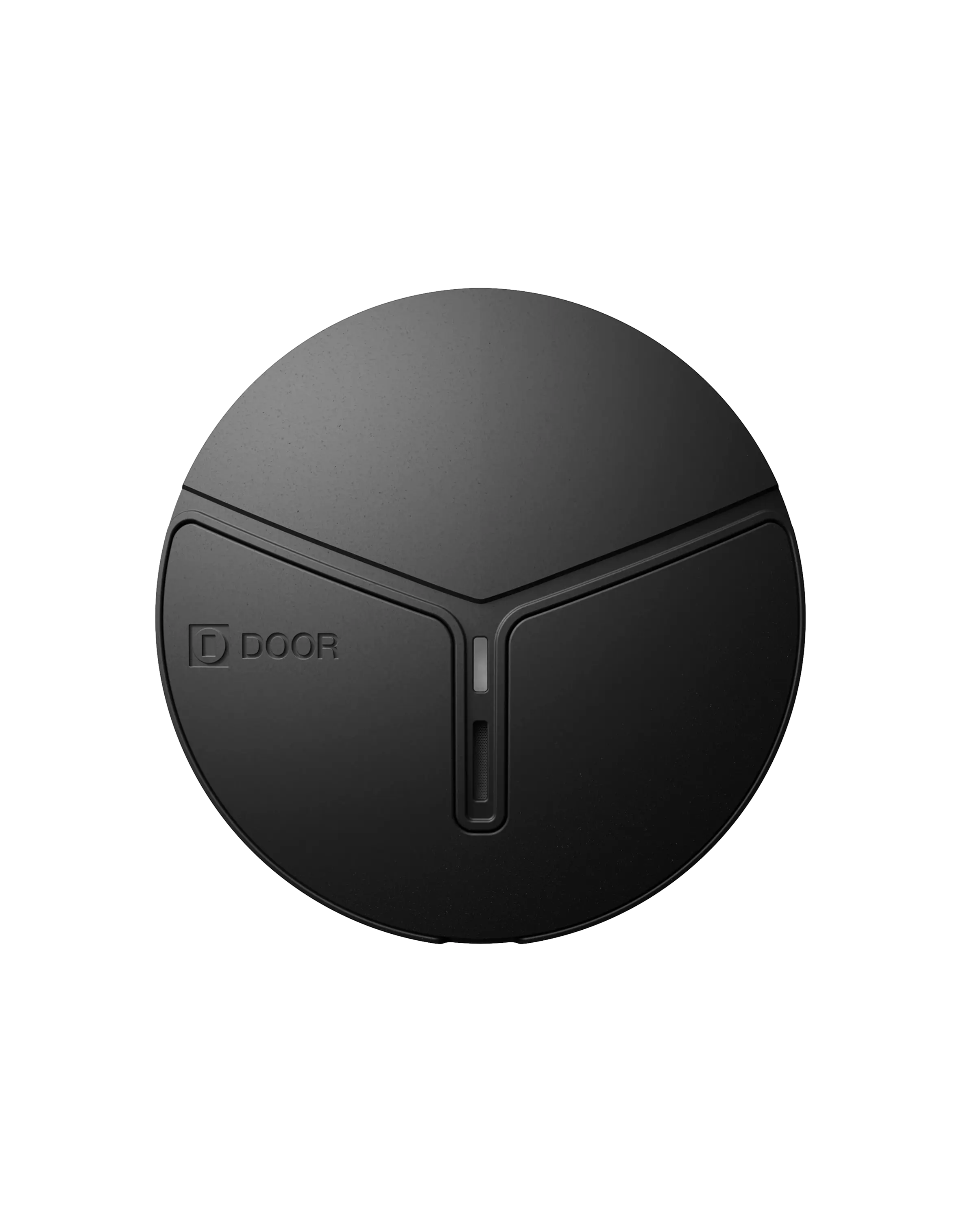
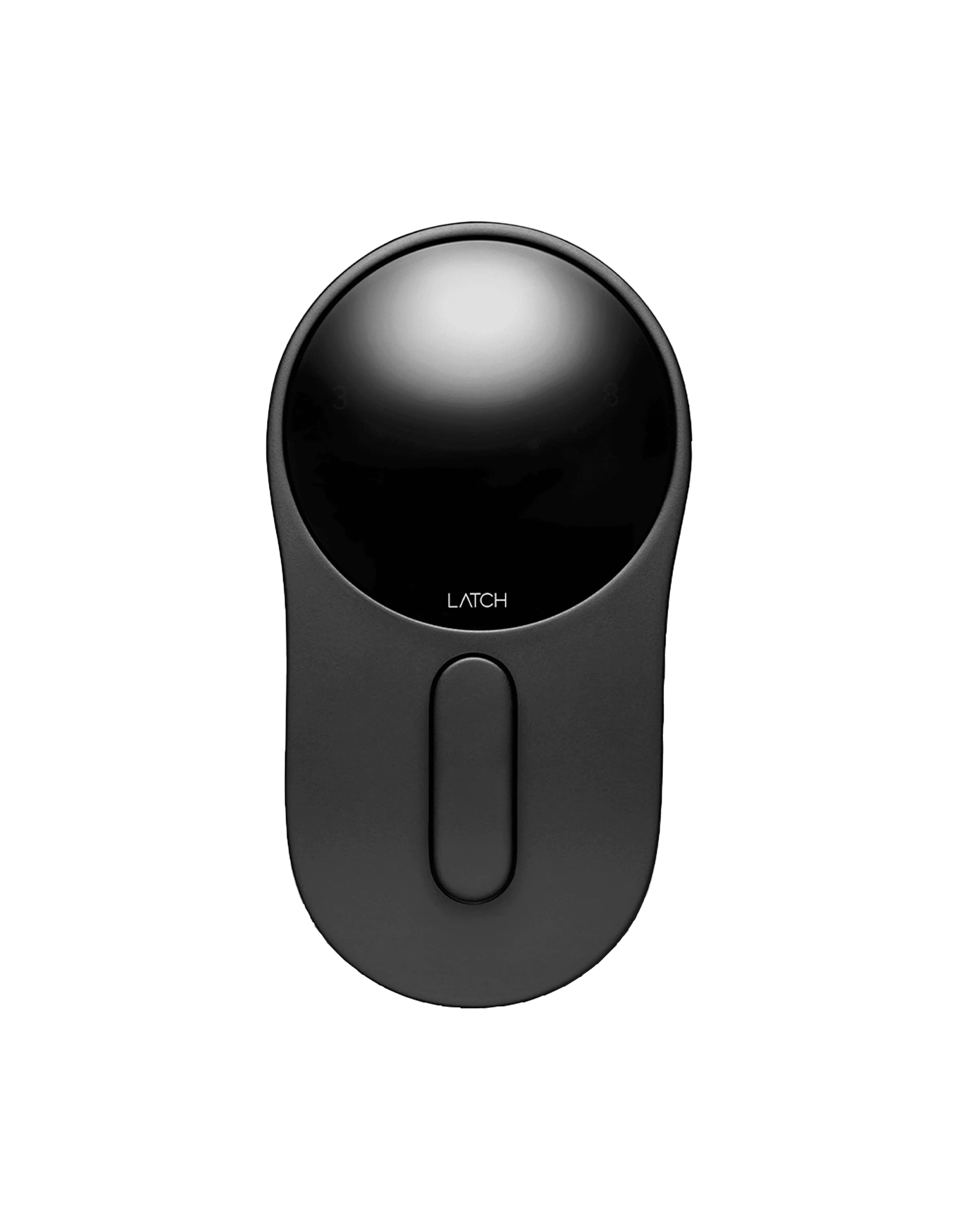
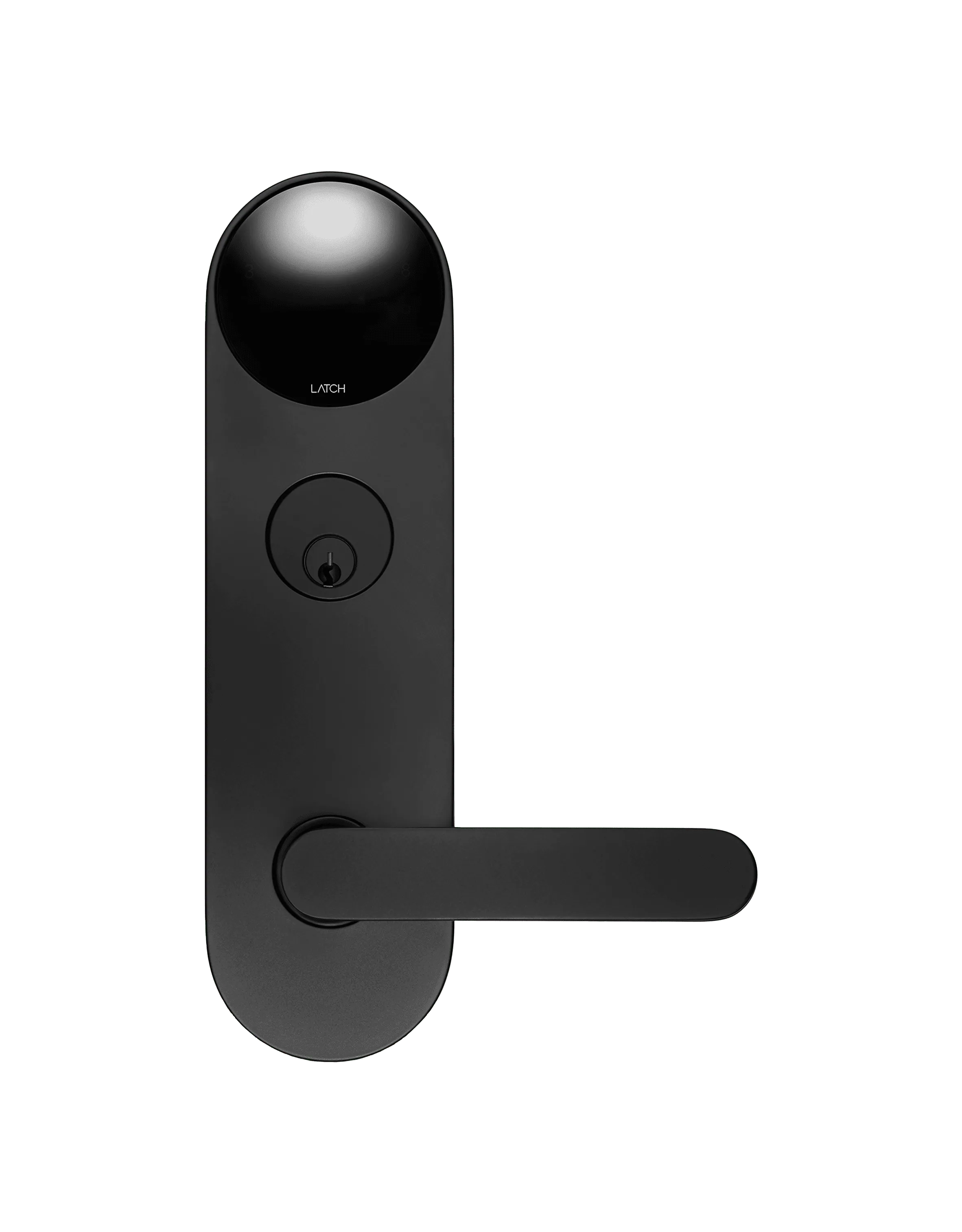
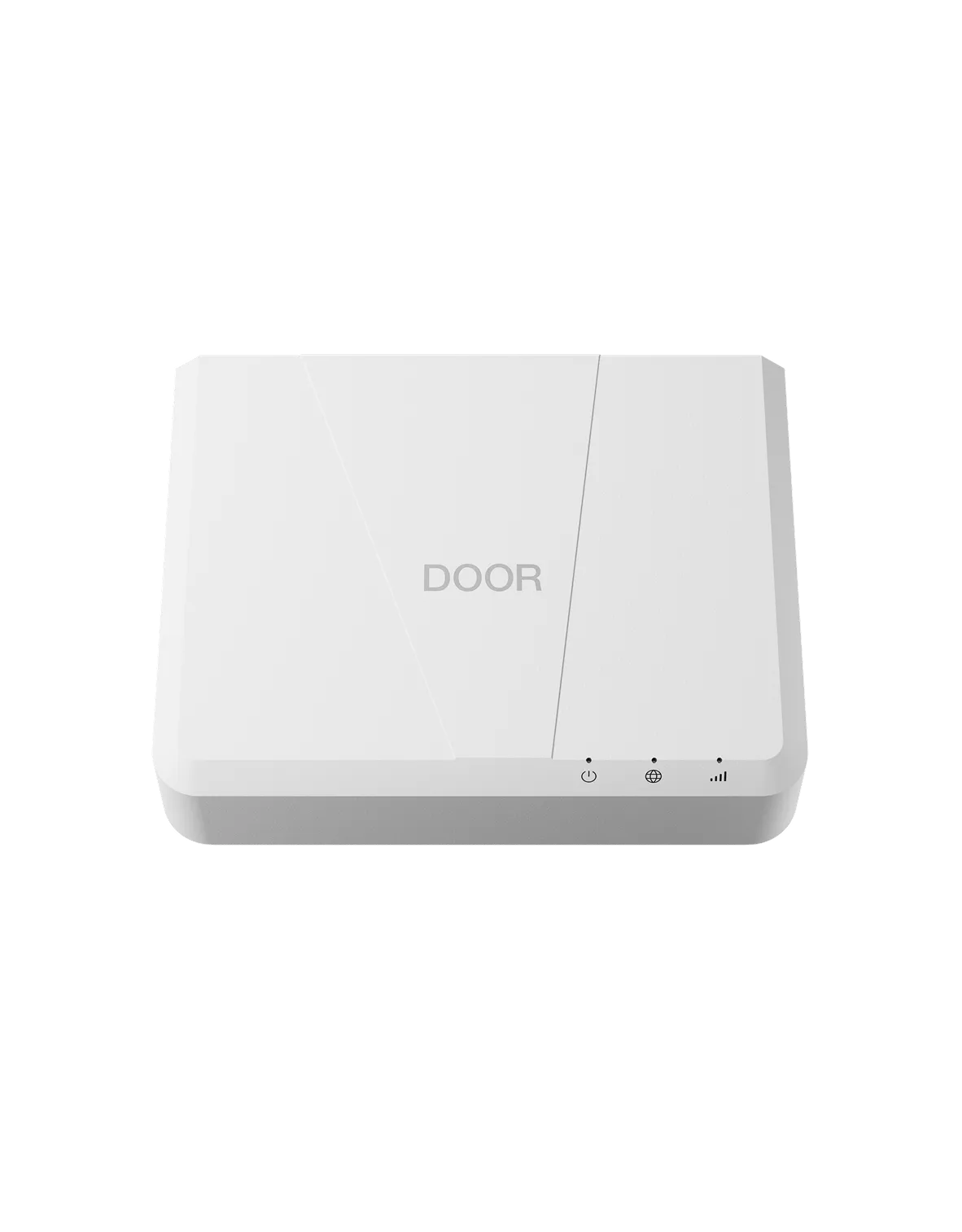
- Hardware designed specifically for multifamily environments
Solutions that unify these capabilities reduce friction during high-churn periods and create standardized workflows that scale across campuses.
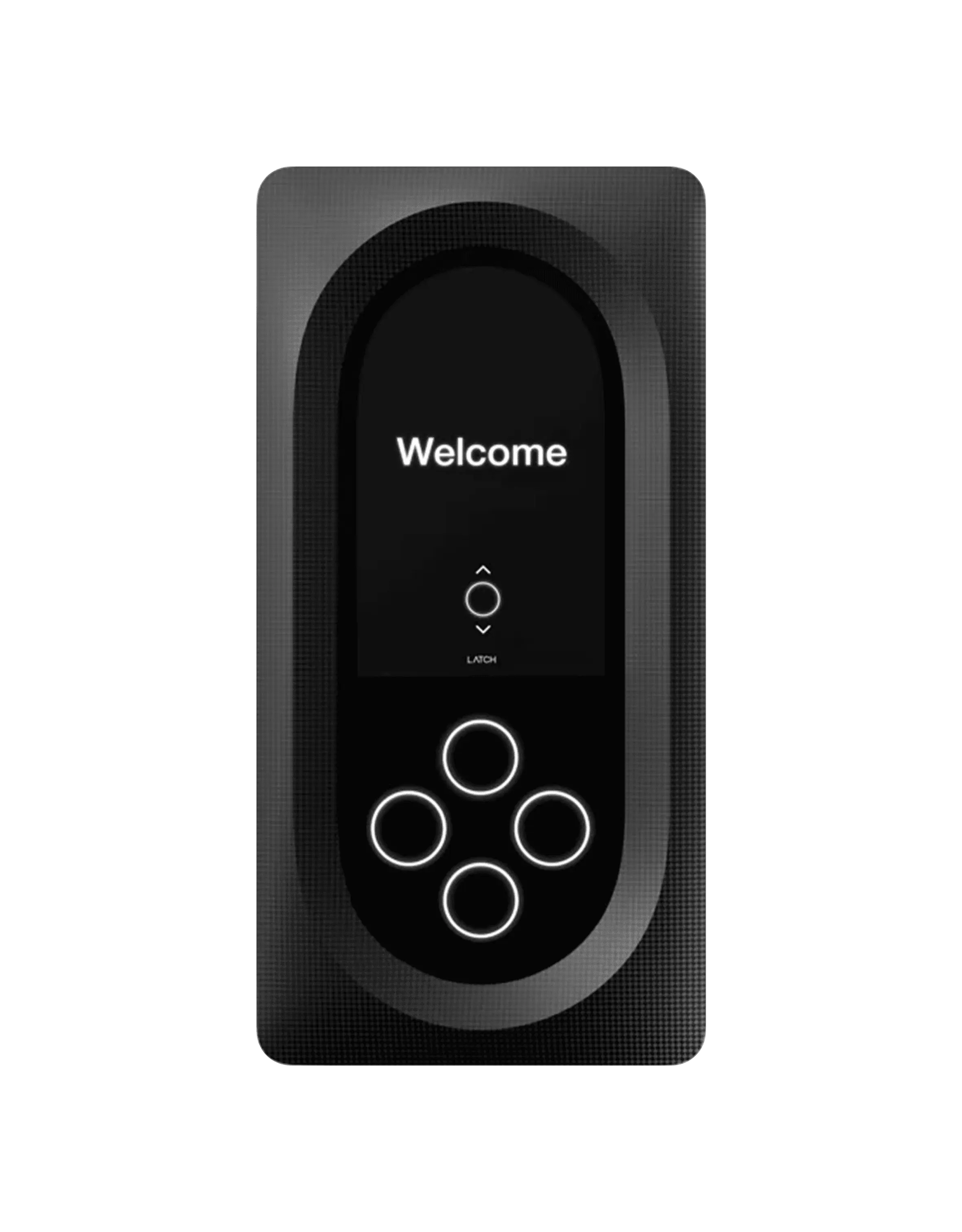
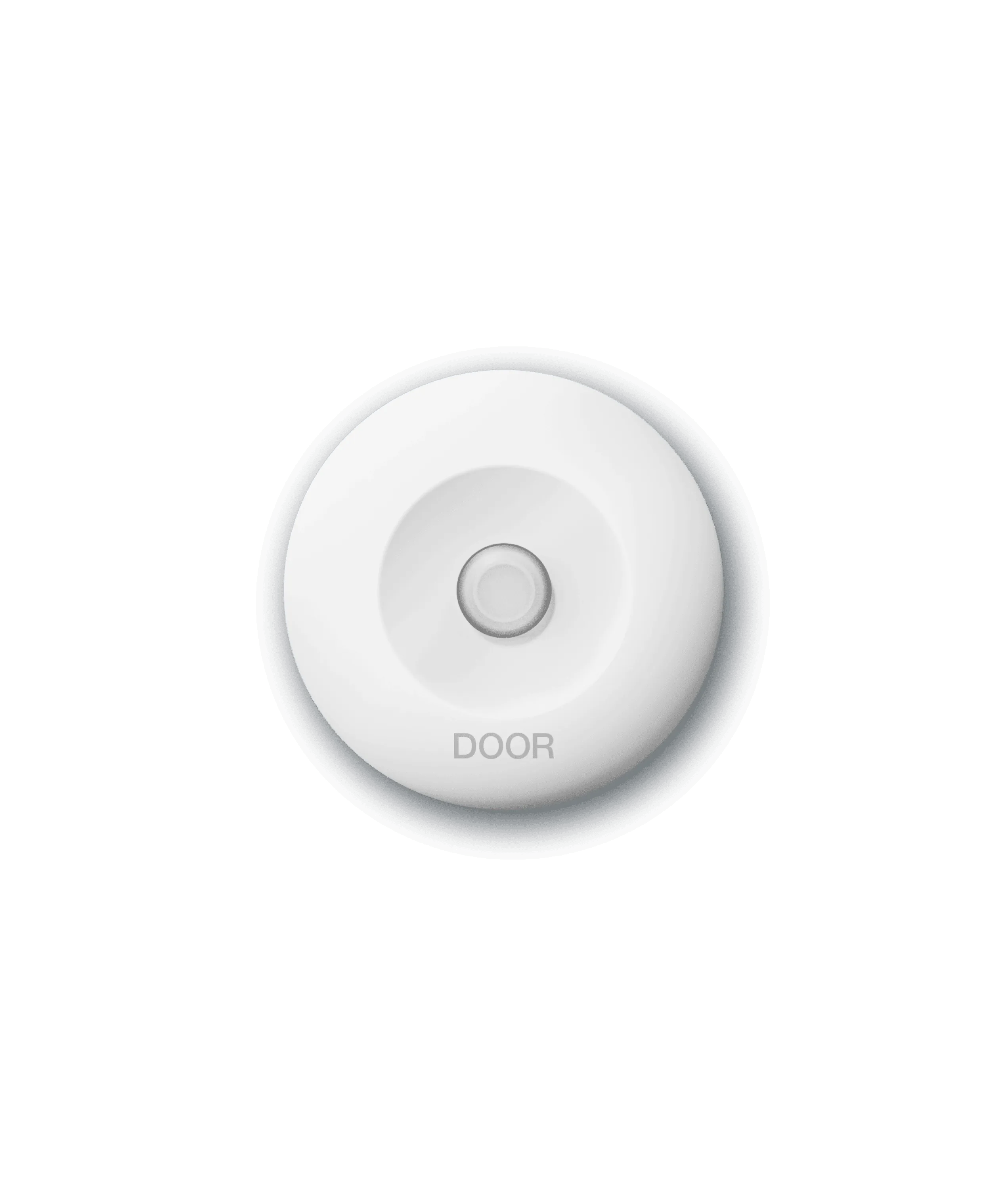
Platforms purpose-built for multifamily housing connect hardware, software, and automation into a single operational layer. DOOR is designed around this model, supporting student housing teams with automated access control, centralized visibility, and workflows aligned to the realities of turn season.
Turn season does not need to feel unpredictable. With structured access infrastructure in place, it becomes repeatable, measurable, and significantly less stressful for every team involved.
.webp)



.webp)

.webp)
.webp)

