


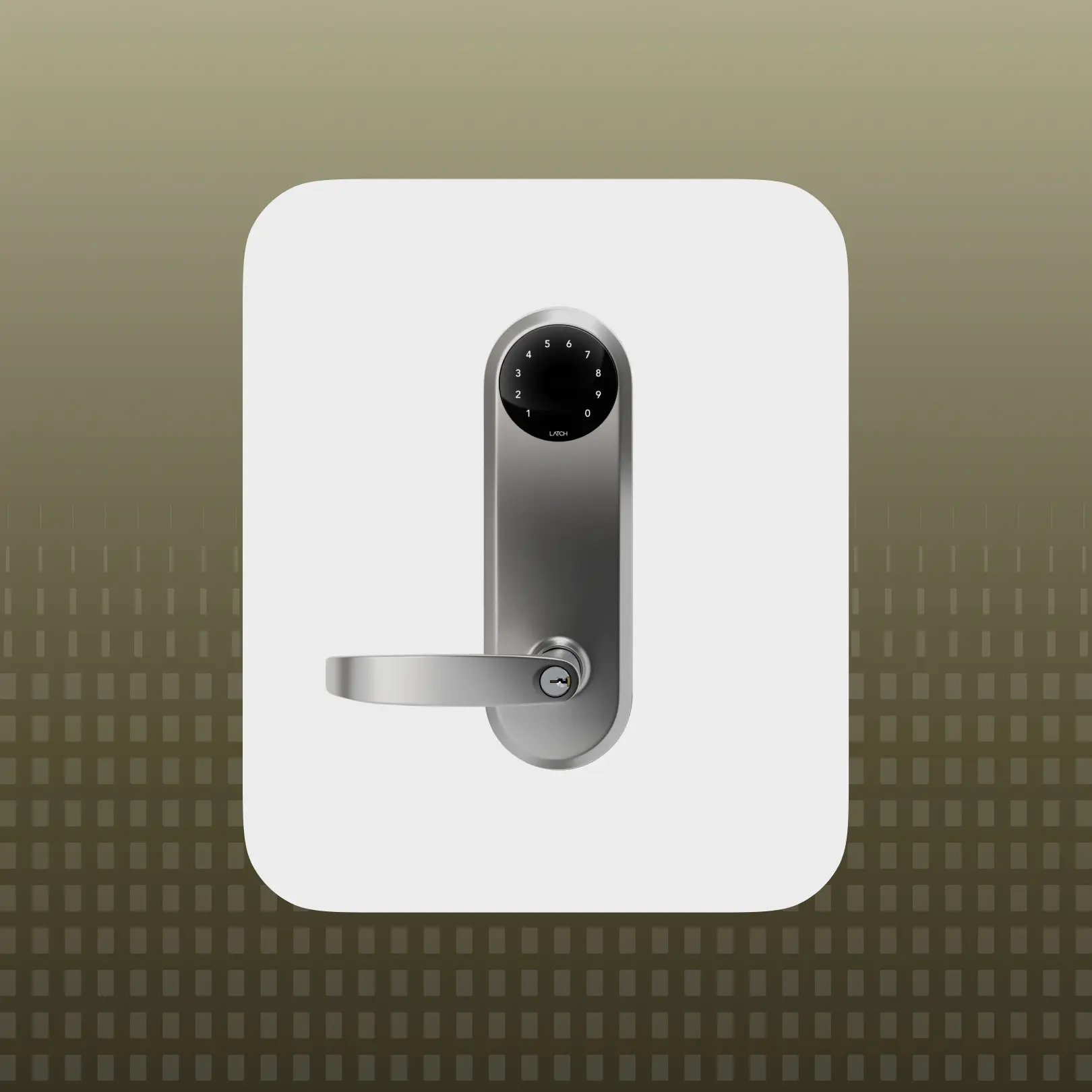
Property management costs are rising across every category. Insurance premiums continue to increase due to claims and risk exposure. Energy costs remain volatile, especially across large multifamily portfolios where vacant units and inefficient systems can drive unnecessary spend. At the same time, labor constraints and rising vendor rates are putting additional pressure on operating budgets.
Most operators respond by optimizing contracts, reducing overhead, or implementing energy-efficient upgrades. These strategies help, but they often overlook one of the most consistent and preventable cost drivers in property management.
Service calls.
Lockouts, lost keys, vendor access coordination, and after-hours entry requests can create a steady stream of operational interruptions. Each event may seem minor, but across a portfolio, they compound into measurable costs tied to labor, delays, and resident dissatisfaction.
Smart locks address this directly. Not by replacing property managers, but by removing the repetitive work that drives unnecessary service volume and operational drag.
Why Service Calls Are a Hidden Cost Driver in Property Management
Property managers are not measured by how many service calls they handle. They are measured by how efficiently their properties operate.
The challenge is that access-related service calls can be both frequent and difficult to eliminate with traditional systems. Lockouts, key replacements, and vendor coordination often require manual intervention, which pulls staff away from higher-value work.
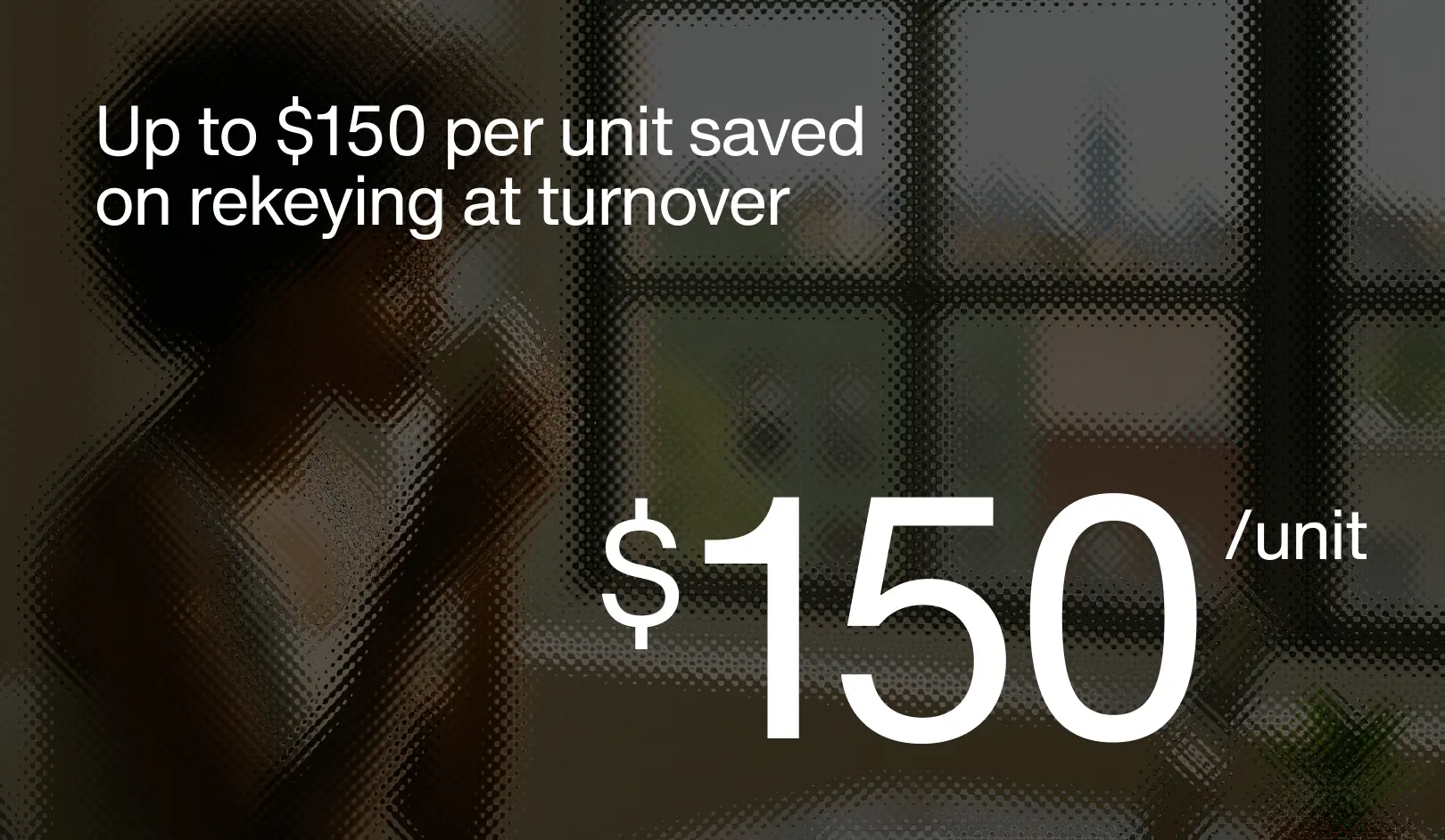
There is also a direct financial impact. Rekeying alone can cost up to $150 per unit, and that cost can repeat multiple times per year depending on turnover and lost keys. When layered with labor time and coordination, the total cost is significantly higher than it appears on the surface.
In addition, delays tied to access can slow down maintenance and unit turns. A vendor waiting for entry or a technician rescheduling a visit introduces inefficiency that affects both cost and resident experience.
Over time, these small inefficiencies can materially impact operating expenses and Net Operating Income.
How Smart Locks Reduce Property Management Costs
Smart locks reduce property management costs by shifting access from a manual process to a controlled, digital system.
Instead of coordinating keys, scheduling handoffs, or responding reactively to lockouts, property teams can manage access remotely and in real time. Credentials can be issued instantly, adjusted as needed, and revoked without requiring physical changes to the lock.
This is where automation begins to play a role. Even without fully automated workflows, smart locks can integrate into broader operational processes. Access can be aligned with leasing activity, including move-in and move-out, maintenance scheduling, or vendor coordination, reducing the need for manual follow-up and communication.
The result is fewer service calls, faster resolution times, and a more predictable operating environment.
Just as important, it creates a foundation for scaling operations without increasing headcount. As portfolios grow, access management does not need to grow with them.
Where Smart Locks Deliver the Most Cost Savings
The value of smart locks becomes clear when applied to the workflows that drive the most operational friction.
Lockouts and After-Hours Calls
Lockouts can account for a meaningful share of service requests, particularly after hours. These incidents often require immediate attention and can lead to overtime labor or third-party locksmith costs.
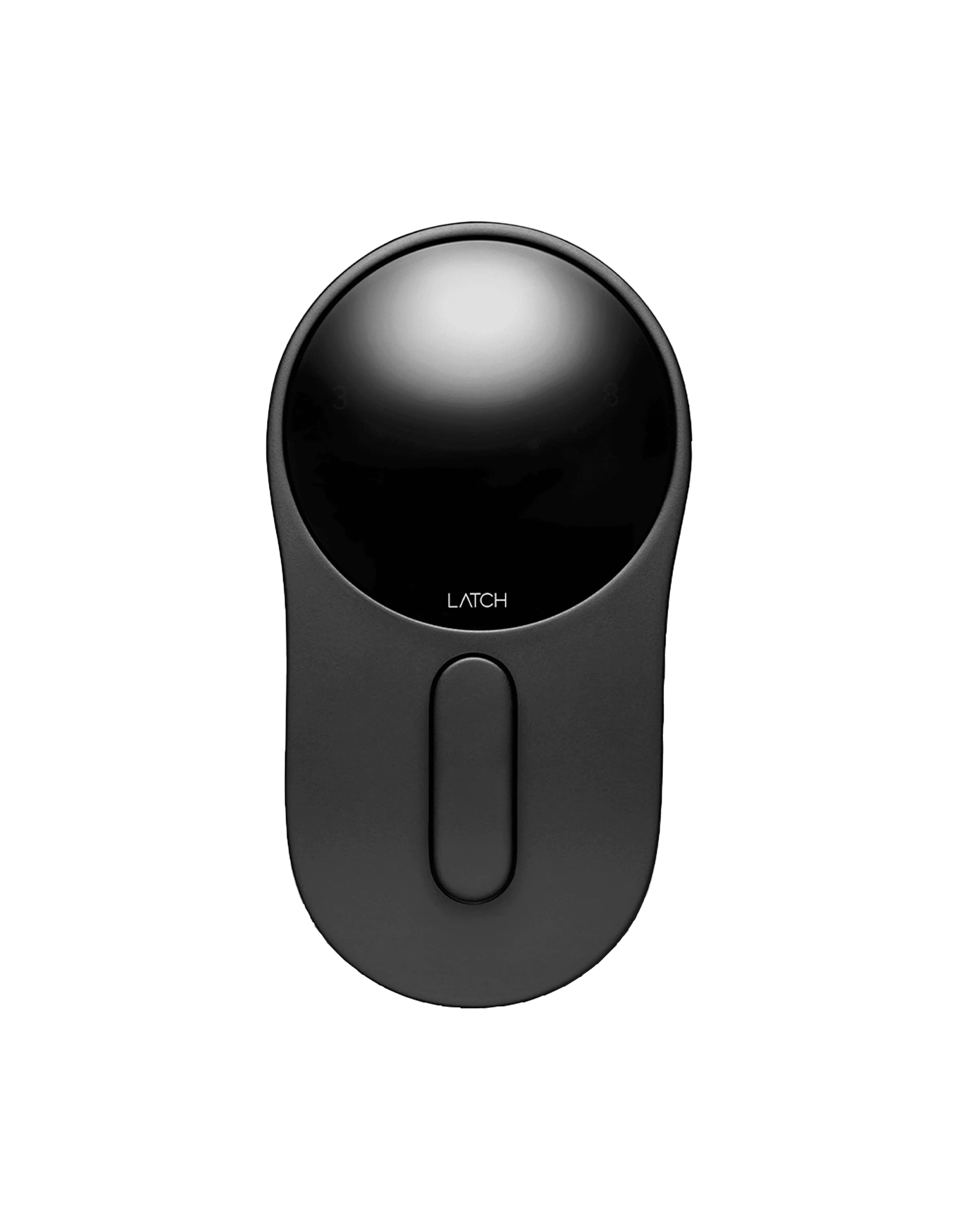
Smart locks allow residents to regain access through mobile credentials or secure backup methods. Property teams can also assist remotely when needed. This can reduce both emergency service calls and associated labor costs.
Rekeying and Key Management
Traditional key systems require physical rekeying whenever keys are lost or residents move out. At up to $150 per occurrence, this becomes a recurring and avoidable expense.
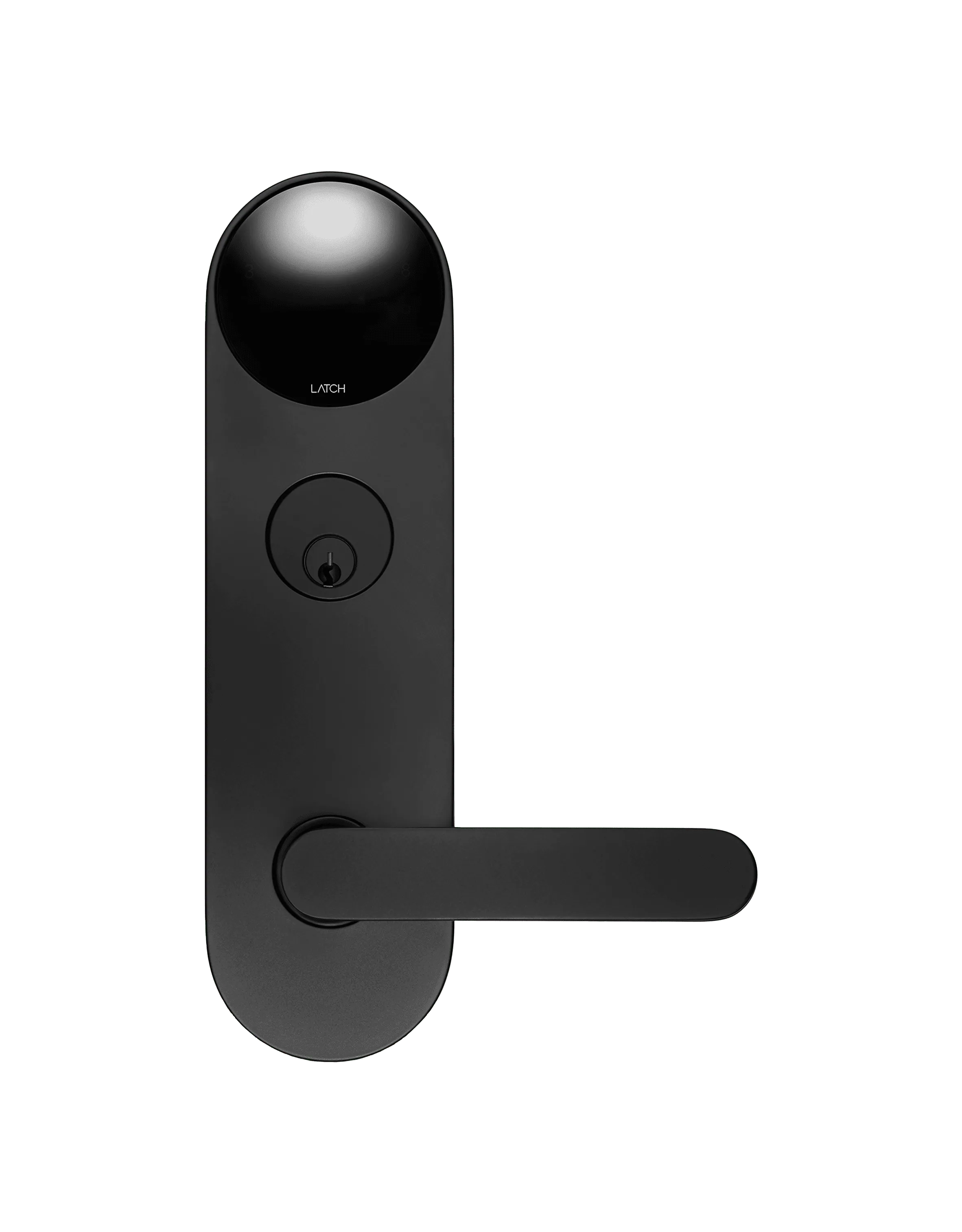
Smart locks eliminate the need for rekeying by allowing access to be updated digitally. Credentials can be revoked instantly and reassigned without hardware changes, reducing both direct costs and administrative overhead.
Vendor and Maintenance Access
Coordinating vendor access can create delays and additional labor. Staff may need to be on-site to grant entry or manage key exchanges, which slows down maintenance workflows.
With smart locks, vendors can be issued time-bound access tied to specific units or areas. They can complete work independently, and access is automatically removed once the job is done.
This can shorten maintenance cycles, reduce coordination effort, and improve overall efficiency.
Unit Turns and Leasing Operations
Turnover periods often require tight coordination between multiple teams. Access delays can slow down cleaning, inspections, and leasing readiness.
Smart locks streamline this process by allowing different stakeholders to access units as needed without manual scheduling. This can help reduce vacancy downtime and support faster lease-up, which directly impacts revenue and cash flow.
How to Reduce Expenses in Property Management
Reducing property management costs is less about cutting services and more about improving how operations are executed.
The most effective strategies focus on eliminating repetitive tasks, reducing manual coordination, and improving visibility across the portfolio. This includes standardizing workflows, leveraging centralized systems, and minimizing reliance on third-party interventions for routine issues.
Smart locks contribute to this by removing one of the most manual and frequent operational tasks. When access is simplified, many downstream inefficiencies are reduced as well.
What Does the 80/20 Rule Mean in Property Management
The 80/20 rule suggests that a small percentage of issues can drive the majority of operational effort and cost.
In property management, recurring issues like lockouts, access coordination, and maintenance entry often fall into that high-impact category. Addressing these areas can have a disproportionate effect on overall efficiency.
Smart locks directly target one of these high-frequency cost drivers. From a total cost of ownership perspective, reducing recurring service calls and eliminating rekeying can generate measurable ROI over time, especially across large portfolios.
What Are the 5 P’s of Property Management
The 5 P’s of property management are commonly defined as people, property, processes, performance, and profit.
Smart locks support each of these areas in practical ways. They simplify access for residents and staff, protect the property through controlled entry, streamline processes by reducing manual coordination, improve performance through faster operations, and contribute to profit by lowering operational costs.
What Is the 50% Rule in Rental Property
The 50% rule is a guideline used by property owners to estimate operating expenses, suggesting that roughly half of rental income may go toward expenses.
While actual numbers vary, the principle highlights how significant operational costs can be. Even modest reductions in recurring expenses can meaningfully improve margins.
Smart locks contribute by reducing maintenance-related costs, lowering service call volume, and improving operational efficiency.
Smart Locks as Part of a Broader Cost Reduction Strategy
Smart locks are most effective when viewed as part of a broader operational strategy.
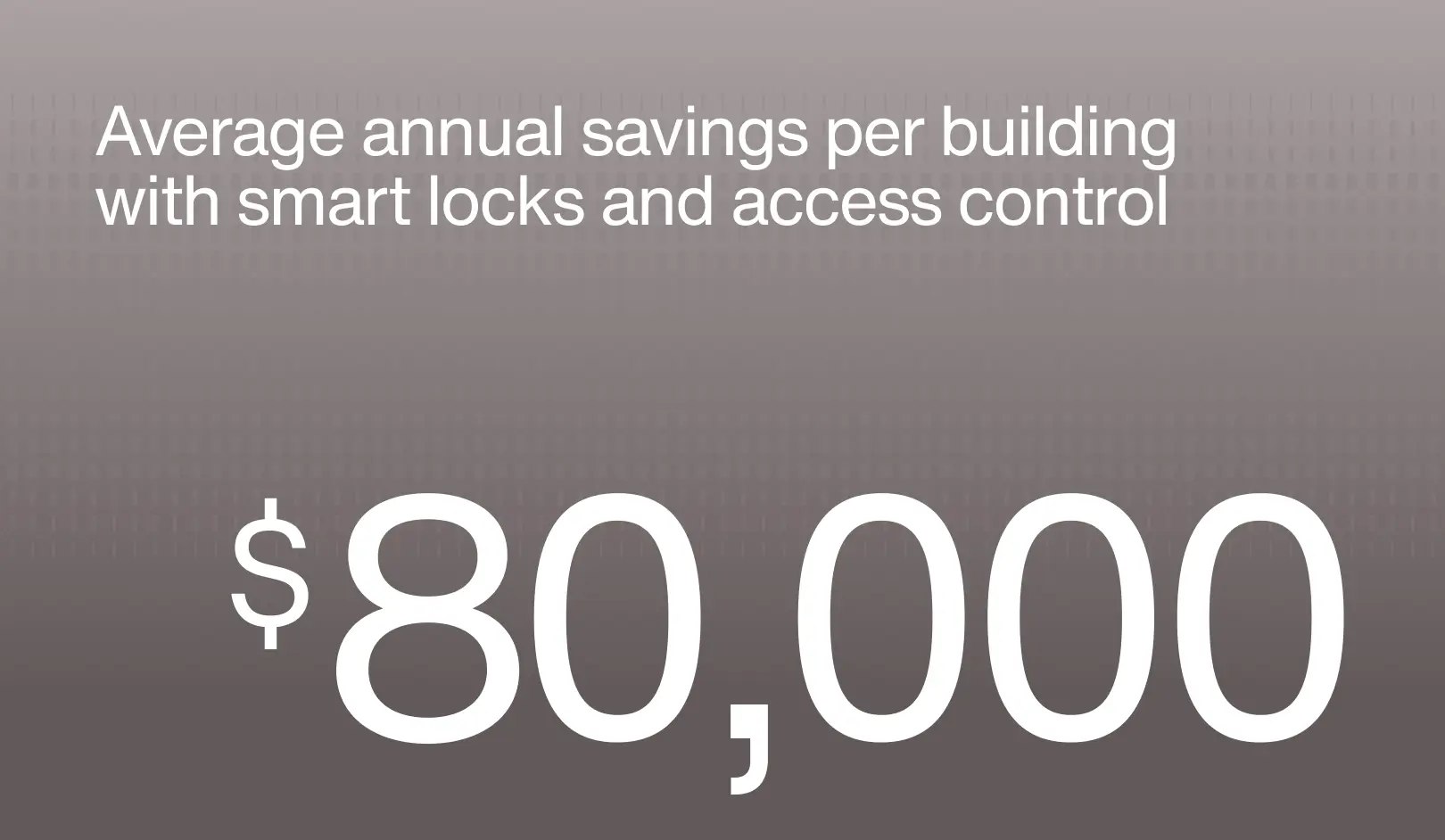
When combined with other technologies like smart thermostats, centralized platforms, and property management software, they contribute to a more efficient and responsive system. According to Parks Associates, buildings with smart locks and access control realize an average annual savings of $80,000 per building. Access, maintenance, and energy management can begin to align, reducing waste and improving consistency.
For example, access control can support energy strategies by enabling better management of vacant units, while also reducing risk that can influence insurance exposure. These connections are what turn isolated cost savings into sustained, high impact operational improvements.
Supporting Property Managers, Not Replacing Them
Technology should reduce workload, not replace expertise. Property managers remain central to resident experience, leasing performance, and operational decision-making, and those responsibilities cannot be automated.
What can change is how much time is spent on repetitive coordination and reactive tasks. Access-related issues such as lockouts, key handoffs, and vendor scheduling can consume a meaningful portion of a team’s day. By simplifying and digitizing these processes, smart locks reduce the volume of interruptions that can pull teams away from more strategic work.
This shift allows property managers to focus on higher-impact priorities like resident satisfaction, retention, and portfolio performance. Rather than replacing roles, technology strengthens them by removing friction from daily operations.
Why DOOR
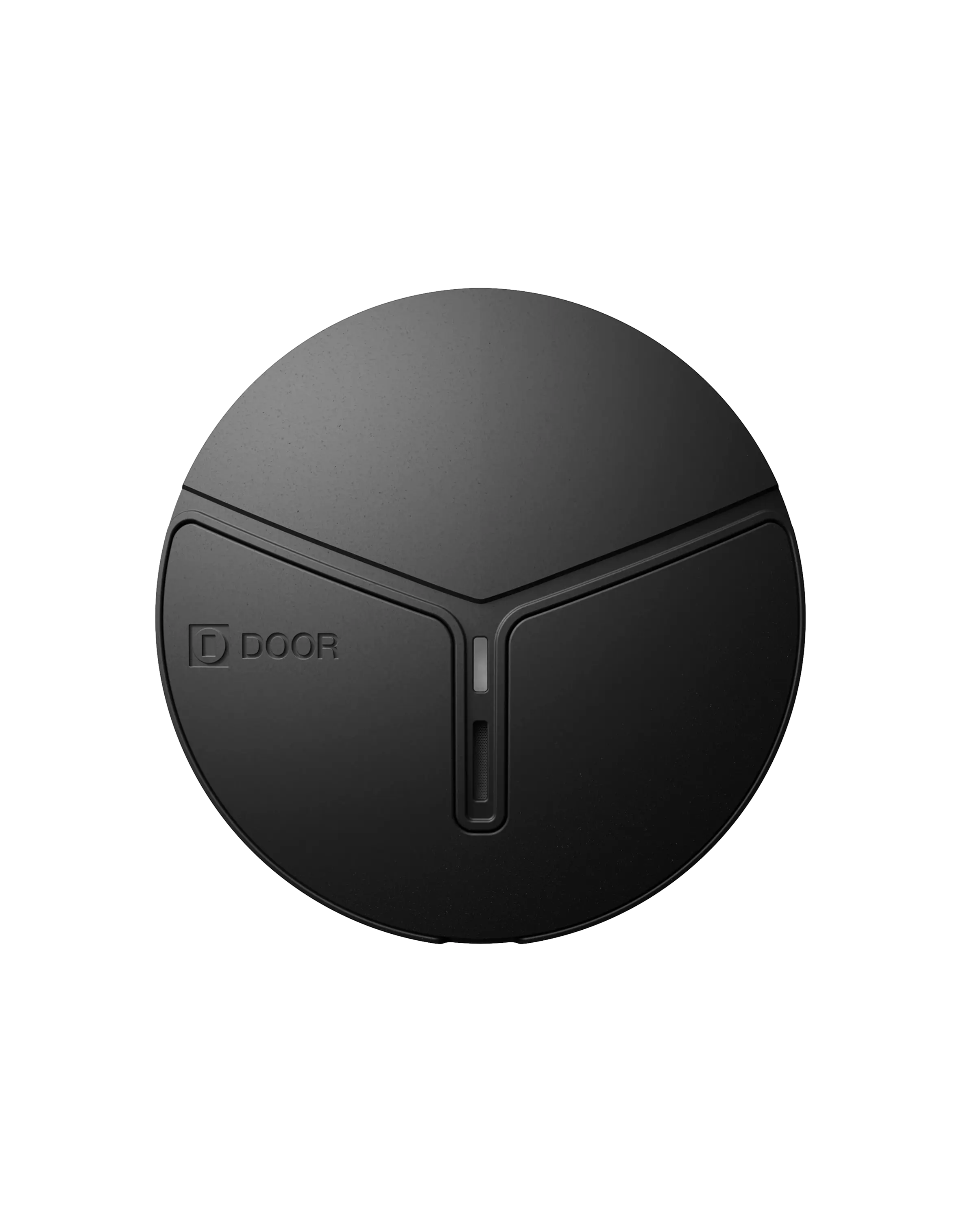
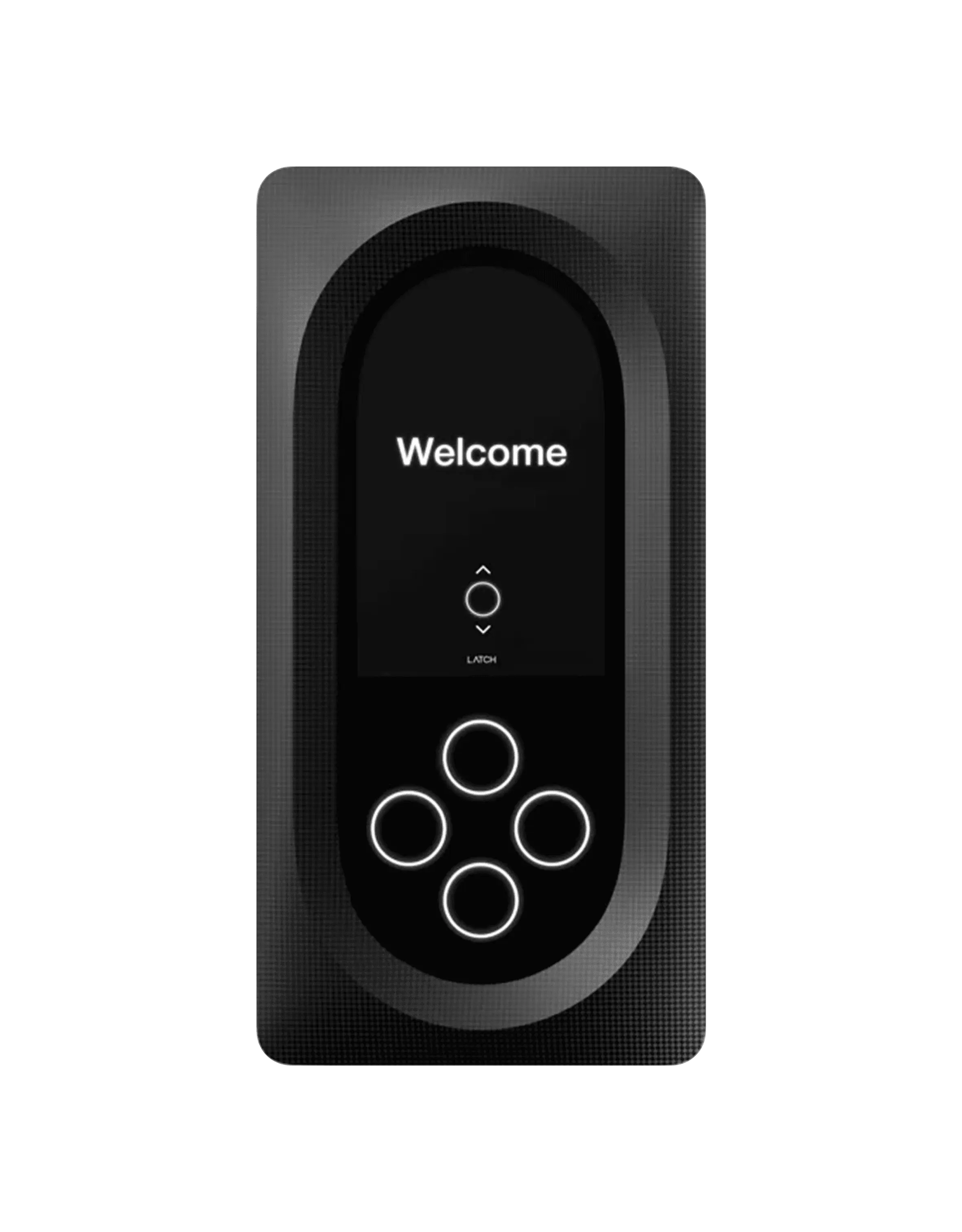
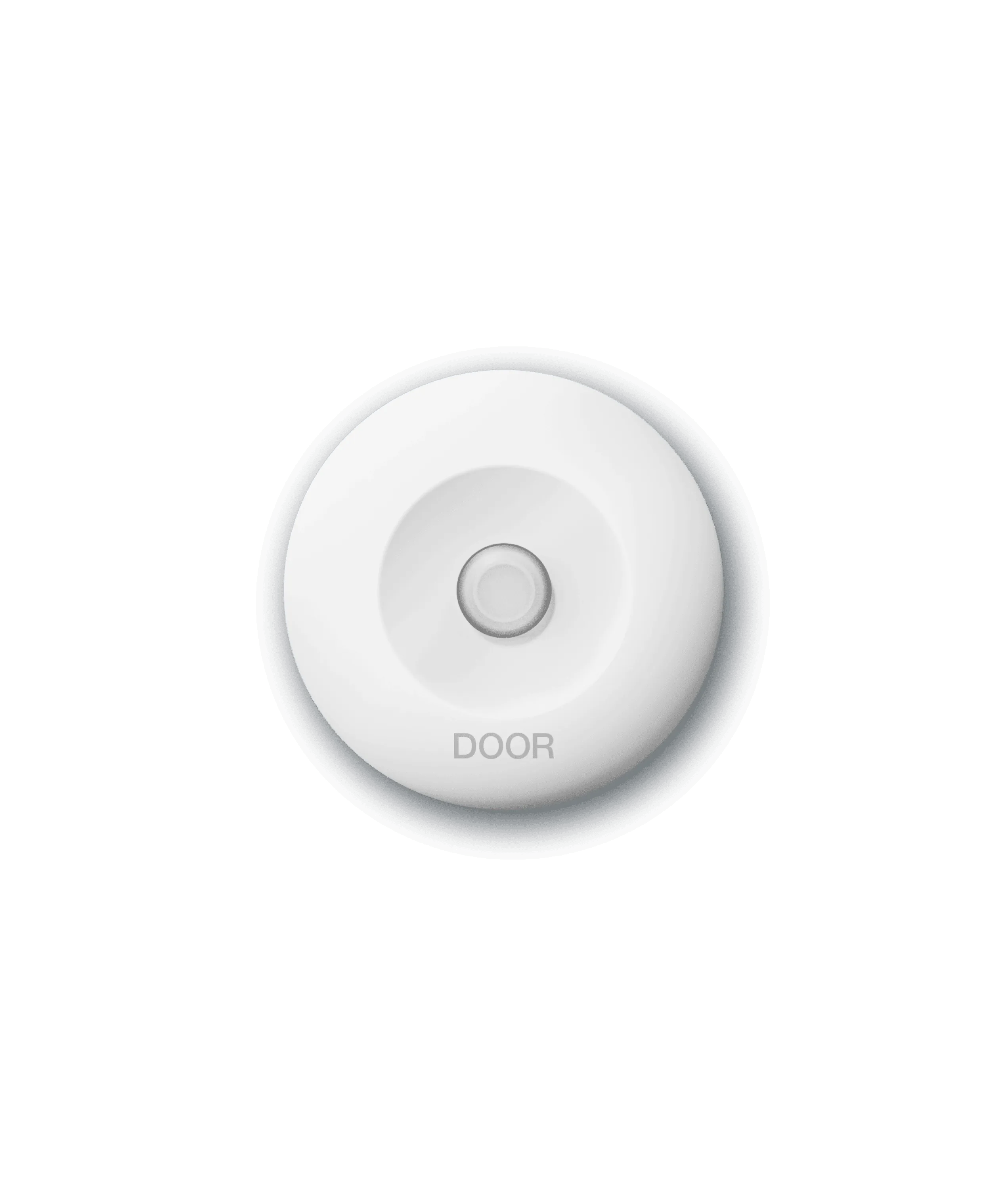
DOOR is designed to do more than replace keys. It creates a unified access layer that supports how modern properties operate.
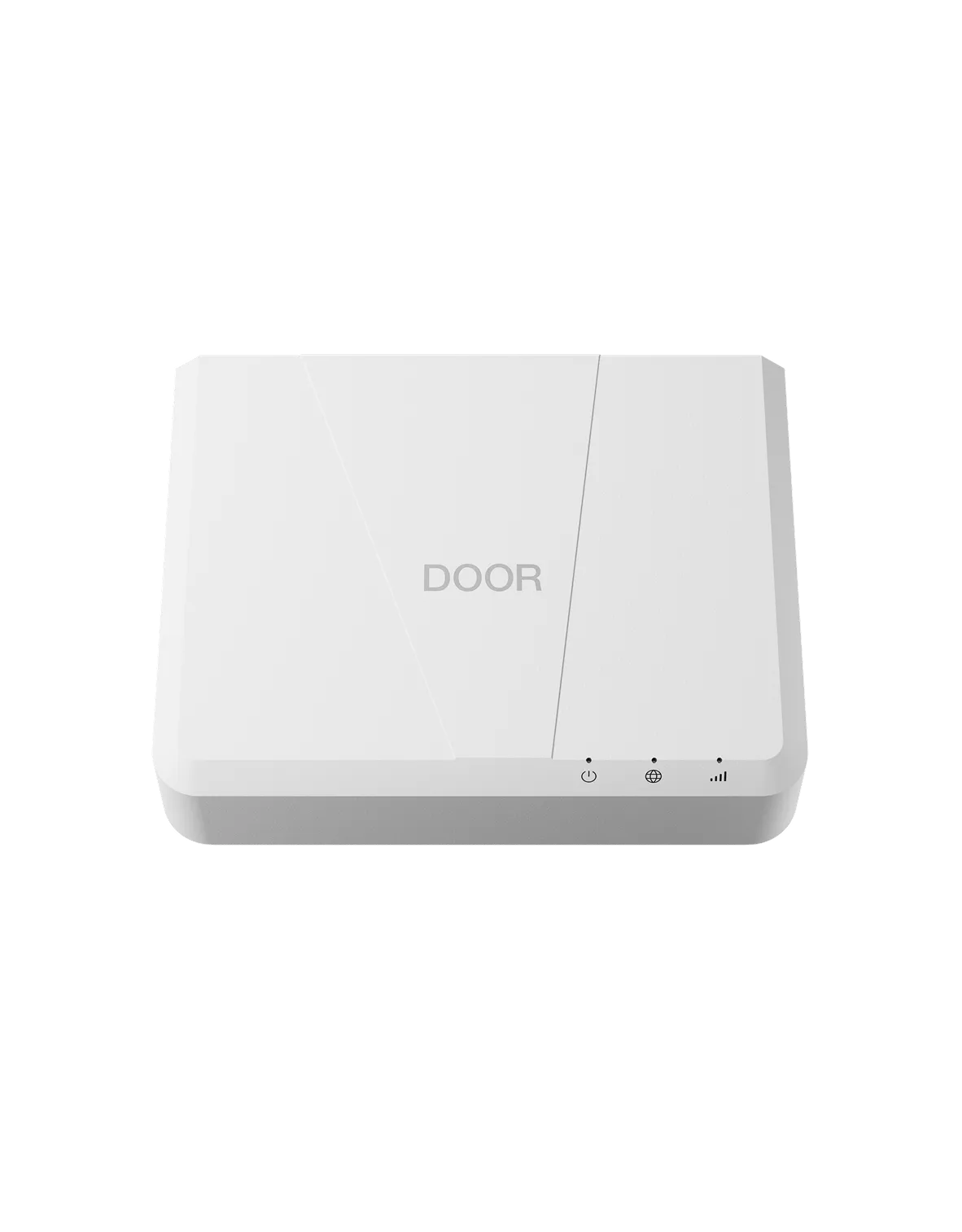
With DOOR, access is not managed unit by unit or building by building. It is managed as part of a connected system across the entire portfolio via DOOR OS. Property teams can issue and revoke credentials instantly, assign time-bound access for vendors, and maintain a complete record of access activity without relying on manual processes.
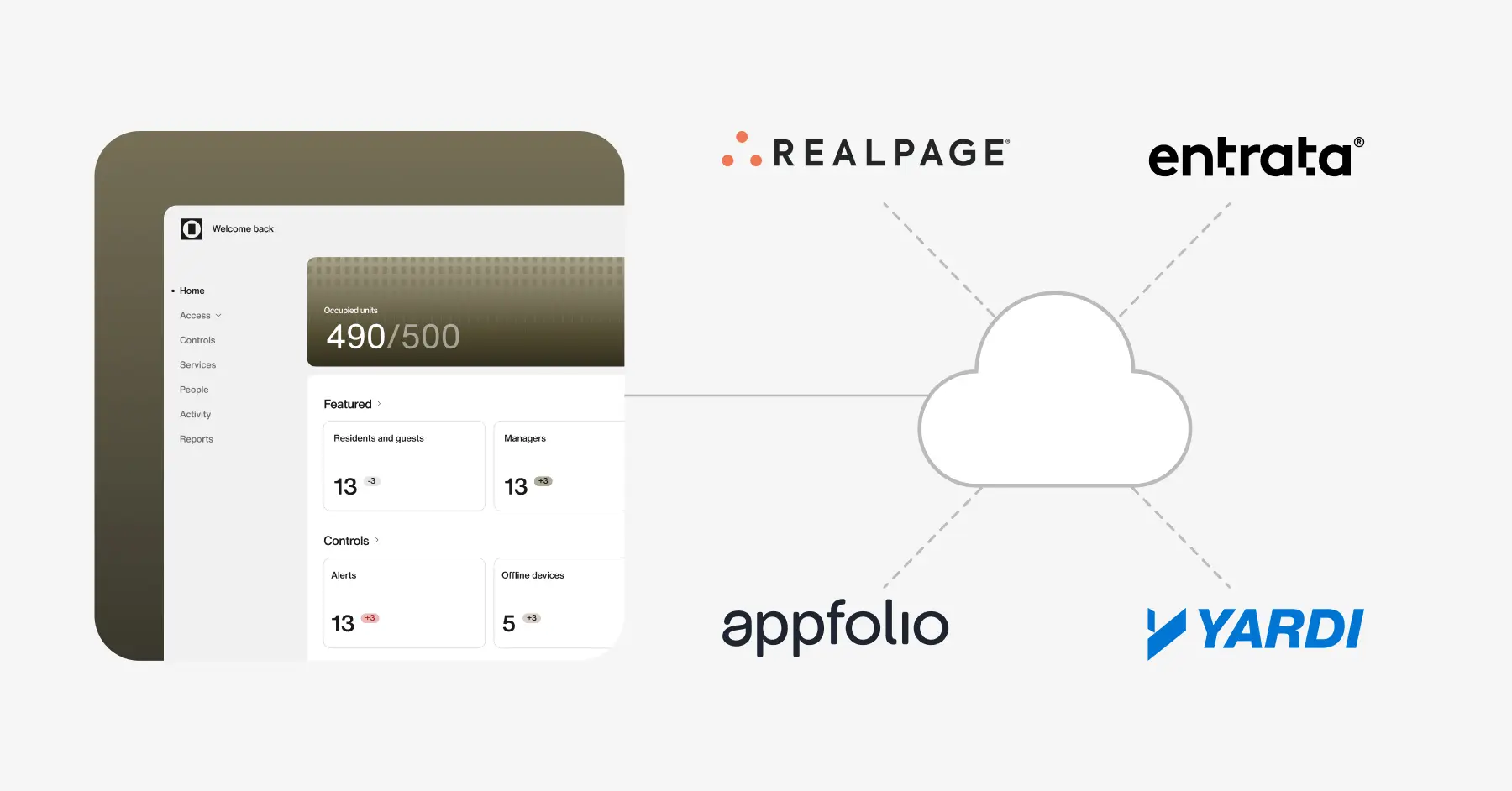
This level of control improves consistency and reduces risk, while also lowering the volume of service calls tied to access issues. Because DOOR connects with existing property management systems, it aligns access with leasing, maintenance, and day-to-day workflows, reducing the need for constant coordination.
The result is not just fewer service calls. It is a more efficient operating model, where teams can manage more units with less overhead, respond faster to issues, and maintain better visibility across their properties.
For operators focused on reducing property management costs, DOOR provides a clear path to improving both efficiency and long-term performance.
Final Takeaway
Reducing property management costs requires more than incremental changes. It requires removing the operational friction that drives unnecessary work.
Service calls are one of the most consistent sources of that friction.
Smart locks address this by eliminating manual access coordination, reducing lockouts, and streamlining everyday workflows. Over time, these improvements can compound into meaningful cost savings and operational gains.
For property managers and owners, the opportunity is not just to reduce costs, but to build a system that runs more efficiently every day.
FAQs
How do smart locks reduce property management costs?
Smart locks reduce property management costs by eliminating rekeying, minimizing lockouts, and reducing service calls. By enabling remote access management and digital credentials, they remove manual coordination and lower labor and vendor expenses.
Do smart locks eliminate the need for rekeying?
Yes. Smart locks replace physical keys with digital credentials that can be issued, updated, or revoked instantly.
Can smart locks reduce maintenance and vendor coordination?
Smart locks streamline vendor and maintenance access by allowing property managers to assign time-bound, remote credentials. This eliminates the need for on-site coordination, reduces delays, and improves maintenance efficiency.
How do smart locks help reduce service calls and lockouts?
Smart locks reduce service calls by allowing residents to unlock doors using mobile credentials or backup access methods. Property managers can also grant access remotely, eliminating many after-hours lockouts and emergency calls.
What is the ROI of smart locks for multifamily properties?
The ROI of smart locks comes from reduced service calls, eliminated rekeying costs, improved operational efficiency, and faster unit turns. Over time, these savings contribute to lower operating expenses and increased Net Operating Income (NOI).
.webp)



.webp)
.webp)
.webp)

