



Managing a small or mid-sized multifamily portfolio requires efficiency. Lean teams handle leasing, maintenance, vendor coordination, and resident issues without the support of large centralized departments. When operational systems add friction instead of removing it, the strain is immediate.
Access control is one of the most underestimated sources of operational drag in smaller portfolios. Rekeying expenses, lockout calls, manual credential tracking, and vendor coordination may seem routine, but over time they erode margin and consume staff bandwidth.
Modern multifamily access control systems replace manual workflows with centralized, digital management, helping smaller teams operate with greater clarity and control.
The Hidden Cost of Rekeying in Small Portfolios
Every resident move-out triggers a predictable sequence: keys must be collected, locks may need to be rekeyed, staff must coordinate with locksmiths, and physical keys must be redistributed.
In a 150- or 300-unit portfolio, this cycle repeats dozens or hundreds of times per year. The direct cost of locksmith services is only part of the impact. Staff time, scheduling delays, and vacancy downtime contribute to the total expense.
Industry research shows that electronic access control systems and smart door locks save an average of $80,000 per building annually. While savings vary by asset size, the principle is consistent: removing physical keys reduces recurring operational overhead.
Digital credentials eliminate the need for hardware changes during turnover. When a lease ends, access is revoked instantly. When a new lease begins, credentials activate without delay. Rekeying disappears from the turnover checklist.
For small portfolios operating with tight margins, predictable costs matter.
Lockouts Disrupt More Than You Think
Lockouts rarely appear on financial statements, but they create daily operational friction.
A resident locked out after hours requires staff intervention or emergency vendor coordination. Maintenance teams pause scheduled work to resolve access issues. Managers field calls that pull attention away from leasing or compliance tasks.
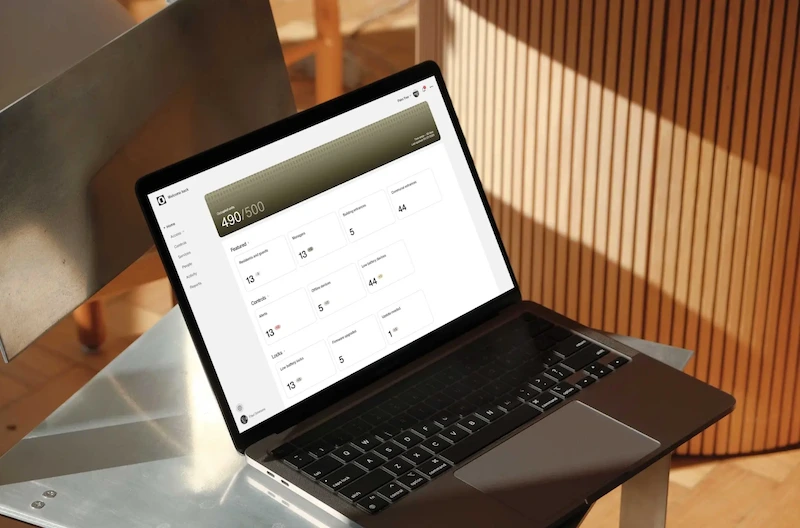
Cloud-based apartment access control systems allow property managers to issue temporary credentials remotely through a centralized dashboard. Instead of dispatching staff, access can be granted securely in real time.
Beyond convenience, digital access provides an audit trail of entry activity, improving visibility and accountability across properties. For small teams without dedicated security staff, that visibility reduces risk while improving efficiency.
Vendor Coordination Without the Complexity
Many small portfolios rely on multiple vendors for locks, intercoms, and access software. Each vendor introduces separate invoices, separate support channels, and separate troubleshooting processes.
Disconnected systems increase training requirements and create avoidable friction. Parks Associates notes that siloed systems limit scalability and reduce the broader operational benefits of integrated platforms.
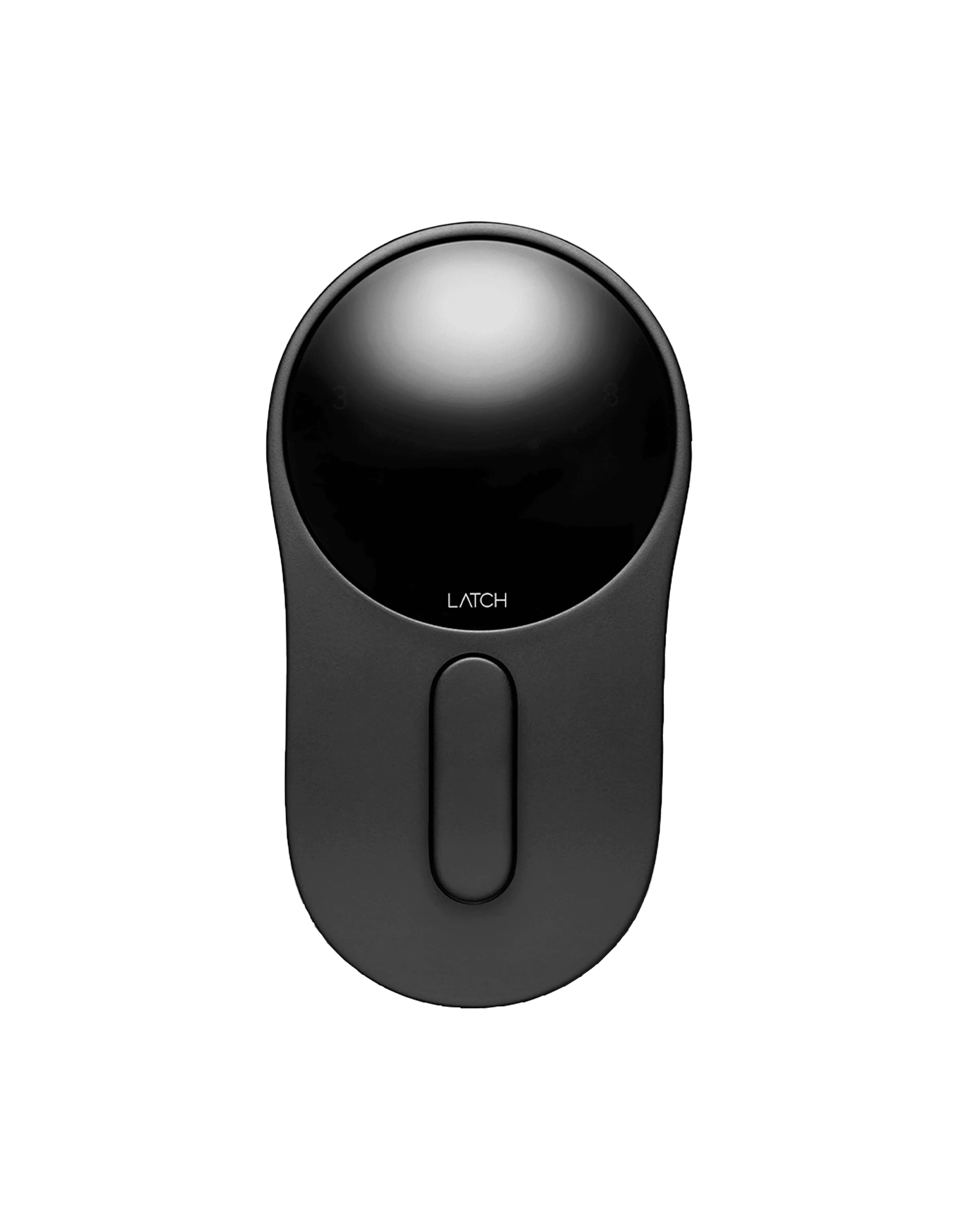
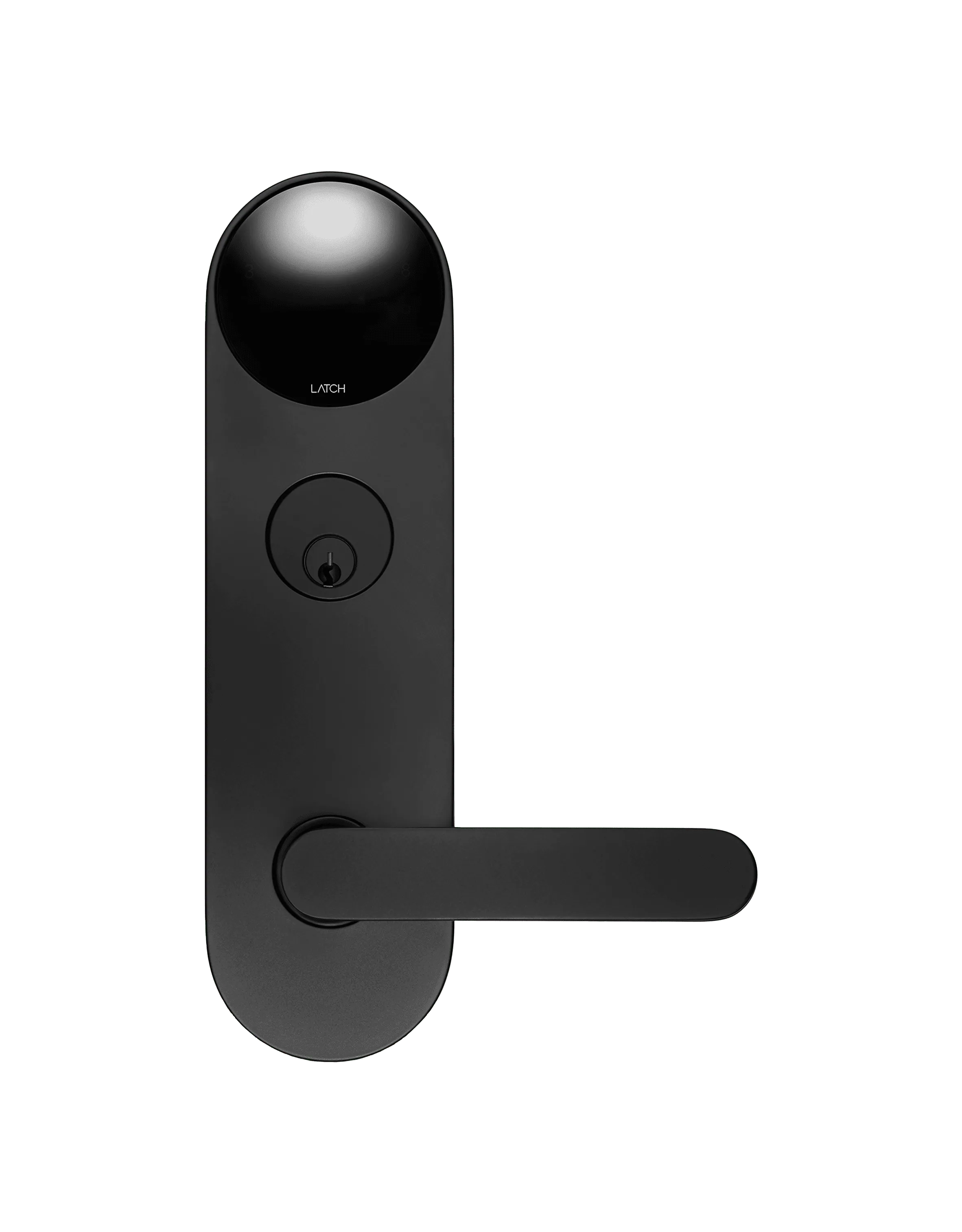
A unified multifamily access control system consolidates smart locks, intercom, and credential management into a single platform. Vendor access can be scheduled and time-bound. Maintenance teams can receive unit access aligned to assigned work orders. Managers can view activity across properties in one place.
For small portfolios, simplicity is not a luxury. It is operational survival.
Scaling Without Adding Headcount
Small and mid-sized operators often manage growing portfolios with limited IT support. Adding new systems that require heavy configuration or complex integrations only increases burden.
Modern access infrastructure emphasizes cloud-managed identity and centralized dashboards, allowing owners to standardize policies across properties while reducing on-site workload .
When identity, permissions, and lease data connect, automated workflows become possible:
- Move-in credentials activate automatically
- Move-out credentials expire without manual removal
- Vendor access aligns with scheduled visits
- Amenity permissions reflect resident status
These workflows reduce manual steps and free staff to focus on resident experience rather than administrative tracking.
What to Look for in a Multifamily Access Control System
If you are evaluating an apartment access control system for a small portfolio, prioritize:
- Cloud-based credential management
- Mobile credentials and role-based permissions
- Integration with property management systems
- Real-time audit reporting
- Low total cost of ownership
- Unified hardware and software support
Access control is increasingly recognized as an operational platform rather than a standalone security expense. When implemented thoughtfully, it supports efficiency across leasing, maintenance, and resident services.
Frequently Asked Questions
What is multifamily access control?
Multifamily access control manages entry to apartment units, common areas, garages, and amenities using digital credentials instead of mechanical keys.
How does digital access reduce rekeying costs?
Digital credentials can be revoked instantly when a resident moves out, eliminating locksmith visits and hardware replacement.
Is electronic access control expensive for small portfolios?
While upfront costs vary, cloud-based access control reduces long-term expenses by eliminating rekeying, minimizing lockouts, and simplifying vendor management.
Can access be managed remotely?
Yes. Property managers can issue, modify, and revoke credentials through a centralized dashboard from any location.
Does access control integrate with property management software?
Modern systems integrate with major property management platforms to automate credential provisioning and reduce manual workflows.
Bringing It Together
Small portfolios do not need complex enterprise systems. They need streamlined infrastructure that reduces friction, controls cost, and scales with growth.
Multifamily access control, when designed as a connected operational layer rather than a collection of point solutions, eliminates recurring inefficiencies such as rekeying, lockouts, and fragmented vendor coordination.
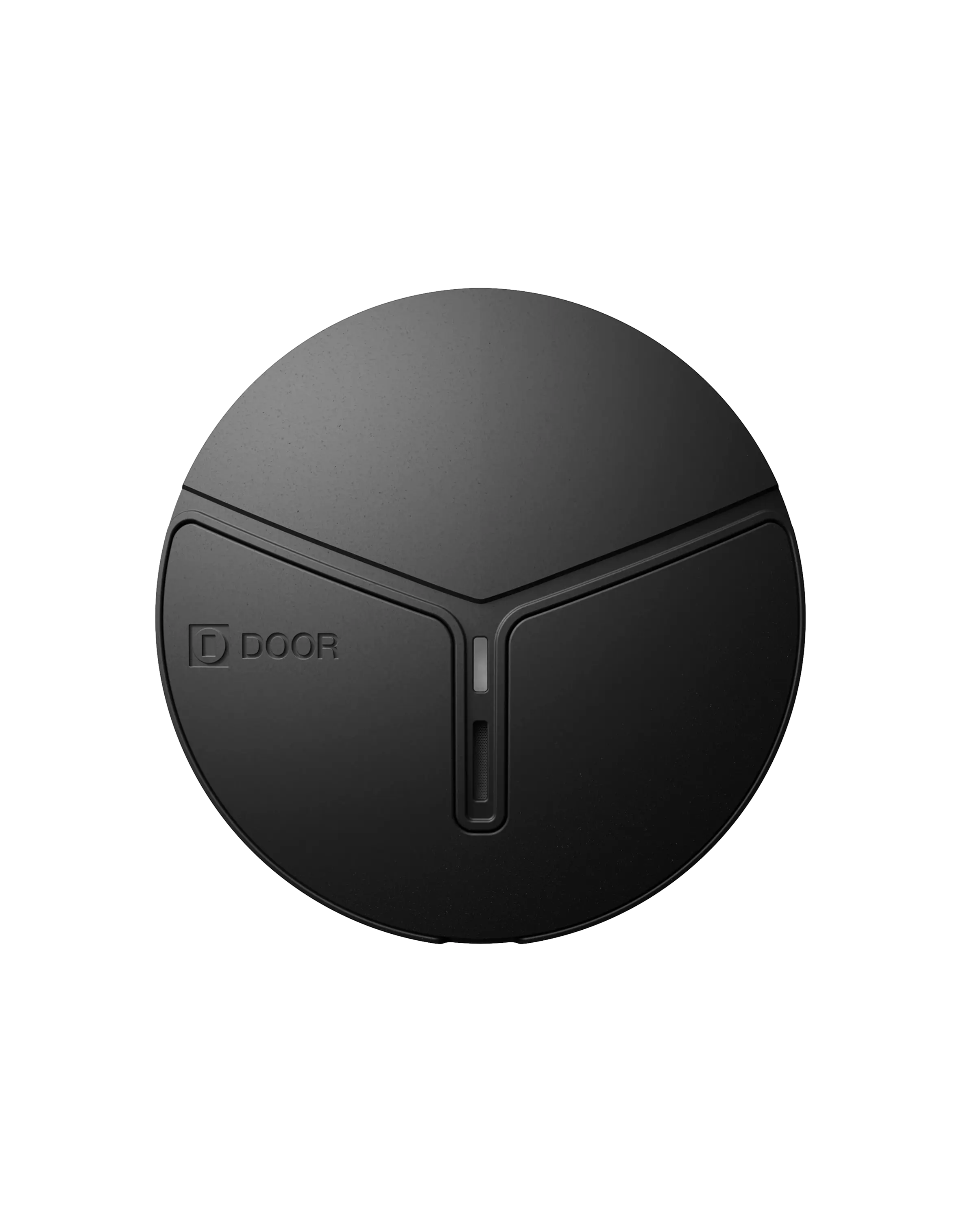
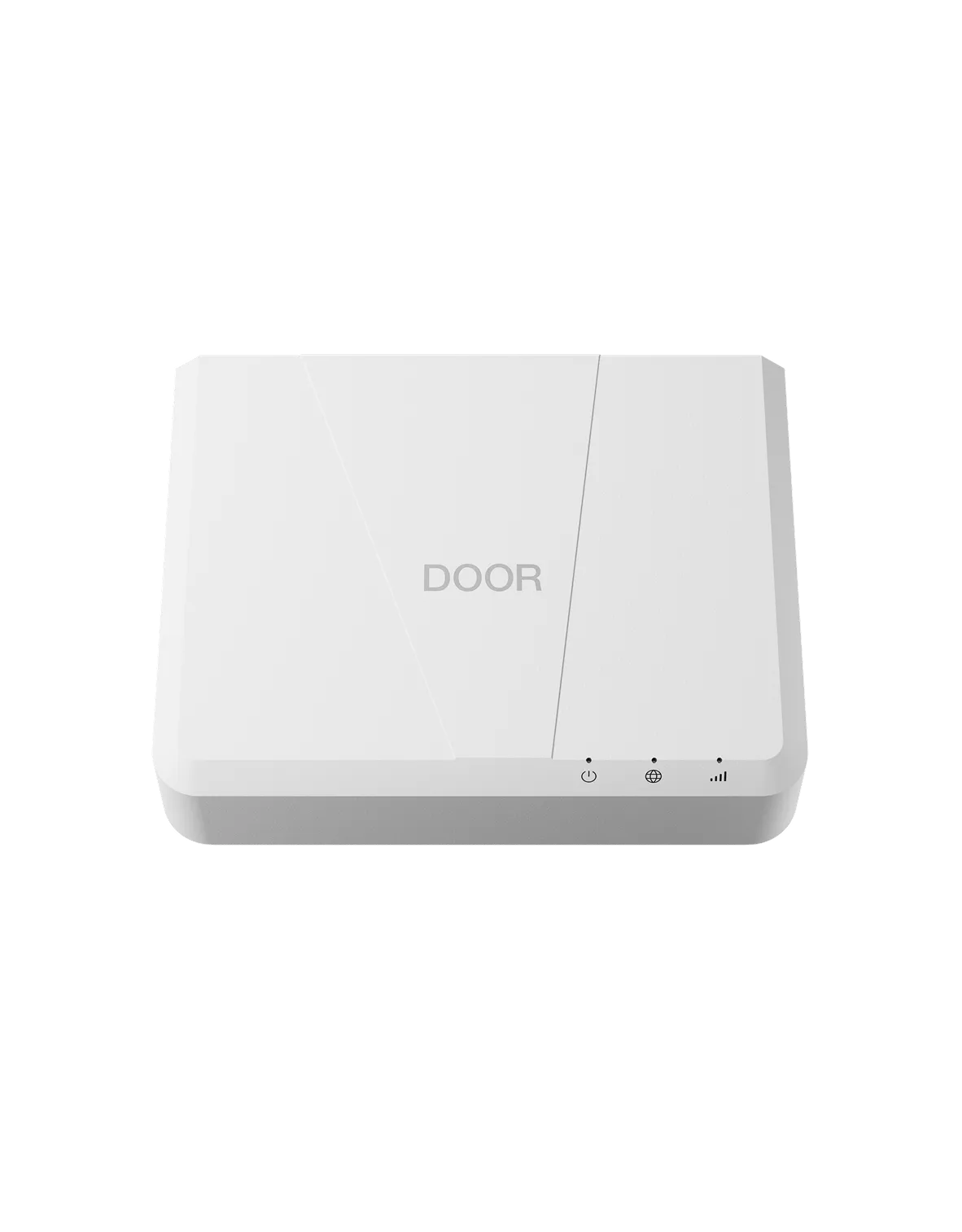
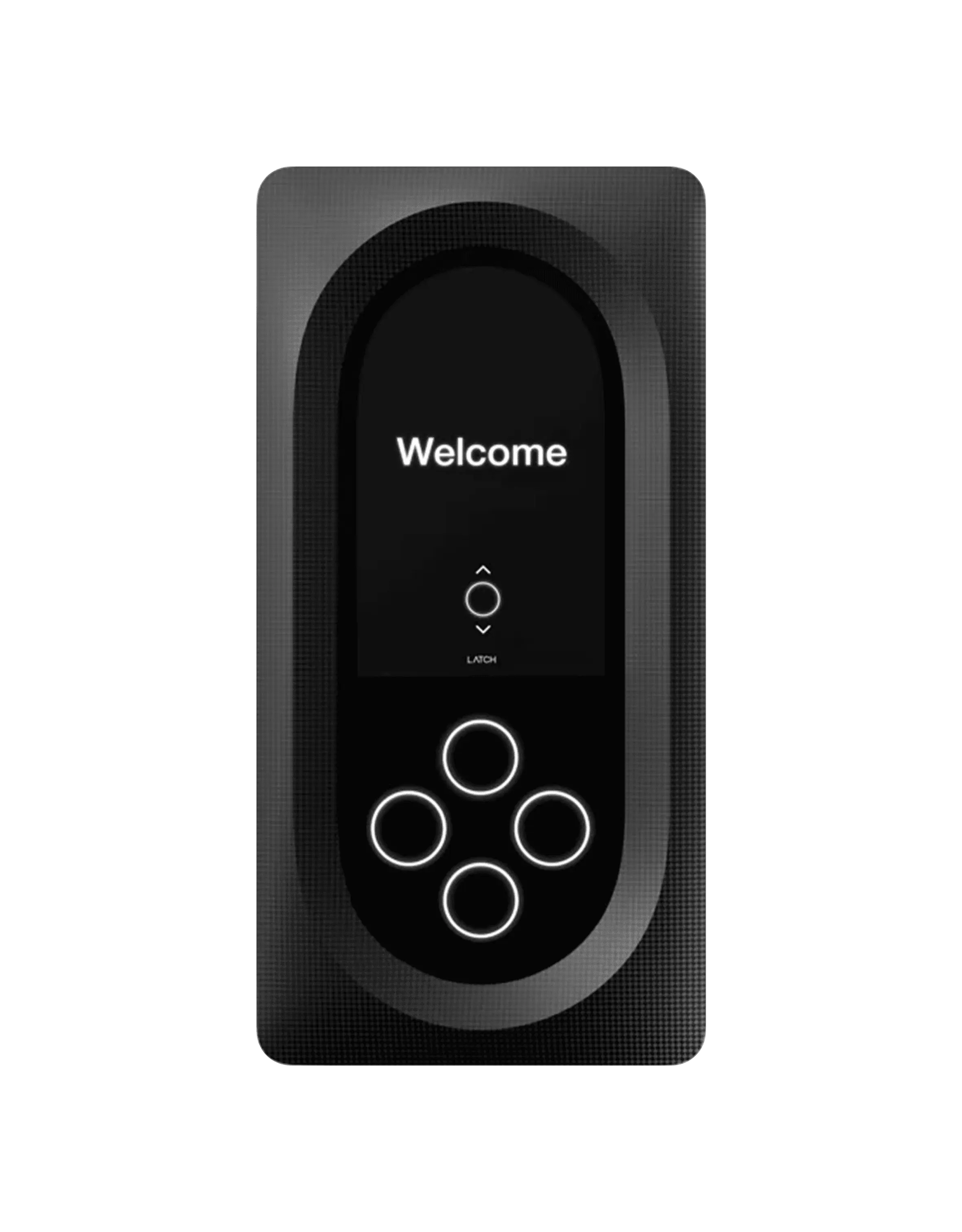
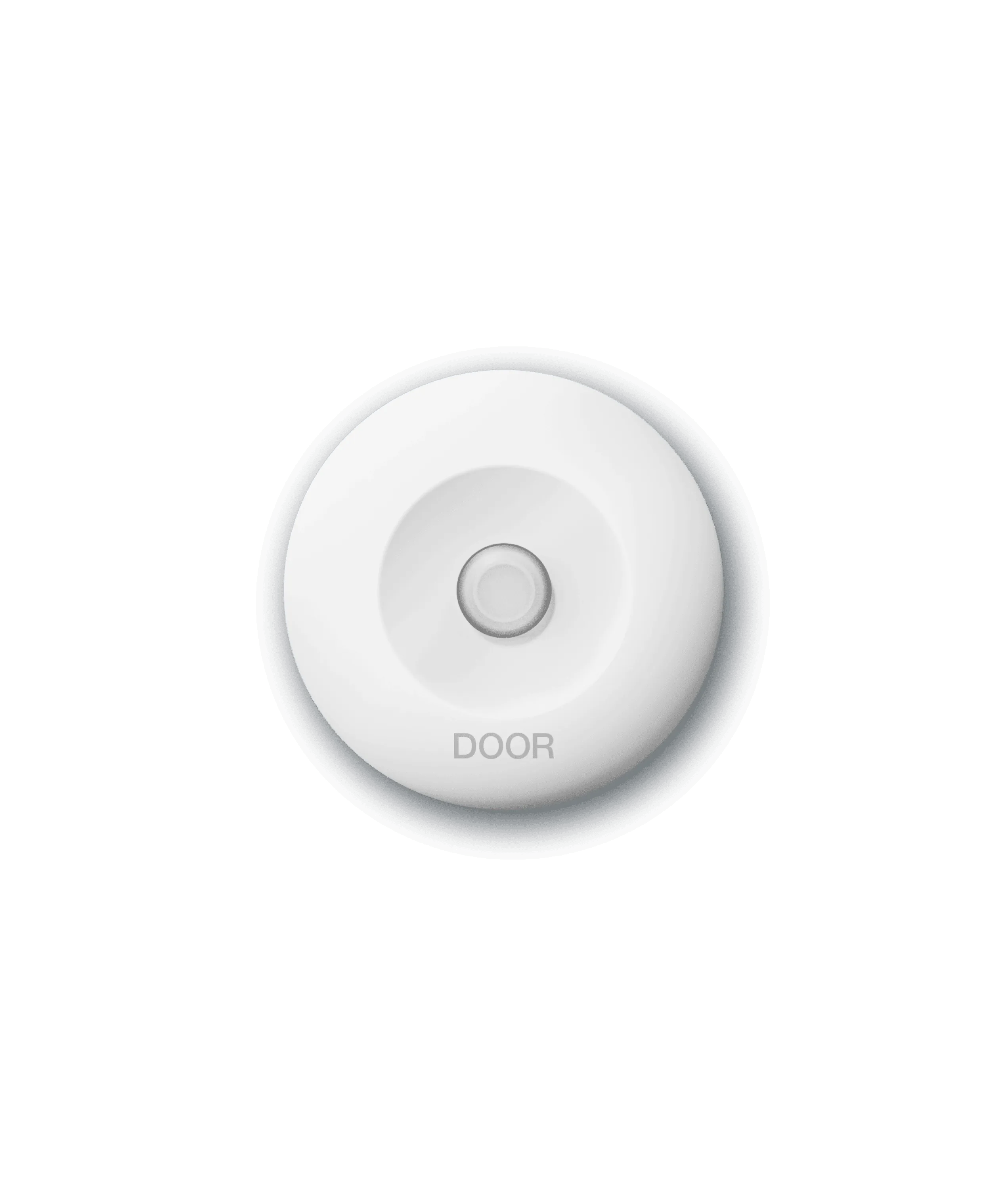
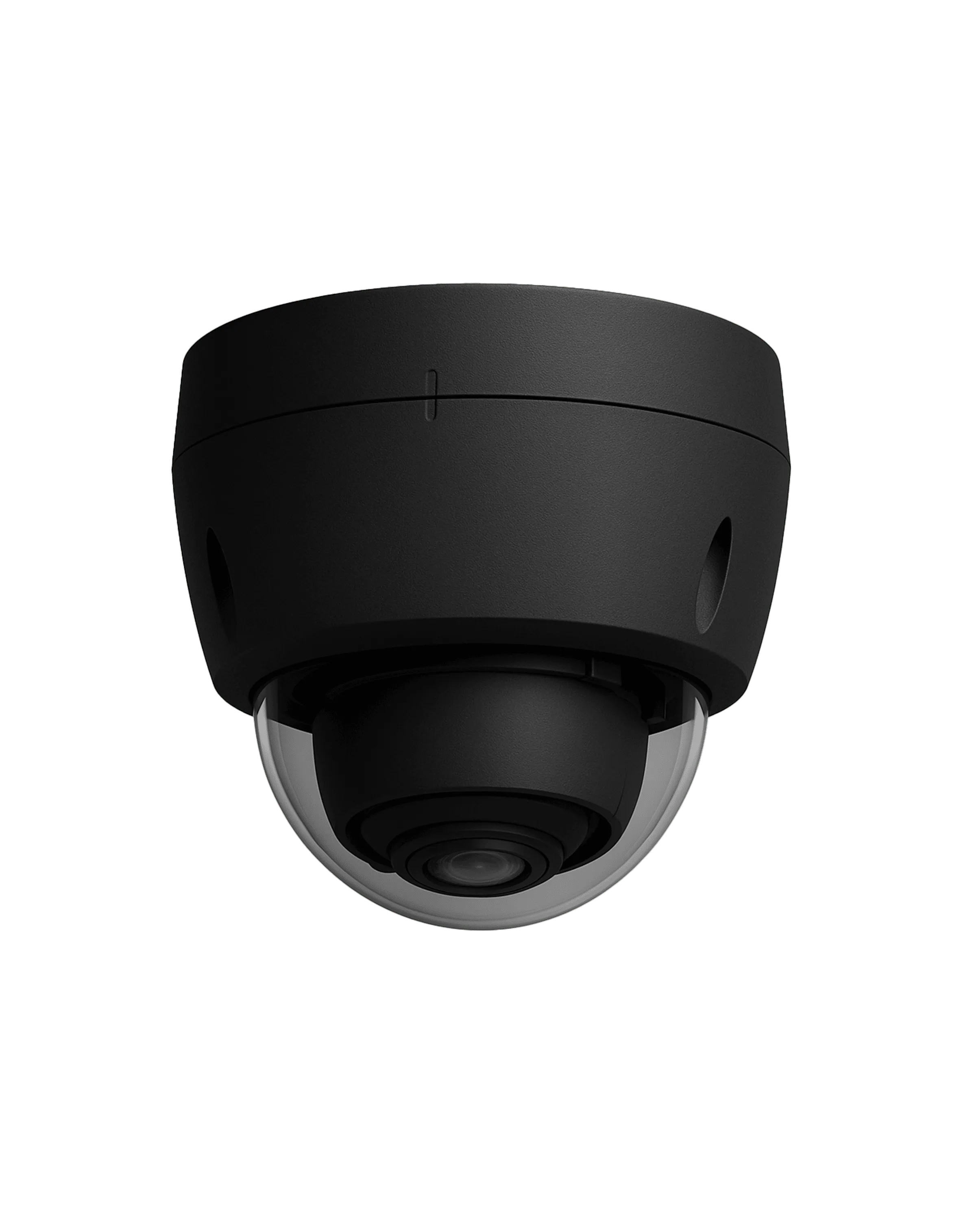
DOOR was built around this model, combining smart hardware, cloud-based credential management, and automated workflows into a unified platform designed specifically for multifamily operators.
For small and mid-sized portfolios, access control can shift from being a recurring headache to becoming a foundation for smoother, more predictable operations.
.webp)



.webp)
.webp)

