



Multifamily real estate continues to evolve as demographic shifts, economic trends, and housing demand reshape where investors place their capital.
Over the past decade, population migration, job growth, and affordability challenges have significantly influenced apartment investment patterns across the United States. These forces are expected to continue shaping the multifamily landscape in 2026.
For investors, developers, and operators, identifying the right markets is about more than tracking population growth. It requires understanding how economic fundamentals, housing supply, infrastructure, and operational scalability intersect.
Cities experiencing sustained growth often offer attractive opportunities for multifamily investment. At the same time, operators must consider the operational complexity of managing modern apartment communities.
As technology continues to transform property operations, investors increasingly evaluate how infrastructure, building systems, and operational efficiency impact long-term returns.
This guide explores the best multifamily markets for investing in 2026, along with the key factors investors should consider when evaluating opportunities.
What Makes a Multifamily Market Attractive for Investors?
Before examining specific markets, it’s important to understand what drives multifamily investment performance.
Several factors consistently influence the success of apartment investments.
Population Growth
Cities experiencing sustained population growth typically see increased housing demand. As more residents relocate to a metro area, rental housing often becomes the first option for newcomers.
Job Creation
Employment growth is one of the strongest predictors of apartment demand. Markets attracting technology companies, healthcare institutions, manufacturing, and logistics employers tend to support healthy rental demand.
Housing Affordability
In cities where homeownership becomes increasingly expensive, many residents choose to rent for longer periods. This dynamic supports multifamily occupancy rates.
Development Pipeline
While strong demand drives investment, excessive development can create short-term supply imbalances. Investors should monitor construction pipelines to understand future competition.
Operational Scalability
Large and mid-size multifamily portfolios require systems that support efficient operations across multiple properties. Technology infrastructure, automation, and property management platforms increasingly play a role in investment strategy.
Top Multifamily Markets for Investing in 2026
While many markets offer strong fundamentals, several metropolitan areas stand out due to population migration, economic expansion, and housing demand.
Austin, Texas

Austin has consistently ranked among the fastest-growing metropolitan areas in the United States.
The city continues to attract technology companies, startups, and remote workers seeking a vibrant economy and high quality of life.
Several factors support Austin’s multifamily investment outlook:
- sustained population growth
- a strong technology sector
- continued corporate relocations
- a highly educated workforce
Although new construction has increased in recent years, long-term demand for housing remains strong.
For multifamily investors, Austin represents a market with long-term growth potential supported by job creation and migration trends.
Nashville, Tennessee

Nashville has emerged as one of the most attractive multifamily markets in the Southeast.
The city benefits from a diverse economy anchored by healthcare, entertainment, higher education, and tourism.
Key drivers of Nashville’s multifamily growth include:
- strong job creation
- population migration from higher-cost regions
- expanding healthcare industry
- continued urban development
The city’s growing cultural and economic influence continues to attract new residents, increasing demand for apartment housing.
Phoenix, Arizona

Phoenix has experienced rapid population growth over the past decade and remains a major destination for both employers and residents relocating from higher-cost states.
The region’s expanding technology sector and business-friendly environment have attracted significant investment.
For multifamily investors, Phoenix offers several advantages:
- large population inflows
- strong employment growth
- relatively affordable housing compared to coastal markets
- ongoing suburban expansion
While supply growth has increased, the region’s long-term demographic trends remain favorable.
Raleigh-Durham, North Carolina
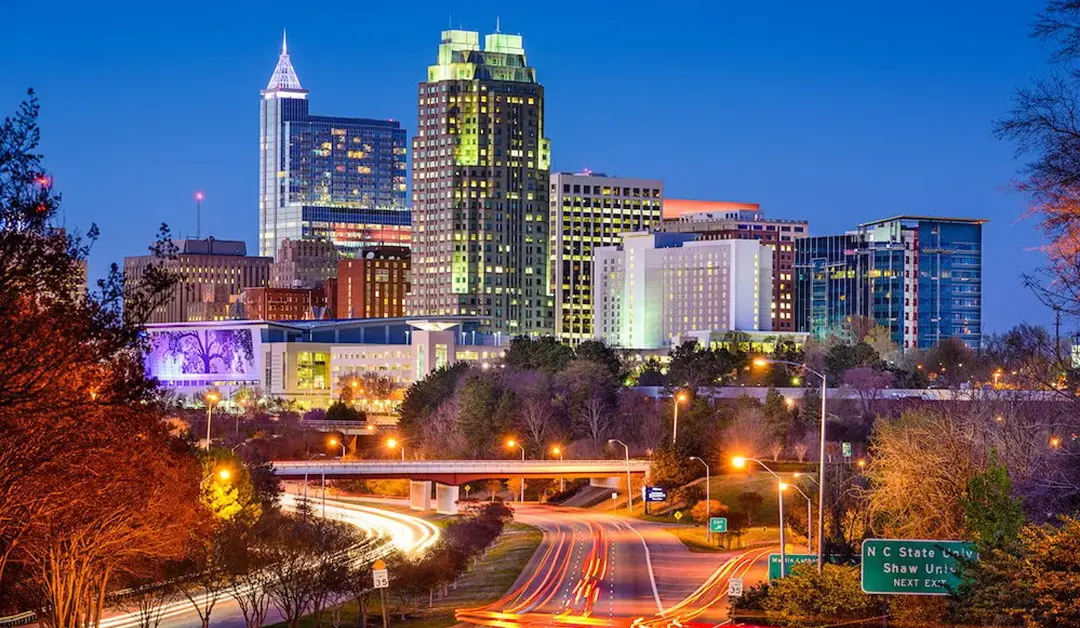
The Research Triangle region has become one of the fastest-growing innovation hubs in the country.
Home to major universities and research institutions, the area continues to attract technology, life sciences, and advanced manufacturing companies.
These industries support strong rental demand among young professionals and skilled workers.
Investors are drawn to Raleigh-Durham because of:
- high educational attainment
- technology and research employment growth
- strong population migration
- a stable economic base
These factors contribute to long-term multifamily demand.
Tampa, Florida

Tampa has experienced significant population growth driven by both migration and economic expansion.
The region’s diversified economy includes healthcare, finance, tourism, and logistics.
Several factors make Tampa attractive for multifamily investment:
- strong population migration
- favorable tax environment
- expanding job market
- strong demand for rental housing
Florida’s continued population growth supports Tampa’s long-term housing demand outlook.
Emerging Secondary Markets
While major metropolitan areas often attract the most attention, smaller markets are increasingly appealing to investors.
Secondary markets frequently offer:
- lower acquisition costs
- higher cap rates
- reduced competition from institutional investors
Examples of emerging multifamily markets include:
- Boise, Idaho
- Greenville, South Carolina
- Chattanooga, Tennessee
- Colorado Springs, Colorado
These cities continue to attract new residents while maintaining relatively affordable housing costs.
Technology’s Growing Role in Multifamily Investment
As multifamily portfolios expand, operational efficiency has become an increasingly important investment consideration.
Modern apartment communities rely on integrated technology systems to streamline property operations and improve resident experience.
These systems often include:
- cloud-based access control
- smart home technology
- property management software integrations
- building automation platforms
Investors evaluating new developments or acquisitions increasingly consider whether properties are equipped with infrastructure that supports modern operational workflows.
For example, access control systems can eliminate operational costs associated with key management while improving building security.
To learn more about how these systems work, see our article Cloud-Based Access Control for Multifamily: A Guide for Modern Apartment Buildings.
Operational Efficiency and Long-Term Asset Value
Operational efficiency has a direct impact on asset performance.
Properties that reduce operational friction can often achieve:
- lower operating expenses
- improved resident satisfaction
- stronger retention rates
- more scalable property management
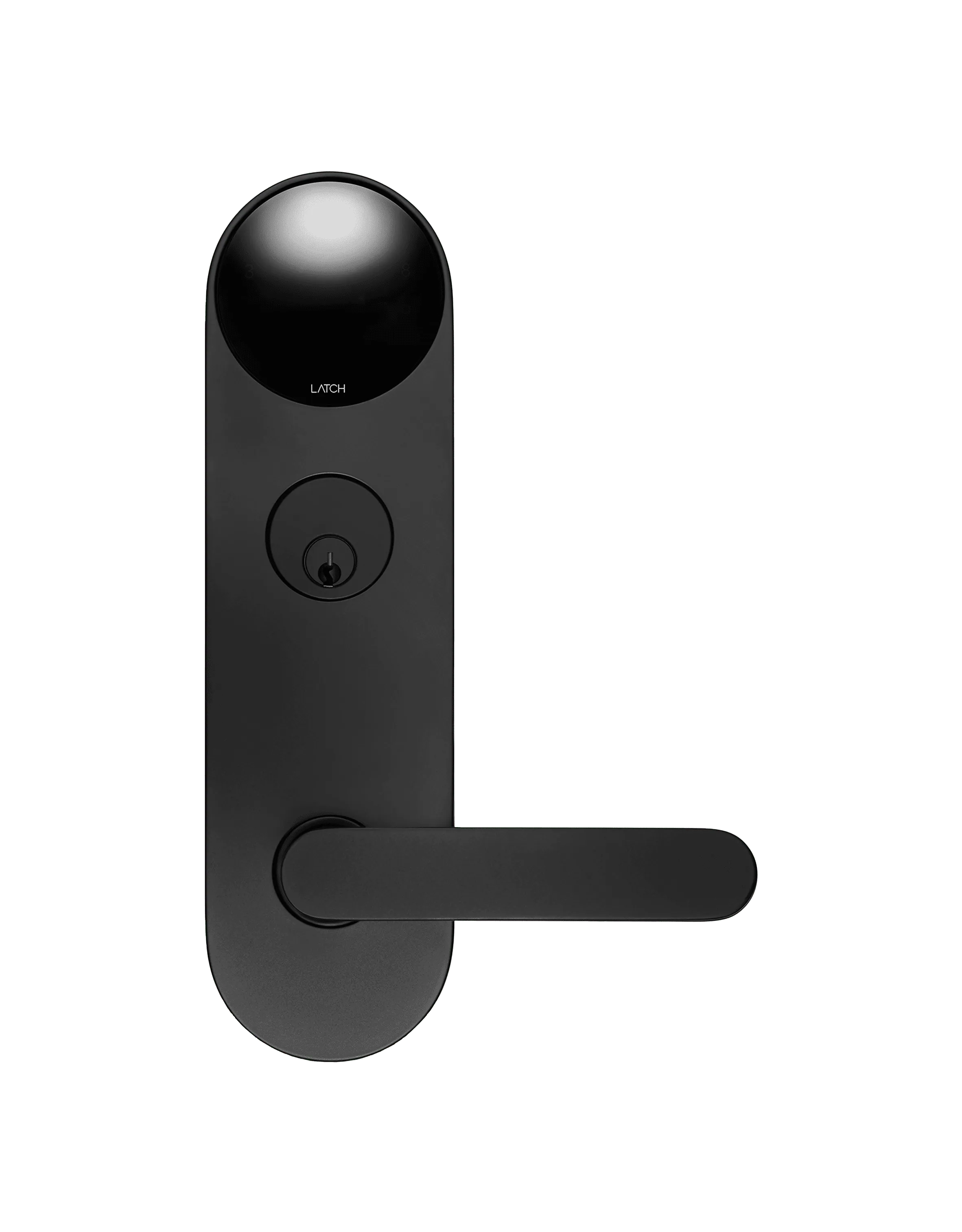
Modern technologies like smart locks and mobile access credentials allow property teams to manage buildings more efficiently.
These systems simplify workflows such as move-ins, vendor access, and resident entry.
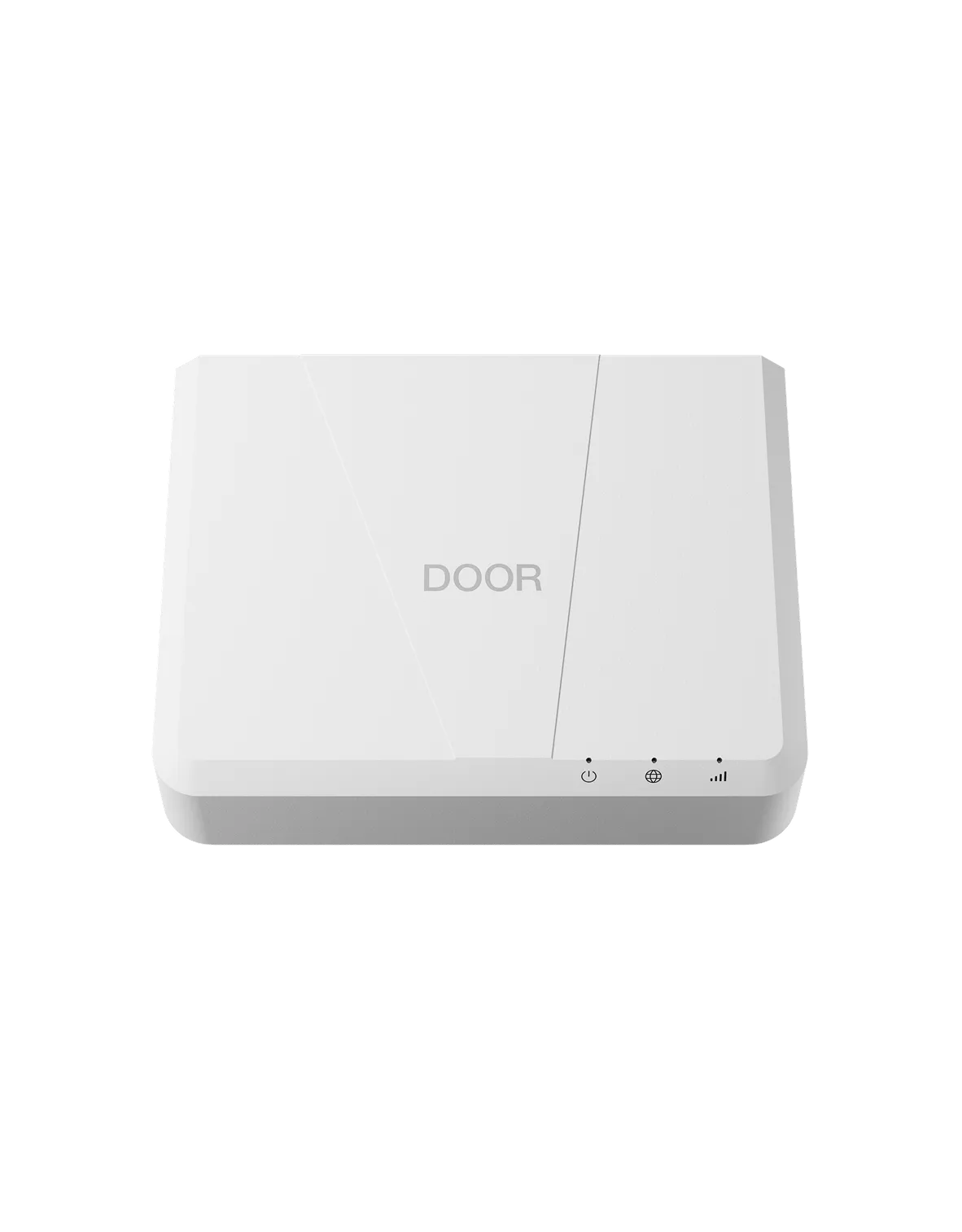
To explore the hardware and platforms enabling these capabilities, see:
Evaluating Multifamily Markets Beyond Growth
While population and job growth are important indicators, successful investors often consider additional factors when selecting markets.
Infrastructure Investment
Cities investing in transportation, education, and utilities often support long-term economic expansion.
Regulatory Environment
Land-use regulations, rent control policies, and permitting processes can influence investment outcomes.
Local Housing Supply
Understanding the pipeline of new development helps investors evaluate future competition.
Technology Adoption
Cities with high technology adoption often support properties that integrate modern building systems and operational platforms.
These factors collectively shape the long-term stability of multifamily investments.
How Market Selection Shapes Portfolio Strategy
Selecting the right markets allows investors to balance risk and opportunity.
Many institutional investors now pursue diversified portfolios that combine:
- high-growth Sunbelt markets
- stable midwestern markets
- emerging secondary cities
This approach allows portfolios to capture growth while maintaining stability.
Operational infrastructure becomes increasingly important as portfolios expand across multiple cities.
Modern building technologies allow operators to standardize workflows, improve visibility, and manage properties efficiently regardless of location.
Multifamily Investment FAQ
What are the best multifamily markets for investing in 2026?
Several markets are expected to remain attractive due to population growth and job creation, including Austin, Nashville, Phoenix, Raleigh-Durham, and Tampa.
What factors influence multifamily investment success?
Key factors include population growth, job creation, housing affordability, supply pipeline, and operational efficiency.
How does technology affect multifamily investments?
Modern building systems such as smart locks, access control platforms, and property management integrations improve operational efficiency and resident experience.
Are secondary markets good for multifamily investing?
Yes. Secondary markets can offer higher yields and less competition while still benefiting from population growth.










.webp)
.webp)

.webp)

